In the most lethal incident recorded on 7 August 2026, the Yemen‑based militant group Ansarullah launched a coordinated missile campaign that struck a Saudi tanker in the Red Sea, forced a second tanker to reverse course in the Gulf of Aden, and hit three Yemeni military bases as well as two Saudi airports, resulting in 45 deaths and 11 injuries. The attacks were reported by the open‑source intelligence channel rnintel and are documented in its Telegram post (https://t.me/rnintel/65400).
Ansarullah missile campaign
According to the rnintel summary, the group claimed responsibility for the following actions within the preceding 36 hours:
- Missile strike on a Saudi‑flagged tanker transiting the Red Sea, causing significant hull damage.
- Engagement that compelled a second Saudi tanker to abort its Gulf of Aden passage and return to port.
- Three missile hits on Yemeni military installations in the Hadhramaut Governorate, killing 45 personnel.
- Impact on Najran International Airport in Saudi Arabia, destroying the main radar system and wounding 11 civilians and staff.
- Attack on Seiyun International Airport in Hadhramaut, further degrading regional air‑field capability.
"Ansarullah claimed multiple missile attacks in the past 36 hours, hitting a Saudi tanker, forcing another to turn back, striking bases in Hadhramaut and Ma'rib, and damaging Najran and Seiyun airports, killing 45 and injuring 11." – rnintel
The weapons employed were identified as surface‑to‑surface missiles, though the specific type was not disclosed. The incident underscores the expanding reach of non‑state actors in the Red Sea corridor, a vital artery for global energy shipments.
Russian glide‑bomb offensive against Ukraine
In a separate theater, the Russian Ministry of Defence intensified its aerial campaign over Ukraine, deploying a record number of glide‑bombs on 7 August 2026. The report, published by Al Jazeera (https://www.aljazeera.com/news/2026/8/7/russia-hits-record-43000-casualties-in-july-as-its-armies-retreat-ukraine?traffic_source=rss), notes that the unprecedented volume of precision‑guided munitions has contributed to rising Ukrainian casualties as Kyiv’s air forces increase sortie rates.
While exact casualty figures for the day were not released, the article links the surge in glide‑bomb usage to a broader Russian strategy of leveraging stand‑off weapons to mitigate aircraft losses. The glide‑bombs, launched from high altitude, follow a pre‑programmed trajectory, reducing exposure to Ukrainian air‑defence systems.
Ukraine’s air‑defence shortfalls
Compounding the pressure on Kyiv, the Ukrainian Defense Ministry disclosed on 7 August that only 29 of 195 Russian ballistic missiles launched in July were intercepted. The data, posted by the Telegram channel monitor_the_situation (https://t.me/monitor_the_situation/27219), highlights a critical shortage of interceptor missiles within Ukraine’s air‑defence inventory.
Analysts note that the low interception rate reflects both the high volume of Russian launches and the depletion of modern Patriot‑type systems supplied by NATO partners. The shortfall may force Ukraine to rely increasingly on layered, lower‑tier systems and on active‑protection measures for critical infrastructure.
Industrial damage in Ukraine
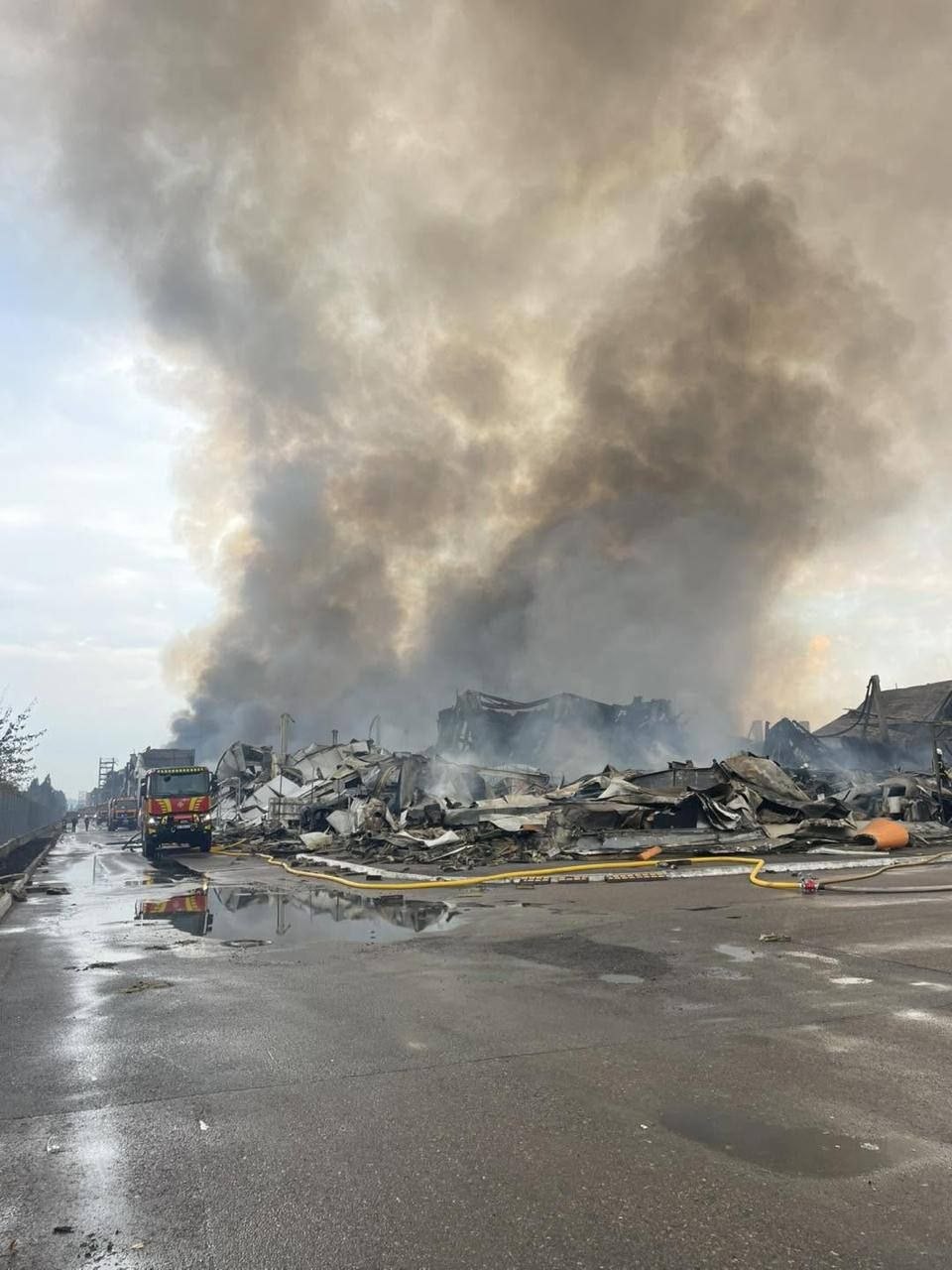
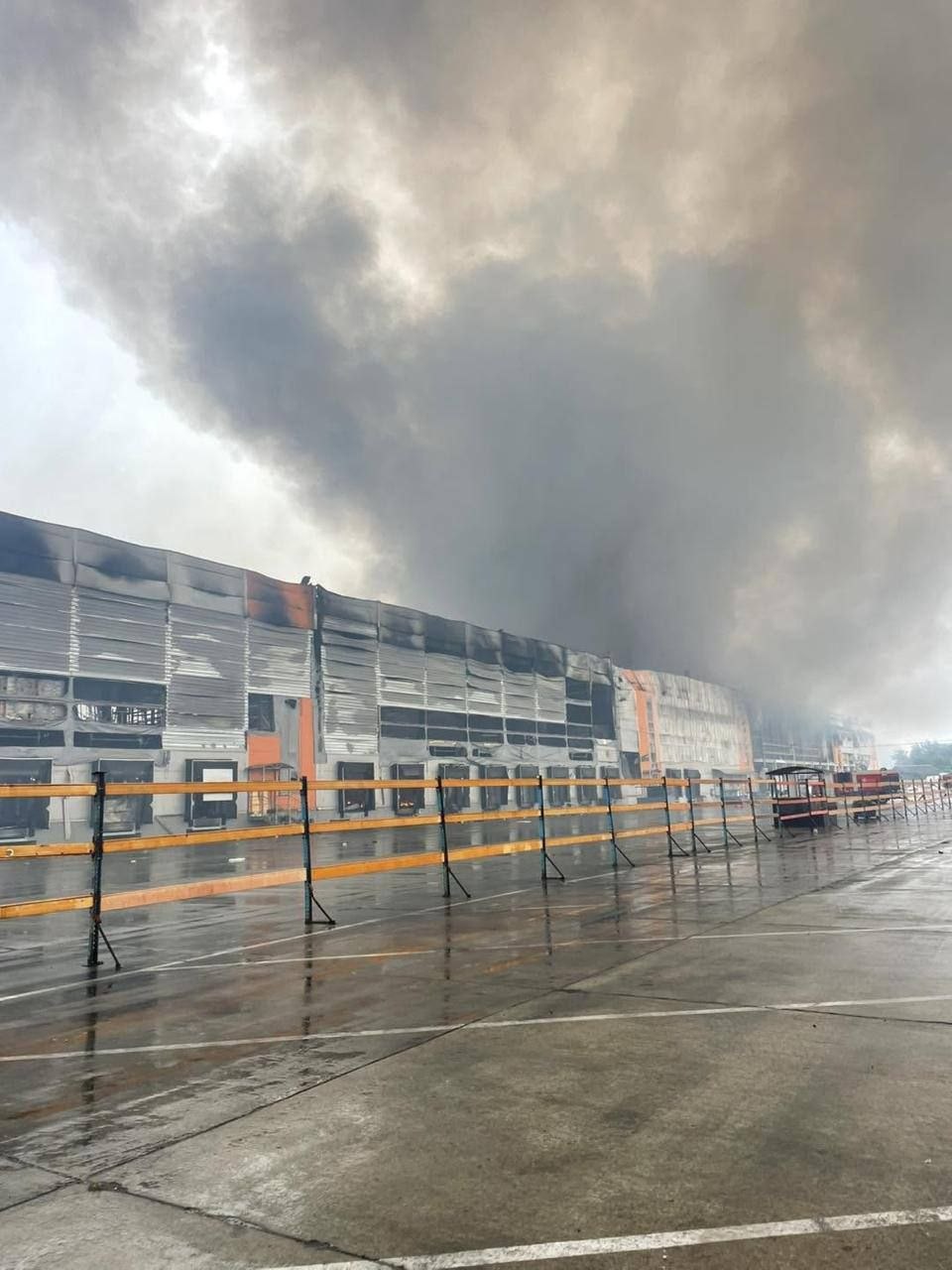
On the same day, the Ukrainian personal‑protective‑equipment manufacturer Delta Plus reported the complete destruction of its main warehouse and office complex by artillery shelling. The claim, circulated by the Telegram channel intelslava (https://t.me/intelslava/92255), includes two photographic items illustrating the devastation.
The loss of the warehouse, which stored large quantities of ballistic‑grade vests and helmets, represents a significant logistical setback for Ukrainian forces, already strained by sustained supply chain disruptions.
Unmanned‑air system incidents
Several UAV‑related events were recorded on 7 August:
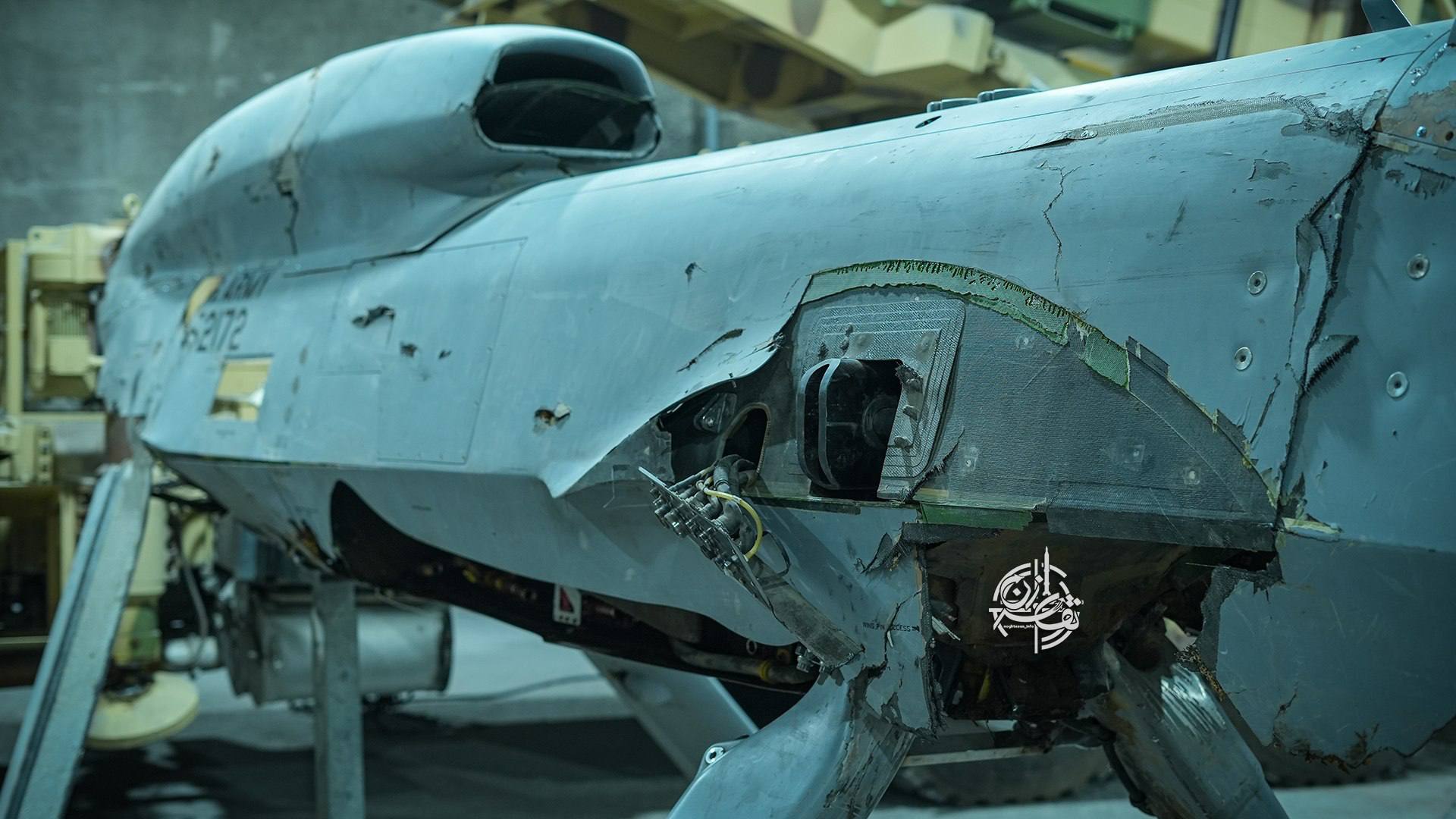
- A United States‑Iran encounter resulted in the downing of a MQ‑1C drone, as reported by CIG_telegram (https://t.me/CIG_telegram/81840). No casualties were reported.
- Russian air‑defence forces claimed to have shot down 203 Ukrainian drones overnight, according to the Russian Ministry of Defence, relayed by BellumActaNews (https://t.me/BellumActaNews/176236).
- Ukrainian drones targeted a Wildberries distribution centre in Yekaterinburg, Russia, igniting a fire and prompting a regional drone‑alert, as detailed by BellumActaNews (https://t.me/BellumActaNews/176226).
These incidents illustrate the continued use of low‑cost loitering munitions and commercial‑grade drones to achieve tactical effects across the Russia‑Ukraine front.
Ukrainian aerial‑target kill count for July
Ukraine’s Air Force released cumulative July figures, stating that it destroyed over 5,300 aerial targets and neutralised more than 48,000 tactical UAVs, including Shahed suicide drones, Lancet loitering munitions, and various Russian missiles. The announcement appeared on monitor_the_situation (https://t.me/monitor_the_situation/27185).
While the numbers demonstrate a high operational tempo, the earlier interception shortfall suggests that the Ukrainian air‑defence network is operating at or beyond its capacity.
Overall, the events of 7 August 2026 reflect a pattern of kinetic escalation across multiple fronts: non‑state missile attacks threatening maritime security in the Red Sea, intensified Russian glide‑bomb usage over Ukraine, and a strained Ukrainian air‑defence posture confronting a high volume of Russian ballistic and unmanned threats.