On 6 August 2026, a Russian FAB‑3000M‑54 glide bomb equipped with a UMPK guidance kit struck a railway crossing in the Zaporizhzhia direction, marking the most lethal kinetic event recorded in Ukraine for the day. The impact was captured on video shared by the open‑source channel intelslava (source URL: https://t.me/intelslava/92163). No civilian casualty figures were released, but the strike disrupted a critical transport node used for both military and civilian freight, underscoring the continued Russian emphasis on precision‑guided munitions to impair Ukrainian logistics.
Zaporizhzhia Region – Glide Bomb Attack
The FAB‑3000M‑54 glide bomb, a large‑scale, air‑launched weapon capable of delivering a warhead of up to 3 tonnes, was deployed from an unidentified aircraft operating at altitude before gliding toward the target. The UMPK guidance kit, a Russian‑developed precision module, allowed the bomb to home in on the crossing despite electronic counter‑measures. According to the footage, the explosion generated a fireball and extensive debris, temporarily halting rail traffic for several hours.
"Footage shows a Russian FAB‑3000M‑54 glide bomb equipped with a UMPK guidance kit striking a crossing earlier today in the Zaporizhzhia direction," intelslava reported.
Kharkiv and Sumy – Drone Strikes Result in Six Fatalities
In the early morning, Russian drone attacks across the Kharkiv and Sumy oblasts killed six civilians—three in each region. The strikes were reported by Al Jazeera (source URL: https://www.aljazeera.com/news/2026/8/6/russian-strikes-kill-six-in-ukraine-as-moscow-intercepts-hundreds-of-drones?traffic_source=rss). Russian air defenses claimed to have intercepted 605 hostile drones during the same period, indicating a high‑intensity aerial contest.
"Russian strikes kill six in Ukraine as Moscow intercepts hundreds of drones," Al Jazeera noted.
The drones, likely of the Shahed‑136 or similar loitering munition class, targeted residential areas and infrastructure, prompting emergency responses in both oblasts.
Kramatorsk – Hostile UAV Penetration
At 12:29 UTC, Russian unmanned aerial vehicles breached Ukrainian air defenses in the Kramatorsk area of Donetsk Oblast, destroying undisclosed enemy facilities and hardware. The incident was documented by intelslava (source URL: https://t.me/intelslava/92175). While casualty numbers were not provided, the loss of equipment further strains Ukrainian defensive capabilities in the contested Donbas region.
Pavlograd – Guided Air‑Dropped Bombs Target Logistics
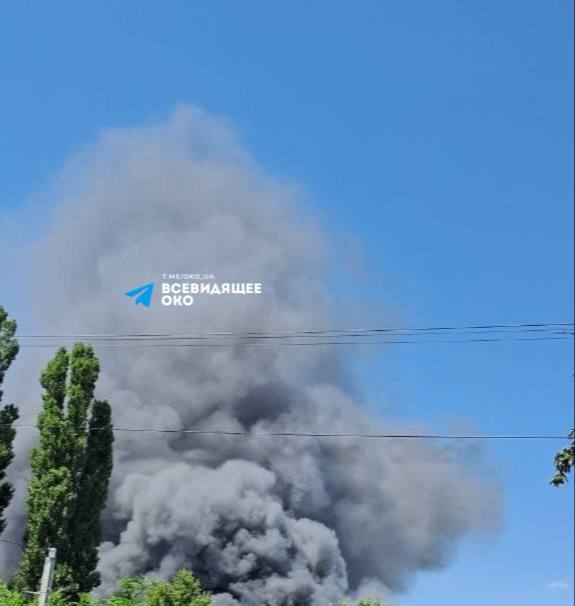
Later in the afternoon, Russian forces employed guided air‑dropped bombs against logistics warehouses in Pavlograd, Dnipropetrovsk Oblast. The strike, reported by intelslava (source URL: https://t.me/intelslava/92172), produced heavy smoke over the city and damaged storage facilities belonging to a private logistics company. The use of guided munitions suggests a focus on disrupting supply lines supporting frontline units.
Ukrainian Counter‑Drone Operations in Zaporizhzhia
Ukrainian mid‑range attack drones, operated by the 59th Assault Brigade “Signum,” successfully struck Russian logistics transports in Zaporizhzhia Oblast. The operation, shared by the channel monitor_the_situation (source URL: https://t.me/monitor_the_situation/27097), demonstrates Ukraine’s growing capability to employ armed UAVs against enemy supply chains.
"Ukrainian Drones Strike Russian Transports in Zaporizhzhia Oblast," the post read.
The drones, likely of the Bayraktar TB2 or similar class, delivered precision strikes on convoys, temporarily halting movement along key routes.
Russian Air Defenses Intercept Ukrainian Drones in Kherson
At 10:02 UTC, the 50th Separate "Varyag" UAV Brigade of the Russian Aerospace Forces shot down multiple Ukrainian drones over Kherson Oblast. The engagement, captured by intelslava (source URL: https://t.me/intelslava/92161), highlights the contested airspace in the southern theater and the effectiveness of Russian short‑range air‑defense systems.
Ground Movements: Ukrainian Advances in Donetsk and Zaporizhzhia
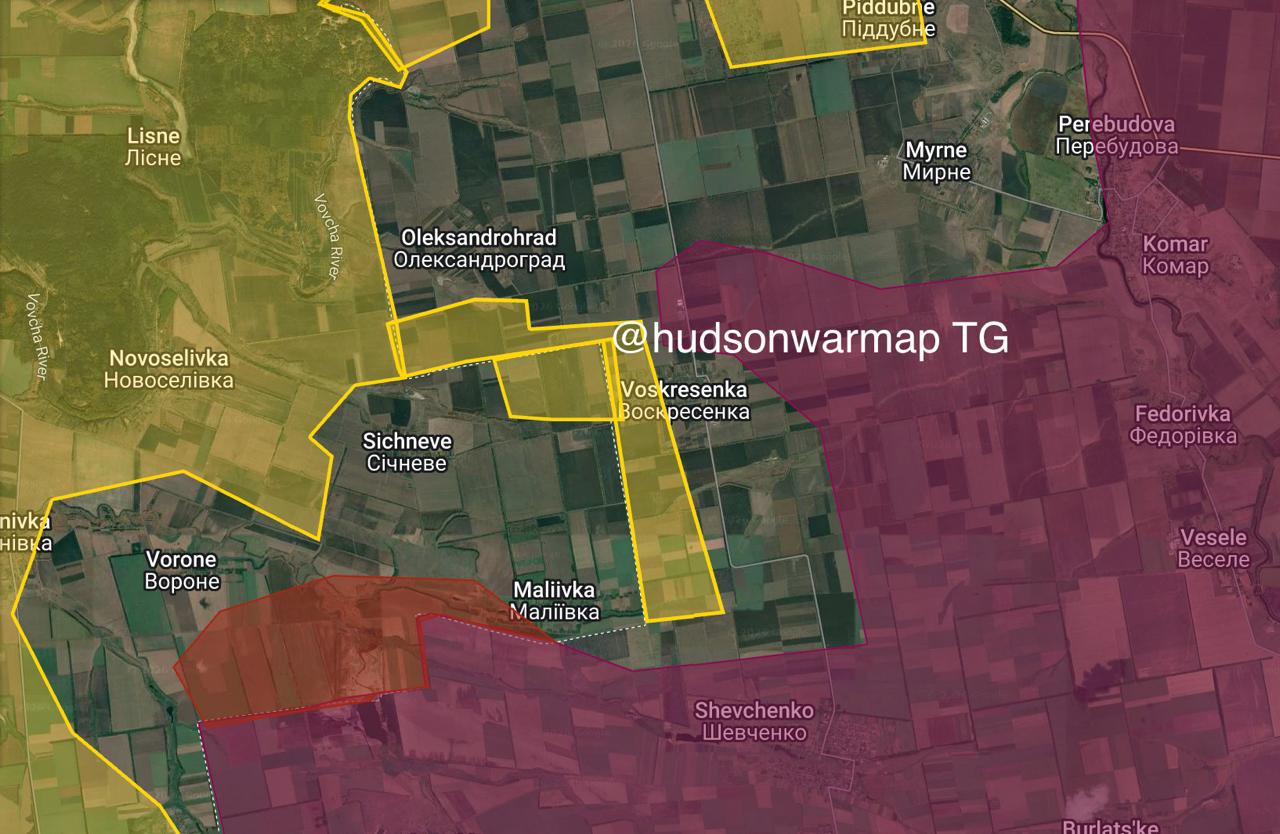
Satellite imagery and field reports indicate two concurrent Ukrainian ground actions. In the south‑donetsk direction, Ukrainian forces advanced toward the village of Shevchenko, bypassing Voskresenka and threatening to encircle Russian units in Sichneve and Maliivka. The maneuver, reported by rnintel (source URL: https://t.me/rnintel/65342), also creates a potential encirclement risk for Ukrainian troops between Oleksandrohrad and Sichneve.
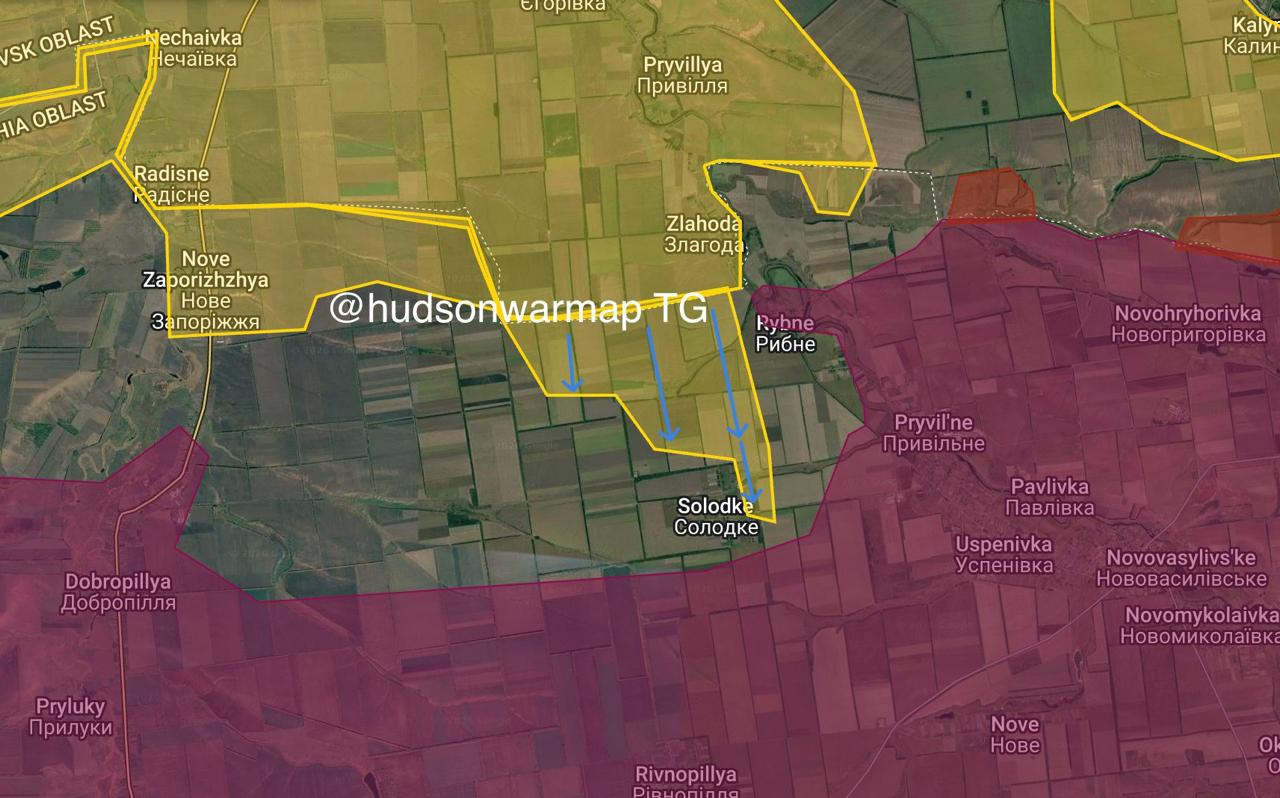
Simultaneously, Ukrainian units launched a counter‑attack on the village of Solodke in Zaporizhzhia Oblast. Russian glide bomb strikes were observed northeast and east of Solodke, indicating a Russian attempt to blunt the Ukrainian offensive west of Hulyaypole. The situation, also reported by rnintel (source URL: https://t.me/rnintel/65341), reflects a fluid front where both sides employ precision munitions to shape the battlefield.
Naval Incident off Odesa
A video released by intelslava (source URL: https://t.me/intelslava/92153) shows an attack on an unidentified ship off the coast of Odesa at 06:32 UTC. While details on the weapon system and casualties remain scarce, the incident underscores the continued maritime dimension of the conflict, with both sides capable of striking assets in the Black Sea corridor.
Collectively, the events of 6 August 2026 illustrate a day of heightened kinetic activity across multiple domains—air, land, and sea. Russian forces leveraged high‑precision glide bombs and large‑scale drone swarms to target transport infrastructure and logistics hubs, while Ukrainian forces responded with their own drone strikes and ground offensives aimed at disrupting Russian supply lines and reclaiming territory.