Critical Kyiv Missile and Drone Attack
At 16:42 UTC on 5 August 2026, Russian forces launched a combined ballistic missile and drone assault on Kyiv that killed 17 civilians and caused extensive damage in the capital. The attack employed multiple ballistic missiles followed by low‑altitude drones that struck residential districts and critical infrastructure. The Al Jazeera video feed confirmed the death toll and highlighted the scale of the strike, describing it as the most lethal Russian attack on Kyiv in 2026.
"At least 17 people were killed after Russia launched an overnight ballistic missile and drone attack on Kyiv," Al Jazeera reported.
Overnight Attack Earlier in Kyiv
Earlier that morning, at 06:57 UTC, an unverified Russian strike hit Kyiv, resulting in 15 civilian deaths and more than 50 injuries, according to the Telegram channel rnintel. The report did not specify the weapons used, but the casualty figures underscore a pattern of high‑intensity attacks on the capital within a twelve‑hour window.
High‑Intensity Bombardments in Kyiv Oblast
Outside the capital, Russian artillery and missile fire continued to inflict heavy losses. In Brovary, a town east of Kyiv, an intense bombardment of a train station at 16:29 UTC killed eight civilians (monitor_the_situation). The same day, at 08:15 UTC, a massive missile and drone barrage destroyed a Rozetka warehouse in Brovary, employing four anti‑ship missiles, 24 ballistic missiles, and 115 drones (monitor_the_situation). In Kvitneve, Kyiv Oblast, a cluster‑munitions strike killed multiple passengers waiting for a train (monitor_the_situation). These coordinated attacks demonstrate a systematic targeting of transportation hubs and commercial facilities.
Escalation of Ballistic Missile Use
Intelslava documented that Russian forces fired 51 ballistic missiles at Kyiv and surrounding areas since the start of August, including Iskander‑M, S‑400, KN‑23, and eight Zircon hypersonic missiles. Only one Iskander‑M was intercepted, indicating limited effectiveness of Ukrainian air‑defence systems against the current missile mix. Video evidence showed six Iskander‑M missiles launched from Bryansk Oblast toward Kyiv at 09:50 UTC (intelslava). The sheer volume and variety of missiles reflect a strategic shift toward saturation attacks designed to overwhelm defensive assets.
Ukrainian Counter‑Kinetic Operations
Ukrainian forces responded with a series of UAV and precision strikes. Between 4‑5 August, Ukraine’s Unmanned Systems Forces hit 13 energy facilities in occupied southern Ukraine, targeting substations and a gas station (monitor_the_situation). Geran‑5 kamikaze drones deployed by the 50th Separate Mechanized Brigade destroyed a logistics centre in Novhorod‑Siverskyi and a gas compressor station in Zhabky (intelslava). Additionally, Ukrainian MiG‑29 fighters struck Russian drone‑operator positions in Soledar, Donetsk Oblast (monitor_the_situation). These actions illustrate Ukraine’s continued capability to conduct kinetic operations despite the intensity of Russian attacks.
Regional Context of Maritime and Cross‑Border Threats
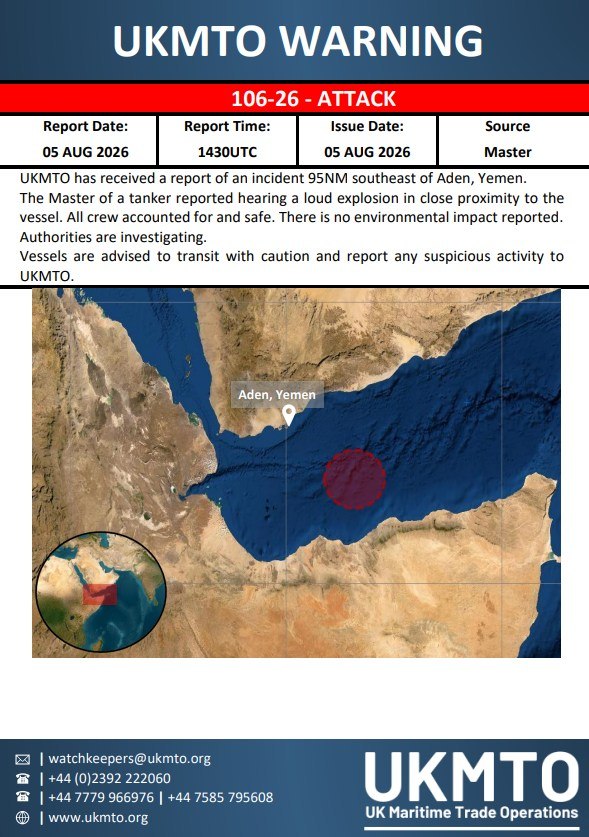
While the focus of today’s briefing is Ukraine, parallel kinetic events unfolded elsewhere. Houthi forces launched ballistic missiles at Saudi tankers near Yanbu and sank a vessel in the Bab el‑Mandeb Strait (monitor_the_situation). A Saudi‑linked vessel was hit by a Houthi drone boat in the same strait (monitor_the_situation). Although not directly linked to the Ukrainian front, these maritime strikes underscore the broader multi‑theater kinetic environment affecting regional security.