On the morning of 5 August 2026, a coordinated rocket barrage struck Ukraine’s capital, Kyiv, killing at least fourteen civilians and wounding twenty‑seven others. The attack, reported by the open‑source monitoring channel GeoPWatch, represents the deadliest single‑day kinetic event in the country since the start of the year and underscores the heightened tempo of Russian long‑range strikes against urban centers.
Kyiv Capital Under Rocket Assault
The first strike hit a densely populated district of Kyiv at 05:01 local time. GeoPWatch confirmed that the explosions resulted in fourteen fatalities and twenty‑seven injuries, with emergency services overwhelmed by the scale of the damage. While the specific weapon system was not disclosed, the pattern of impact suggests the use of unguided rockets launched from artillery positions outside the city perimeter. The Ukrainian authorities’ rapid casualty reporting aligns with the channel’s earlier statement:
"Ukrainian authorities confirmed at least 14 people were killed and 27 injured during last night's round of strikes on Kyiv."(GeoPWatch, 05 Aug 2026, https://t.me/GeoPWatch/38177).
Additional Ballistic Missile Impact
Just over an hour later, Al Jazeera broadcast footage of a separate Russian ballistic missile impact in Kyiv that claimed at least one additional life. The missile, identified as a short‑range ballistic type, struck a residential block, causing a localized fire and further straining the city’s emergency response capacity. The report noted:
"At least one person has been killed after a Russian ballistic missile attack on Ukraine’s capital Wednesday morning."(Al Jazeera, 05 Aug 2026, https://www.aljazeera.com/video/newsfeed/2026/8/5/explosions-across-kyiv-as-russian-missiles-strike-ukraines-capital?traffic_source=rss).
Brovary Logistics Hubs Targeted
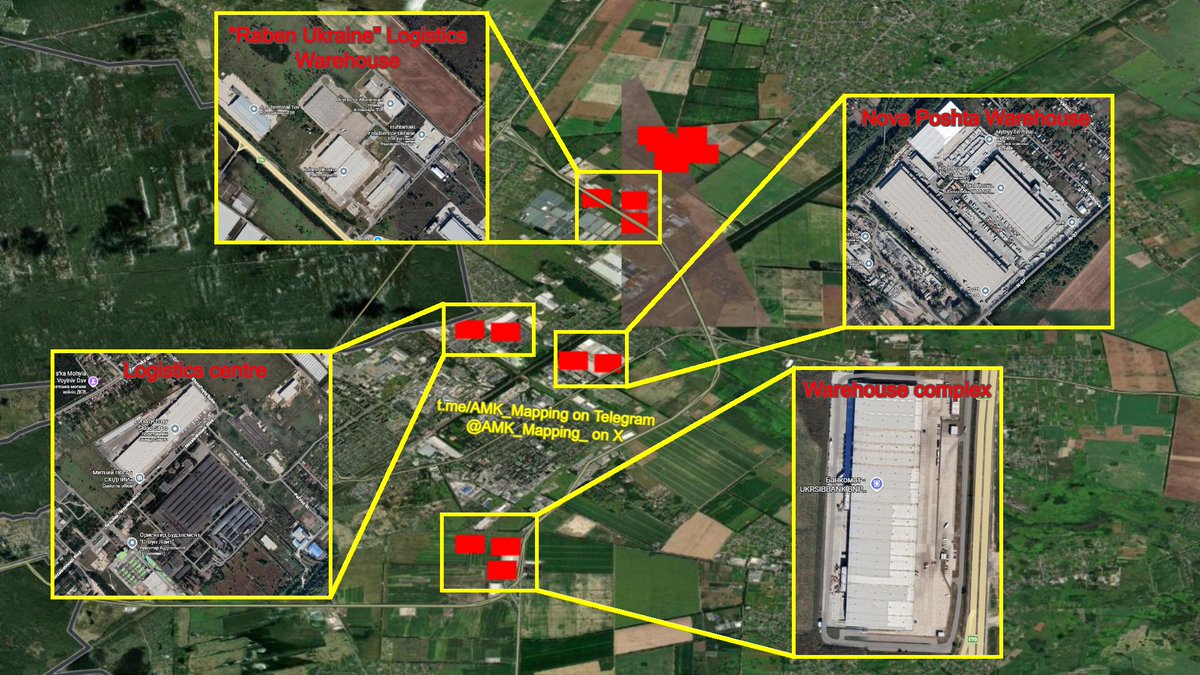
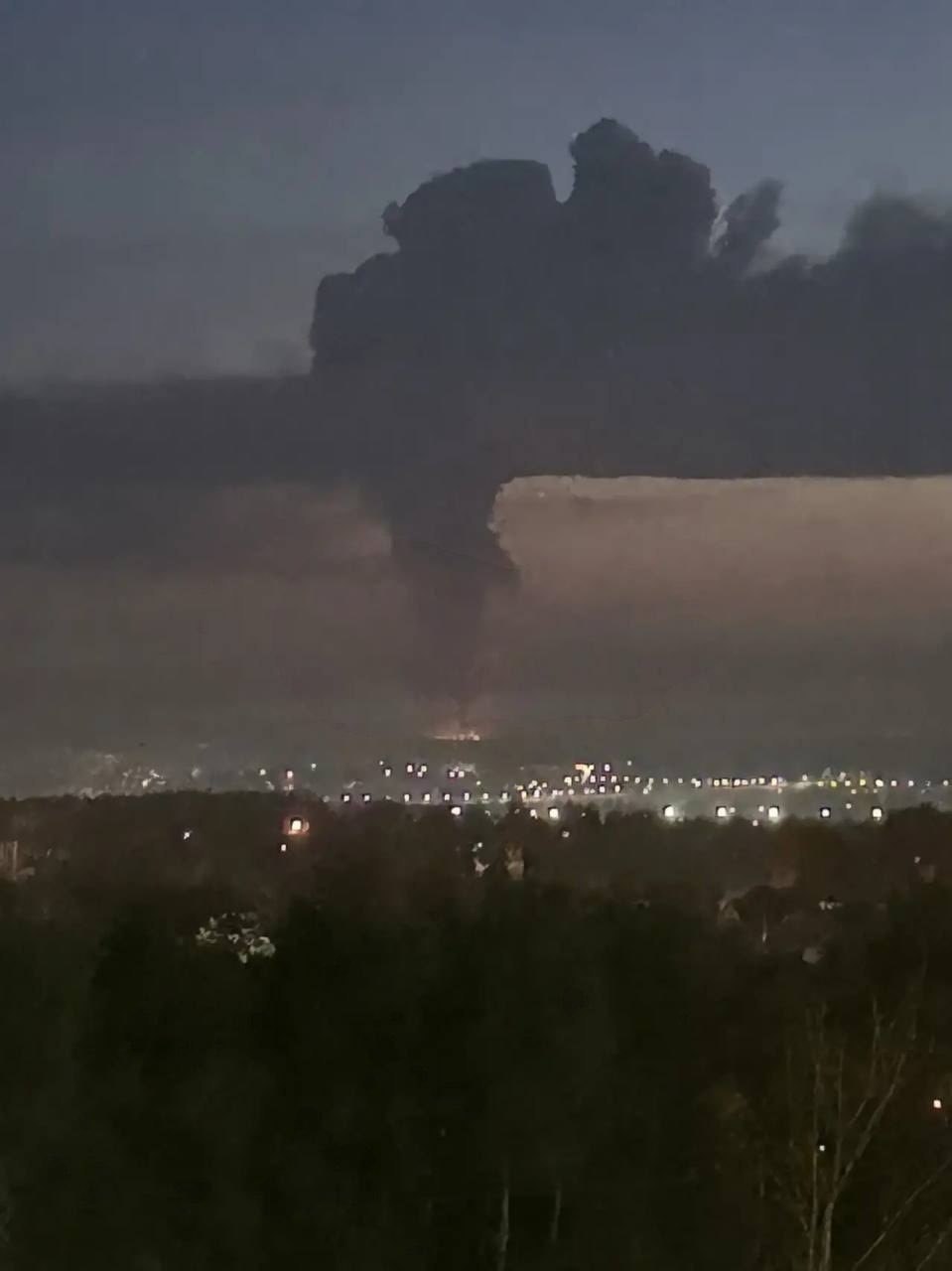
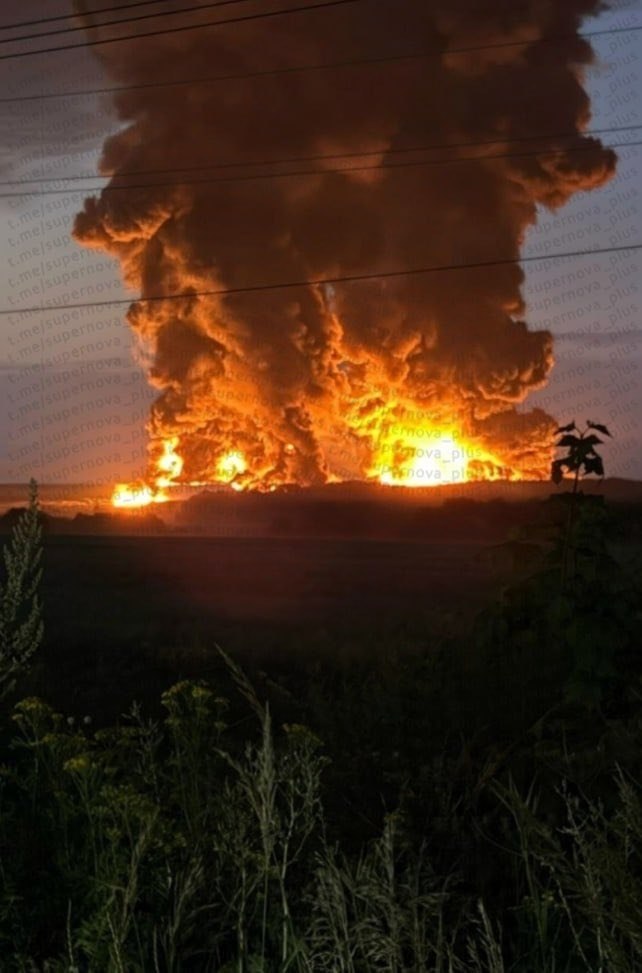
In the Kyiv Oblast city of Brovary, Russian forces deployed a combination of Iskander‑M short‑range ballistic missiles and hypersonic Zircon missiles against two major logistics facilities operated by Raben Ukraine and Nova Poshta. The strikes, reported by the Telegram channel monitor_the_situation at 02:46 UTC, ignited multiple large‑scale fires that engulfed warehouse roofs and damaged surrounding infrastructure. No immediate casualty figures were released, but the destruction of critical supply chain nodes is expected to disrupt humanitarian aid and commercial freight flows throughout the region.
According to the source:
"Iskander‑M and Zircon strikes hit Raben Ukraine and Nova Poshta logistics warehouses, sparking multiple large fires in the Kyiv Oblast city."(monitor_the_situation, 05 Aug 2026, https://t.me/monitor_the_situation/26963).
Other Confirmed Strikes and Casualties
GeoPWatch also logged a series of additional rocket attacks across Ukraine that resulted in at least twelve casualties, as confirmed by the Kyiv Military Administration. The precise locations of these strikes were not disclosed, but the cumulative effect adds to the growing daily toll of Russian kinetic operations.
Source excerpt:
"The Russian strikes on Ukraine caused at least 12 casualties, according to Kyiv's military administration."(GeoPWatch, 05 Aug 2026, https://t.me/GeoPWatch/38166).
North Korean Missile Unit Deployment
Separate OSINT reports indicate that North Korea has deployed a missile unit to Russia’s Voronezh Oblast, a strategic staging area for strikes directed at Ukrainian territory. Both OSINTdefender and monitor_the_situation confirmed the presence of North Korean missile assets in the region, suggesting an escalation in the level of foreign military support for Russian operations.
OSINTdefender noted:
"North Korea has deployed a missile unit to Russia's Voronezh region to aid strikes on Ukraine."(OSINTdefender, 05 Aug 2026, https://t.me/OSINTdefender/19700). Monitor_the_situation added that the unit is operating out of Moscow, further integrating Pyongyang’s capabilities with Russian command structures.
Ukrainian Drone Action in Russia
While the primary focus remains on kinetic events within Ukraine, a notable cross‑border incident was recorded by GeoPWatch at 01:13 UTC. Ukrainian‑operated drones targeted a Wildberries distribution center in Aleksin, Tula Oblast, Russia, igniting a fire that consumed the entire building. The attack demonstrates the expanding reach of Ukrainian unmanned aerial systems and adds a retaliatory dimension to the conflict’s kinetic landscape.
GeoPWatch reported:
"Ukrainian drones destroyed a Wildberries facility in Aleksin, Russia, causing the building to burn completely."(GeoPWatch, 05 Aug 2026, https://t.me/GeoPWatch/38167).
Analytical Assessment
The concentration of high‑impact rocket and missile strikes on Kyiv and its surrounding logistics hubs on 5 August reflects a deliberate Russian strategy to degrade both civilian morale and the logistical backbone supporting Ukrainian defense operations. The use of varied weapon systems—ranging from unguided rockets to precision‑guided Iskander‑M and hypersonic Zircon missiles—indicates a layered approach designed to overwhelm air‑defence assets and exploit gaps in early‑warning coverage.
Simultaneously, the reported deployment of North Korean missile units to Russian territory signals a deepening of external support for Moscow’s campaign, potentially expanding the range and sophistication of future strikes. While the exact operational status of these units remains opaque, their presence could enable the launch of additional short‑range ballistic missiles from within Russian borders, further complicating Ukrainian defensive planning.
Ukrainian drone incursions into Russian territory, exemplified by the Aleksin attack, illustrate a reciprocal escalation in kinetic tactics. Although the immediate impact on Russian industrial capacity is limited, the psychological effect of cross‑border strikes may influence Russian force posture and resource allocation.
Overall, the events of 5 August underscore a marked intensification of kinetic activity in the Ukrainian theater, with significant implications for civilian safety, infrastructure resilience, and the broader strategic calculus of both combatants.