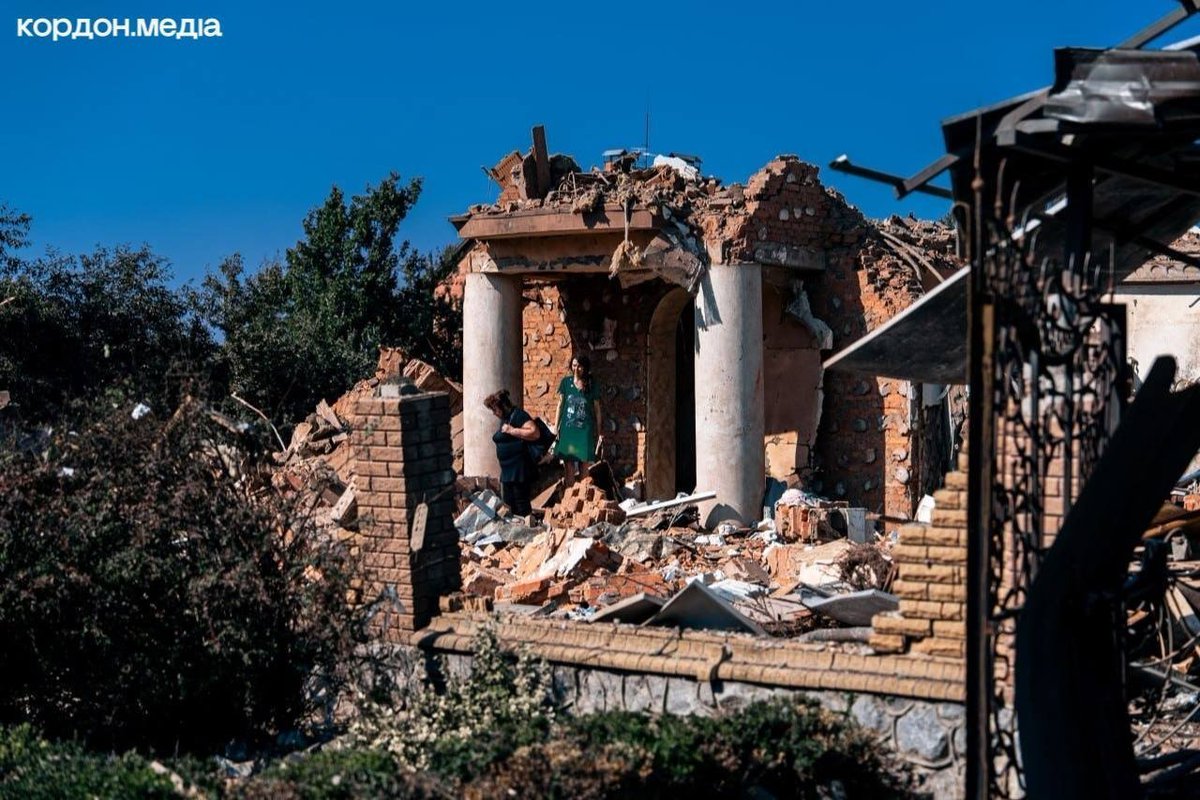
On August 3–4, coordinated rocket attacks on civilian infrastructure in Ukraine and Russia resulted in 17 civilian deaths and 170 injuries, according to a volunteer summary posted by the monitoring channel monitor_the_situation.
“Strikes Kill 17 Civilians in Ukraine and Russia”The strikes targeted power substations, water treatment facilities, and residential areas, though exact coordinates were not disclosed. The report, accompanied by a photograph of damaged infrastructure, underscores the growing vulnerability of civilian assets in the cross‑border conflict.
Assassination of a Russian aerospace official’s relative
A blast in Moscow killed Daniil Perediry, identified as the son‑in‑law of the Russian Aerospace Forces chief. The incident was reported by monitor_the_situation and corroborated by journalists citing official records.
“Son‑In‑Law of Russian Aerospace Forces Chief Killed in Moscow Blast”The weapon used was a bomb; no organization claimed responsibility. The death marks a rare high‑profile targeted killing within the Russian capital.
Ukrainian kamikaze drones strike Moscow oil refinery
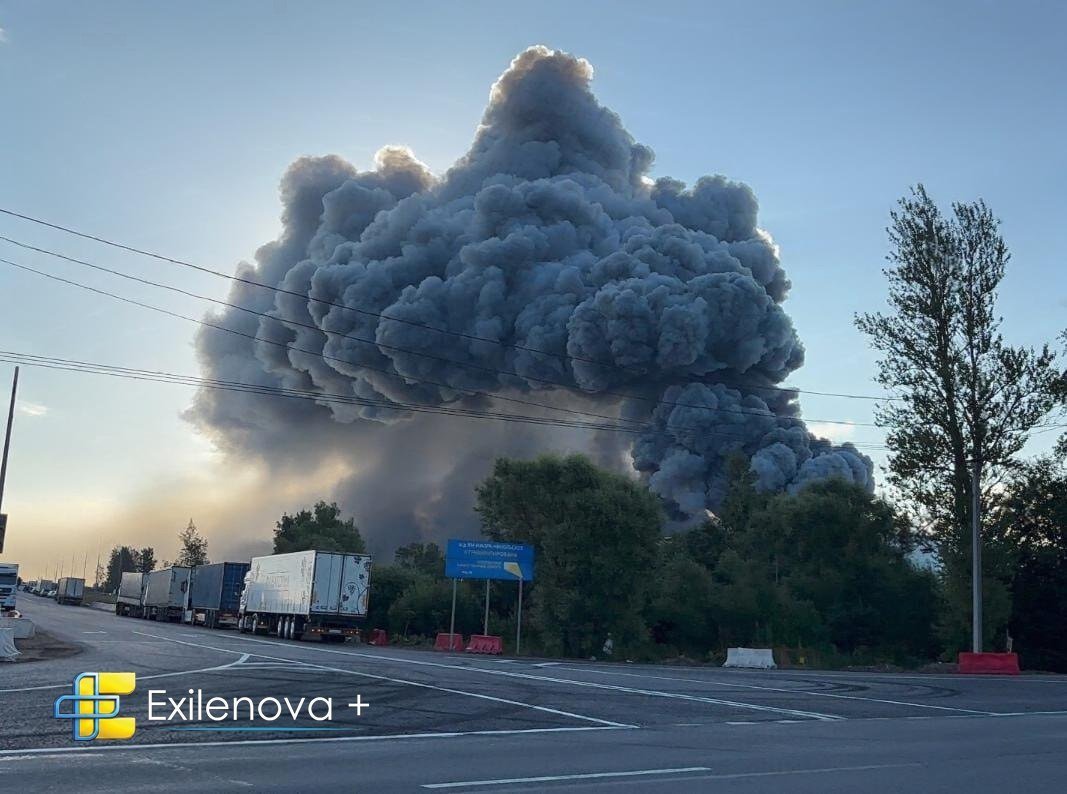
Long‑range kamikaze drones launched from Ukrainian‑controlled territory struck an oil refinery on the outskirts of Moscow, igniting a large fire and halting production. The attack was documented by video evidence shared on monitor_the_situation. No casualties were reported, but the facility’s output was temporarily suspended, highlighting the expanding reach of Ukrainian unmanned systems.
Russia’s intensive glide‑bomb campaign in July
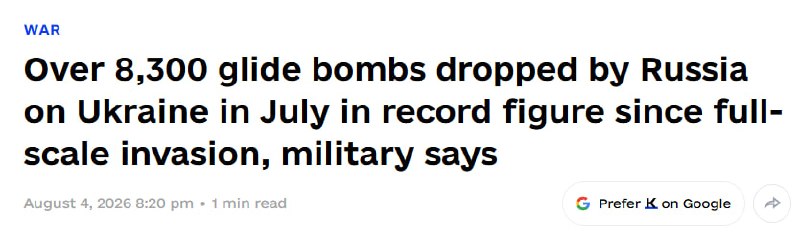
The Ukrainian General Staff disclosed that Russian forces deployed more than 8,300 glide‑bombs during July, averaging 268 per day. The data, posted on the CIG_telegram channel, included a photographic illustration of the weapon’s trajectory. While the report did not provide confirmed casualty figures, the sheer volume suggests a sustained kinetic pressure on Ukrainian defensive positions.
Russian missile and drone barrage in Ukraine
President Volodymyr Zelenskyy confirmed that Russian forces used 29 missiles and 115 drones in a single‑day assault that killed 17 Ukrainians. The statement was published by AlJazeera and referenced a broader pattern of attacks exploiting Ukraine’s limited missile‑intercept capability.
“Russian attacks kill 17, exploiting Ukraine’s lack of missile interceptors”
Iskander and Zircon missile strikes across Ukraine
Ukrainian media reported a night‑time barrage in which 24 Iskander ballistic missiles and four Zircon hypersonic missiles struck multiple targets without interception. The account, shared by intelslava, emphasized the complete failure of Ukraine’s air‑defence network during the episode.
Ukrainian drone attacks on Russian industrial sites
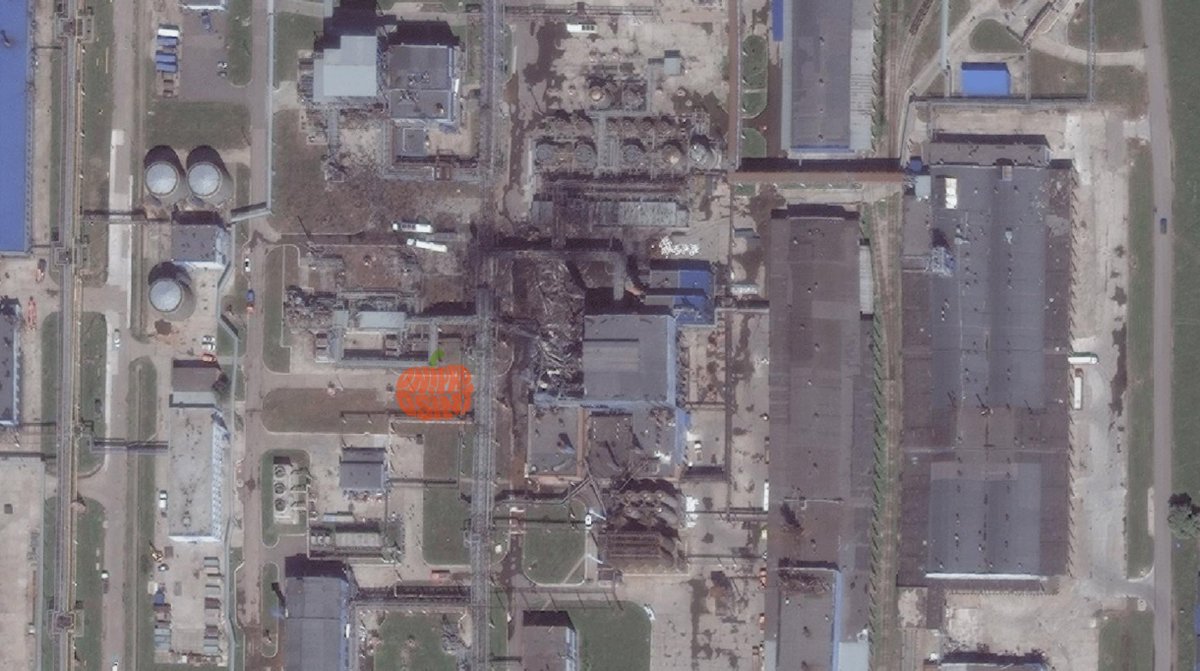
Several drone operations targeting Russian facilities were recorded in August. On July 31, a Ukrainian drone hit a workshop at a polystyrene plant in Nizhnekamsk, causing a hazardous‑material explosion, as reported by monitor_the_situation.
“Drone Attack Destroys Workshop at Polystyrene Plant in Nizhnekamsk”A separate strike damaged a Wildberries logistics complex in Krasny Bor, Leningrad Oblast, with photographic evidence posted by the same channel. Both incidents illustrate the use of low‑cost UAVs to disrupt supply chains and industrial production.
Drone‑related incidents over German airspace
Three separate events involving drones were reported over Germany on August 5. A DHL cargo plane encountered an unknown object, likely a drone equipped with a detonator, over Hanover, prompting an emergency landing; the incident was covered by the JPost.
“DHL plane hits unknown object over Germany, forcing unscheduled Hanover landing”In Leipzig/Halle Airport, a cargo aircraft collided with a suspected explosive drone, sustaining minor front‑section damage and leading to airport closure, as detailed by rnintel. Later, a modified drone was discovered near a Ukrainian Antonov An‑124 transport aircraft at the same airport, resulting in flight suspensions and an ongoing investigation, reported by monitor_the_situation. These events underscore heightened security concerns for civil aviation in Europe.
Collectively, the incidents documented on 5 August 2026 demonstrate an escalation in kinetic operations across multiple fronts, ranging from high‑intensity rocket and missile strikes on civilian infrastructure to targeted assassinations and the expanding use of unmanned aerial systems against strategic assets.