Across three distinct theaters on 4 August 2026, civilian infrastructure suffered severe blows and human casualties rose sharply, underscoring a broader pattern of violence that extends beyond traditional battlefields. The most lethal event was the ongoing humanitarian disaster from the 24 June earthquake, now confirmed at 6,125 deaths. Within hours, a separate incident in Haifa, Israel, left a 17‑year‑old in serious condition after a stabbing, while a drone‑delivered strike set fire to a major retail warehouse in Krasny Bor, St. Petersburg, disrupting supply chains and endangering workers. Each episode was reported by independent channels, providing verifiable details that illustrate the widening impact on civilian life.
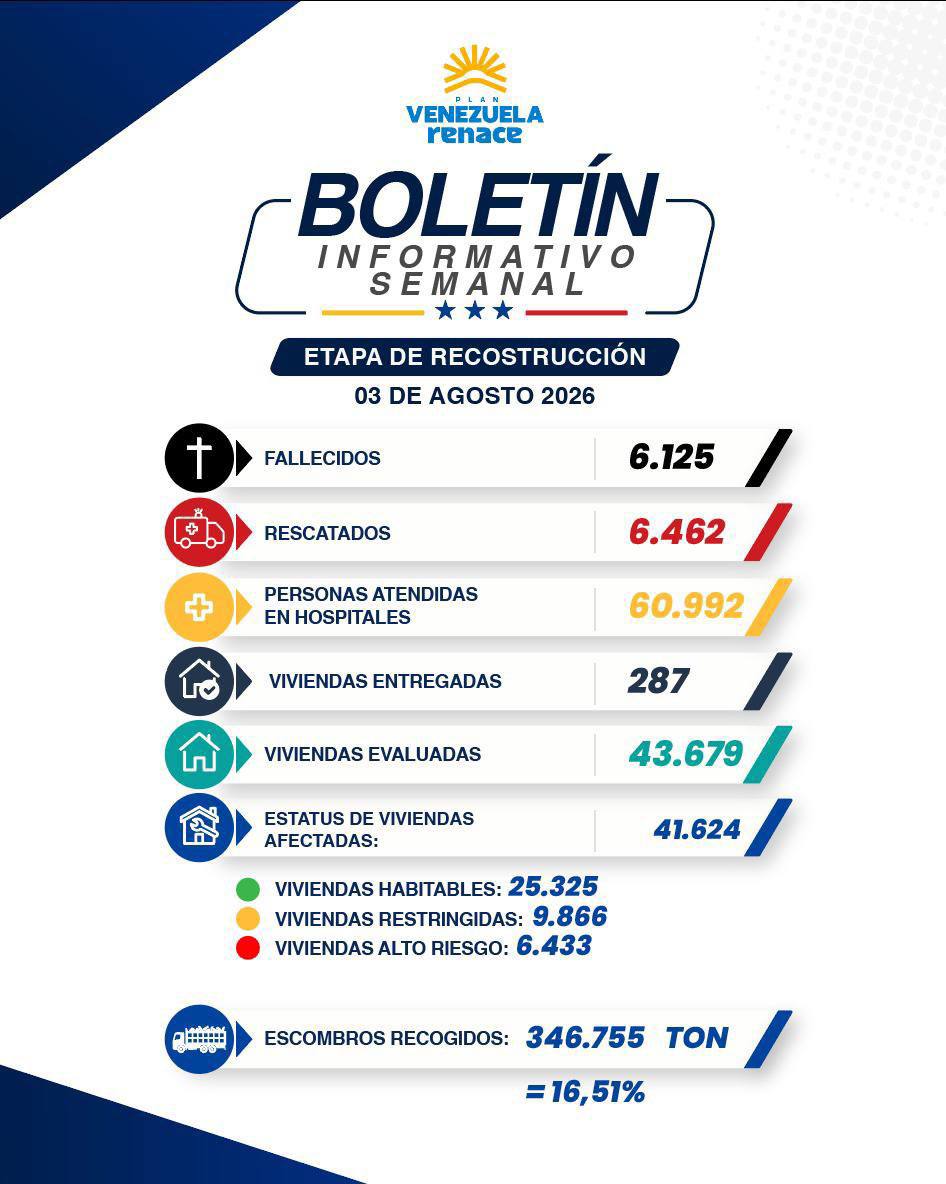
Earthquake Death Toll Reaches 6,125
The seismic event that struck on 24 June 2026 continues to claim lives, with the latest count released by the BellumActaNews channel at 03:59 UTC. The channel posted a concise update:
✝ Death Toll from the 24 June Earthquake rises to 6,125and attached a photograph of rescue operations. No weapons or armed groups are involved; the casualties stem solely from the natural disaster and the subsequent collapse of residential and commercial structures. The magnitude of the loss places the quake among the deadliest in the region’s recent history, overwhelming local medical facilities and prompting an international humanitarian response. The escalation of the death toll over two months reflects ongoing challenges in search‑and‑rescue efforts, after‑shock activity, and limited access to affected zones.
Stabbing of a 17‑Year‑Old in Haifa
At 02:59 UTC, the idkunim_il channel reported a violent incident in Haifa, Israel, where a 17‑year‑old male was stabbed and transported to a hospital in serious condition. The brief notice read:
A 17-year-old was stabbed in Haifa, his condition is serious.No weapon type, organization, or motive was disclosed, and the report did not attribute the act to any extremist group. The incident adds to a series of isolated attacks targeting civilians in urban centers, raising concerns about public safety and the capacity of local law‑enforcement to prevent random violence. While the casualty count remains low, the seriousness of the injury and the victim’s age highlight the vulnerability of non‑combatants in contested environments.
Drone Strike Ignites Wildberries Warehouse in Krasny Bor
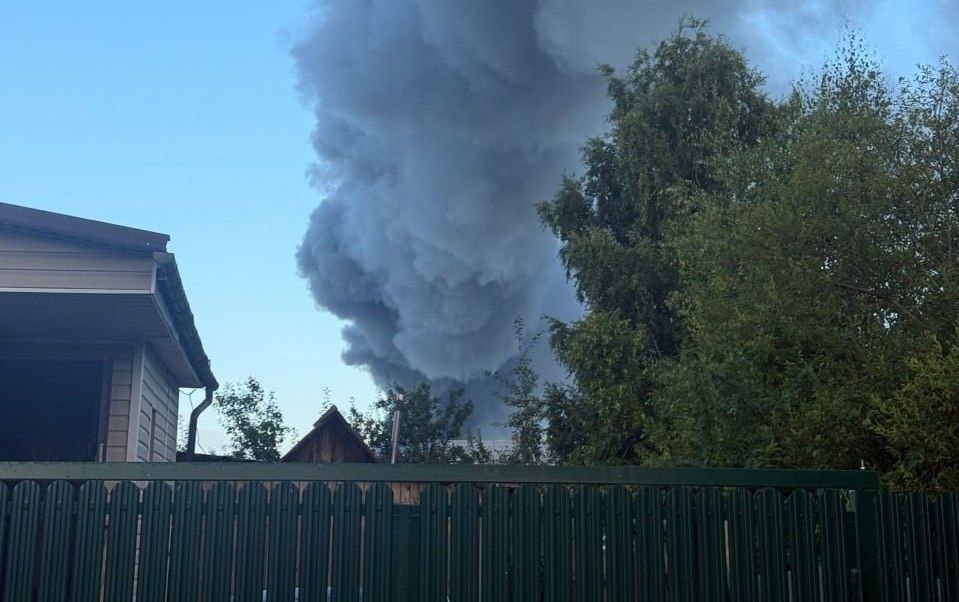
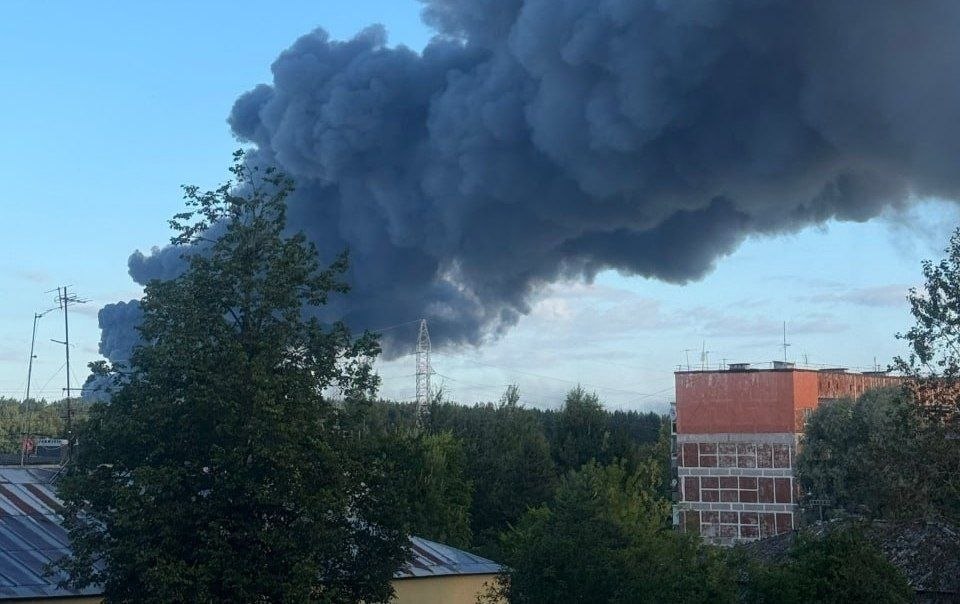
According to the intelslava channel at 04:47 UTC, an unmanned aerial vehicle (drone) struck a Wildberries distribution center in the Krasny Bor district of St. Petersburg, igniting a fire that threatened stored goods and nearby infrastructure. The channel’s post detailed:
A fire has broken out at a Wildberries warehouse in Krasny Bor (St. Petersburg) after being hit by a drone.Accompanying media included three items—photographs and video footage—showing flames engulfing the roof and emergency responders attempting containment. The weapon used was a drone, though the operator and affiliation were not identified. Wildberries, a major Russian e‑commerce retailer, reported temporary suspension of operations at the site, citing safety concerns for staff and potential supply‑chain disruptions. No civilian injuries were reported, but the incident illustrates the expanding use of low‑cost aerial platforms to target economic assets, thereby affecting civilian livelihoods.
Analytical Overview
The three events, while disparate in cause—natural disaster, personal violence, and drone warfare—share a common thread: civilian infrastructure and lives are increasingly exposed to harm. The earthquake’s death toll demonstrates how natural hazards can compound existing vulnerabilities, especially when emergency response capacities are strained. The Haifa stabbing, though isolated, reflects a persistent undercurrent of interpersonal violence that can erupt without warning, challenging urban security frameworks. The drone attack on the Wildberries warehouse signals a tactical shift where non‑military targets become focal points for hostile actions, leveraging inexpensive technology to inflict economic damage and create secondary humanitarian concerns. Collectively, these incidents underscore the necessity for integrated risk assessments that account for both natural and human‑made threats to civilian populations.