On 3 August 2026 a series of coordinated Ukrainian kinetic operations struck multiple targets in Russia’s Krasnodar Krai, resulting in the deadliest civilian toll of the year and notable material damage to Russian military assets and energy infrastructure. The most lethal incident occurred in the Black‑Sea resort city of Gelendzhik, where a rocket‑type strike killed six people, including three children, and injured forty others. The attack was reported by the open‑source channel Intelslava and underscores a marked escalation in cross‑border hostilities.
Gelendzhik Rocket Strike
At 12:02 UTC the city of Gelendzhik, a popular tourist destination on the Black Sea, was hit by a high‑explosive rocket launched from Ukrainian‑controlled territory. According to the Telegram post from Intelslava, the strike resulted in six fatalities, three of whom were children, and left forty civilians wounded. The source did not specify the exact weapon system, describing the event simply as a “Ukrainian strike.” The Russian regional governor confirmed the casualty figures in a brief statement, noting that emergency services were deployed to the affected neighborhoods and that the blast caused damage to residential buildings and a nearby school.
🇺🇦🇷🇺⚡️ — The number of people killed in the Ukrainian strike in Gelendzhik has risen to six, three of whom were children. 40 people were injured. @Intelslava
Key facts: six dead (including three children), forty injured, location Gelendzhik, Krasnodar Krai, weapon type unspecified, perpetrators attributed to Ukrainian forces, source Intelslava (https://t.me/intelslava/91957).
Ukrainian Drone Debris Kills Civilians on Gelendzhik Beach
Earlier that morning, at 10:20 UTC, Russian air defenses intercepted a Ukrainian‑launched drone over the coastal airspace near Gelendzhik. While the interception was successful, falling debris struck a crowded beach, killing three civilians and injuring thirteen. The incident was documented by the Telegram channel monitor_the_situation, which posted video footage of the debris impact and the subsequent rescue operations. Russian air defense units identified the aircraft as a reconnaissance‑type UAV, but the exact model was not disclosed.
🟠 **Ukrainian Drone Debris Hits Gelendzhik Beach, Killing 3** Russian air defense shoots down a Ukrainian drone near Gelendzhik, Krasnodar Krai; debris from downed drone strikes a crowded beach, killing at least 3 civilians and injuring 13 others. The regional governor confirms casualties from falling debris. 📍 Gelendzhik, Krasnodar Krai, Russia
Key facts: three civilian deaths, thirteen injuries, weapon drone, defending organization Russian air defense, attacking organization Ukrainian forces, source monitor_the_situation (https://t.me/monitor_the_situation/26847).
Kamikaze Drones Destroy Su‑35 Fighters at Khanskaya Air Base
At 10:27 UTC, Ukrainian intelligence operatives from the Security Service of Ukraine (SBU) deployed kamikaze drones against Khanskaya Air Base in the Maykop district of Krasnodar Krai. The drones struck two parked Su‑35 fighter jets, rendering them inoperable. Video evidence released by monitor_the_situation shows the impact and subsequent fire. No personnel casualties were reported, but the loss of two front‑line aircraft represents a material setback for the Russian Air Force.
Ukraine Strikes Khanskaya Air Base in Russia, Destroying Su‑35 Jets. SBU operators struck Khanskaya Air Base in Russia's Maykop district with kamikaze drones, destroying two Su‑35 fighter jets.
Key facts: two Su‑35 fighters destroyed, no human casualties reported, weapon kamikaze drones, attacking organization SBU, defending organization Russian Air Force, source monitor_the_situation (https://t.me/monitor_the_situation/26849).
Ukrainian Drones Damage Tamanneftegaz Oil Terminal
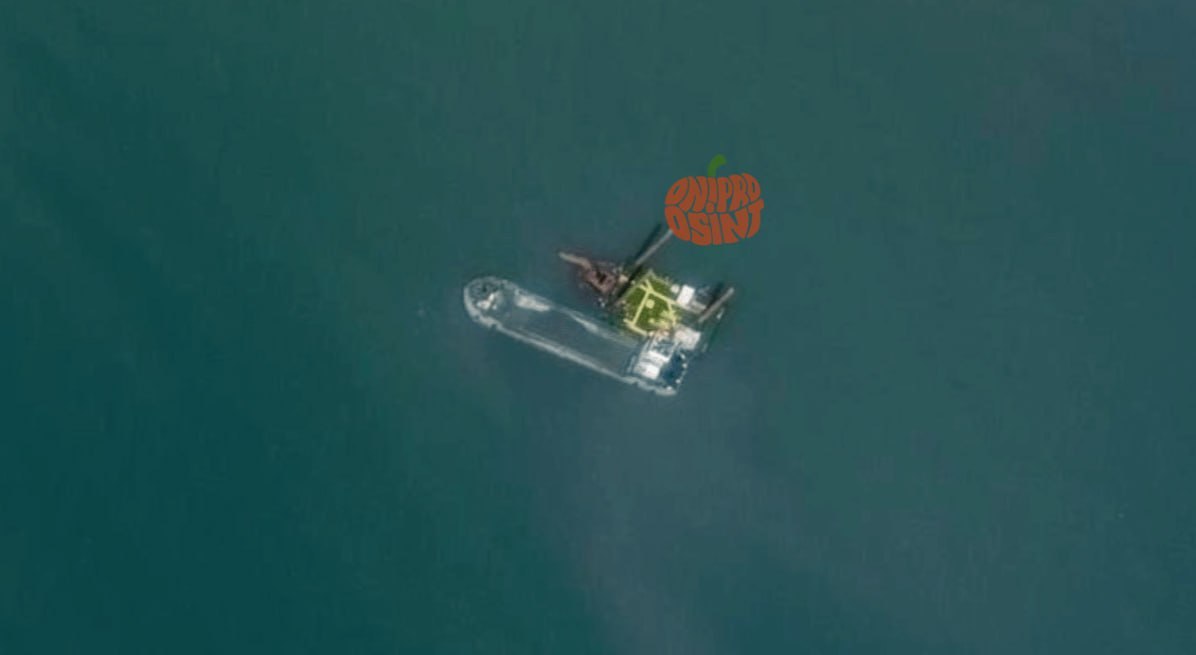
At 06:52 UTC, a swarm of Ukrainian drones targeted the Tamanneftegaz oil terminal in the port city of Taman, also within Krasnodar Krai. Satellite imagery and on‑site photographs released by the channel monitor_the_situation confirm the destruction of at least one storage tank, damage to adjacent pipelines, and impact on three vessels docked at the terminal. The incident disrupted oil handling operations and prompted an immediate safety shutdown of the affected facilities. No civilian or worker injuries were reported, but the economic impact on Russia’s energy export capacity is notable.
🟠 **Ukraine Strikes Taman Oil Terminal, Damages Tanks and Vessels** Satellite imagery confirms Ukrainian drone strike on Tamanneftegaz oil terminal in Taman, Russia, destroying at least one storage tank and damaging pipelines and three vessels. 📍 Taman, Russia
Key facts: one storage tank destroyed, pipelines damaged, three vessels impacted, weapon drone, attacking organization Ukrainian military, defending organization Tamanneftegaz, source monitor_the_situation (https://t.me/monitor_the_situation/26836).
Operational Assessment
The coordinated timing of the four incidents suggests a deliberate Ukrainian strategy to apply pressure on Russia’s southern coastal region, combining civilian‑targeted strikes with high‑value military and economic assets. The Gelendzhik rocket attack produced the highest civilian casualty count, marking a shift toward more lethal kinetic actions beyond the previously dominant missile and artillery exchanges. Simultaneously, the successful downing of a UAV over Gelendzhik demonstrates that Russian air defenses remain functional, yet the resulting debris caused unintended civilian harm, raising concerns about collateral damage in densely populated leisure zones.
The destruction of two Su‑35 fighters at Khanskaya Air Base illustrates the growing proficiency of Ukrainian SBU‑directed kamikaze drones against hardened air‑field targets. While the loss of two aircraft does not alter the overall balance of air power, it signals a vulnerability in Russian base security protocols, especially against low‑observable, high‑speed UAVs.
The Taman oil terminal strike underscores Ukraine’s expanding focus on economic infrastructure. By targeting storage capacity and maritime assets, Kyiv aims to erode Russia’s export revenue streams, a tactic that complements kinetic pressure on military installations.
Collectively, these events reflect an escalation in the diversity of Ukrainian strike methods—ranging from rockets and conventional drones to loitering munitions—while also highlighting the increasing civilian cost of the conflict on Russian territory. Monitoring agencies should track subsequent claims of responsibility, potential retaliatory measures, and any shifts in Russian defensive postures along the Black Sea coast.