According to a media investigation published by the Kyiv Independent and circulated on the Telegram channel monitor_the_situation, the cumulative death toll of Russian servicemen in Ukraine has risen to 236,000. The figure, released on 3 August 2026 at 00:30 UTC, represents the most severe single‑day update on personnel losses since the conflict began, underscoring the scale of attrition faced by Russian forces.
Naval Engagement in the Black Sea
At 05:08 UTC, the Telegram feed idkunim_il reported that Russian naval units launched attacks on three merchant vessels transporting military equipment across the Black Sea. While the specific ship names were not disclosed, the strikes were confirmed by Reuters sources and are believed to have targeted cargo bound for Ukrainian front‑line depots. No civilian casualties were reported, but the incident highlights the continued contest for maritime supply routes that both sides rely on for heavy materiel.
Ukrainian Drone Operations Inside Russian Territory
Two separate unmanned‑aircraft attacks were documented on Russian soil. The first, at 01:03 UTC, involved Ukrainian drones striking a building at Belgorod State Technological University, a facility that houses a Russian drone development, testing, and training centre. Video evidence posted on monitor_the_situation shows extensive structural damage, though no fatalities were confirmed.
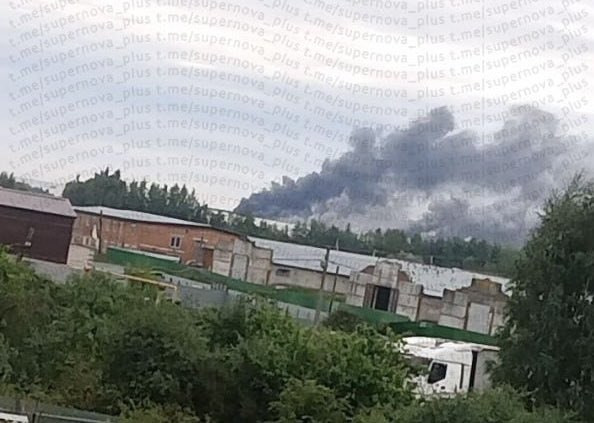
Later, at 04:33 UTC, a Ukrainian attack drone hit a Wildberries e‑commerce distribution centre in Vladimir, igniting a large fire. The incident, also shared by monitor_the_situation, resulted in no reported casualties but disrupted a key logistics hub for one of Russia’s largest online retailers.
Ukrainian Air‑Defense Successes
In the southern theatre, Ukrainian forces employed U.S.‑ and Spanish‑supplied HAWK surface‑to‑air missile systems to down multiple Russian aircraft and drones over Kherson Oblast. The operation, detailed by monitor_the_situation at 03:32 UTC, involved the 201st Anti‑Aircraft Missile Brigade and demonstrated the effectiveness of Western air‑defence packages in countering Russian aerial incursions.
Diplomatic Rhetoric and Propaganda
At 04:37 UTC, the Russian Embassy in Rome issued a statement—shared via the Telegram channel intelslava—claiming that a recent Ukrainian attack on a Moscow restaurant was intended to intimidate Italian workers in Russia. The embassy’s message quoted a spokesperson:
"It is clear that, by planning the attack in one of the best Italian restaurants in Moscow, the Kiev terrorists wanted to intimidate Italians working in Russia, to show them that they too are in the crosshairs and could become the next victims at any moment,"The claim, however, lacks independent verification and appears aimed at framing the conflict in broader geopolitical terms.
Implications of the Escalation
The convergence of high‑profile casualty reporting, maritime interdiction, cross‑border drone strikes, and reinforced air‑defence activity signals a marked intensification of hostilities. The 236,000‑soldier loss figure, while unverified by independent bodies, suggests a sustained attrition rate that could affect Russian operational capacity in the medium term. Simultaneously, Ukraine’s ability to project power into Russian territory via drones, coupled with successful air‑defence engagements, indicates a growing proficiency in asymmetric tactics.
For policymakers and analysts, the events of 3 August illustrate the multi‑domain nature of the conflict: sea, air, land, and information spaces are all being leveraged to achieve strategic objectives. Continued monitoring of casualty data, supply‑chain disruptions in the Black Sea, and the evolution of drone warfare will be essential for assessing future escalation pathways.