President Volodymyr Zelensky reported that Russian forces deployed 1,900 drones, 1,600 bombs and 144 missiles against Ukraine over the past week, striking more than 1,500 sites in sixteen regions. The statement, posted on the monitor_the_situation Telegram channel, underscores the scale of the kinetic pressure Ukraine continues to face.
"Russia used 1,900 drones, 1,600 bombs, 144 missiles in a week, hitting over 1,500 sites across 16 Ukrainian regions," Zelensky said, emphasizing the need for sustained defensive resilience.
Broad‑scale Russian aerial campaign
The reported figures align with a series of documented attacks on 2 August. In Kirovohrad Oblast, Russian missile and drone sorties penetrated Ukrainian air defenses, delivering ballistic and anti‑ship missiles that struck undisclosed targets. While Ukrainian systems intercepted many projectiles, the residual impacts demonstrate the persistence of long‑range strike capabilities.
Source: monitor_the_situation (Telegram), 2026‑08‑02T07:37:21.
Ukrainian counter‑drone operations
Ukraine’s unmanned‑air‑system (UAS) units intensified strikes on Russian logistical nodes. At 16:40:45 UTC, a Ukrainian FPV drone from the Phoenix regiment destroyed a Russian 2S5 Giatsint‑S self‑propelled gun near Balka Zhuravka in Luhansk Oblast. No casualties were reported, but the loss of a high‑value artillery system degrades Russian fire support in the sector.
Source: monitor_the_situation (Telegram), 2026‑08‑02T16:40:45.
Later that day, Ukrainian drones targeted a Russian fuel convoy departing Crimea, striking multiple fuel tankers and disrupting the supply chain for Russian forces stationed on the peninsula. Video evidence confirmed the attack, though casualty figures were not disclosed.
Source: monitor_the_situation (Telegram), 2026‑08‑02T17:27:15.
Additional drone activity focused on energy infrastructure. At 13:42:37 UTC, Ukrainian UAVs hit substations in Crimea, aiming to impair power distribution to Russian‑held areas. The strikes were part of a broader campaign to erode Russian operational endurance in occupied territories.
Source: monitor_the_situation (Telegram), 2026‑08‑02T13:42:37.
Russian ground advances and artillery use
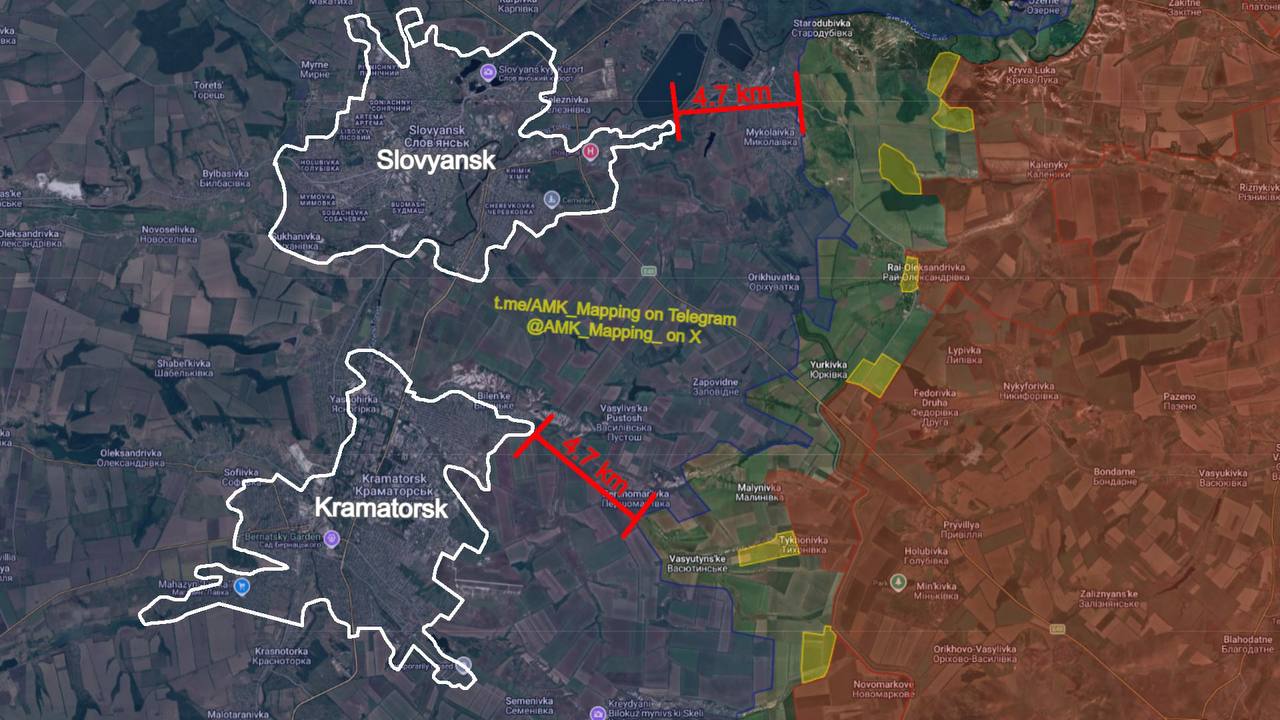
Ground‑movement reports indicate Russian assault groups closing to within 4.7 km of the eastern outskirts of Slavyansk and Kramatorsk. The advance, documented by CIG_telegram, involved KAB glide‑bombs, artillery, multiple‑launch rocket systems (MLRS) and drones, reflecting a combined‑arms push toward key urban centers in Donetsk Oblast.
Source: CIG_telegram (Telegram), 2026‑08‑02T11:26:03.
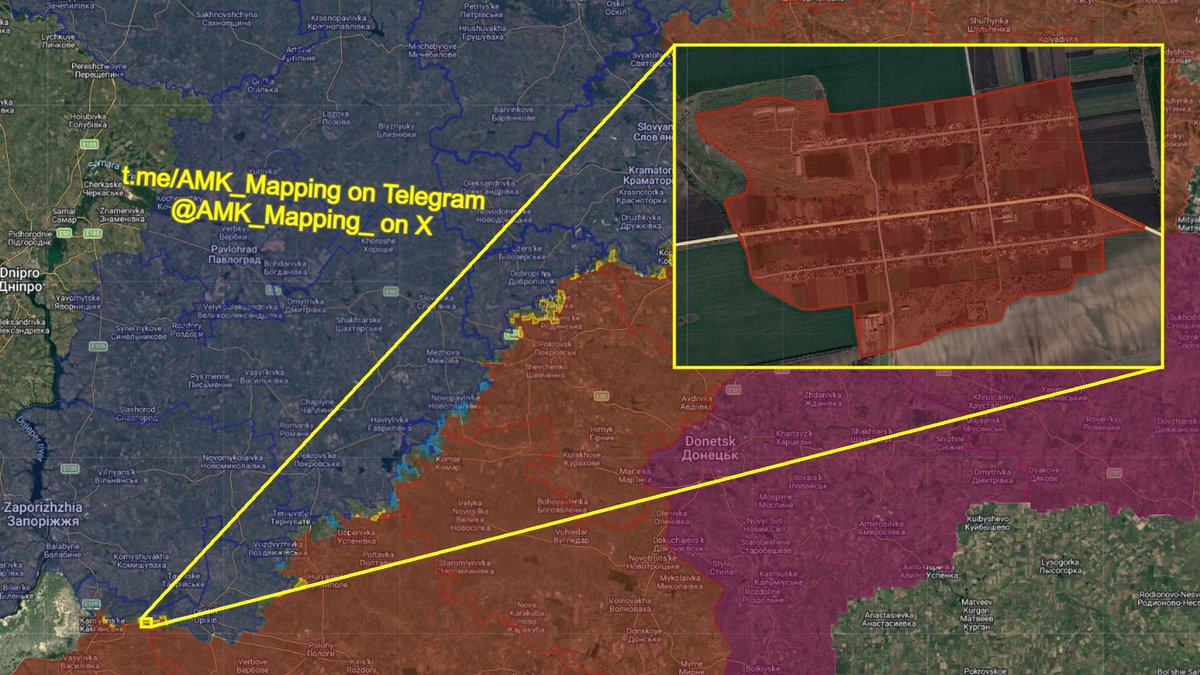
In Zaporizhzhia Oblast, Russian forces recaptured the village of Mali Shcherbaky after a month‑long battle, consolidating a foothold along the front line. Photographic evidence confirmed Russian control, though casualty numbers remain unverified.
Source: monitor_the_situation (Telegram), 2026‑08‑02T08:20:45.
Ukrainian defensive drone activity in occupied territories
Ukrainian UAVs continued to strike targets inside Russian‑occupied zones. At 07:37:18 UTC, a drone hit the Zuiv Thermal Power Plant in occupied Zuhres, Donetsk region, igniting a large fire that threatened regional energy supplies. No immediate civilian casualties were reported, but the incident illustrates the vulnerability of critical infrastructure in contested areas.
Source: monitor_the_situation (Telegram), 2026‑08‑02T07:37:18.
In Mykolaiv, Russian Geran‑4 kamikaze drones struck tugboats at the Black Sea Shipyard, damaging maritime assets but causing no reported loss of life.
Source: intelslava (Telegram), 2026‑08‑02T09:26:39.
Russian aerial presence over Ukrainian cities
Russian FPV drones were observed over Kramatorsk, targeting Ukrainian military vehicles while civilian cars remained parked on city streets. The persistent low‑altitude flights underscore the ongoing threat to mobility and logistics within urban environments.
Source: CIG_telegram (Telegram), 2026‑08‑02T11:37:02.
Assessment of kinetic trends
The convergence of high‑volume Russian aerial attacks and Ukrainian counter‑UAS operations signals an escalation in kinetic engagements across the Ukrainian theater. While Russian missile and drone sorties maintain pressure on strategic infrastructure and population centers, Ukrainian drone strikes focus on degrading Russian logistics, artillery, and energy assets. Ground movements near Slavyansk and Kramatorsk suggest a renewed Russian effort to exploit any gaps in Ukrainian defenses, though Ukrainian air defenses continue to intercept a substantial portion of incoming munitions.
Casualty data for most of the documented incidents remain limited, reflecting the fog of war and the rapid pace of engagements. However, the destruction of a 2S5 gun, the fire at Zuiv Power Plant, and the loss of tugboats indicate material attrition on both sides. The sustained intensity of Russian aerial bombardment, combined with Ukrainian drone offensives, points to a protracted kinetic contest where control of airspace and logistics will remain decisive.