The most consequential development on 2 August 2026 was an Israeli airstrike in the Gaza Strip that killed five civilians, occurring shortly after the United States announced a new Hamas disarmament plan. The strike, reported by Al Jazeera, underscores the volatility of the Gaza theatre even as diplomatic initiatives are introduced.
"Israel kills five in Gaza despite Trump’s Hamas disarmament plan" – Al Jazeera, 02 Aug 2026.
The operation targeted residential structures in an area of Gaza that had not been previously identified as a high‑risk zone, raising concerns about civilian protection protocols under international humanitarian law. No military assets were reported among the casualties.
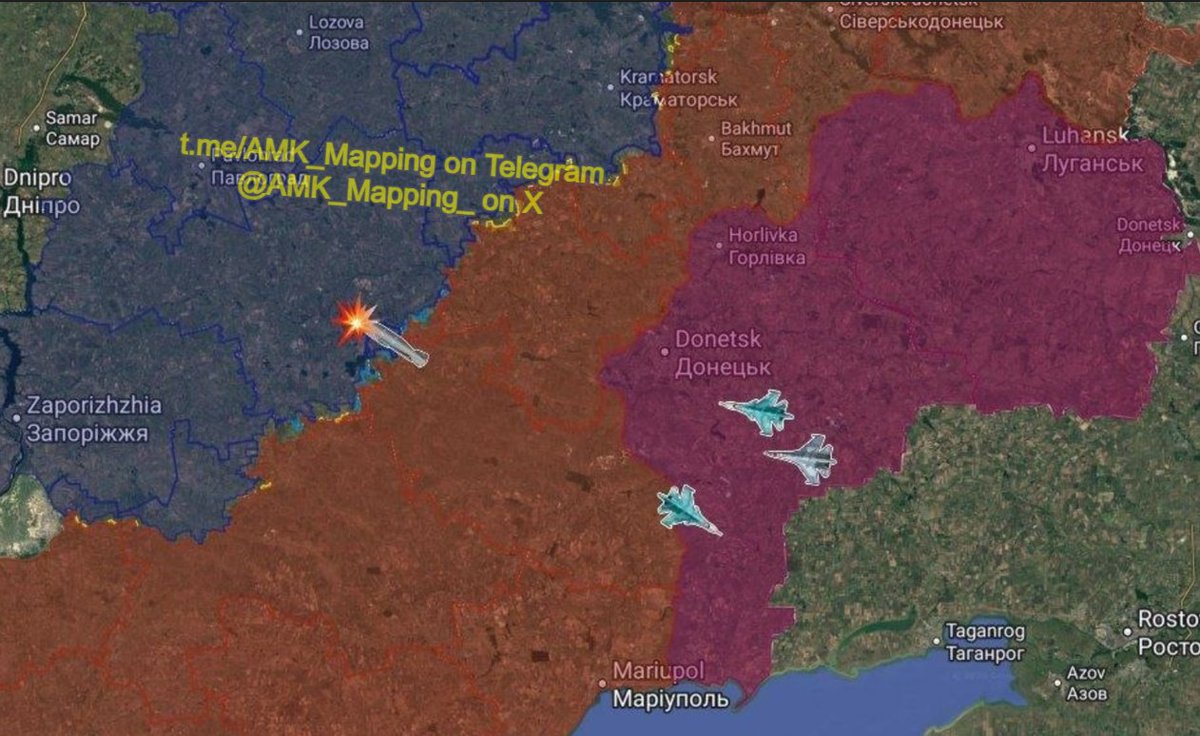
Russian Air Operations Over Donetsk Oblast
At 00:32 UTC, Russian Air Force Su‑34 fighter‑bombers deployed KAB glide bombs against undisclosed targets in Donetsk Oblast, Ukraine. The sortie was supported by Su‑35 fighters providing air cover, according to the Telegram channel monitor_the_situation. While casualty figures were not released, the use of precision glide munitions indicates a continued emphasis on striking infrastructure and logistics nodes within the occupied territories.
"Russian Su‑34 fighter‑bombers dropped KAB glide bombs on targets in Donetsk Oblast, Ukraine, with Su‑35s providing cover." – monitor_the_situation, 02 Aug 2026.
Strait of Hormuz LNG Tanker Incident
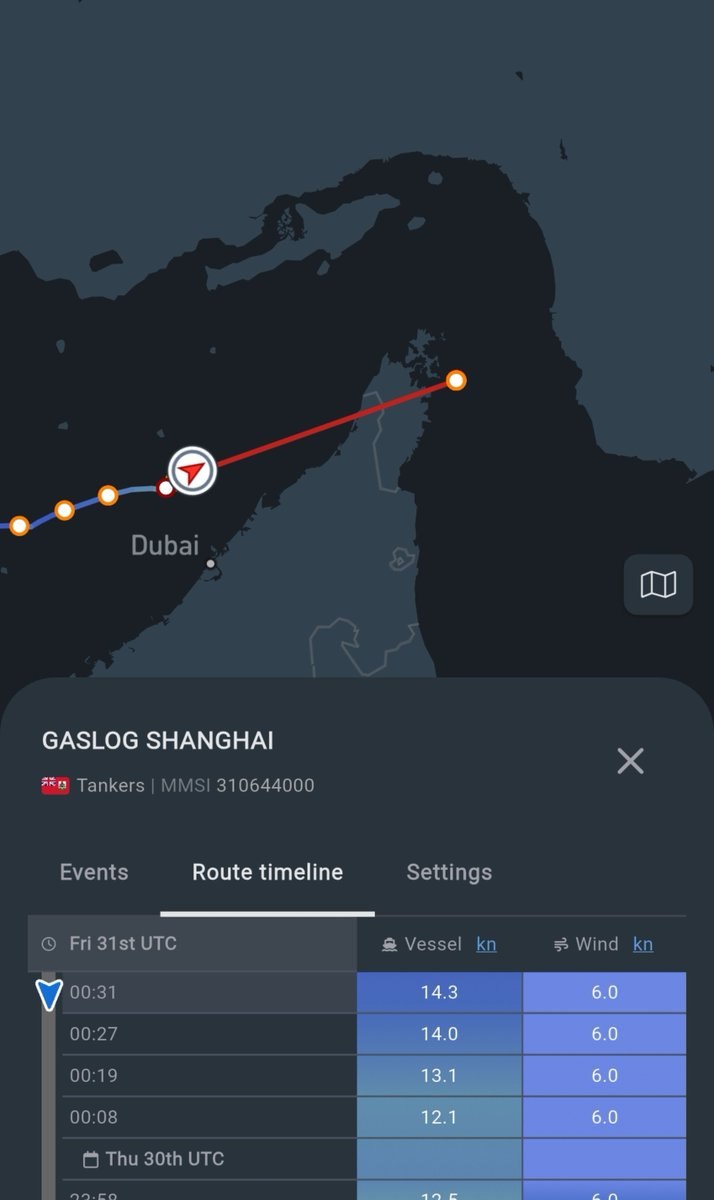
On 31 July, the Qatari‑registered LNG tanker Gaslog Shanghai was struck while under United States Navy escort in the Strait of Hormuz. The incident, reported by monitor_the_situation on 2 August, resulted in damage to the vessel but no immediate claims of responsibility or casualties. The tanker remains anchored for assessment, highlighting the persistent risk to commercial shipping in this strategic chokepoint.
"🟠 LNG Tanker Struck Under US Escort in Strait of Hormuz" – monitor_the_situation, 02 Aug 2026.
Ukrainian Drone Attack on Saratov Oil Refinery
At 01:50 UTC, Ukrainian‑operated drones ignited fires at the Saratov Oil Refinery in Saratov Oblast, Russia. The attack, documented by the Telegram channel intelslava, involved unmanned aerial systems delivering incendiary payloads. While the refinery’s operational status post‑attack has not been confirmed, the incident demonstrates Ukraine’s expanding use of UAVs to target Russian energy infrastructure.
"Fires broke out at Russia's Saratov Oil Refinery following a Ukrainian drone attack." – intelslava, 02 Aug 2026.
Collapse of Zatoka Bridge Span
Repeated Russian strikes on the Zatoka Bridge in Odesa Oblast culminated in the collapse of a northern span at 00:42 UTC. The bridge, a critical logistics corridor for Ukrainian supply lines, has been subjected to a variety of munitions, including Iskander ballistic missiles, Kh‑59MK2 cruise missiles, glide bombs equipped with UMPK kits, Geran‑2 loitering munitions, and unmanned surface vessels (USVs). The latest damage was captured on video shared by intelslava. The loss further hampers civilian and military movement across the Black Sea coast.
"As a result of the strikes on the bridge in Zatoka, Odesa Oblast, a span in the northern section of the bridge has finally collapsed." – intelslava, 02 Aug 2026.
Ukrainian Air Force Intercepts Massive UAV and Missile Wave
Ukrainian Air Force officials reported a high‑success interception operation on the night of 1 August, neutralizing 154 of 185 UAVs (83.2%) and destroying a range of missile threats, including one Iskander‑M/KM‑23 ballistic missile, one Kh‑59/69 air‑to‑surface missile, two Kh‑31P anti‑radar missiles, and four anti‑ship cruise/hypersonic missiles (Onyx and Zircon). The data, released by the Telegram channel CIG_telegram, reflects intensive aerial defense activity and suggests a sustained Russian effort to overwhelm Ukrainian air defenses.
"Defense Forces destroyed 154 of 185 strike, decoy, and reconnaissance UAVs... along with 1 of 27 Iskander-M/KM-23 ballistic missiles." – CIG_telegram, 02 Aug 2026.
Collectively, these incidents illustrate a pattern of escalatory actions across multiple domains—air, sea, and land—while diplomatic overtures, such as the U.S. Hamas disarmament proposal, have yet to translate into de‑escalation on the ground.