On 1 August 2026, a United States‑launched heavy air bomb struck a residential building in Iran, killing three civilians. Satellite imagery and expert analysis, reported by The New York Times and cited by the intelligence channel intelslava, confirmed the weapon weighed close to one tonne and that no military installation was present at the site. The strike, carried out in a densely populated urban area, marks the first confirmed use of a U.S. heavy air bomb on Iranian civilian infrastructure since the 2020 escalation.
“The United States used one of its most powerful air bombs, weighing nearly a ton, to strike a residential building in Iran, resulting in the deaths of three people.” – intelslava, 16:39 UTC, 1 Aug 2026
Russian missile and drone campaign against Ukraine
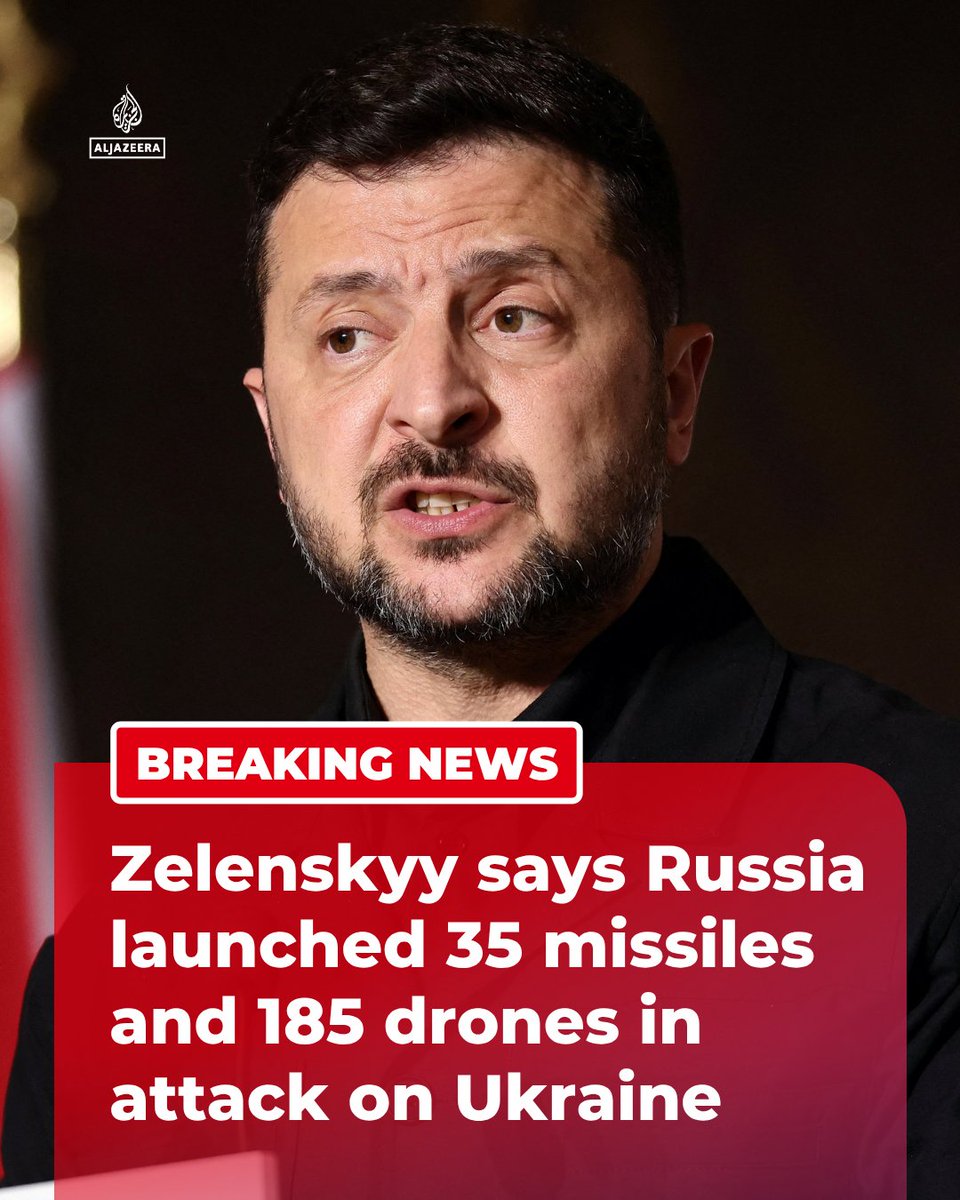
In the same 24‑hour period, Russian forces launched a coordinated offensive against Ukraine, deploying 35 missiles and 185 drones, according to the monitoring channel monitor_the_situation. Only one ballistic missile was intercepted by Ukrainian air defenses. The missile barrage, reported at 07:16 UTC, targeted multiple urban and logistical centers across the country, though specific damage assessments remain pending.
Later that afternoon, at 14:20 UTC, Russian missile attacks resulted in nine civilian deaths and more than thirty injuries, as reported by the BBC and relayed by rnintel. The strikes hit residential districts in an undisclosed Ukrainian city, underscoring the continued risk to non‑combatants in the ongoing conflict.
Targeted drone strikes on commercial sites
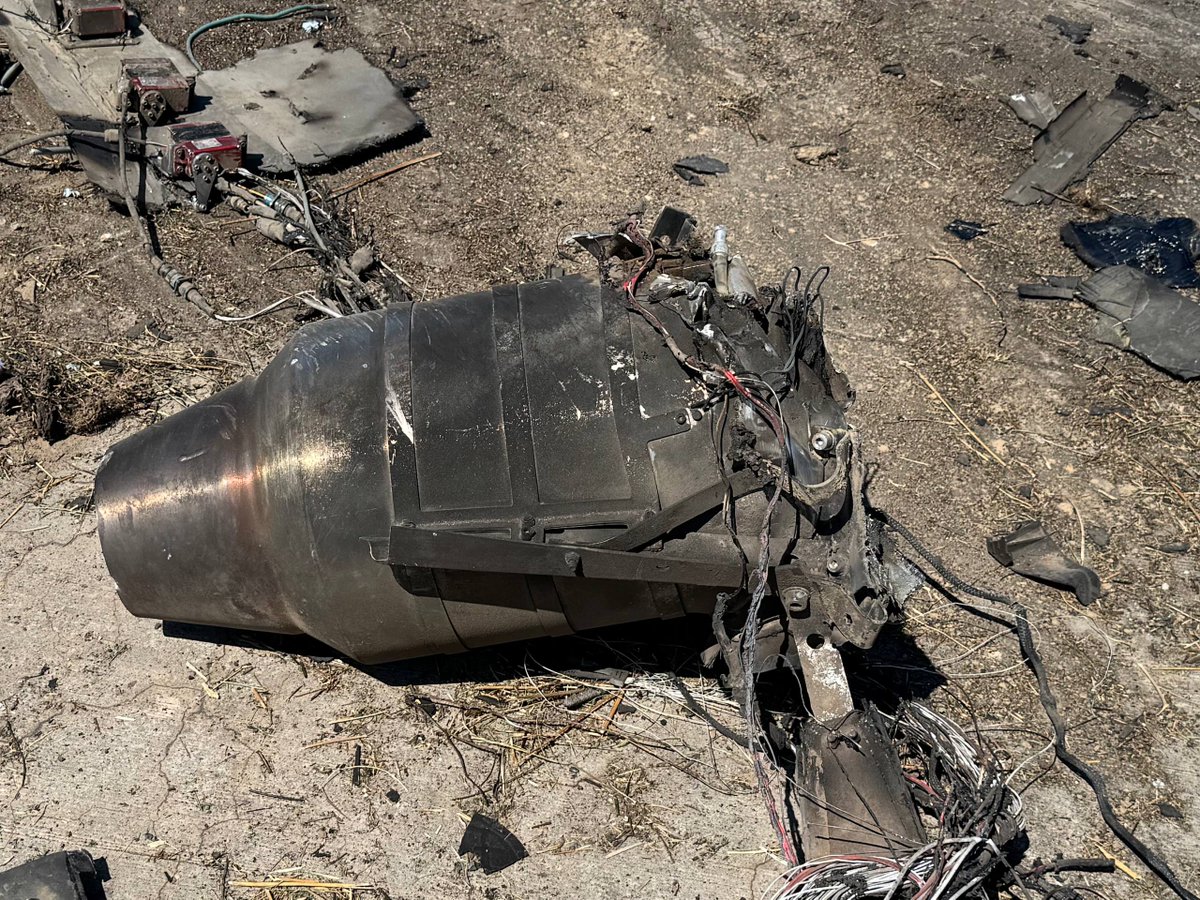
Two separate drone attacks on Ukrainian commercial facilities were documented on 1 August. At 14:22 UTC, a Russian‑manufactured Geran‑4 jet‑powered drone struck a Rozetka warehouse, killing one individual. The drone appeared to target parked minibuses rather than the warehouse itself, marking the second strike on a Rozetka site, according to monitor_the_situation.
Earlier, at 07:09 UTC, a drone attack generated smoke over the Wildberries logistics complex in Zelenodolsk, Tatarstan, Russia. A second drone narrowly missed an adjacent OZON warehouse. The incident was reported by the NOELreports channel and illustrates the expanding geographic scope of UAV operations.
Ukrainian aerial counter‑operations
Ukrainian special forces unit Omega employed Vampire heavy bombers against Russian positions at 08:07 UTC. Operators from the 1st Separate Special Purpose Detachment Omega delivered precision strikes that damaged fortifications and personnel, as shown in video footage shared by monitor_the_situation.
In July, Ukrainian drone activity intensified over the Moscow region. According to intelslava, more than 6,000 Ukrainian drones were launched toward the area, with 780 intercepted before reaching the capital. The high volume of sorties reflects Kyiv’s strategy of applying pressure on Russian heartland targets.
Israeli air‑defense readiness
At 17:07 UTC, the Israeli Air Force raised its national alert level and mobilized air‑defense systems across the country, as reported by intelslava. While no specific threat was identified, the move signals heightened vigilance amid regional tensions.
Broader operational trends
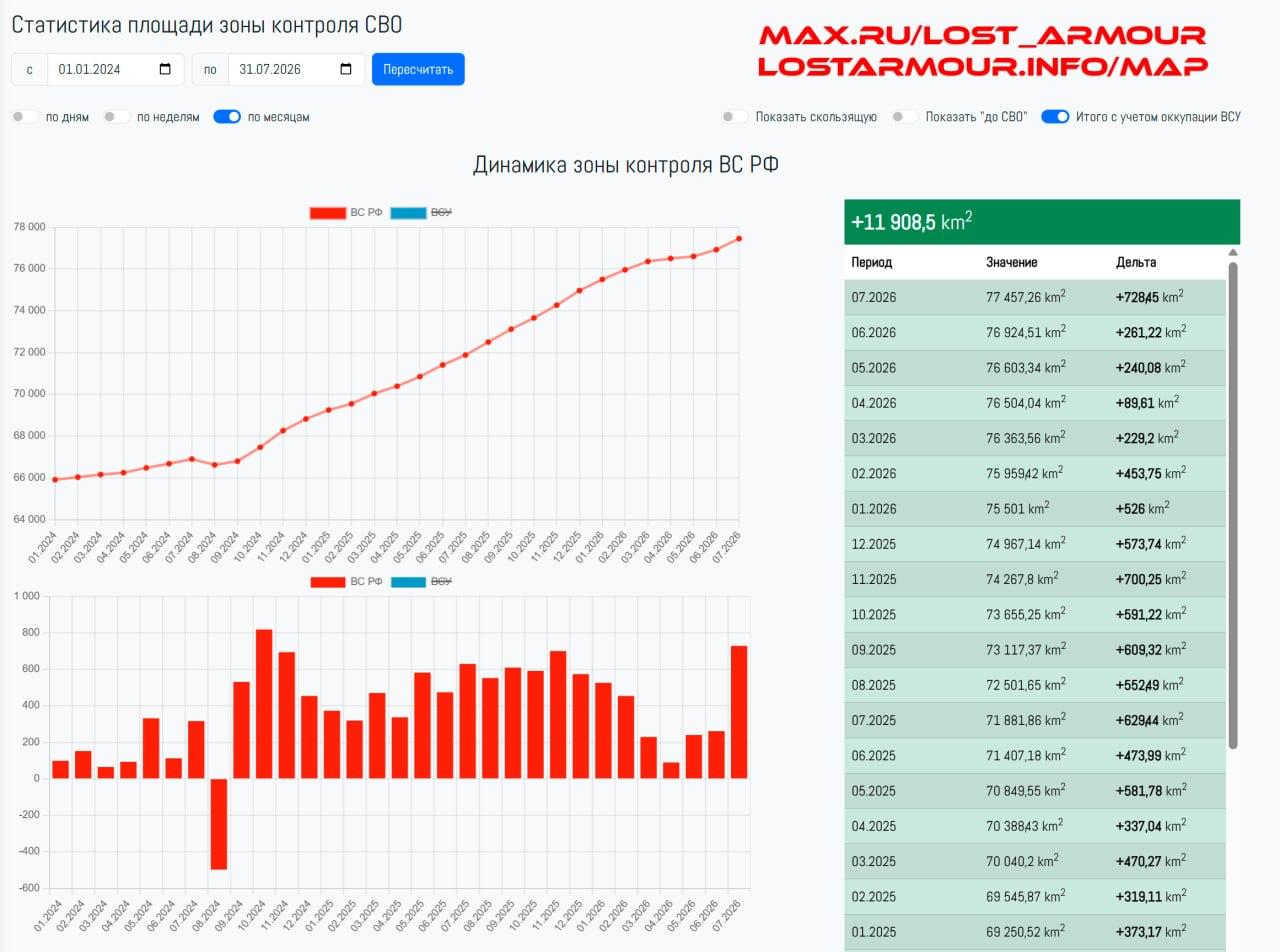
Data released by intelslava indicates that Russian forces liberated over 728 km² of Ukrainian territory in July 2026, the largest monthly gain since October 2024. This territorial advance coincides with a reported 340 % surge in attacks on Ukrainian gas stations in June, rising from 15 incidents in May to 66 in June, as recorded by the Center for Information Resilience.
Collectively, these events demonstrate a multi‑theater escalation involving conventional munitions, unmanned systems, and strategic signaling. The convergence of high‑intensity strikes, extensive drone deployments, and heightened air‑defense postures underscores the fluid risk environment across the Middle East and Eastern Europe.