On the night of August 1, Russian ballistic missiles struck Kyiv, killing nine civilians and wounding 27, including four children. The attack, reported by GeoPWatch, marked the deadliest single‑day civilian toll in the Ukrainian capital since the conflict began and underscored a renewed emphasis on long‑range precision weapons.
Ballistic Missile Assault on Kyiv
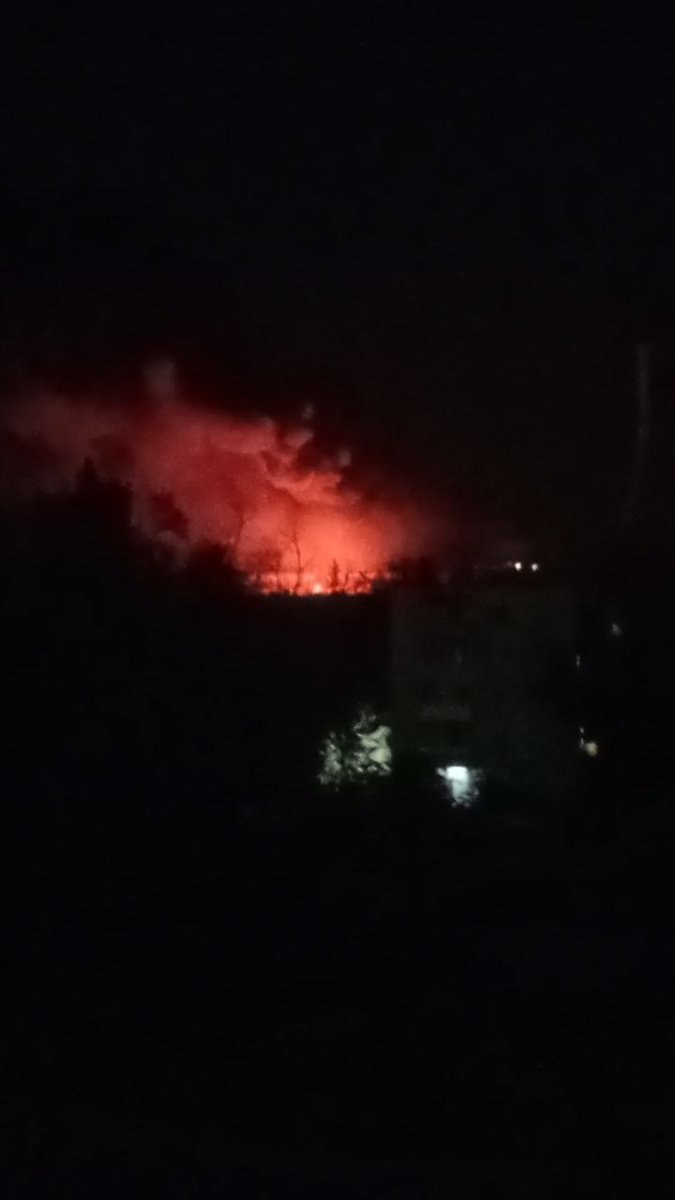
At approximately 02:30 UTC, multiple ballistic missiles entered Ukrainian airspace and impacted residential districts of Kyiv. According to GeoPWatch, the strike resulted in nine civilian deaths and 27 injuries, four of which were children. The weapons used were identified as Russian‑manufactured ballistic missiles, though the exact model was not disclosed. Ukrainian emergency services reported extensive damage to civilian infrastructure, and the city was enveloped in a dense smog caused by the explosions, as noted by intelslava.
"Ballistic missiles struck Kyiv overnight, killing nine people and leaving the city covered in smog," – intelslava, 2026‑08‑01T06:07:27.
Ukrainian air defenses engaged the incoming salvo, but the missiles penetrated the layered defense network, highlighting gaps in early‑warning and interception capabilities.
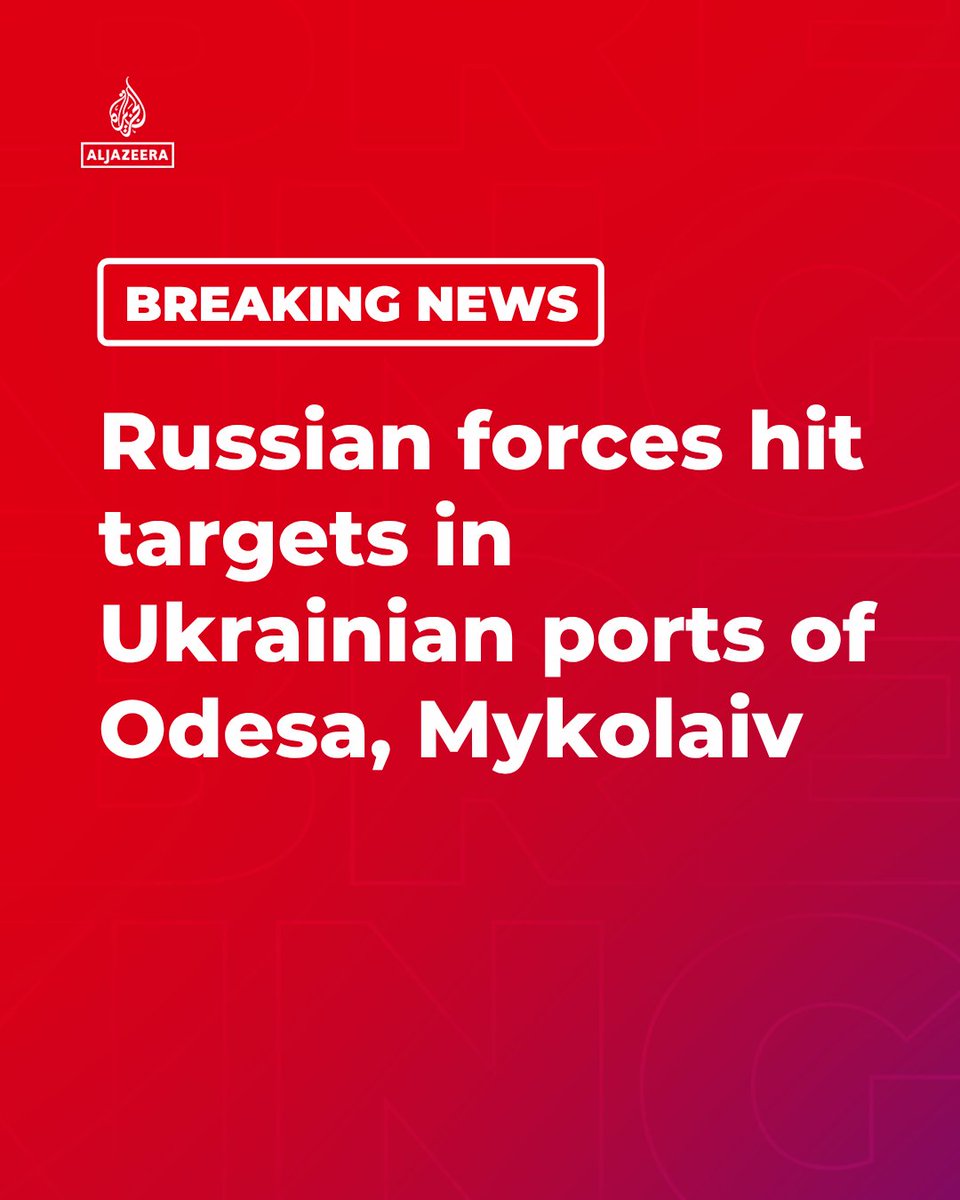
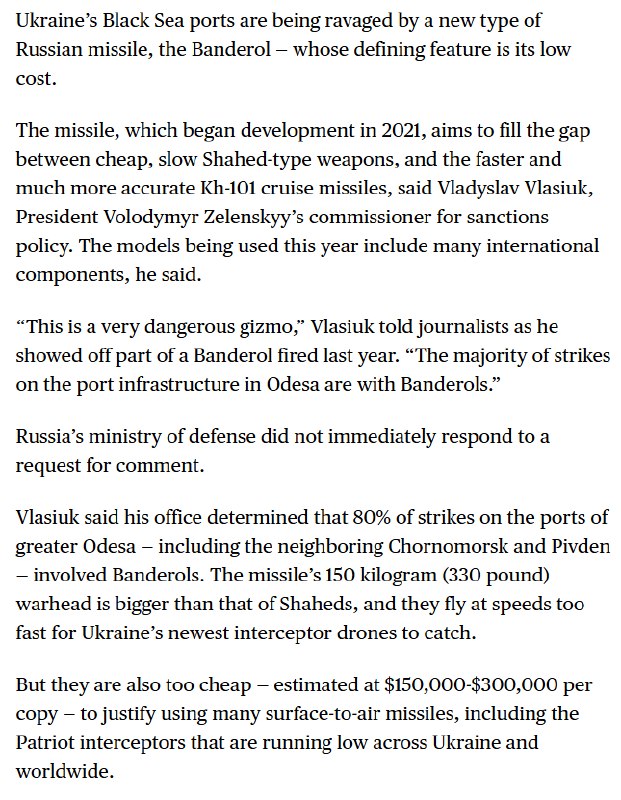
Odesa Port Targeted with Low‑Cost Banderol Missiles
Later that morning, Russian forces employed the newly fielded Banderol missile system against the strategic port of Odesa. Monitor_the_situation reported that the strikes focused on cargo handling facilities and fuel storage tanks, aiming to disrupt maritime logistics. The Banderol, described as a low‑cost, high‑precision missile, accounted for an estimated 80 % of recent port attacks according to a Russian official. No civilian casualties were confirmed, but the damage to port infrastructure is expected to hamper export flows.
Fuel Depot and Tugboat Attacks in Southern Ukraine
In a coordinated operation, Russian forces struck fuel depots in Odesa and a military tugboat in Mykolaiv. Monitor_the_situation documented the attacks, noting that the fuel tanks suffered significant damage, creating fire hazards and temporary fuel shortages for both civilian and military users. The tugboat, operating out of Mykolaiv, was hit while conducting a routine patrol, sustaining hull breaches that required emergency repairs.
Zaporizhzhia Nuclear Plant Power Loss
At Enerhodar, the Zaporizhzhia Nuclear Power Plant experienced its 23rd off‑site power outage of the war, forcing emergency diesel generators to activate. The International Atomic Energy Agency (IAEA) highlighted the incident as a growing safety concern, given the plant’s proximity to active frontlines. While no radiation release was reported, the repeated loss of external power underscores the plant’s vulnerability to kinetic actions.
Ukrainian Drone Campaigns Against Russian Assets
Ukraine’s unmanned aerial systems (UAS) continued to target Russian infrastructure across a wide geographic spectrum. Notable actions included:
- Kherson, Crimea: HUR drones destroyed a Russian Pantsir‑S1 air‑defence system, a Sargan patrol boat in Kerch, and a Forpost UAV station in Yevpatoria, inflicting over $20 million in material losses (monitor_the_situation, 2026‑08‑01T09:29:45).
- Kropyvnytskyi: The Phoenix Unmanned Systems Regiment employed a Bulava drone to strike a concealed Russian fuel tanker, igniting its cargo and disrupting supply lines (monitor_the_situation, 2026‑08‑01T07:09:32).
- Zuhres, Donetsk Oblast: Ukrainian drones hit an electrical substation in the occupied city, causing a large fire and temporary power outages (monitor_the_situation, 2026‑08‑01T07:28:08).
- Ufa, Bashkortostan, Russia: Drones attacked the Lukoil refinery in Volgograd and a refinery in Ufa, igniting fires and threatening regional fuel production (monitor_the_situation, 2026‑08‑01T07:09:40; monitor_the_situation, 2026‑08‑01T07:26:29).
These operations demonstrate Ukraine’s expanding UAS capabilities, including long‑range strike platforms capable of reaching deep into Russian territory.
Sea‑Drone Action in the Black Sea
Ukrainian sea drones achieved a notable success by sinking the Russian‑owned container ship Yanina approximately 130 nautical miles off Novorossiysk. All 17 crew members were rescued by the Russian vessel Delphinus and naval aviation assets. The attack, reported by monitor_the_situation, illustrates the growing threat posed by autonomous maritime systems to Russian commercial shipping.
Ukrainian Air Defence Performance
Ukrainian air defenses reported a high interception rate against a massive Russian drone swarm launched overnight. According to monitor_the_situation, Ukrainian forces shot down 195 of 255 drones, including Shahed, Gerbera, Italmas, and Parodiya variants. Debris fell across 14 locations in Kyiv, with four additional sites recording impacts.
"Ukrainian air defenses intercepted or suppressed 195 out of 255 Russian drones, including Shahed, Gerbera, Italmas, and Parodiya types," – monitor_the_situation, 2026‑08‑01T07:09:34.
The high success rate reflects improved radar integration and rapid‑response missile systems, though the sheer volume of attacks continues to strain resources.
Russian Drone Strikes on Ukrainian Energy Infrastructure
Russian FPV and Lancet drones targeted gas stations in Sumy and Kharkiv oblasts, causing fires and temporary fuel shortages. The attacks were documented by the Rubicon Center and disseminated via monitor_the_situation. Additionally, a drone strike on the Dnipropetrovsk–Kryvyi Rih highway ignited a fuel tanker, further highlighting the vulnerability of Ukraine’s energy logistics network.
Overall Assessment
The events of August 1 reveal a multi‑dimensional kinetic escalation. Russia intensified its use of ballistic missiles against civilian centers, while simultaneously deploying cost‑effective Banderol missiles against critical port infrastructure. Ukraine responded with a robust drone campaign that reached deep into Russian territory, complemented by sea‑drone operations that disrupted maritime logistics. Ukrainian air defenses demonstrated resilience against large‑scale drone swarms, yet the continued missile barrage on Kyiv underscores persistent gaps in strategic air defence coverage.
Both sides are leveraging a broader spectrum of weaponry—from traditional ballistic missiles to low‑cost precision missiles, unmanned aerial and maritime systems—indicating a shift toward diversified kinetic tactics. The repeated loss of off‑site power at the Zaporizhzhia nuclear plant adds a nuclear safety dimension to the kinetic conflict, raising concerns about potential radiological consequences if power outages persist.
Monitoring agencies, including GeoPWatch, monitor_the_situation, intelslava, and the IAEA, continue to provide real‑time verification of these events, offering essential data for conflict analysis and humanitarian response planning.