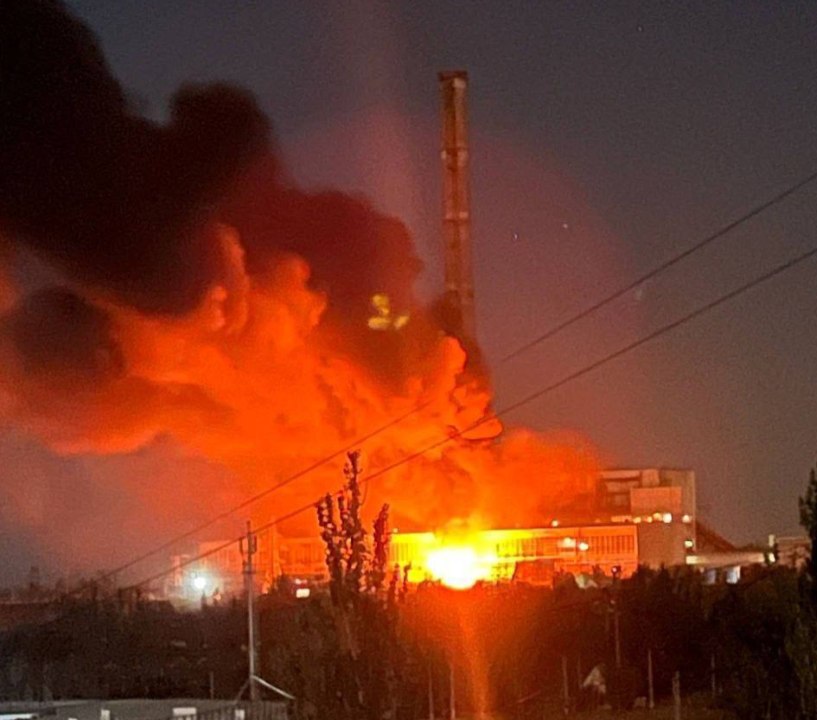
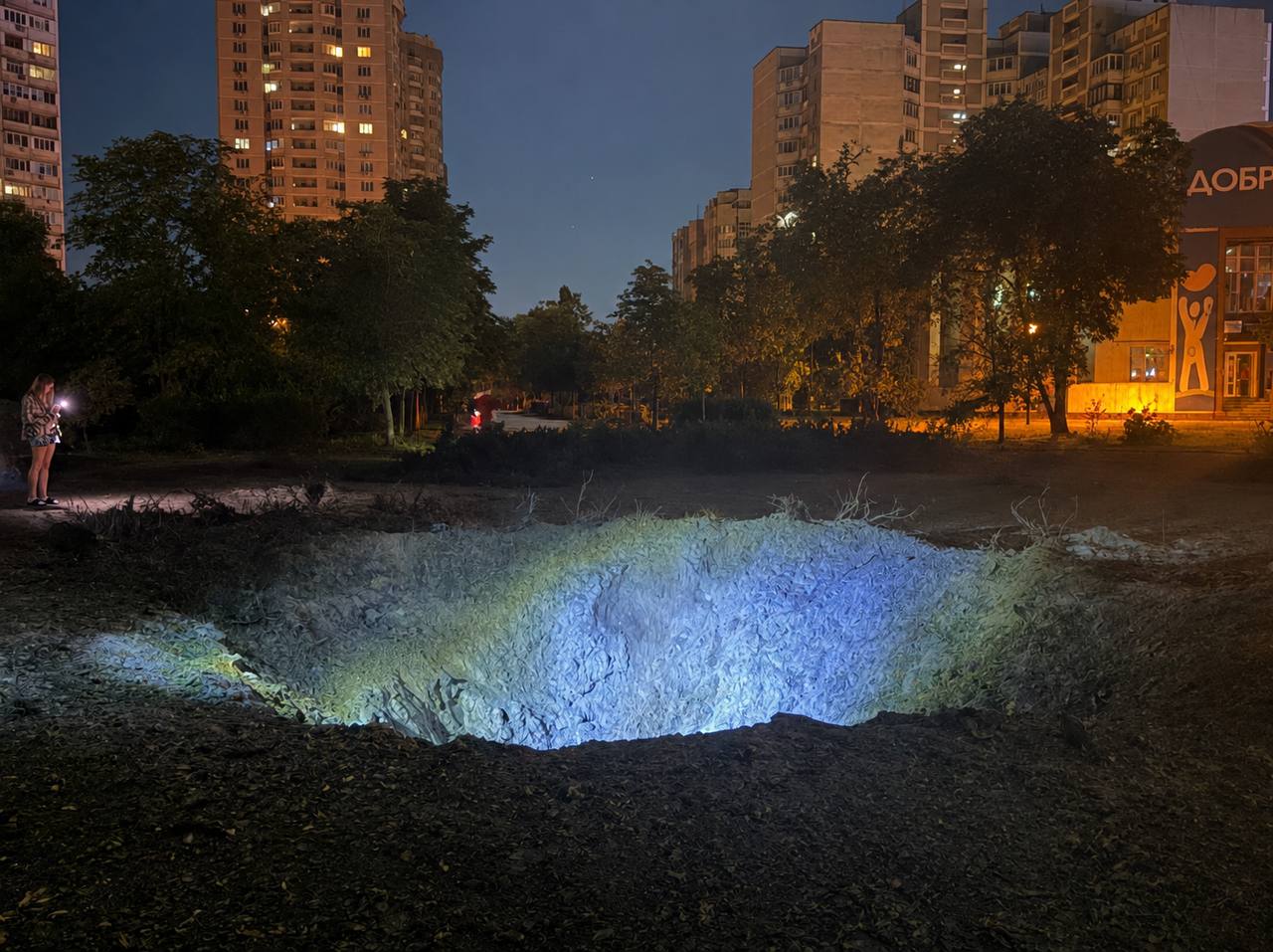
In the early hours of 1 August 2026, a Russian missile struck the Ukrainian capital, killing three civilians and igniting a fire that engulfed a partially collapsed building. The attack, reported by AlJazeera, underscores the expanding geographic scope of the conflict, which has traditionally been concentrated in the east.
Residents trapped as partially collapsed building catches fire after deadly strike on Ukrainian capital.
The incident marks the most lethal single‑event casualty count recorded in Kyiv since the war began, and it demonstrates Russia’s willingness to target densely populated urban areas far from the front lines.
Russian Missile Strike on Kyiv
At 02:06 UTC, a missile launched from Russian‑controlled territory impacted a residential block in Kyiv. The strike resulted in three fatalities and caused extensive structural damage, prompting emergency services to battle a rapidly spreading fire. No military installations were confirmed as targets, suggesting a strategic intent to sow civilian fear and disrupt normalcy in the capital. The weapon used was identified as a conventional cruise missile, though the exact model was not disclosed.
Capture of Chasiv Yar and Surrounding Villages
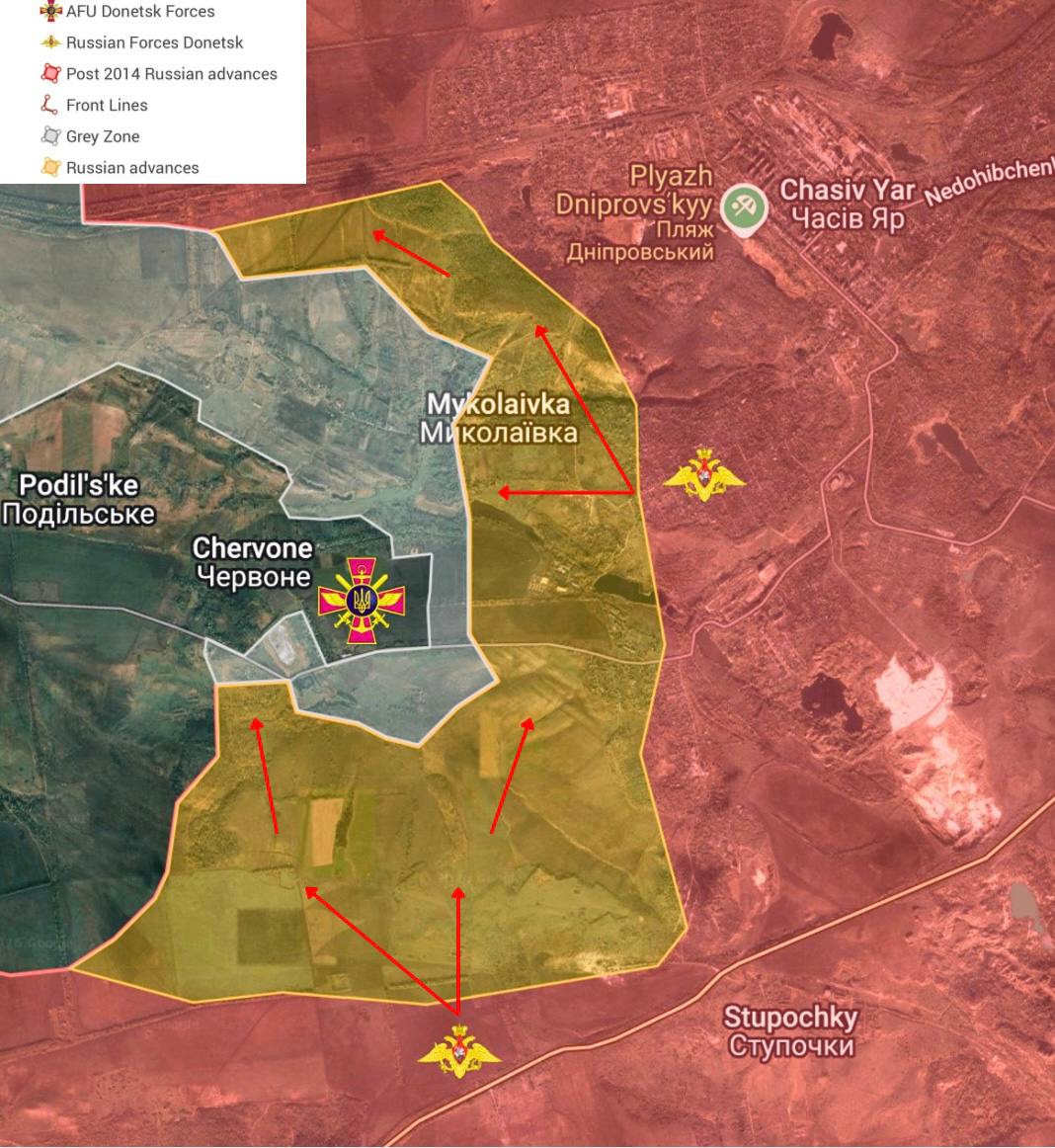
Within the same morning, Russian ground forces announced the full capture of Chasiv Yar in Donetsk Oblast, a town that has changed hands multiple times over the past 1.5 years. According to a report from GeoPWatch at 03:18 UTC, Russian troops advanced into the central district of Mykolaivka and the southern sector of Chervone, securing the Shevchenko microdistrict in the western part of Chasiv Yar. The operation involved infantry units supported by armored vehicles, though no specific weapons systems were listed. The town’s fall represents a strategic gain for Moscow, providing a forward base for further offensives toward the Donetsk‑Luhansk axis.
Ukrainian officials have not released casualty figures for the Chasiv Yar engagement, but local sources indicate that several dozen combatants on both sides were wounded during the final push. The loss of Chasiv Yar also threatens supply routes that have been vital for Ukrainian defensive logistics in the region.
Ukrainian Air Defense Response
In the wake of the Kyiv missile strike, Ukraine’s air defense network activated two Patriot missiles to intercept the incoming threat, as documented by intelslava at 01:38 UTC. The limited response—only two interceptors—highlights the strain on Ukraine’s air‑defense inventory after months of sustained Russian missile barrages. Analysts note that the Patriot system, while highly capable, is being stretched thin across multiple fronts, reducing its ability to provide layered coverage for major population centers.
Later, at 01:09 UTC, another Russian missile impacted an open area in Kyiv, causing no casualties but reinforcing the pattern of indiscriminate long‑range strikes. The repeated use of missile assets against civilian‑dense zones raises concerns about escalation dynamics and the potential for further civilian harm.
Ukrainian Drone Attack on Zuivska Power Station
At 01:34 UTC, Ukrainian attack drones targeted the Russian‑occupied Zuivska Power Station in Donetsk Oblast, igniting a fire that temporarily disrupted electricity generation. The operation, reported by monitor_the_situation, employed commercially available quad‑copter platforms equipped with small explosive payloads. While the attack did not result in reported casualties, it demonstrated Ukraine’s capacity to conduct precision strikes against critical infrastructure behind enemy lines.
The fire was contained within hours, but the incident underscores a growing trend of low‑altitude UAV operations aimed at degrading Russian logistical capabilities without committing large conventional forces.
Assessment of Escalation
The confluence of a high‑profile missile strike on Kyiv, the capture of Chasiv Yar, limited Patriot interceptions, and a retaliatory drone strike on a power facility illustrates a multi‑dimensional escalation. Russian forces are extending their operational reach beyond the eastern front, while Ukrainian defenders are adapting with asymmetric tactics such as UAV raids and selective air‑defense engagements.
Key indicators of heightened intensity include:
- Increased use of long‑range missiles against civilian targets in the capital.
- Successful Russian ground advances that secure new urban footholds in Donetsk Oblast.
- Ukrainian reliance on limited Patriot assets, suggesting a depletion of broader air‑defense resources.
- Adoption of drone warfare by Ukraine to strike high‑value assets within occupied territory.
These developments suggest that the conflict’s geographic scope and tactical diversity are expanding, raising the risk of further civilian casualties and infrastructure damage across both eastern Ukraine and the capital region.