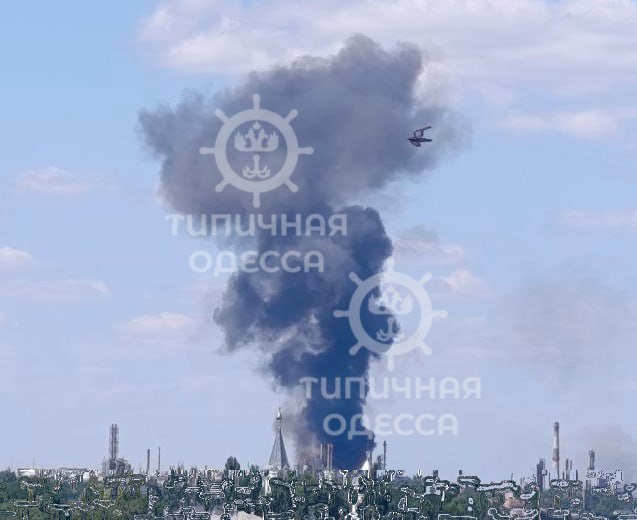
On 31 July 2026, Russian forces conducted the most extensive aerial offensive of the year, targeting the strategic port city of Odesa with a coordinated swarm of jet‑drones, loitering munitions and cruise missiles. The attack, described by the monitoring channel @AMK_Mapping_ as the "largest single Banderol jet‑drone attack on Odesa," involved at least twelve Banderol jet‑drones, dozens of Geran‑2, Geran‑3 and Geran‑4 loitering drones, and a mix of Oniks and Kh‑59/69 missiles. Large‑scale fires erupted across the city, damaging civilian infrastructure and prompting an emergency response from local fire services.
"Russia launches its largest single Banderol jet‑drone attack on Odesa, striking with at least 12 jet‑drones and dozens of Geran‑2/3/4 drones, plus Oniks and Kh‑59/69 missiles, causing large fires." – monitor_the_situation
Key weapons employed included Banderol jet‑drones, Geran‑2/3/4 loitering munitions, Oniks supersonic cruise missiles and Kh‑59/69 cruise missiles launched from Su‑34 aircraft. The coordinated use of multiple weapon systems marks a notable escalation in Russia’s kinetic campaign, aiming to cripple Odesa’s maritime logistics and undermine Ukraine’s ability to receive foreign aid.
Widespread Rocket and Missile Strikes Across the Front
Simultaneously, Russian forces intensified rocket and missile attacks in several other regions. In Kharkiv Oblast, over 80 gas stations were struck, part of a broader pattern that saw more than 200 fuel depots across Ukraine targeted, according to a report cited by the Financial Times and relayed by intelslava. The strikes, aimed at disrupting civilian mobility and applying pressure on populations in contested zones, were complemented by attacks on Zaporizhzhia Oblast’s fuel infrastructure.
In the Odesa maritime corridor, Russian Geran loitering drones hit cargo vessels at both Odesa and Yuzhny ports, as well as in the Black Sea, disrupting commercial shipping and raising insurance premiums for maritime operators. The same day, two Oniks supersonic cruise missiles were launched toward the coastal towns of Zatoka and Chornomorsk, with Su‑34 and Su‑35 fighters positioned over Sevastopol for potential follow‑up strikes.
Further south, a Kh‑59/69 cruise missile salvo from Su‑34 aircraft struck Yuzhnyi Port in Odesa Oblast, with secondary explosions reported in the nearby town of Bilhorod‑Dnistrovskyi. The missile barrage caused significant damage to port facilities and temporarily halted cargo operations.
Ukrainian Counter‑Air Operations
Ukrainian air defenses responded to the multi‑vector assault with mixed results. The Ukrainian Air Force reported a successful strike near Lysychansk in Luhansk Oblast, where an airstrike eliminated 18 Russian troops, including the commander and deputy commander of the 201st Separate Rifle Regiment. While the specific platform used for the Ukrainian strike was not disclosed, the operation demonstrates Kyiv’s continued capability to conduct precision strikes against high‑value Russian command elements.
In addition, Ukrainian forces employed Hornet attack drones from the 65th Separate Mechanized Brigade’s Ronin Unmanned Systems Battalion to target Russian logistics near Melitopol, delivering a series of precision hits on supply depots and transport convoys.
Explosions and Ammunition Depot Incidents
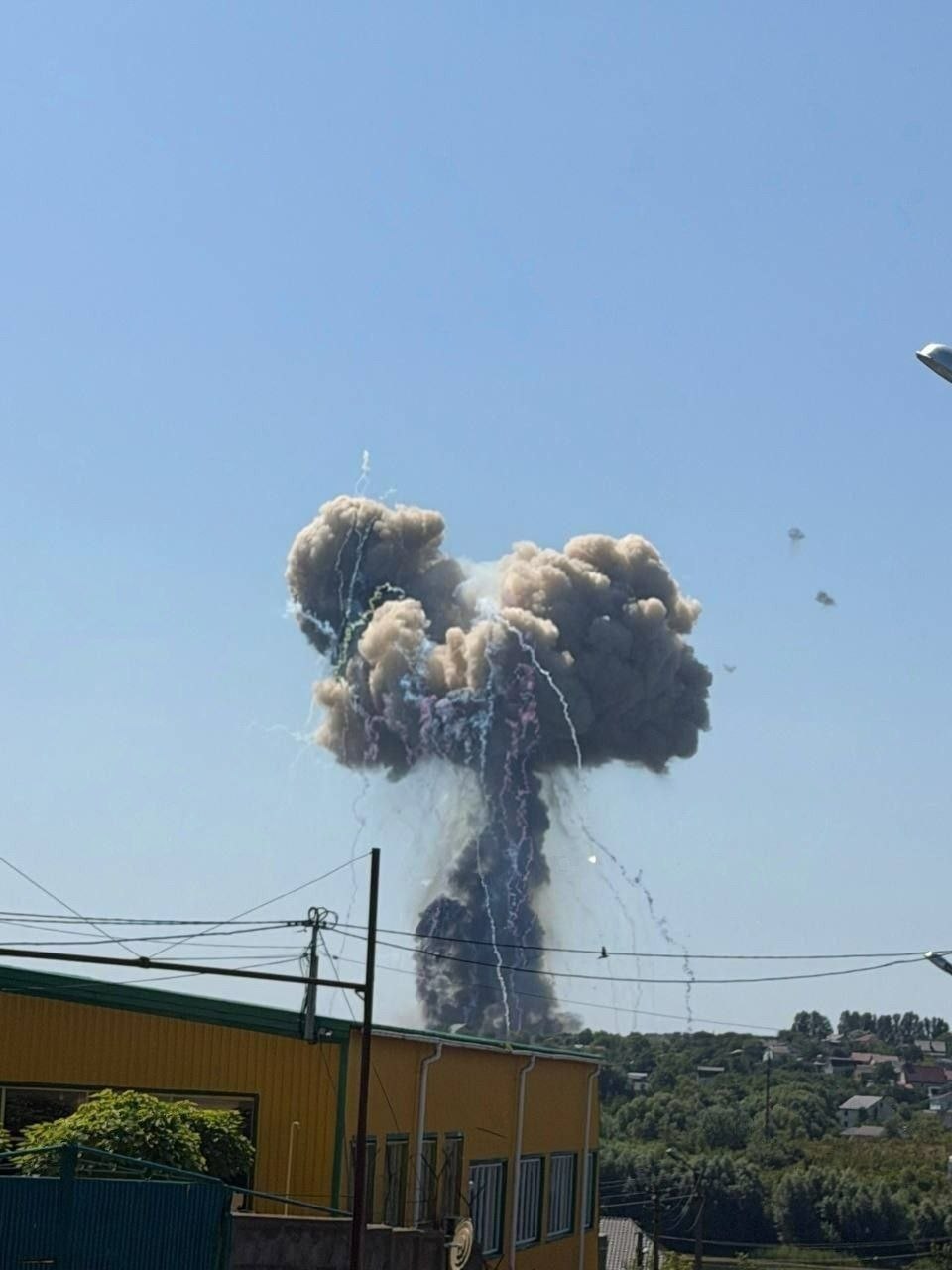
Khmelnytskyi Oblast experienced a series of explosive events on 31 July. Early in the day, a massive explosion with secondary detonations struck an ammunition depot, producing a large fireball and extensive damage to the storage facility. Subsequent controlled detonations of old ammunition were carried out across residential areas of Khmelnytskyi, a measure described by Ukrainian channels as a “controlled detonation of old ammunition” to mitigate the risk of accidental blasts.
Later, an ammunition explosion at a training ground in western Ukraine injured three special‑forces soldiers and left five personnel missing, underscoring ongoing safety challenges in handling ordnance during active conflict.
Territorial Shifts and Ground Movements
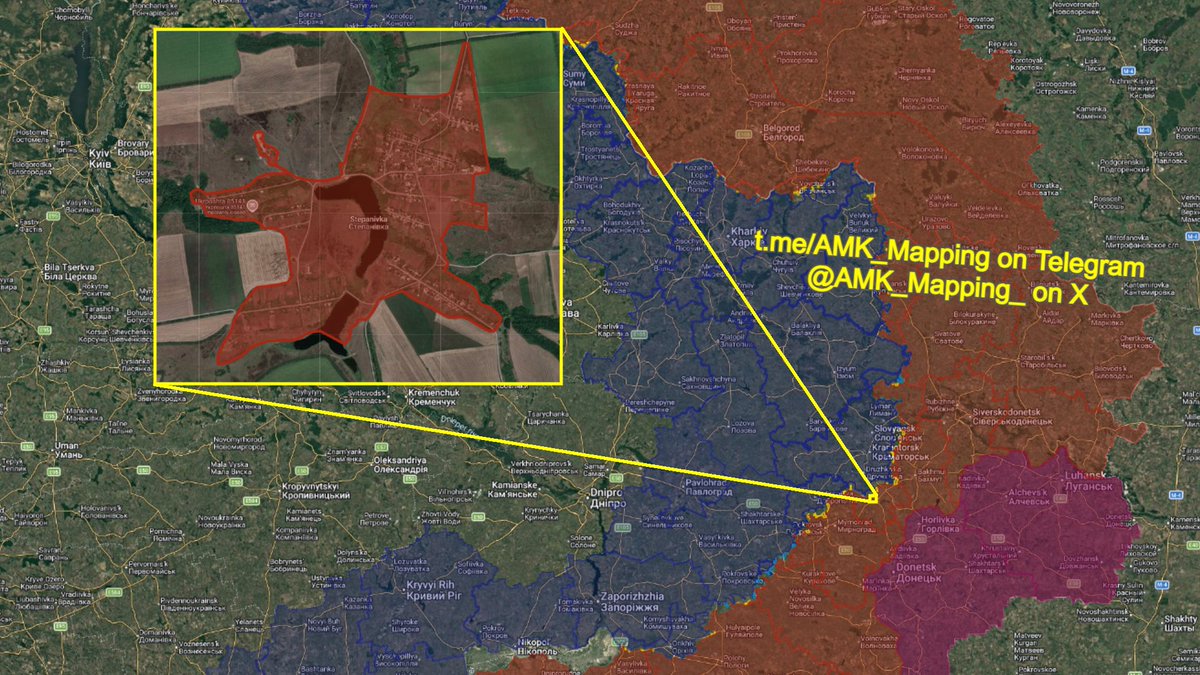
On the ground, Russian forces captured the village of Stepanivka in Donetsk Oblast after six months of fighting, reducing the pre‑war population of approximately 624 to an uncertain figure amid ongoing displacement. The capture reflects Russia’s incremental territorial gains in the Donetsk sector despite Ukrainian defensive efforts.
In the broader strategic context, Ukrainian forces continued to conduct airstrikes on Russian‑occupied infrastructure, including an aircraft plant in Yevpatoria (Crimea), the Taman port, and the Lukoil refinery in Volgograd. These strikes, confirmed by the Security Service of Ukraine (SBU), resulted in a large fire at the refinery and demonstrated Kyiv’s capacity to project power deep into occupied territories.
International Repercussions and Regional Security
The kinetic escalation in Ukraine coincided with heightened activity in neighboring regions. Kuwait reported the interception of Iranian drones targeting vital facilities, while a separate Iranian attack on a Chinese‑owned building in northern Kuwait resulted in one fatality. Although unrelated to the Ukrainian theater, these incidents illustrate the broader volatility affecting regional security dynamics.
Overall, the events of 31 July 2026 represent a pronounced intensification of Russian kinetic operations across Ukraine, combining large‑scale drone swarms, cruise missile barrages, and targeted strikes on energy infrastructure. Ukrainian counter‑measures, while achieving tactical successes, face an increasingly complex threat environment that includes both aerial and ground‑based challenges.