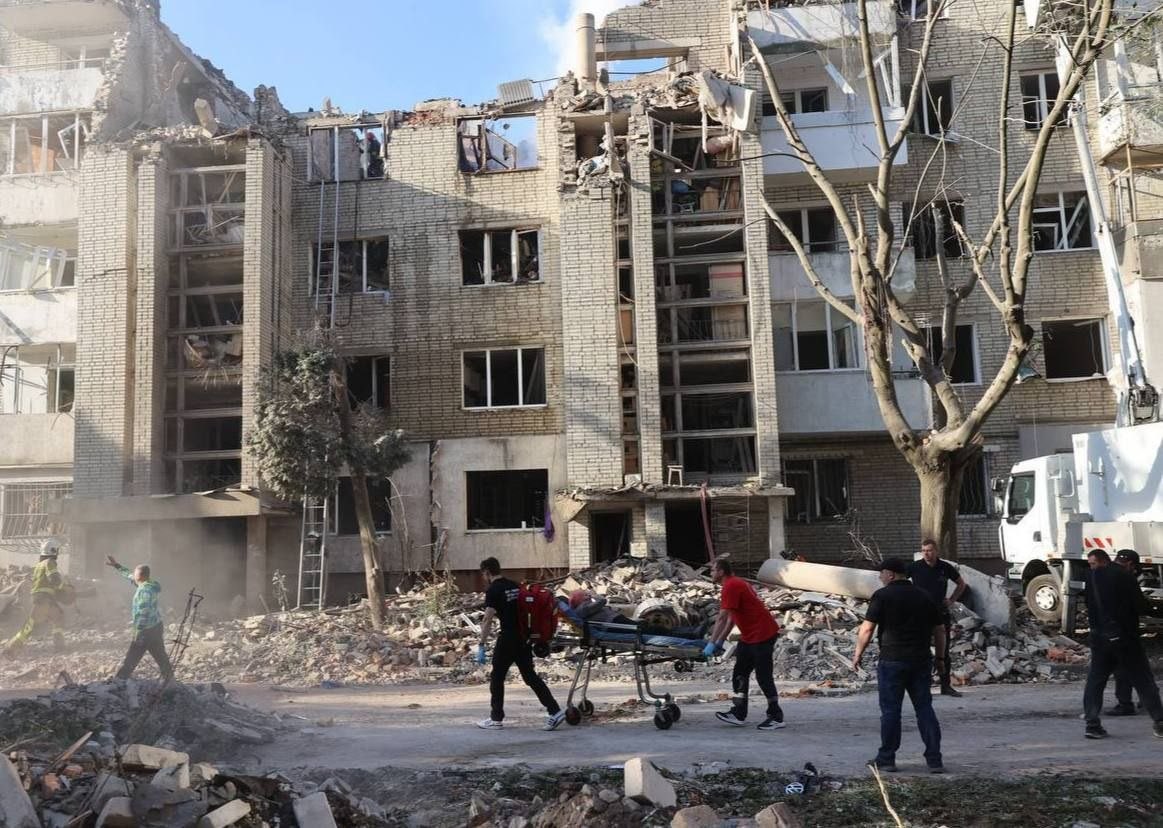
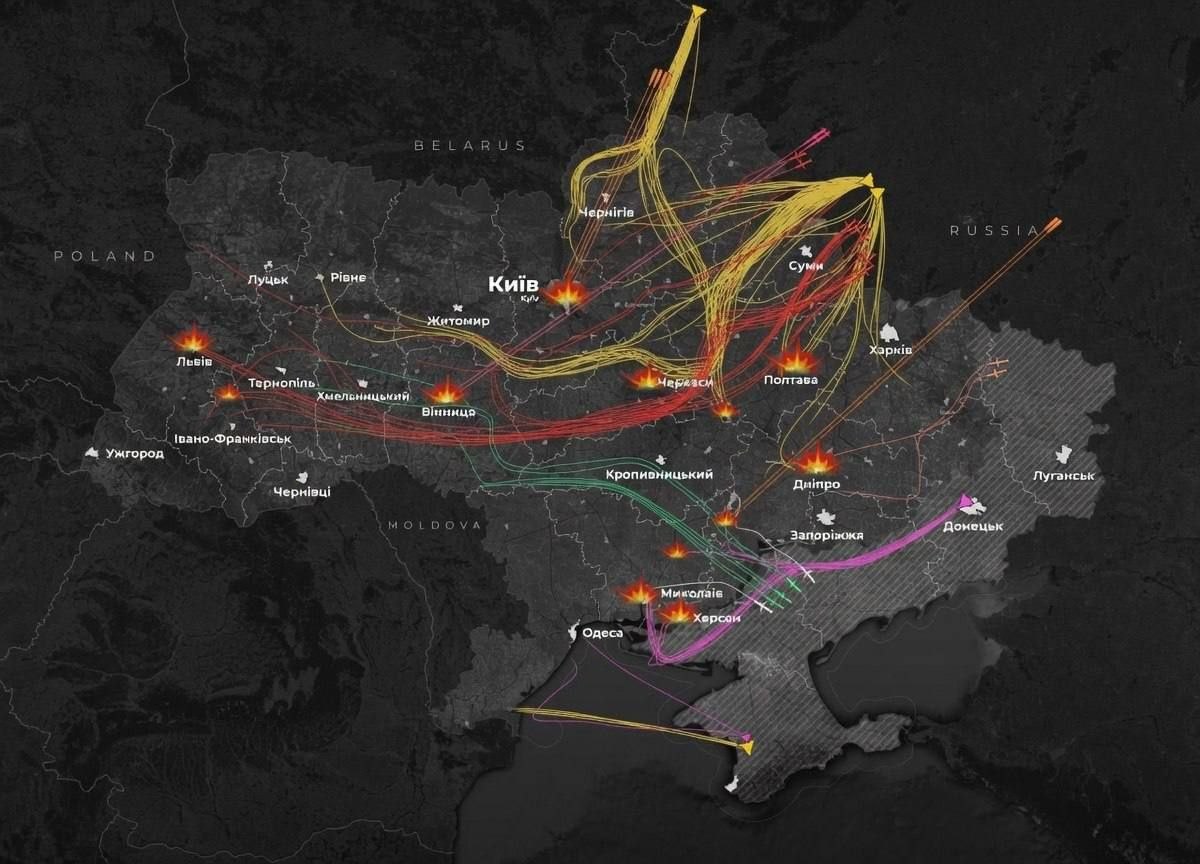
Six members of a single family were killed when a Russian missile struck a village near Kropyvnytskyi in Kirovohrad Oblast at 16:13 UTC on 30 July 2026. Rescue teams continue to search for the remains of five additional family members who remain missing. The incident, reported by the Telegram channel monitor_the_situation, underscores the lethal impact of precision strikes on civilian populations in central Ukraine (Source: https://t.me/monitor_the_situation/26518).
Missile Strikes Across Central and Western Ukraine
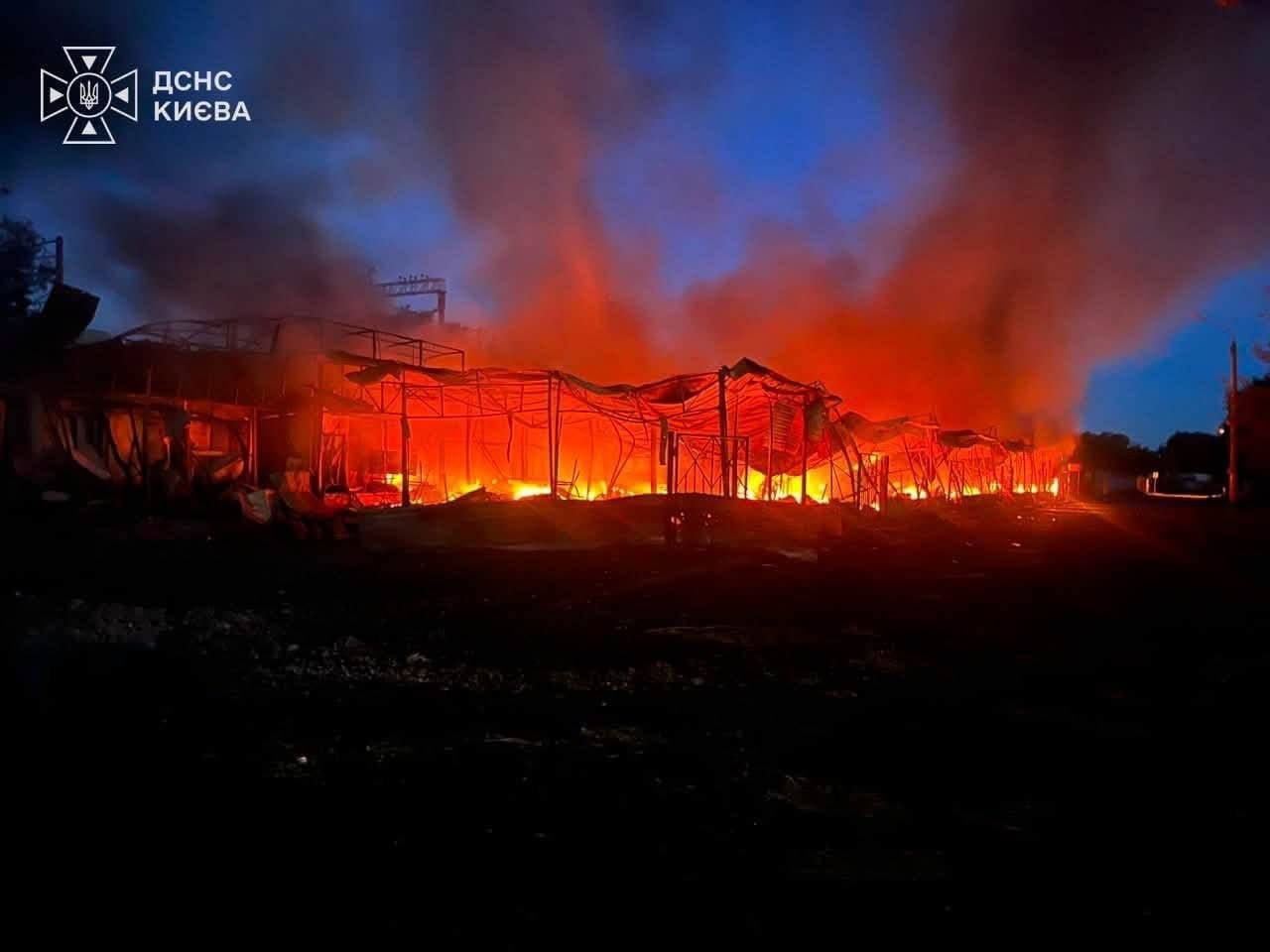
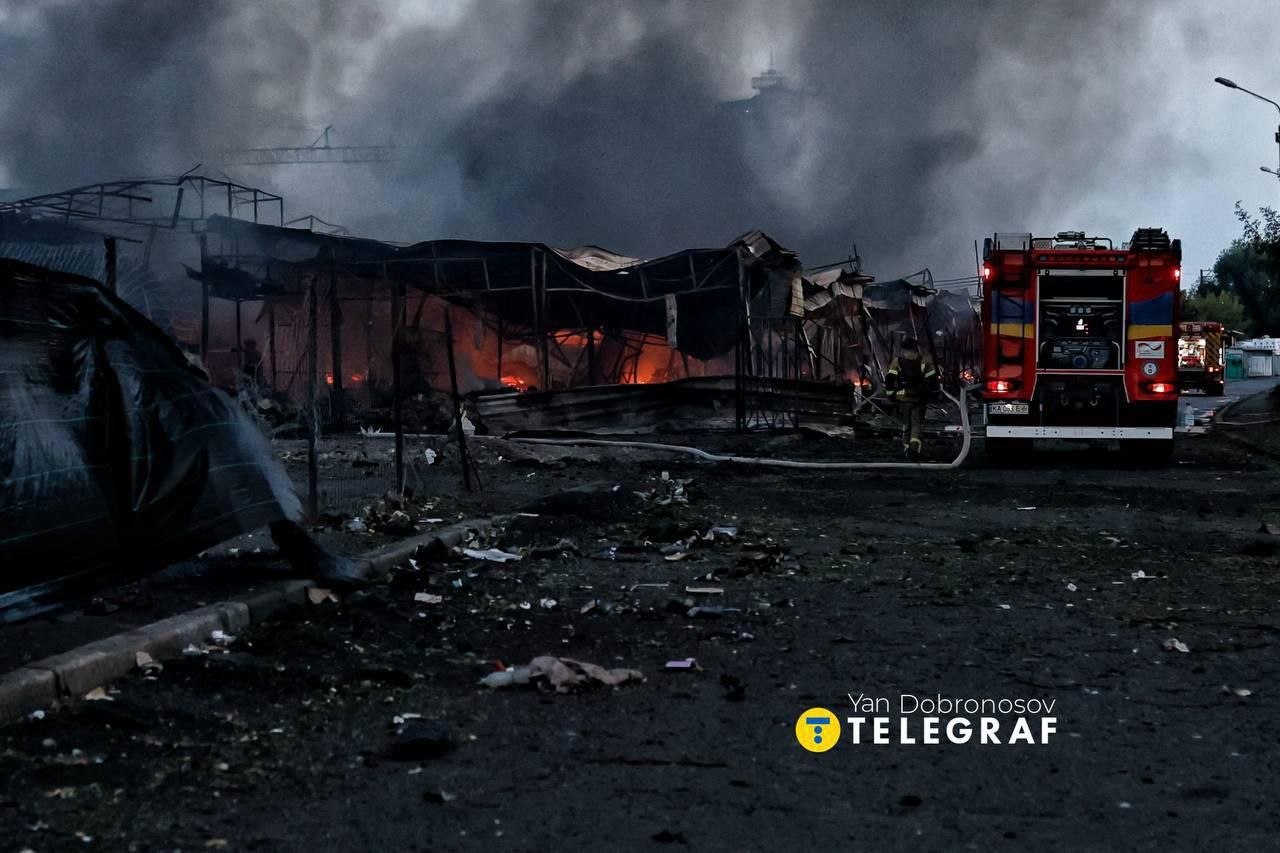
Earlier in the day, at 10:02 UTC, a Russian missile destroyed a bustling market in Kyiv, causing extensive structural damage and injuring dozens of civilians. The strike was confirmed by open‑source investigators and reported by the same channel (Source: https://t.me/monitor_the_situation/26491). In Lviv, a coordinated barrage of 22 missiles hit residential districts at 07:01 UTC, damaging more than 20 apartment blocks, wounding 30 people and leaving two individuals unaccounted for (Source: https://t.me/monitor_the_situation/26478). The Lviv attack demonstrates the continued focus on densely populated urban centers in western Ukraine.
Large‑Scale Combined Missile and Drone Assault on Kyiv Region
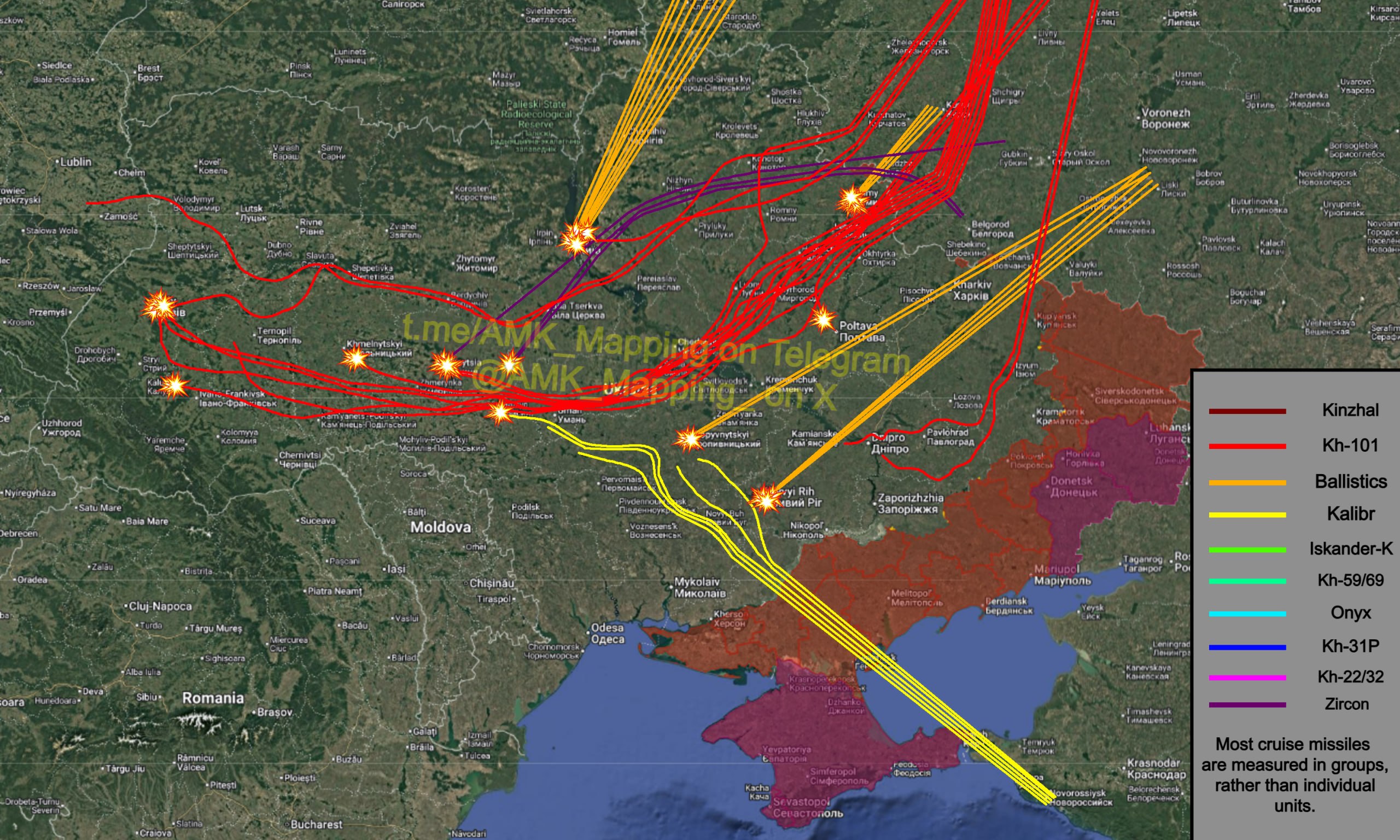
At 06:46 UTC, Russia launched a multi‑vector attack targeting the Mayak Defence Plant and other strategic sites in Kyiv, as well as locations in western and central Ukraine. Dozens of ballistic and cruise missiles were employed, including approximately eight Iskander‑M/S‑400 missiles from Bryansk Oblast, six Kn‑23 missiles from Voronezh Oblast, four modified S‑300 missiles from Kursk Oblast, and a mix of Zircon hypersonic, Kh‑101, Kalibr, and Buyan‑M cruise missiles. Ukrainian air defenses intercepted a portion of the salvo, but the sheer volume of weapons highlighted a significant escalation in kinetic operations (Source: https://t.me/GeoPWatch/37990).
Overnight Missile and Drone Strikes on Multiple Fronts
Intelslava reported that at 06:12 UTC, coordinated missile and drone strikes hit Kyiv and Lviv again, while a Nova Poshta logistics terminal in Poltava was destroyed. Video and photographic evidence accompanying the report show the extent of the damage and the rapid response of Ukrainian emergency services (Source: https://t.me/intelslava/91787).
Ukrainian Air‑Defense Successes in the South
In Kherson Oblast, Ukrainian Mi‑8 and Mi‑24 helicopters engaged and shot down 14 Russian Shahed‑136 and Gerbera attack drones at 16:17 UTC. The drones were neutralized with machine‑gun fire and detonated in a safe area, preventing potential casualties on the ground (Source: https://t.me/monitor_the_situation/26521).
Developments Near Nuclear Facilities
The International Atomic Energy Agency (IAEA) issued a warning at 12:48 UTC that increased military activity around the Zaporizhzhia Nuclear Power Plant in Enerhodar poses a heightened risk to nuclear safety. IAEA Director General Rafael Grossi emphasized that “any escalation near the plant could have irreversible consequences for civilian populations and the environment” (Source: https://t.me/monitor_the_situation/26501).
“Any escalation near the plant could have irreversible consequences for civilian populations and the environment.” – Rafael Grossi, IAEA Director General
Naval Movements in the Black Sea
Intelslava reported at 12:11 UTC that the Russian Black Sea Fleet added three additional warships to its operational presence, effectively halting commercial shipping at Ukrainian ports. The deployment reflects a broader strategy to exert maritime pressure alongside kinetic land operations (Source: https://t.me/intelslava/91797).
Ukrainian Counter‑Strike in Crimea
At 10:45 UTC, Ukraine’s Main Directorate of Intelligence (GUR) released video footage of a successful strike on a Russian Murmansk‑BN electronic‑warfare system located in Crimea. The operation, carried out with a rocket‑type munition, demonstrates Ukraine’s capability to project force beyond its internationally recognized borders (Source: https://t.me/monitor_the_situation/26493).
Collectively, the events of 30 July 2026 illustrate a marked intensification of kinetic warfare across multiple domains—air, land, and sea. The concentration of high‑precision missiles, the use of diverse drone platforms, and the targeting of both civilian infrastructure and strategic assets underscore the evolving character of the conflict. Ukrainian defensive measures, including successful aerial interceptions and limited counter‑strikes, have mitigated some damage but have not halted the overall escalation.