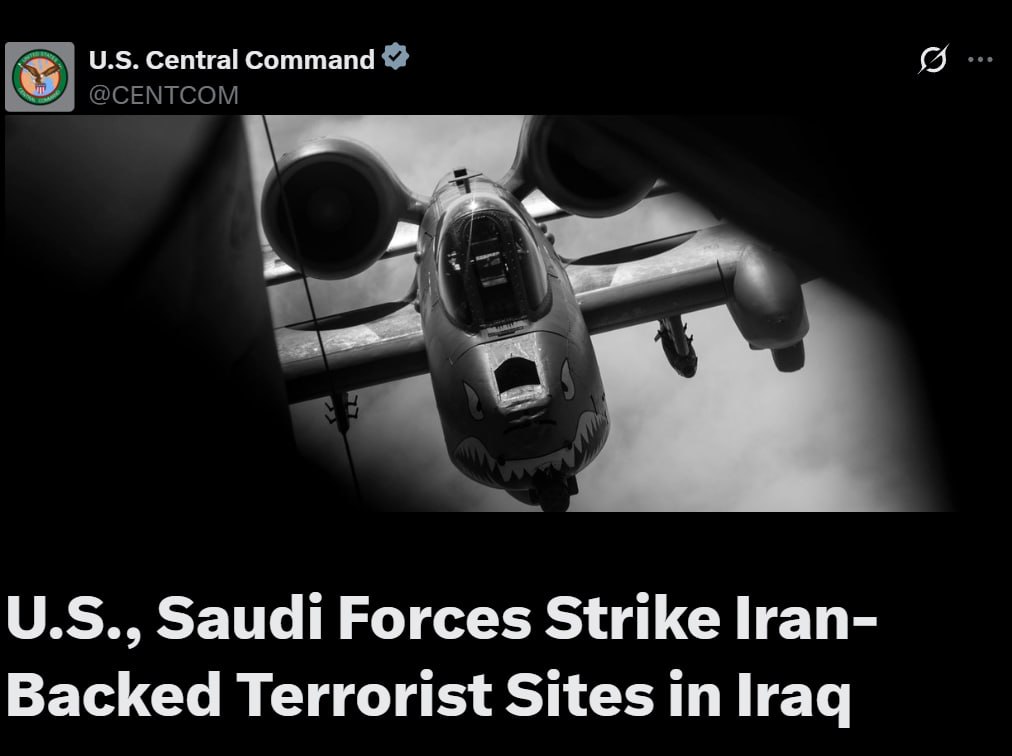
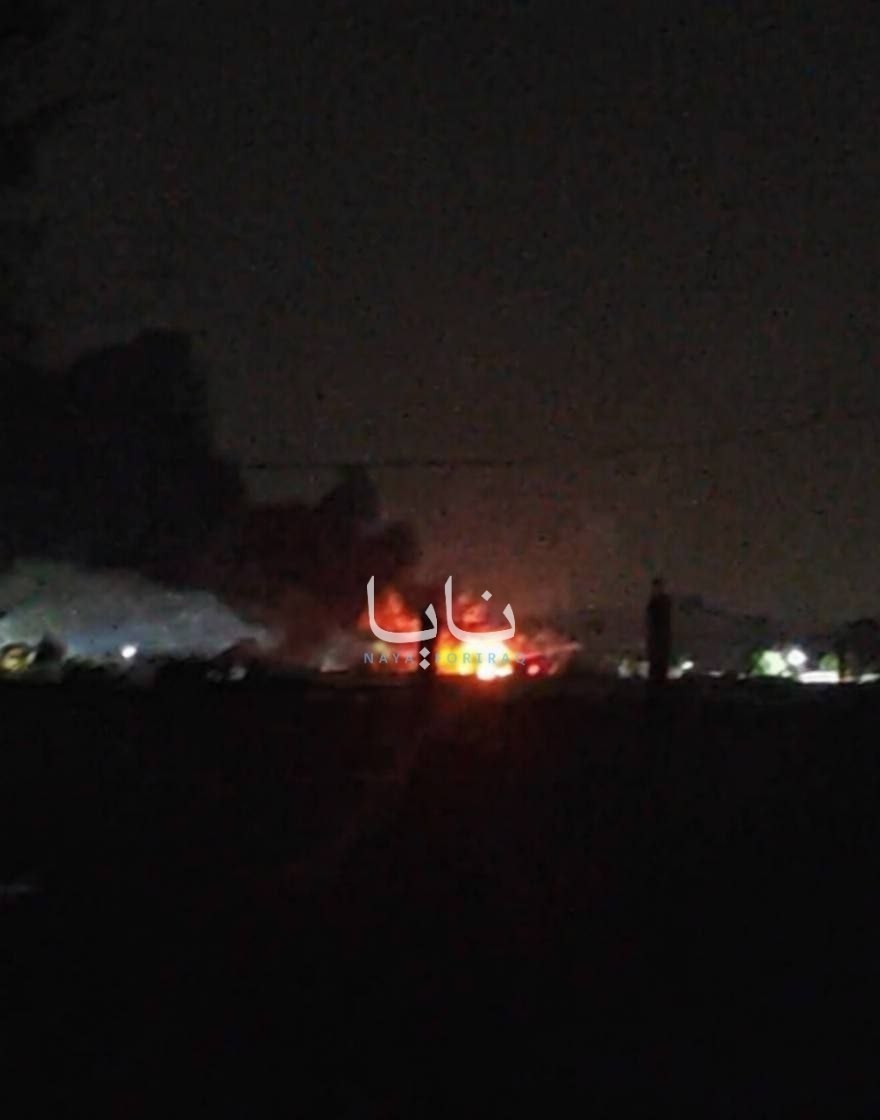
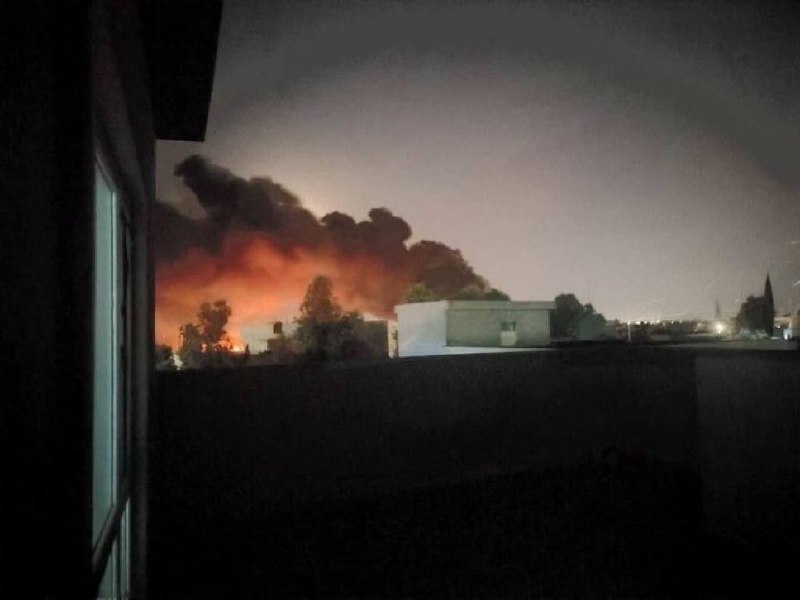
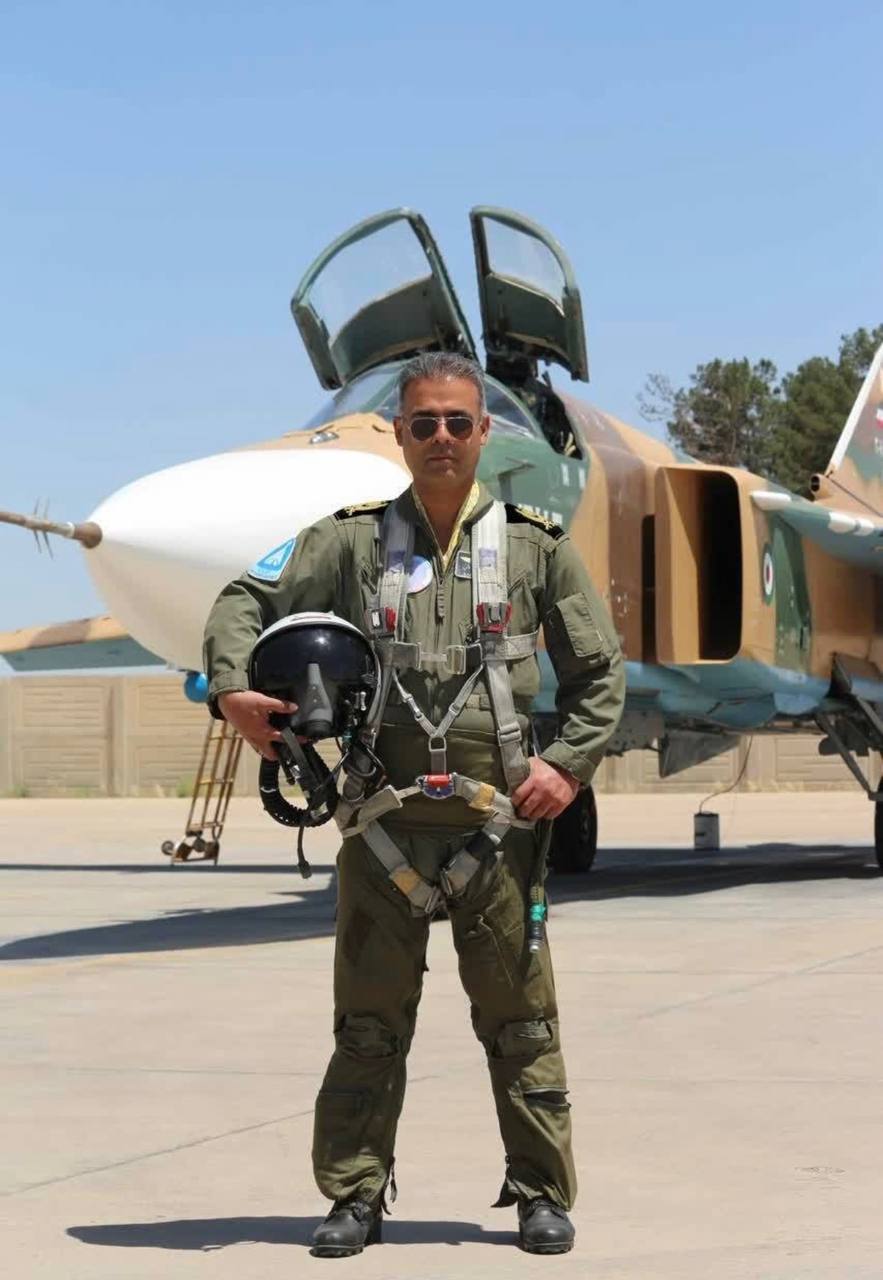
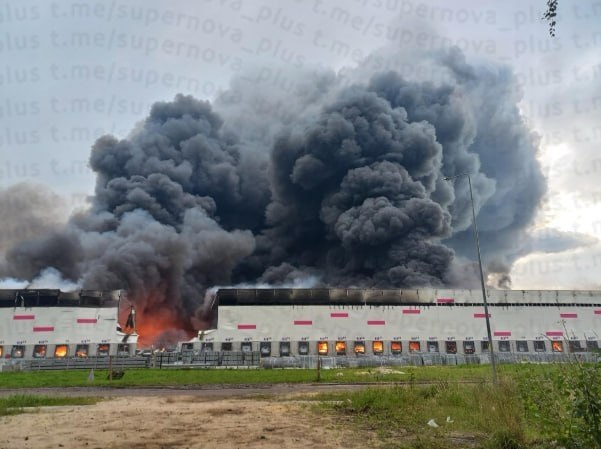
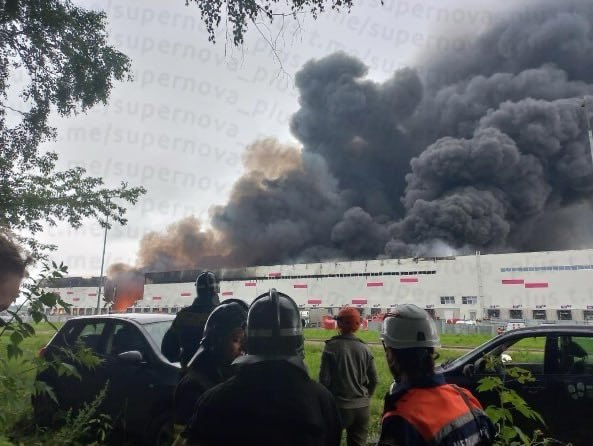
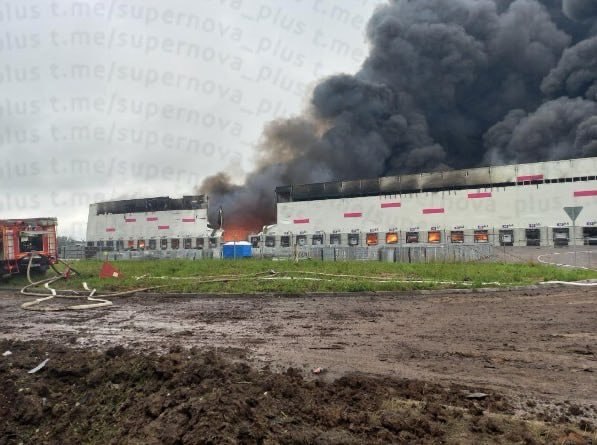
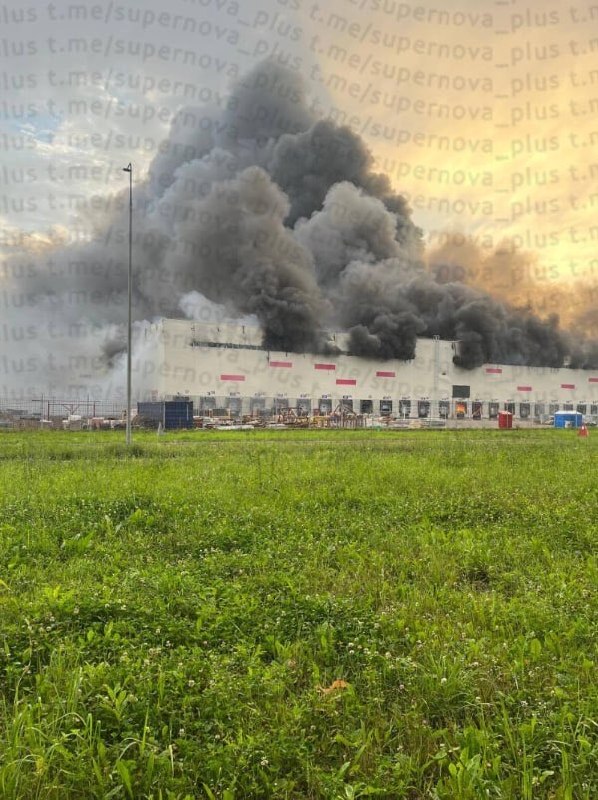
At 03:17:13 local time on 29 July 2026, U.S. Central Command confirmed that United States and Saudi Arabian fighter jets conducted precision airstrikes on Iran‑aligned targets in the Kirkuk region of eastern Iraq. The operation was presented as a direct response to more than thirty drone attacks that the Islamic Revolutionary Guard Corps (IRGC) allegedly directed against U.S. forces and Saudi energy infrastructure.
"U.S. and Saudi fighter aircraft struck multiple logistics and weapons sites in response to more than 30 IRGC‑directed drone attacks over the past week," the statement read (GeoPWatch).
Scope of the July 29 Air Campaign
The Kirkuk strike was the first publicly reported action of a broader campaign that unfolded over the next several hours. Within the same day, at least twelve additional air operations were documented across Iraq, targeting locations in Nineveh, Saladin, Karbala, Basra, and the broader central and northern regions. Sources such as GeoPWatch, monitor_the_situation, CIG_telegram, and BellumActaNews provided real‑time updates, confirming the involvement of both U.S. and Saudi air assets in each case.
Key Targets and Casualties
Most strikes focused on facilities linked to the Popular Mobilization Forces (PMF), a coalition of Iraq‑based militias with documented ties to Iran. Notable incidents include:
- Kirkuk, Iraq – precision strikes on logistics and weapons sites (GeoPWatch).
- Nineveh Governorate – airstrikes killed eight PMF fighters (monitor_the_situation).
- Bartella, Nineveh – seven PMF soldiers killed in a targeted strike (CIG_telegram).
- Amerli, Saladin Governorate – a joint U.S.–Saudi strike on an undisclosed target (CIG_telegram).
- Karbala – multiple strikes reported by BellumActaNews and intelslava, though casualty figures were not released.
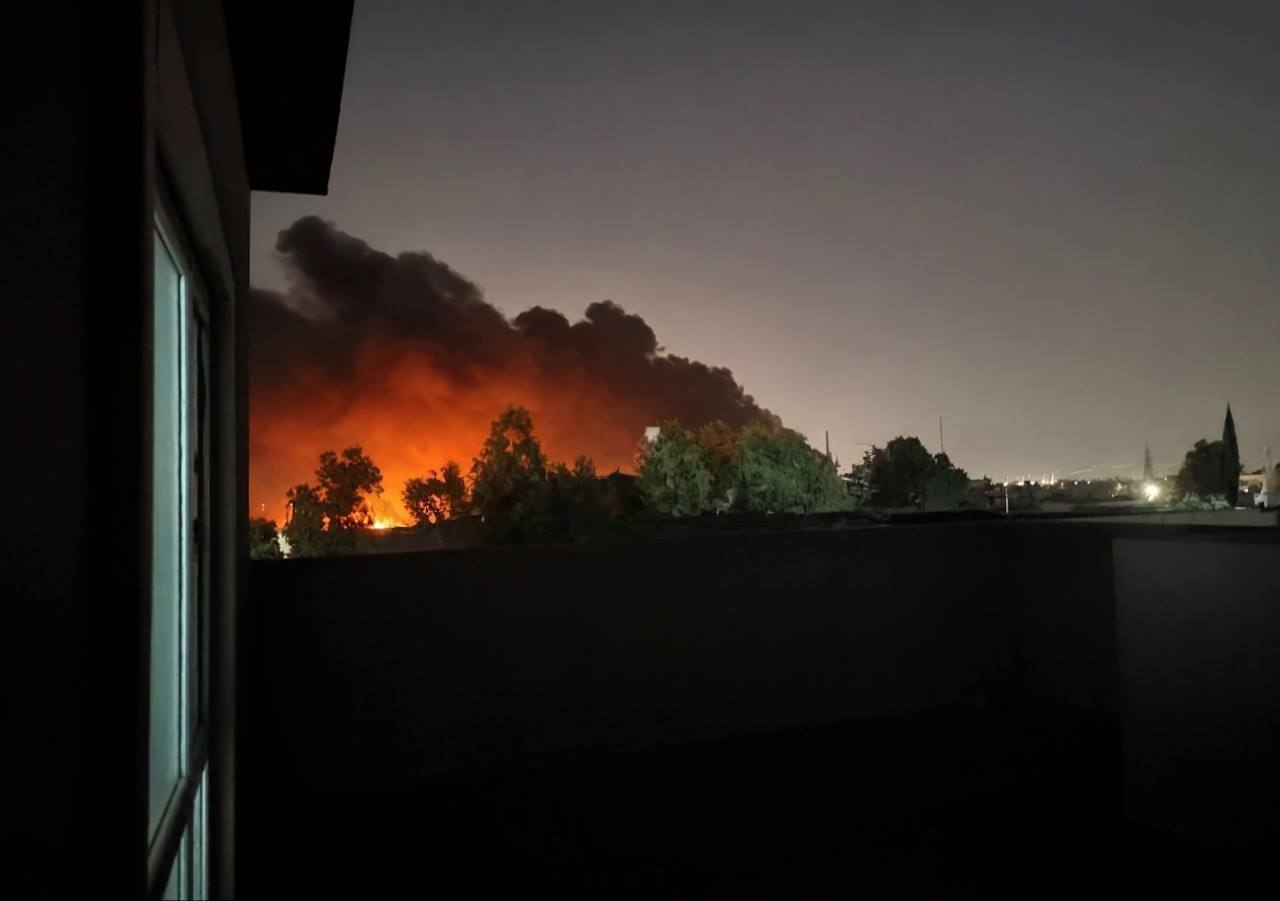
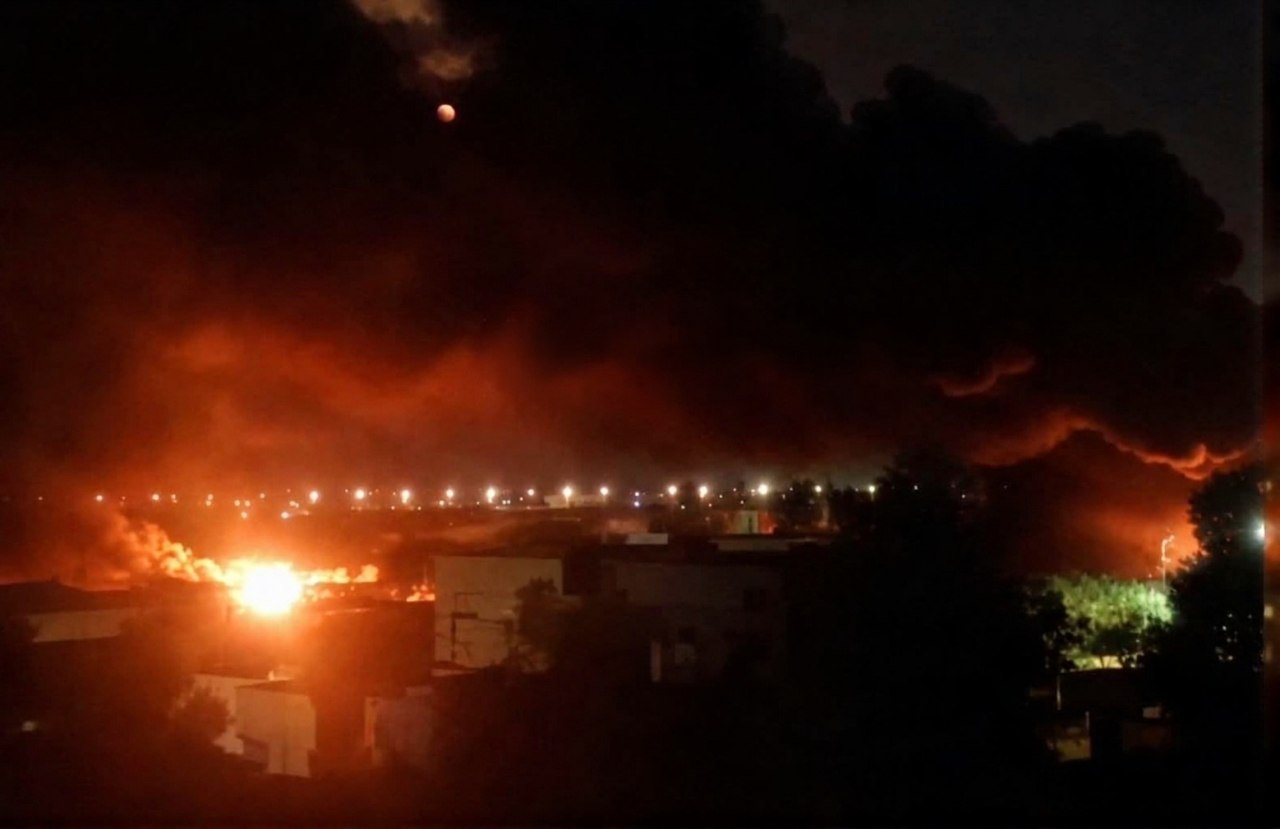
- Basra Governorate – an explosion at a PMF ammunition depot killed one civilian; PMF channels attributed the blast to an airstrike (GeoPWatch, CIG_telegram).
In total, the confirmed death toll from the July 29 operations stands at nine individuals: eight PMF combatants and one civilian casualty in Basra. Several additional reports indicated injuries, but precise numbers were not disclosed.
Geographic Distribution of the Strikes
The air campaign demonstrated a wide geographic reach, extending from the oil‑rich north‑east (Kirkuk) to the densely populated south‑west (Basra). The following locations were cited:
- Kirkuk Governorate – eastern Iraq, strategic oil hub.
- Nineveh Governorate – northern Iraq, includes the historic city of Mosul.
- Saladin Governorate – central Iraq, site of the Amerli strike.
- Karbala – central Iraq, religious city targeted twice.
- Basra Governorate – southern Iraq, site of ammunition depot explosion.
- Ad Dayr, Basra Governorate – ammunition depot hit (CIG_telegram).
- Wasit Governorate – multiple explosions reported (rnintel, CIG_telegram).
The dispersion of targets suggests a systematic effort to degrade the operational capacity of Iran‑aligned militia networks across the country.
Operational Characteristics
All documented strikes were described as "precision" or "joint" operations, implying the use of advanced targeting systems and coordination between U.S. and Saudi air forces. While specific weapon systems were not enumerated in most reports, the initial Kirkuk strike referenced "fighter aircraft" and "precision airstrikes," indicating the likely employment of modern multirole jets such as F‑15E or F‑16 platforms equipped with guided munitions. No ground forces were reported to have been involved in the July 29 actions.
Context and Immediate Triggers
The July 29 campaign was framed by U.S. Central Command as a retaliation for a series of IRGC‑directed drone attacks that targeted U.S. personnel and Saudi energy facilities. The IRGC has historically leveraged proxy militias within Iraq, including factions of the PMF, to project power and challenge regional adversaries. The rapid succession of airstrikes following the drone incidents underscores a shift toward kinetic deterrence, aiming to neutralize logistical hubs and weapon caches before they can be employed in further attacks.
Reactions and Reporting
Local Iraqi media and militia-affiliated channels reported the strikes with varying degrees of detail. The PMF’s Basra Operations Command confirmed that its headquarters sustained an airstrike, though it did not disclose damage assessments. In contrast, Saudi and U.S. official statements emphasized the precision and necessity of the operations, citing the protection of allied forces and critical infrastructure as primary objectives.
International observers noted the heightened involvement of Saudi Arabia in Iraqi airspace, a development that marks an escalation in Riyadh’s direct engagement against Iranian proxy networks beyond its borders. The coordination between U.S. and Saudi forces, as evidenced by simultaneous strikes across multiple governorates, reflects a deepening operational partnership.