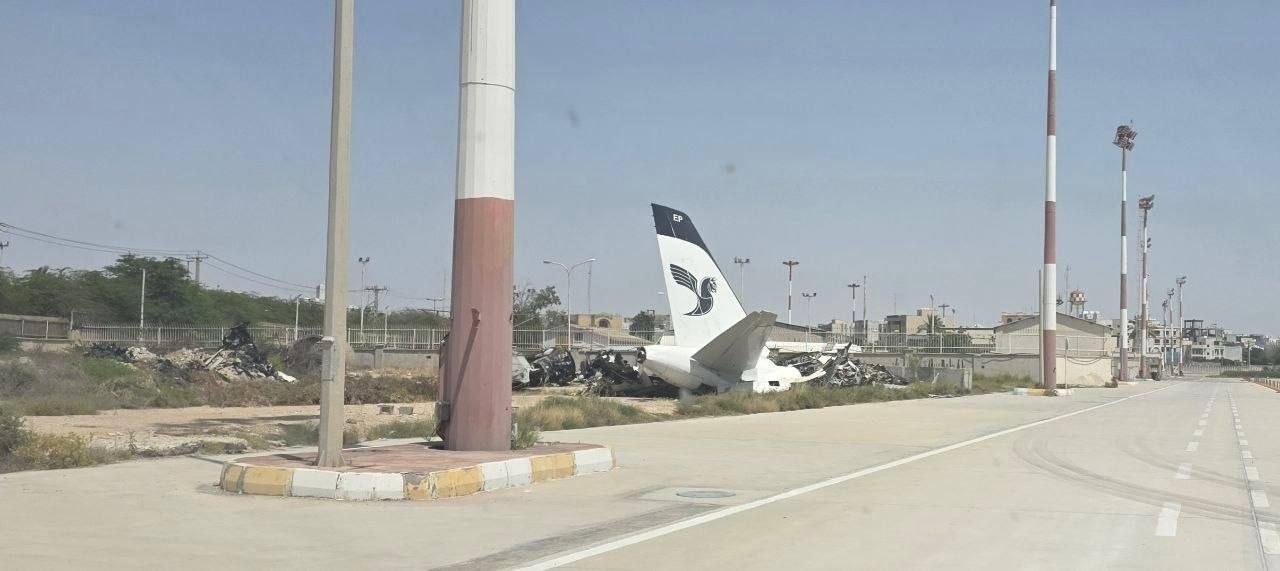
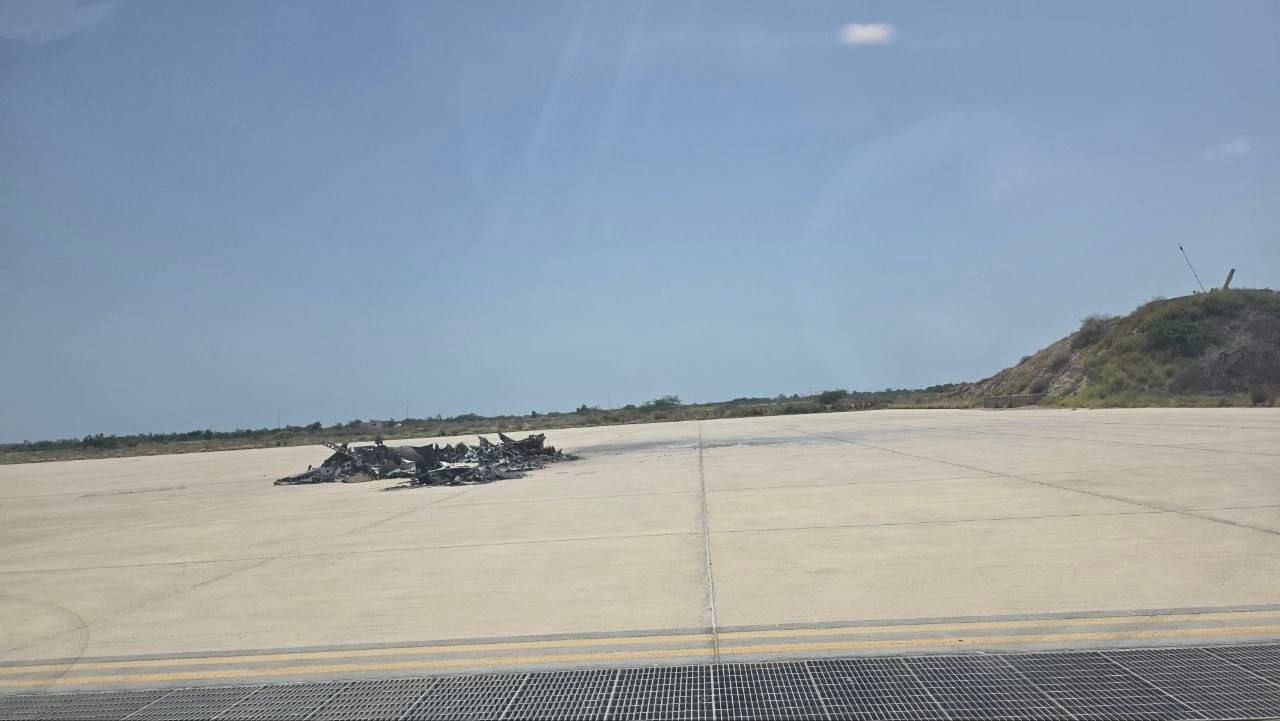
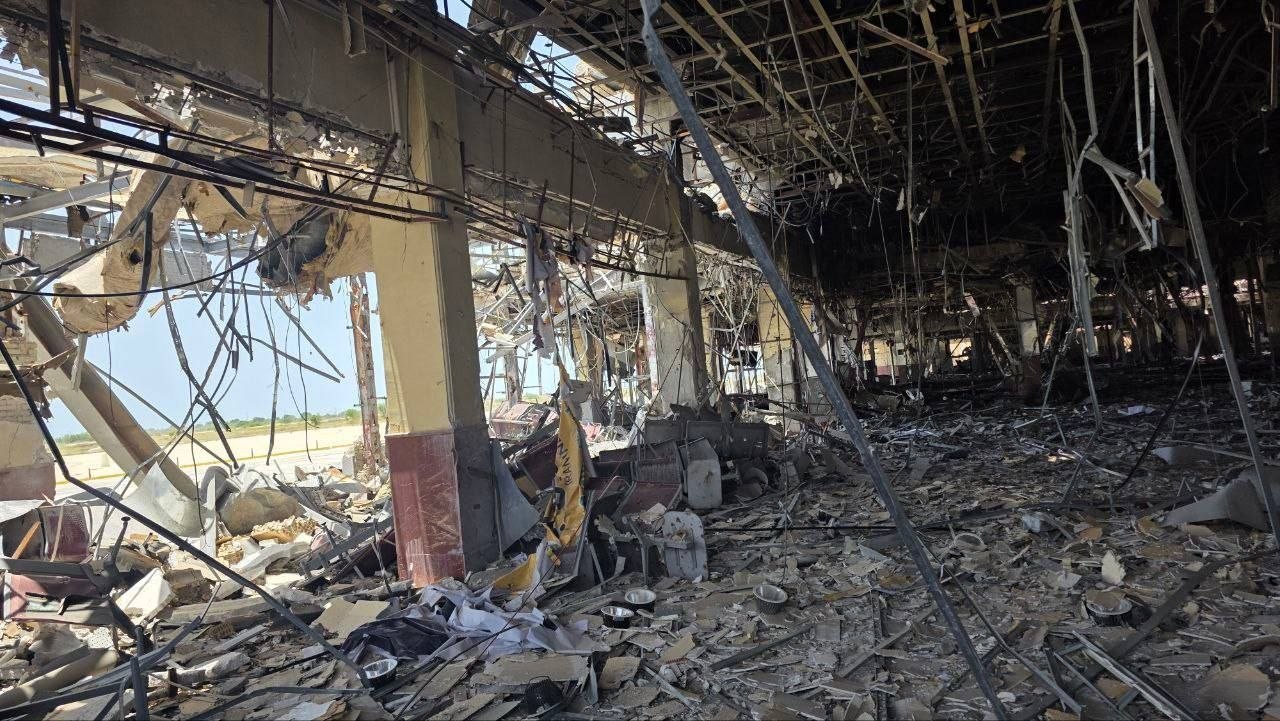
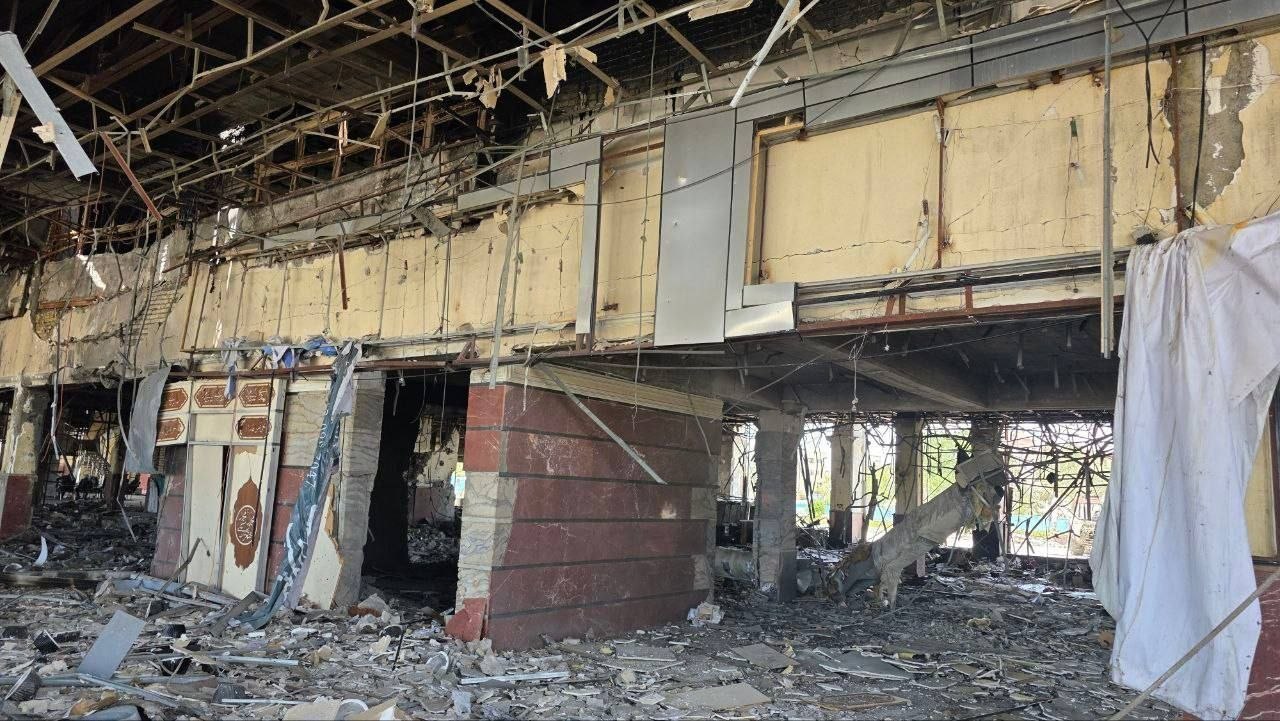
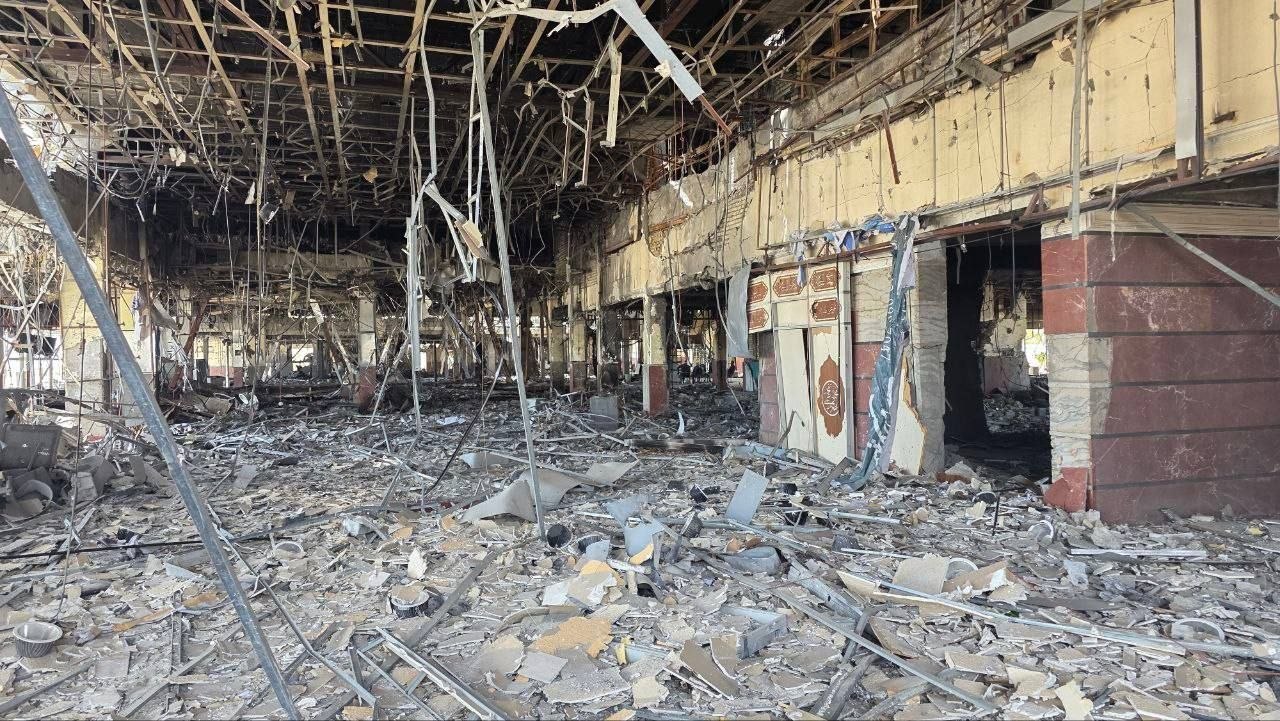
The United States Air Force conducted a precision strike on the civilian terminal of Bushehr Airport in southern Iran at 05:13 UTC, completely demolishing the facility and destroying the wreckage of the Airbus A319 EP‑IEP that had been abandoned after a March incident. The attack, reported by the open‑source channel Intelslava, marks the most significant kinetic event in Iran on 29 July 2026 and underscores a rapid escalation of hostilities between Tehran and Washington.
Airstrike on Bushehr Airport
According to multiple Iranian journalists, a senior government spokesperson confirmed that the terminal was "completely destroyed as a result of the recent U.S. strikes and is no longer usable." The statement was captured in a Telegram post by Intelslava (source URL: https://t.me/intelslava/91680) and accompanied by five photographs showing extensive blast damage, collapsed roof structures, and the charred remains of the EP‑IEP airframe. No casualty figures have been released, and Iranian authorities have not disclosed whether any personnel were present at the time of the strike.
"The airport was completely destroyed as a result of the recent U.S. strikes and is no longer usable," – Iranian government representative, 29 July 2026.
The operation involved no disclosed conventional weapons beyond the air‑delivered munitions typical of U.S. strategic strike packages. The target selection—an operational civilian airport—suggests an intent to impair Iran’s internal logistics and signal a willingness to expand the conflict beyond military installations.
IRGC Interception of Oil Tankers in the Strait of Hormuz
Earlier in the day, at 02:00 UTC, Iran’s Islamic Revolutionary Guard Corps (IRGC) engaged three commercial oil tankers transiting the Strait of Hormuz, a narrow waterway that channels roughly 20 % of global petroleum shipments. The incident, documented by the Telegram channel monitor_the_situation (source URL: https://t.me/monitor_the_situation/26347), involved the IRGC firing warning shots and physically halting the vessels for inspection. Video footage released by the channel shows IRGC patrol boats maneuvering alongside the tankers, with crew members forced to remain on deck under armed guard.
No injuries or fatalities were reported among the tanker crews or IRGC personnel. The IRGC has not publicly identified the cargo or flag states of the intercepted vessels, but the action represents a direct challenge to the principle of free navigation in the strait, a concern repeatedly raised by the United States and its allies.
Ballistic Missile and Drone Activity Over the Strait
Simultaneously, the United States accused the IRGC of launching a “surprise” barrage of ballistic missiles toward the Strait of Hormuz, while Saudi Arabian air defenses intercepted multiple unmanned aerial systems (UAS) in the same sector. The report, sourced from Al Jazeera’s live‑blog (source URL: https://www.aljazeera.com/news/liveblog/2026/7/29/iran-war-live-us-accuses-irgc-of-surprise-ballistic-missile-attacks?traffic_source=rss), details that the missiles were short‑range, ground‑launched projectiles consistent with the IRGC’s domestically produced Fateh‑110 family. The drones, identified as Shahed‑136 loitering munitions, were engaged by Saudi Arabian Patriot batteries, preventing any impact on commercial shipping.
Again, casualty data remain unavailable; the interceptions occurred over open water, and no damage to vessels or infrastructure was reported. The coordinated missile‑drone sortie illustrates an expanding Iranian capability to conduct multi‑domain operations, integrating ballistic and unmanned assets to exert pressure on strategic chokepoints.
Analytical Assessment
The sequence of kinetic events on 29 July 2026 reflects a marked intensification of Iran‑U.S. confrontation. The Bushehr airport strike demonstrates a willingness by the United States to target civilian infrastructure when it perceives a strategic advantage, potentially aiming to degrade Iran’s internal mobility and signal resolve after a series of Iranian provocations. Conversely, the IRGC’s actions in the Strait of Hormuz—halting tankers, deploying ballistic missiles, and launching drones—represent a calibrated escalation designed to threaten vital energy routes and compel regional actors to reconsider their security postures.
From a conflict‑monitoring perspective, the absence of reported casualties does not diminish the strategic significance of these events. The destruction of Bushehr’s terminal eliminates a key logistical hub for southern Iran, potentially disrupting domestic air travel and cargo movement. The IRGC’s interdiction of oil tankers, coupled with missile and drone launches, raises the risk of inadvertent escalation, especially given the proximity of U.S. naval forces and allied air defenses in the Gulf.
International law considerations are also salient. The targeting of civilian infrastructure by a state actor may be construed as a violation of the principles of distinction and proportionality under International Humanitarian Law, depending on the presence of legitimate military objectives. Meanwhile, the IRGC’s seizure of neutral commercial vessels contravenes the United Nations Convention on the Law of the Sea (UNCLOS), which guarantees the right of innocent passage through international straits.
Looking forward, the pattern of reciprocal kinetic actions suggests a trajectory toward further militarization of the Gulf region. Monitoring will focus on any escalation in the volume of missile launches, the involvement of additional naval assets, and potential retaliatory strikes against Iranian military installations. Diplomatic channels remain active, but the rapid succession of high‑impact events underscores the fragility of the current security environment.
Stakeholders—including regional governments, commercial shipping firms, and international organizations—should reassess risk assessments for maritime traffic through the Strait of Hormuz and consider contingency plans for air travel disruptions within Iran. Continued open‑source verification will be essential to track casualty figures, damage assessments, and any subsequent developments.