On July 29, 2026, a Russian‑operated unmanned aerial vehicle (UAV) struck a civilian bread‑delivery van marked "BREAD" in the central streets of Kherson during the morning rush hour. The impact killed the driver instantly and left at least thirty other civilians injured, according to the Telegram channel monitor_the_situation. The incident marks the most lethal kinetic event reported in Ukraine on this date and underscores the continued use of UAVs against non‑military targets in occupied territories.
"A Russian drone hit a bread delivery van in Kherson, killing the driver and injuring dozens." – monitor_the_situation, 2026‑07‑29T09:19:30
The attack occurred at approximately 09:19 local time, a period when commercial traffic in Kherson is at its peak. No military assets were reported in the immediate vicinity, and the vehicle bore civilian markings, indicating a deliberate strike on a non‑combatant target. The incident adds to a broader pattern of UAV‑borne kinetic strikes that have been documented across Ukraine over the past 24 hours, with at least thirty additional injuries reported in separate incidents.
Geran‑4 loitering munitions target maritime assets in Mykolaiv region
In the early morning, both Russian and Ukrainian forces deployed Geran‑4 loitering munitions against ships docked in ports across Mykolaiv Oblast and the adjacent Black Sea corridor. The strikes were reported by the Telegram channel intelslava and included video evidence of the munitions’ flight paths and impact points. While no casualties among crew members were confirmed, the attacks caused material damage to at least two commercial vessels and disrupted port operations for several hours.
"Another series of strikes by \"Geran-4\" loitering munitions targeting ships in ports within the Nikolaiv region and in the Black Sea." – intelslava, 2026‑07‑29T08:38:10
The Geran‑4, a Russian‑origin loitering munition adapted for anti‑ship roles, has been employed by both sides in the conflict, reflecting its dual‑use capability. The strikes illustrate the expanding maritime dimension of the war, where UAVs are increasingly used to interdict logistics and supply lines.
Russian ground advances in Donetsk and Kharkiv oblasts
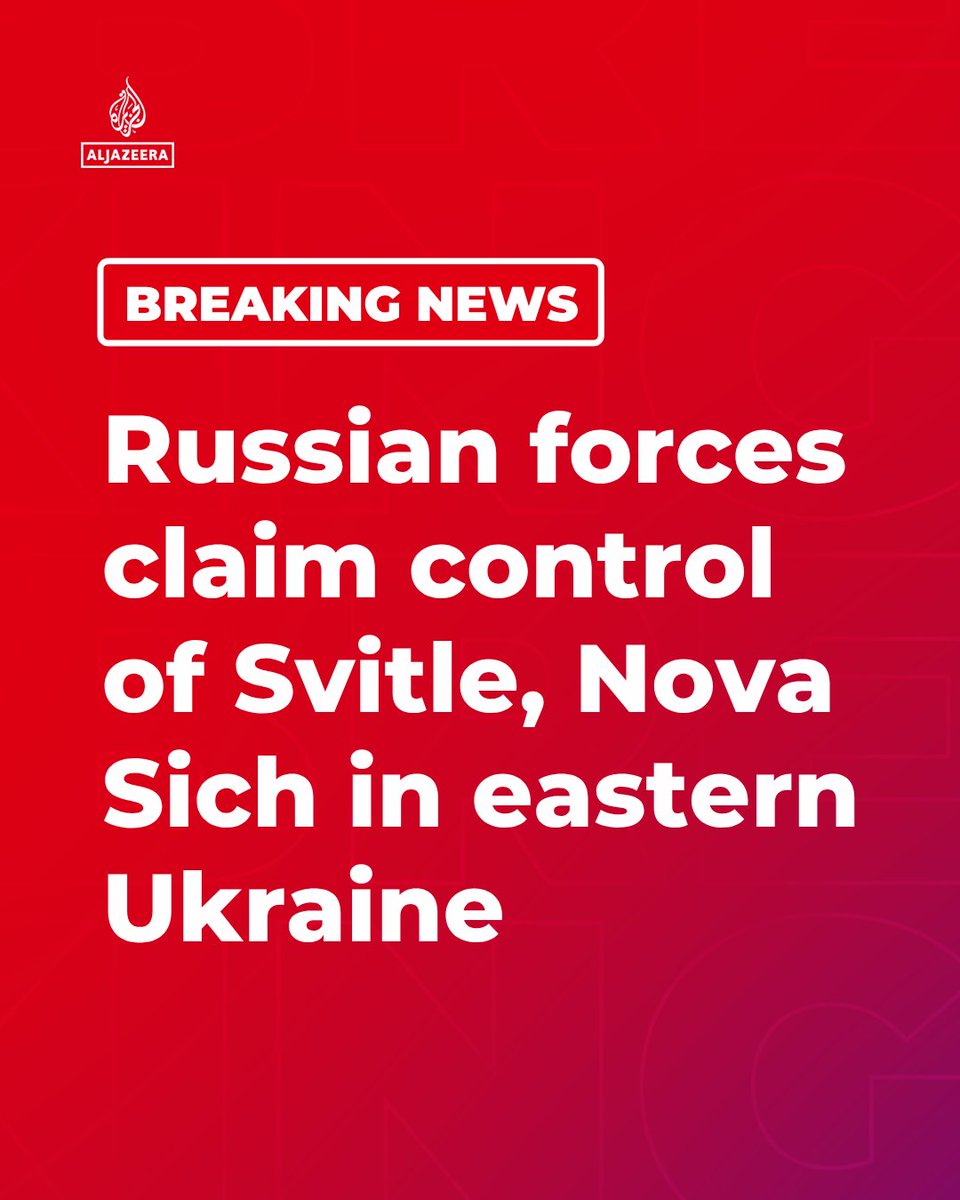
Between 09:31 and 17:37 UTC, Russian forces reported a series of territorial gains in eastern Ukraine, captured through coordinated ground movements rather than heavy artillery bombardments. The first documented seizure occurred in the villages of Svitle and Nova Sich in Donetsk Oblast, announced by the Russian Defense Ministry via the monitor_the_situation channel. Photographic evidence accompanying the claim showed Russian infantry units occupying the main streets of both settlements.
"Russia Captures Svitle and Nova Sich in Donetsk Oblast" – monitor_the_situation, 2026‑07‑29T09:31:37
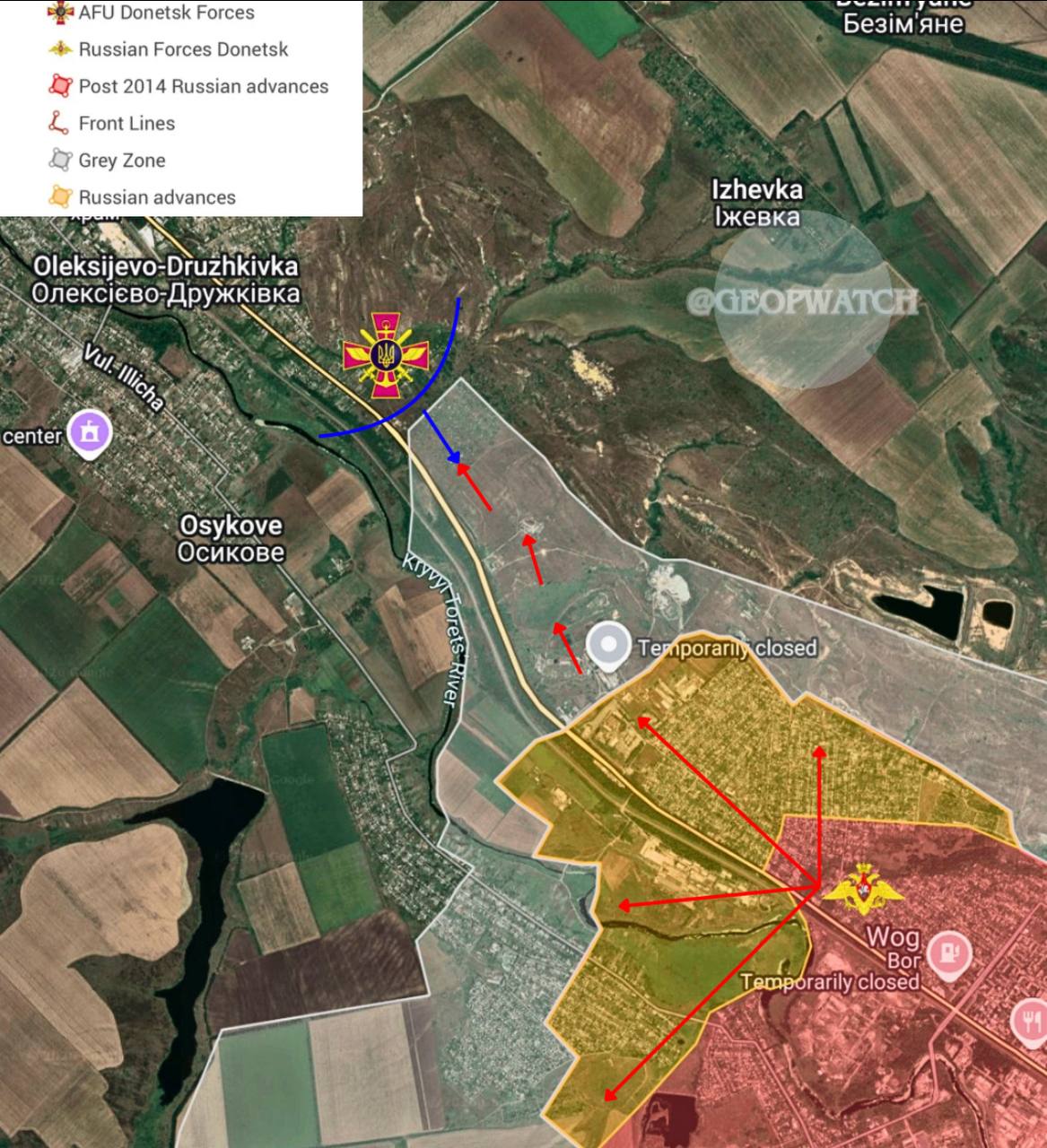
Subsequent reports indicated that Russian troops entered the village of Oleksiievo‑Druzhkivka, also in Donetsk Oblast, as part of a broader offensive aimed at consolidating control over the district’s northern approaches. The entry was confirmed by a brief text update without accompanying media, but the timing aligns with the larger push observed in the region.
"Russian forces have entered the village of Oleksiievo‑Druzhkivka in Donetsk Oblast, Ukraine, advancing in the ongoing ground assault." – monitor_the_situation, 2026‑07‑29T10:19:20
In the Kharkiv‑adjacent Donetsk city of Kostyantynivka, Russian forces captured the northeastern residential sector and proceeded to advance into the northwestern residential area. Geolocation data released by the open‑source monitoring group GeoPWatch showed Russian personnel moving through the southeastern residential district of the nearby town of Oleksijevo‑Druzhkivka, confirming a coordinated push across multiple fronts.
"The Russian military has captured the northeastern residential part of Kostyantynivka as well as advancing into the residential areas in the northwestern part of the city. From there Russian personnel have entered Oleksijevo‑Druzhkivka where they were geolocated walking around the southeastern residential part of the town." – GeoPWatch, 2026‑07‑29T17:37:18
Further east, the village of Chasov Yar, situated roughly 25 km from the strategic city of Kramatorsk, fell under Russian control after nine weeks of sustained bombardment. The capture was highlighted in a video posted by intelslava, which emphasized the gradual shrinking of the “fortress belt” around Kramatorsk and the pressure applied from multiple directions.
"Russia entered Chasov Yar this week after 9 weeks of bombardment. Southern outskirts secured. Pressure from all directions. The fortress belt is shrinking." – intelslava, 2026‑07‑29T15:37:20
Collectively, these movements represent a notable expansion of Russian ground presence in eastern Ukraine on a single day, with at least five distinct localities reported as captured or partially occupied. While casualty figures for these ground actions have not been disclosed, the rapid succession of advances suggests a coordinated operational tempo aimed at exploiting gaps in Ukrainian defensive lines.