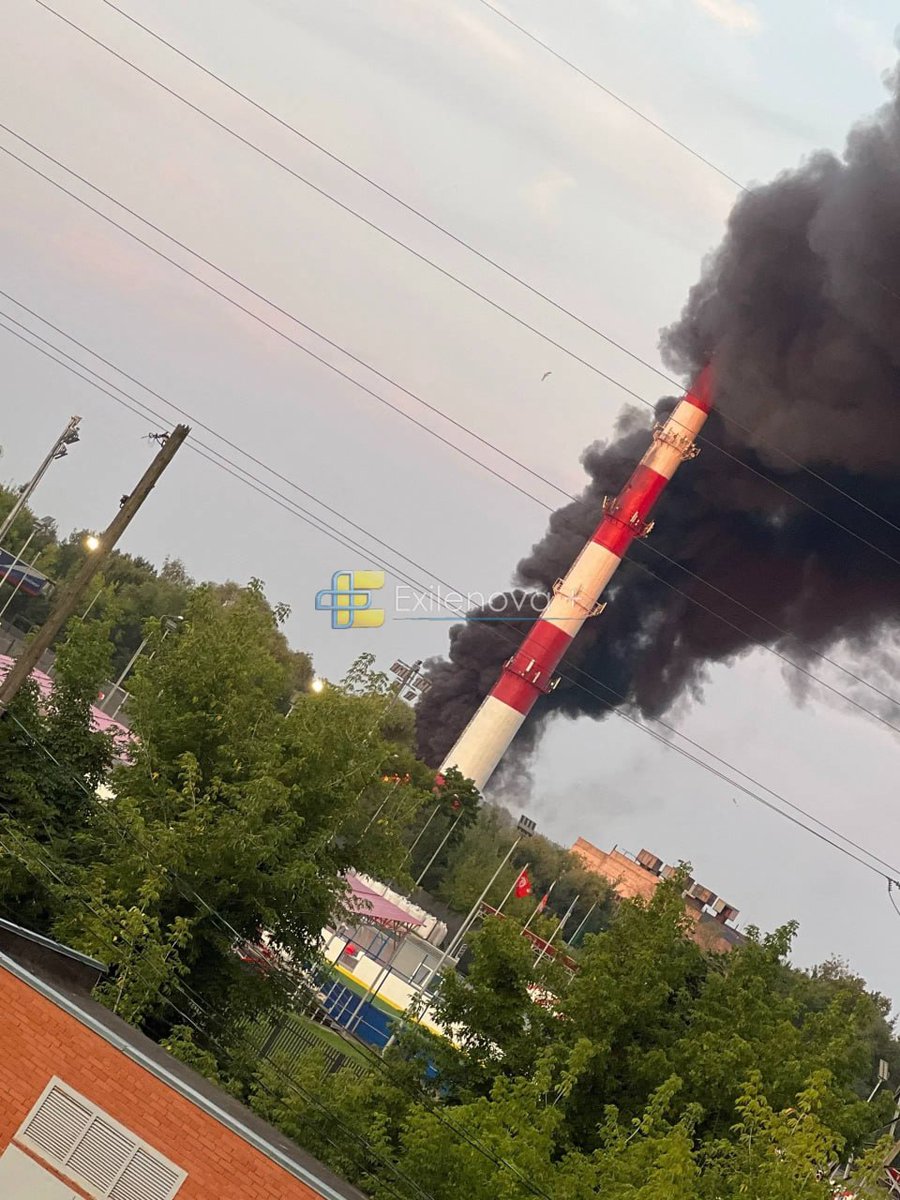
In the early hours of 28 July 2026, Ukrainian‑operated attack drones struck a Wildberries distribution warehouse on the outskirts of Moscow, igniting a large fire that forced emergency crews to intervene. The incident, reported by the Telegram channel monitor_the_situation, represents the most consequential single target of the day and underscores a shift toward high‑profile commercial infrastructure in Russia's capital region.
Ukrainian drones hit a Wildberries warehouse near Moscow, causing a fire. (https://t.me/monitor_the_situation/26251)
While no casualties were confirmed at the time of reporting, the blaze disrupted logistics for the nation’s largest e‑commerce retailer and prompted a visible security response. The attack employed a swarm of small‑scale attack drones, a tactic that has become increasingly prevalent in the conflict, allowing operators to overwhelm air‑defence systems and deliver kinetic effects against soft targets.
Gidrostal Plant in Chekhov Targeted by UAVs
At 02:18 UTC, a separate UAV strike hit the Gidrostal plant in Chekhov, Moscow Oblast. The facility, which manufactures heavy‑metal structures and specialized crane hydromechanical equipment, suffered extensive fire damage after the drones penetrated perimeter defenses. Photographic evidence posted by the same monitoring channel confirms the scale of the blaze and the rapid deployment of fire‑suppression units.
Ukrainian drones attacked the "Gidrostal" Plant in Chekhov, Moscow Oblast, causing a large fire. (https://t.me/monitor_the_situation/26249)
Again, no injuries were reported, but the loss of production capacity at a key industrial site is likely to affect supply chains for construction and heavy‑industry sectors across western Russia.
Massive Drone Raid Over Moscow
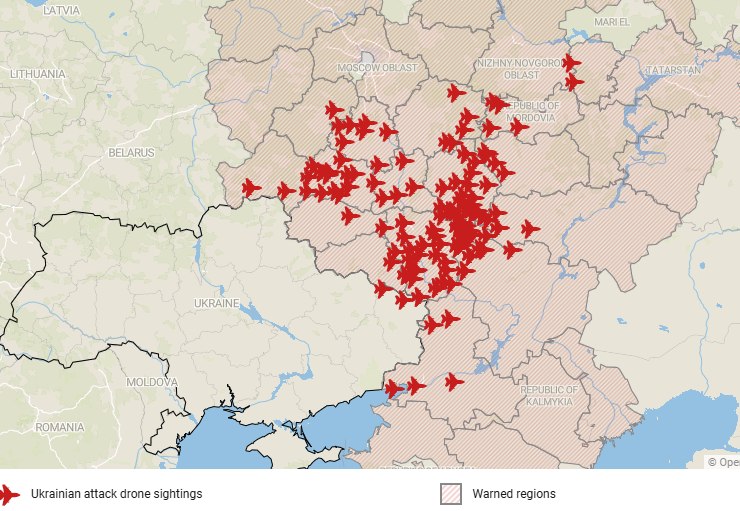
Between 00:30 and 01:00 UTC, Ukrainian forces launched a coordinated raid involving more than 400 drones aimed at the Moscow metropolitan area. The sheer volume of unmanned aircraft forced several regional airports to impose temporary arrival restrictions and heightened alert levels for air‑traffic controllers. While the majority of drones were intercepted by Russian air‑defence assets, the operation demonstrated an ability to saturate defensive networks and create a persistent threat environment.
Ukraine launched a major drone raid into Russia, 400+ drones reported, prompting airport restrictions. (https://t.me/monitor_the_situation/26245)
Official Russian statements did not disclose the number of drones shot down, but satellite imagery captured multiple smoke plumes over the city’s outskirts, suggesting at least several successful penetrations.
Russian Geran‑4 Drone Hits Ukrainian Locomotive
In a reciprocal action, a Russian‑manufactured Geran‑4 jet‑drone struck a locomotive in Verkhivtseve, Dnipropetrovsk Oblast, Ukraine, at 01:55 UTC. The impact damaged rail infrastructure but caused no reported fatalities. Video footage released by the monitoring channel shows the drone descending at low altitude before colliding with the train, highlighting the expanding use of loitering munitions on both sides of the front.
Russian Geran‑4 drone struck a Ukrainian locomotive in Verkhivtseve, damaging rail infrastructure. (https://t.me/monitor_the_situation/26248)
The incident illustrates the broader trend of UAVs being employed not only for strategic strikes but also for tactical disruption of logistics networks.
Operational Context and Implications
The series of UAV attacks on 28 July reflects a deliberate escalation in the use of unmanned systems to target economic and logistical nodes deep within Russian territory. By focusing on commercial warehouses, industrial plants, and transportation hubs, Ukrainian forces aim to erode the economic resilience of the Russian war effort while imposing a psychological cost on civilian populations. Conversely, the Russian Geran‑4 strike on Ukrainian rail assets demonstrates a reciprocal strategy of targeting critical supply lines.
Both sides continue to leverage commercially available drone platforms, modified for combat roles, alongside purpose‑built loitering munitions. The high‑volume raid over Moscow suggests an operational shift toward saturation attacks designed to stretch air‑defence resources, a tactic that may become more frequent as both parties expand their UAV inventories.