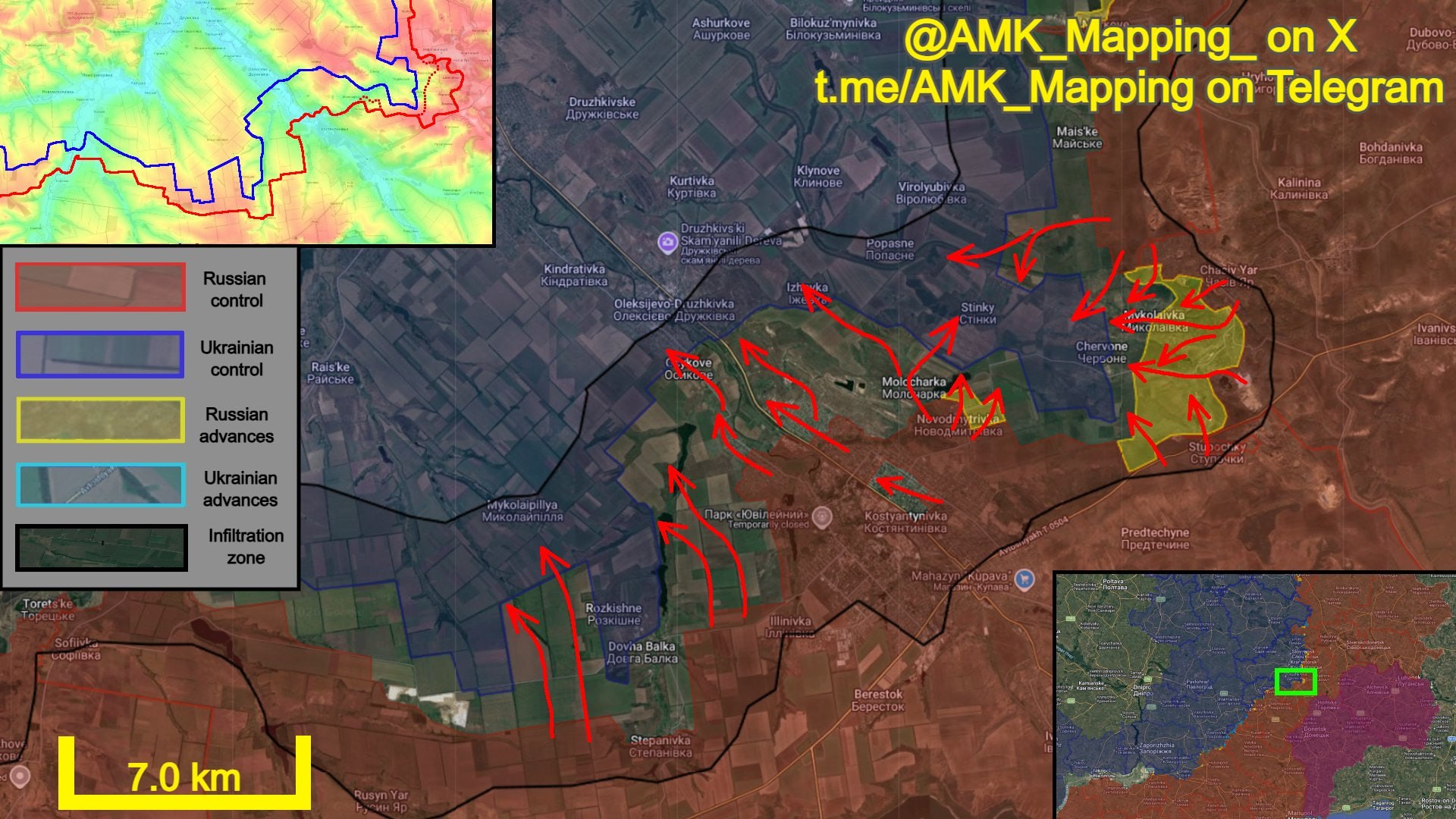
In the latest wave of kinetic activity across the Ukrainian theatre, Russian forces have secured the strategic city of Chasiv Yar after 840 days of combat and declared full control of the Bakhmut district in Donetsk Oblast. Simultaneously, Ukrainian forces have intensified drone‑based interdictions against Russian supply lines, striking pipelines, cargo vessels, and shadow‑fleet assets in the Black Sea and Sea of Azov. The combined effect underscores a shift toward high‑intensity, multi‑domain operations on both sides.
Russian Ground Advances Consolidate Gains in Donetsk
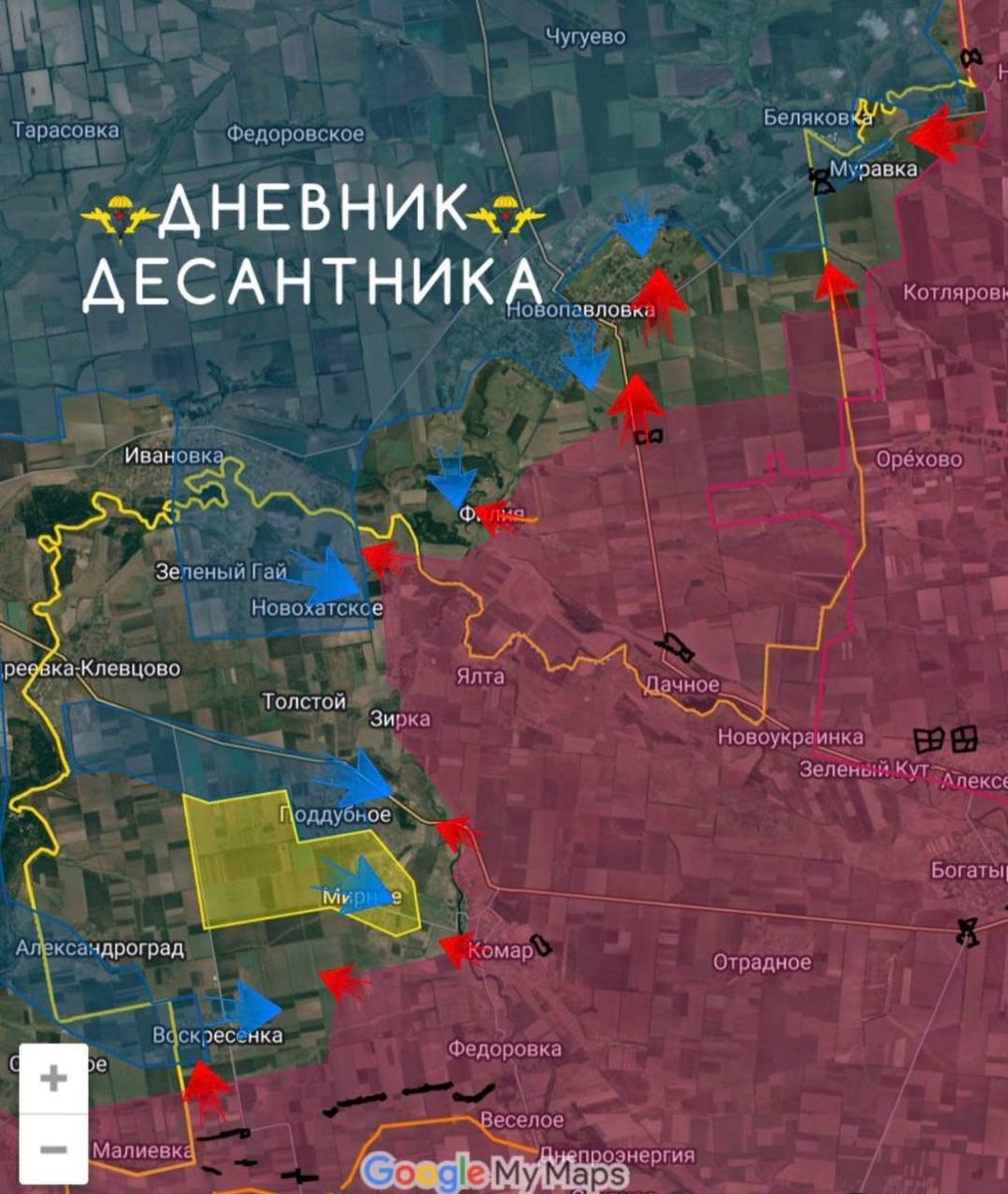
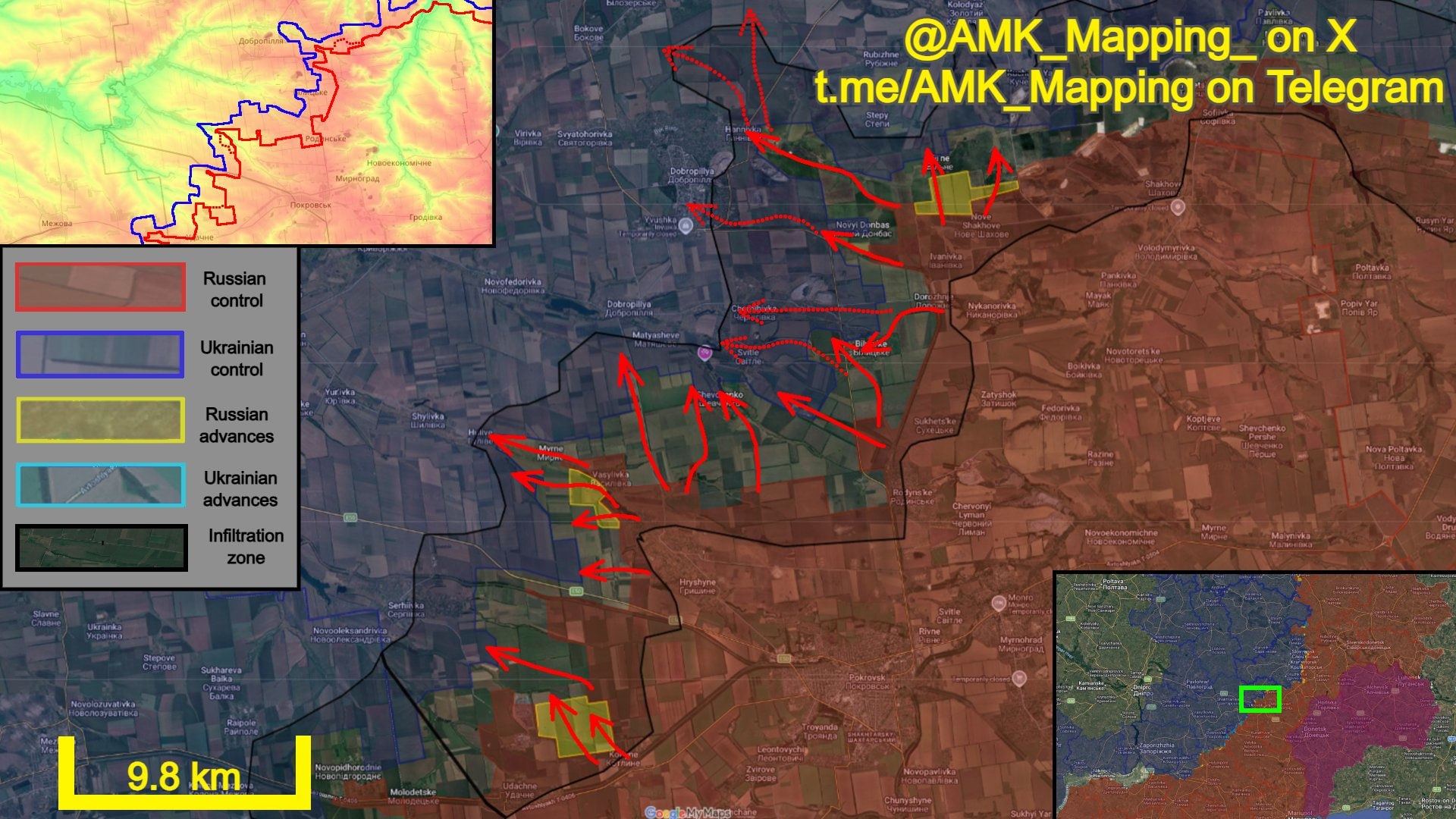
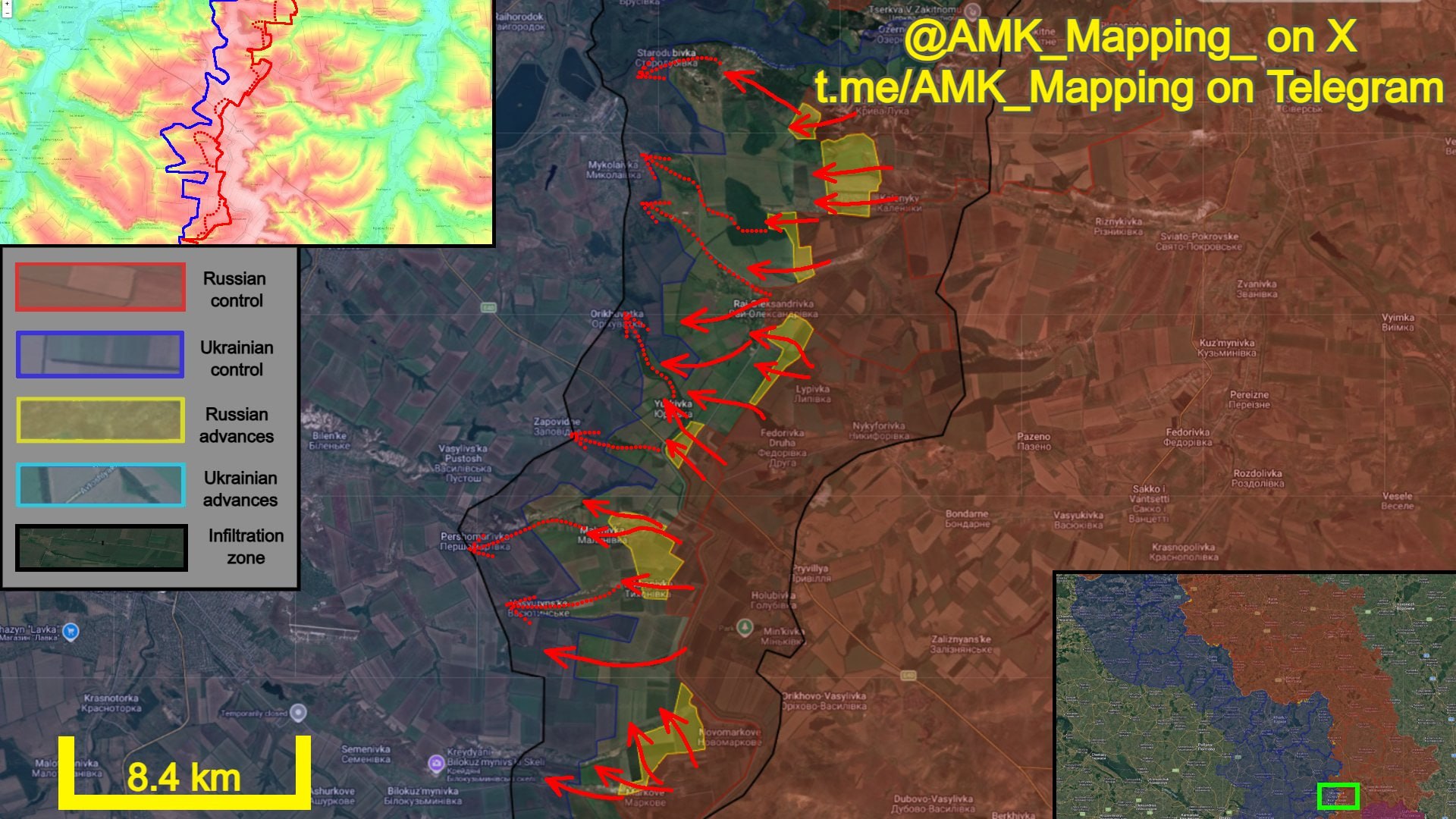
According to CIG_telegram, Russian troops captured Chasiv Yar on 28 July, ending a protracted 840‑day battle. The fall of the city follows a series of advances in the Slavyansk and Kramatorsk directions, including the seizure of Starodubovka and Nikolaevka villages. Russian forces also raised a flag in Khrystophorivka, Dnipropetrovsk Oblast, signalling control of that settlement (source).
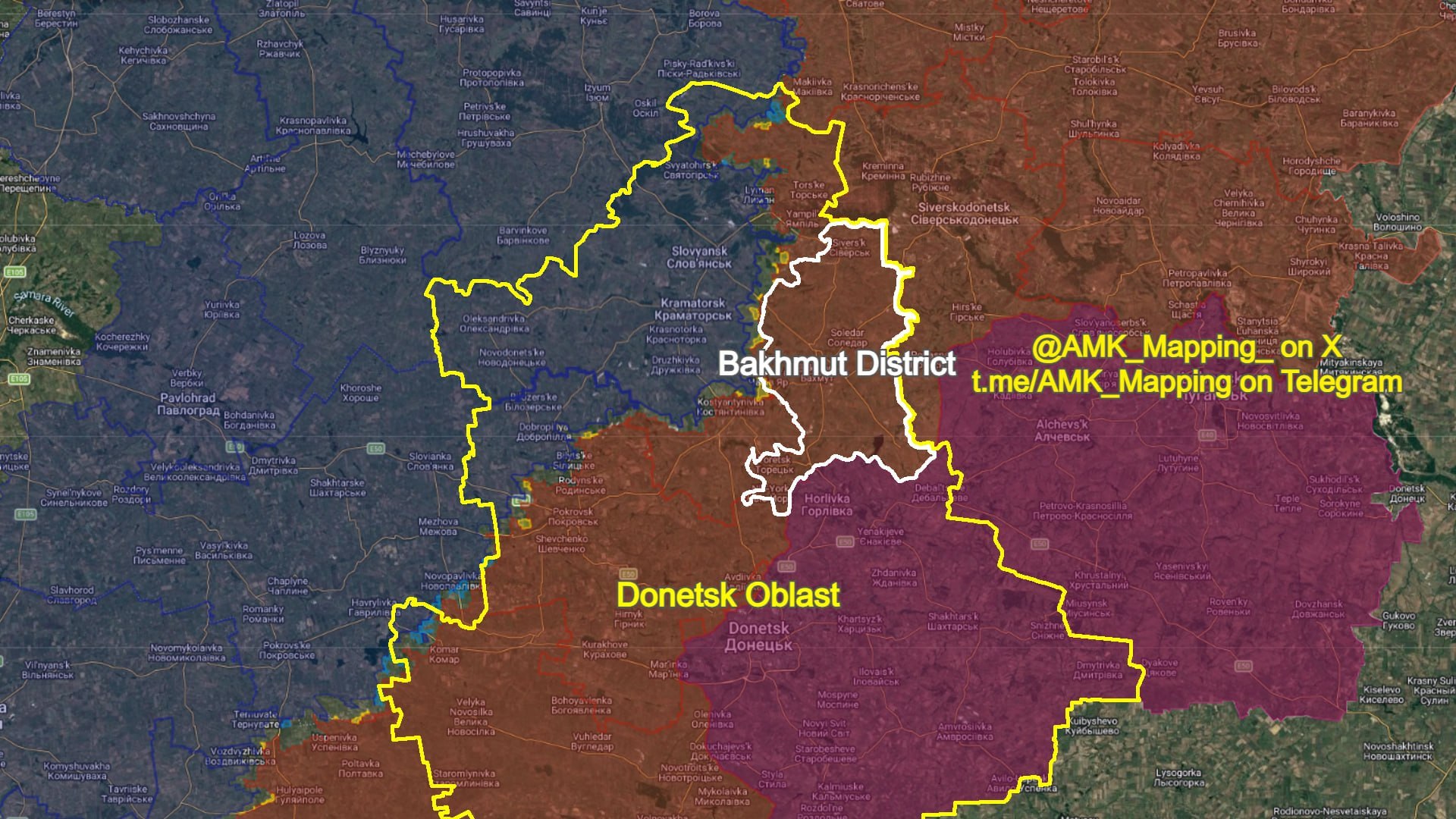
Further consolidation came with the official claim of full control over the Bakhmut district, expanding Russian authority to five of eight districts in Donetsk Oblast (source). The capture of Chasiv Yar and Bakhmut district represents a notable shift in the front‑line geography, granting Russia a contiguous foothold that threatens the defensive depth of Ukrainian forces in the region.
Ukrainian Counter‑Offensives and Drone Operations
Ukrainian forces have responded with a series of high‑precision drone strikes. A MiG‑29 intercepted three Geran‑4 seeker drones near Nikolaev, preventing further damage to port infrastructure (source). In Kharkiv Oblast, the 429th Achilles Brigade employed a Firefly guided munition to destroy a Russian pipeline branch near Kupiansk, disrupting fuel logistics (source).
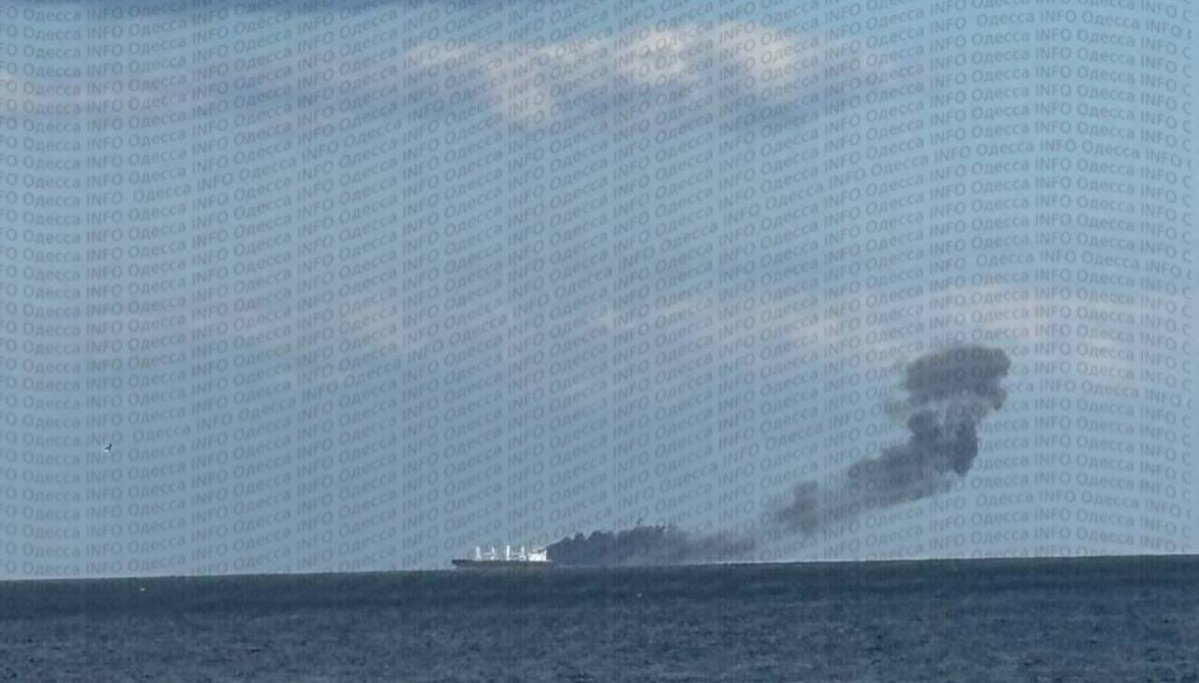
Ukrainian unmanned systems have also targeted Russian maritime assets. An FP‑1 drone struck the Russian bulk carrier NEW VICTORY in the northeastern Black Sea, and Ukrainian forces claim to have hit 201 vessels belonging to Russia’s shadow fleet across the Sea of Azov and Black Sea since 6 July (source). These actions aim to erode Russia’s ability to move ammunition and fuel through contested waterways.
Naval Engagements and Port Attacks
Russian naval activity remains pronounced. The Russian Ministry of Defense reported a strike on a bulk carrier carrying Ukrainian military cargo and a floating crane in the port of Nikolaev (source). Concurrently, Russian Geran‑4 drones attacked three cargo ships in Nikolaev and three additional vessels in the Dnieper‑Bug Estuary (source), illustrating a coordinated aerial‑maritime campaign.
Ukrainian forces also suffered a targeted IED attack in Odesa, where a Ukrainian Navy officer’s vehicle was destroyed, injuring the driver (source). While the perpetrator remains unidentified, the incident highlights the persistent threat of sabotage in rear‑area logistics hubs.
Civilian Impact and Humanitarian Toll
Amid the kinetic exchanges, civilian casualties continue to mount. Monitor_the_situation documented at least 20 civilian deaths and 134 injuries from strikes on civilian infrastructure across Ukraine on 26‑27 July (source). The same outlet reported a separate incident in Shebekino, Belgorod Oblast, where a Ukrainian drone attack on a passenger bus injured 19 civilians (source), underscoring the cross‑border dimension of the conflict.
Broader Regional Dynamics
While the focus of this briefing is Ukraine, related kinetic events illustrate the expanding theater. Ukraine’s strike on an Iranian vessel in the Caspian Sea signals a widening of its campaign against networks supporting Russia (source). In the Red Sea, Houthis have continued missile and naval attacks on Saudi tankers, reflecting a parallel maritime conflict that strains regional security resources.
"The capture of Chasiv Yar after 840 days of fighting marks a decisive moment in the Donetsk offensive, reshaping the front line and pressuring Ukrainian defensive allocations," analyst commentary, CIG_telegram
Overall, the July 28 snapshot reveals a conflict increasingly defined by rapid, technology‑driven strikes and territorial consolidation. Russian ground gains in Donetsk provide a platform for further offensives, while Ukrainian drone and naval operations aim to blunt Russian logistical advantages and impose attrition on maritime supply routes.