On 28 July 2026 at 05:36 GMT, the Israeli military conducted a series of bombing and demolition operations in southern Lebanon, marking the most significant escalation in the region today. The attacks were reported by the Lebanese National News Agency (NNA) and corroborated by video evidence shared on the monitoring channel monitor_the_situation. While casualty figures have not been released, the use of conventional bombs against undisclosed targets underscores a renewed willingness by Israel to project force beyond its borders.
Operational Details of the Southern Lebanon Strike
The strike involved multiple aerial platforms delivering ordnance on structures identified as hostile or strategically valuable. According to the NNA report, the operations were described as “bombing, demolition operations,” suggesting a combination of high‑explosive munitions and precision‑guided weapons. No affiliated militant group claimed responsibility for the targets, and the Israeli Defence Forces (IDF) have not issued an official statement, leaving the strategic intent open to interpretation.
"Israel conducting 'bombing, demolition operations' in southern Lebanon, according to the Lebanese National News Agency (NNA)." – monitor_the_situation
Rocket Alerts Across Israel’s Gaza Envelope
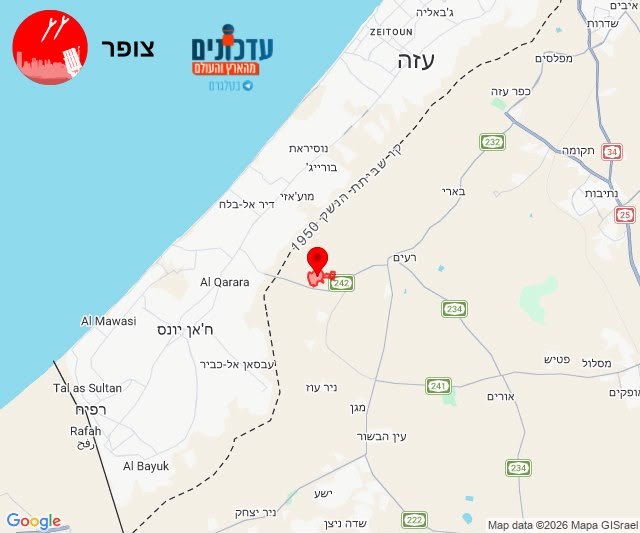
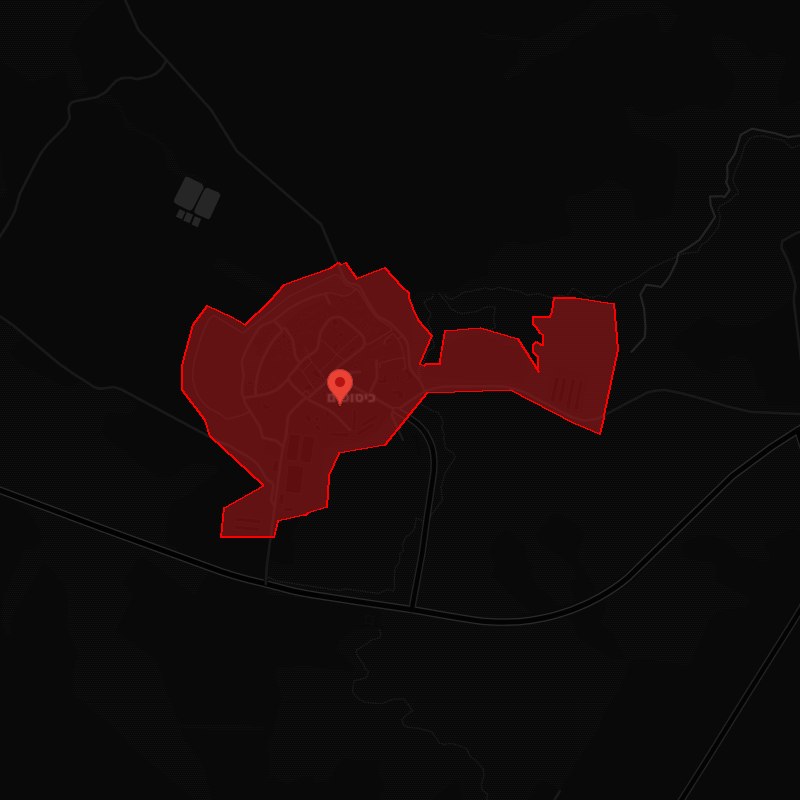
Simultaneously, residents of Kissefim in Israel’s Gaza envelope experienced a rocket alert at 02:25 GMT, as reported by the Telegram channel idkunim_il (source). A second, nearly identical alert was posted a minute earlier by RocketAlert.live (source), confirming the detection of a rocket or missile trajectory aimed toward the same locality. Photographic evidence accompanying both alerts shows residents seeking shelter, though no impact or casualty reports have emerged.
"Alert in Kissefim in the Gaza envelope" – idkunim_il
"Rocket/Missile alert 2026-07-28 05:23:56: Gaza Envelope: Kissufim" – RocketAlert.live
The rapid succession of alerts highlights the persistent volatility along Israel’s northern and southern frontiers, where civilian populations remain on high alert for cross‑border fire.
Iranian Executions Heighten Domestic Unrest
In Tehran‑proximate Isfahan, Iranian authorities carried out a series of executions that have sparked immediate protests. According to GeoPWatch (source), three individuals were executed, prompting demonstrators to gather near the execution site. The protests were reportedly dispersed using live ammunition and rubber‑bullet fire, resulting in multiple injuries and at least three confirmed deaths. The exact identities of the executed persons were not disclosed, but the incident follows a pattern of harsh punitive measures against perceived dissent.
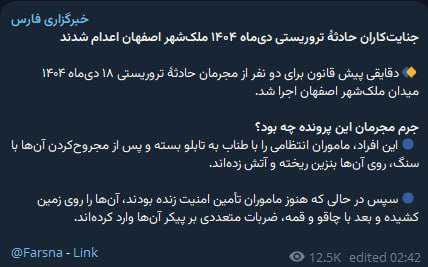
Earlier in the day, the IRGC‑controlled Fars News agency reported the execution of two protesters during morning prayers, accusing them of participation in the January 2026 anti‑regime protests (source). The executions were framed as a response to “direct action against Islamic Republic security forces” during the earlier wave of unrest.
"IRGC-controlled Fars News reports that 2x Iranian protesters were executed at the morning prayers." – BellumActaNews
Additional intelligence from BellumActaNews (source) indicated that four snipers were positioned on a building overlooking the Isfahan execution site, suggesting a heightened security posture and an intent to deter further public assembly.
"Four snipers were deployed on a building near the execution site in Isfahan." – BellumActaNews
Israeli Civil Administration Demolitions in the West Bank
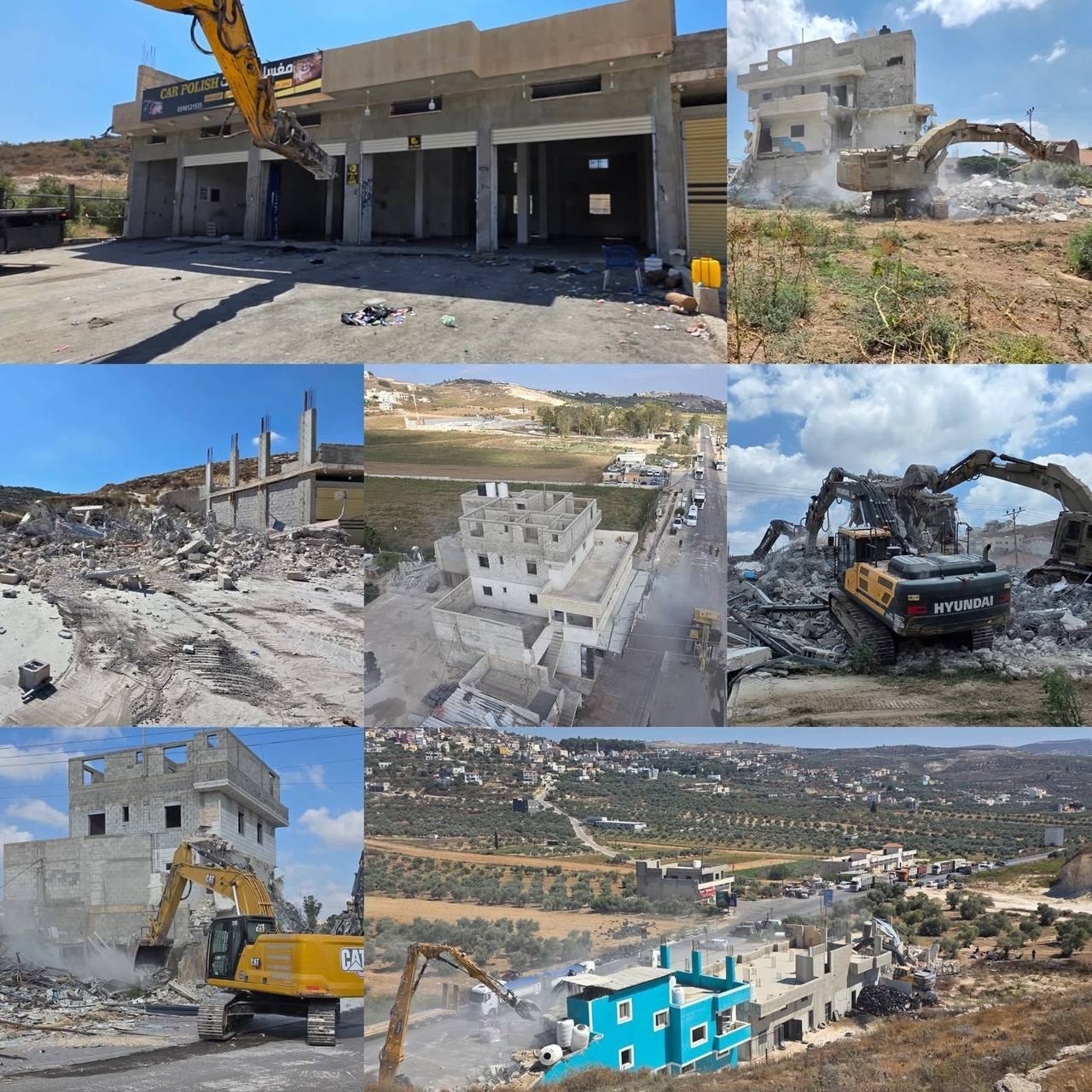
At 05:24 GMT, the Israeli Civil Administration’s monitoring unit demolished two large Palestinian structures in the northern West Bank, as reported by idkunim_il (source). The first was a four‑storey, 800 sqm building used for both industrial activity and housing; the second was a 450 sqm facility serving commercial and industrial purposes. No casualties were reported, but the demolitions represent a continuation of settlement‑related enforcement actions that exacerbate tensions between Israeli authorities and Palestinian residents.
UAV Interception Near the Israel‑Jordan Border
At 03:00 GMT, the Israeli Air Force intercepted an unmanned aerial vehicle (UAV) near the Jordanian border, according to an IDF spokesperson cited by idkunim_il (source). The drone did not cross into Israeli airspace, and its launch origin remains under investigation. The interception was carried out without triggering public alerts, indicating a controlled response to a potential aerial threat.
"A short time ago, the Air Force intercepted an unmanned aircraft that was identified at the Jordan border. The aircraft did not cross into Israeli territory; the launch source is under investigation." – IDF spokesperson
Implications for Regional Stability
The convergence of Israeli kinetic actions in Lebanon and the West Bank, coupled with Iranian internal repression, creates a multi‑front environment of heightened risk. While each event originates from distinct national agendas, the cumulative effect is an erosion of de‑escalation channels and an increase in civilian exposure to violence. International observers are urged to monitor the situation closely, particularly the potential for retaliatory attacks from non‑state actors in Lebanon and Gaza, as well as the possibility of broader unrest spilling over from Iran’s domestic crackdown.