On 27 July 2026, intense kinetic exchanges continued across Ukraine, highlighted by a series of coordinated strikes that resulted in civilian and military casualties, infrastructure damage, and heightened strategic signaling.
Chernihiv and surrounding areas: ten fatalities in reciprocal strikes
At approximately 03:30 UTC, Russian air‑strike assets targeted the city of Chernihiv, striking a residential district and a supermarket. According to Al Jazeera, the attack killed six people, including a child, and injured several others. Within the same hour, Ukrainian forces launched retaliatory strikes on Russian‑controlled positions in the north‑eastern sector, accounting for four additional deaths. The combined toll of ten fatalities underscores the escalating tit‑for‑tat pattern of kinetic operations in the region.
“Russian strikes killed six, including a child at a supermarket, as Moscow says Ukrainian strikes killed four.” – Al Jazeera, 27 July 2026
Ukrainian drone assault on Russian S‑400 battery near the Kerch Strait
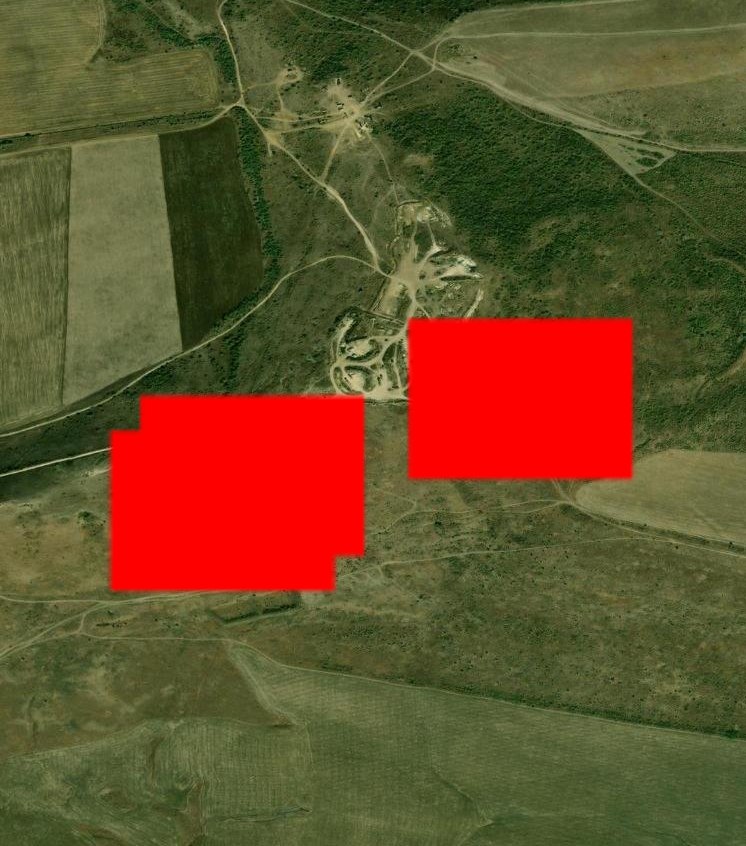
At 05:36 UTC, Ukrainian unmanned aerial systems engaged a Russian S-400 air‑defence battery positioned on the northern approach to the Kerch Strait in Crimea. Satellite imagery captured by monitor_the_situation showed multiple large fires erupting at the battery site, indicating successful neutralisation of at least one launch module. The strike demonstrates Ukraine’s expanding use of tactical drones to degrade high‑value Russian air‑defence assets in contested maritime zones.
Russian Geran drone attacks on Pavlohrad and Synelnykove
Just minutes earlier, at 05:31 UTC, Russian‑manufactured Geran drones penetrated Ukrainian airspace and struck the cities of Pavlohrad and Synelnykove in Dnipropetrovsk Oblast. Video evidence released by monitor_the_situation shows extensive fireballs at undisclosed targets, suggesting attacks on logistical depots or fuel storage facilities. No casualty figures have been confirmed, but the incidents reflect a sustained Russian drone campaign aimed at disrupting Ukrainian supply lines in the central theatre.
Naval loss off Odesa: a vessel sinks
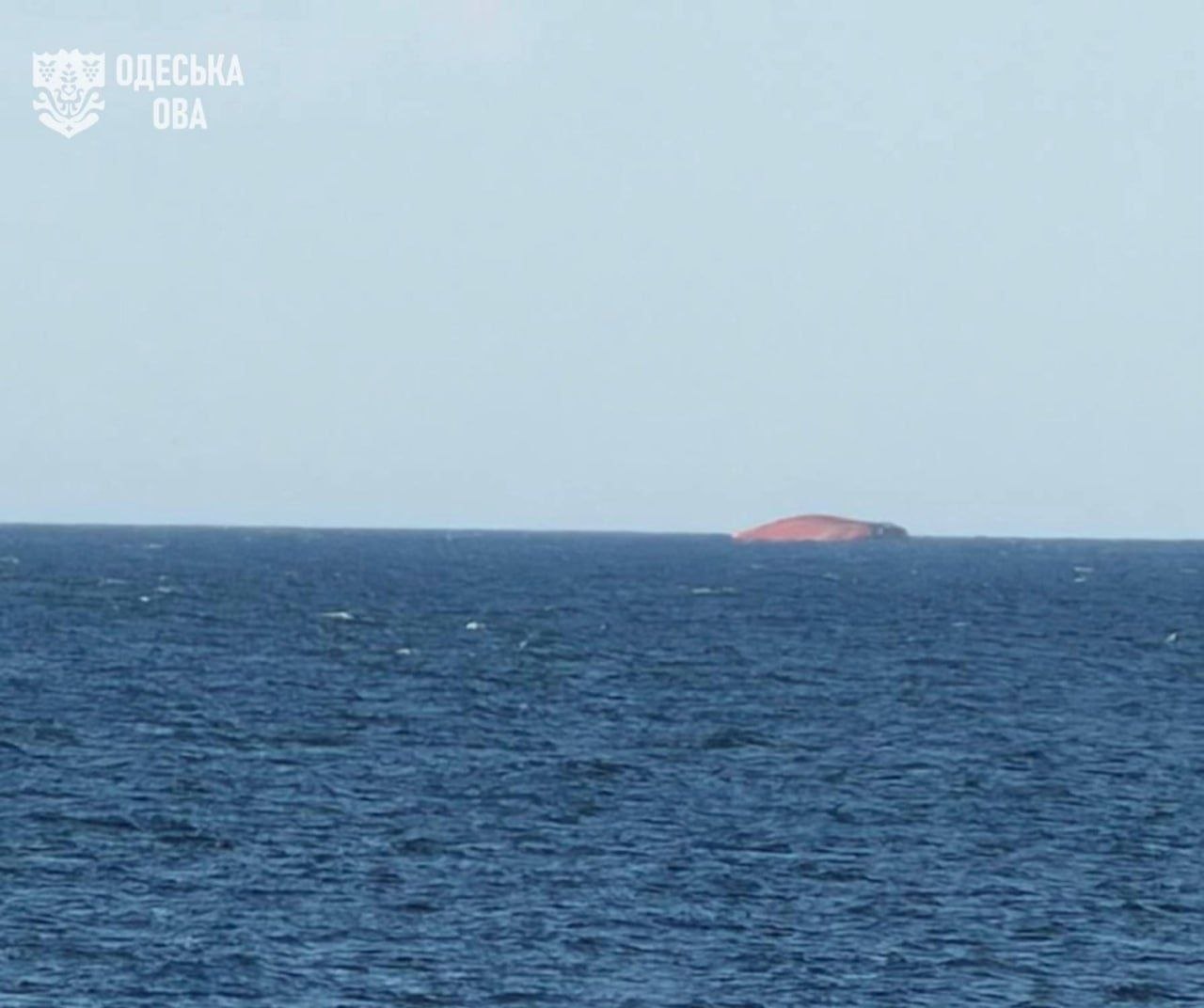
At 04:26 UTC, a report from intelslava indicated that an unidentified vessel sank off the coast of Odesa in the Black Sea. The brief statement, "He went down," provides no further details on the vessel’s type, ownership, or the cause of the sinking. While the incident’s strategic impact remains unclear, it adds to the pattern of maritime attrition observed in the Black Sea corridor.
Strategic signalling: Russia’s Poseidon nuclear‑capable underwater drone
In a separate development, Russian President Vladimir Putin announced that the Poseidon nuclear‑capable underwater drone is approaching operational deployment following a series of successful tests. The claim, circulated by the OSINT channel OSINTdefender, highlights a shift toward long‑range, sub‑sea strike capabilities that could alter the strategic calculus of the conflict. Although the Poseidon system has not yet been employed in Ukraine, its announced readiness underscores Moscow’s intent to expand its deterrent posture.
Collectively, these events illustrate a multi‑domain escalation in Ukraine, with air, land, and maritime kinetic actions intensifying alongside strategic weapons development. The continued use of drones by both sides, the targeting of high‑value air‑defence infrastructure, and the emergence of new weapon platforms suggest a conflict environment that remains highly fluid and increasingly complex.