On 27 July 2026 Saudi Arabia experienced a wave of kinetic attacks on its oil and gas infrastructure, including confirmed drone strikes, missile impacts, and subsequent fires at the Jazan Refinery, the Abqaiq refinery complex, and the Yanbu Oil Terminal. Saudi defense forces intercepted several hostile unmanned aerial systems (UAS) launched from Iraq, while satellite imagery documented extensive damage to fuel storage tanks and processing units. The incidents represent the most concentrated series of assaults on Saudi energy assets in a single day, underscoring heightened regional volatility.
Overview of the Attacks
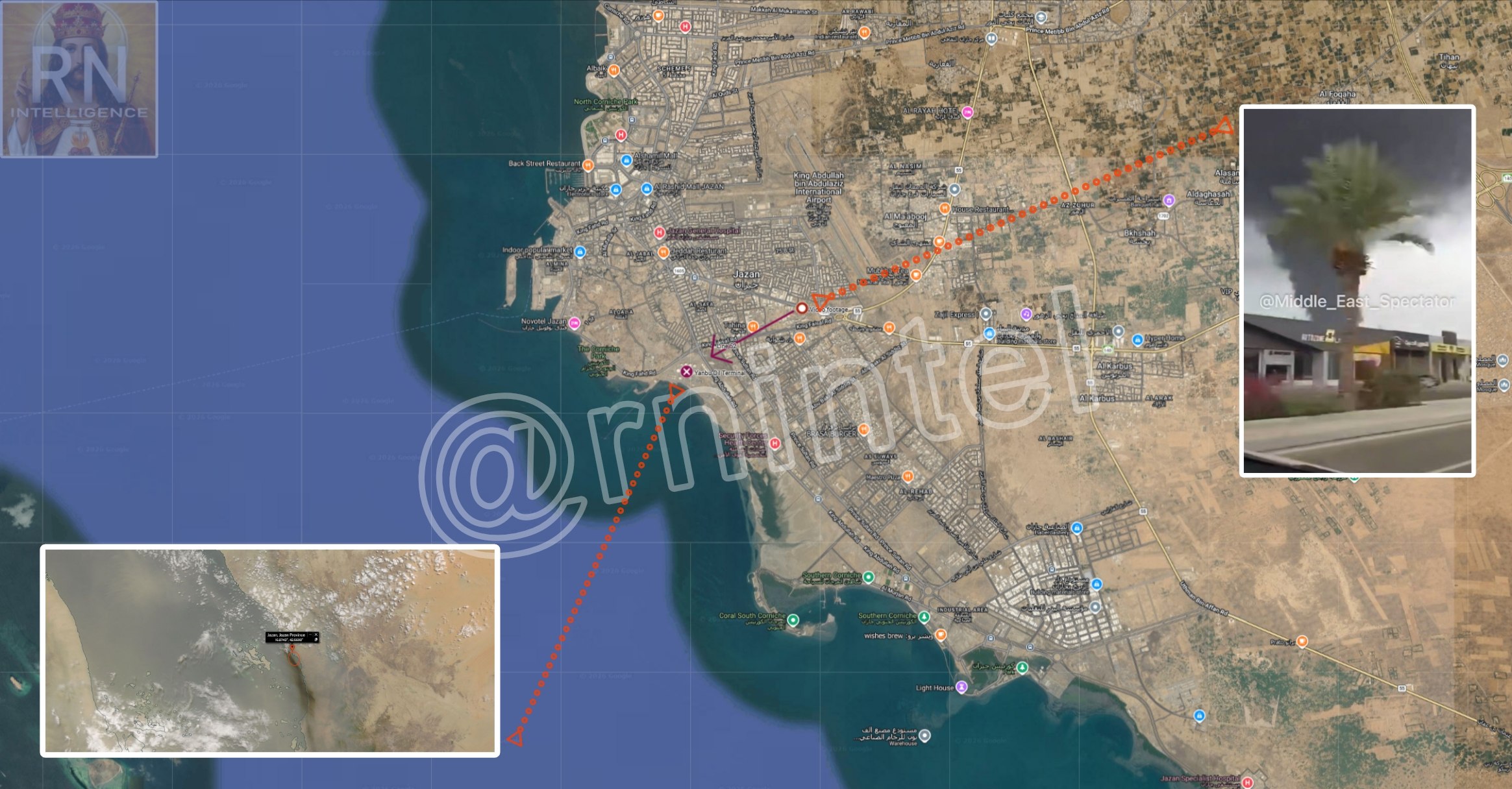
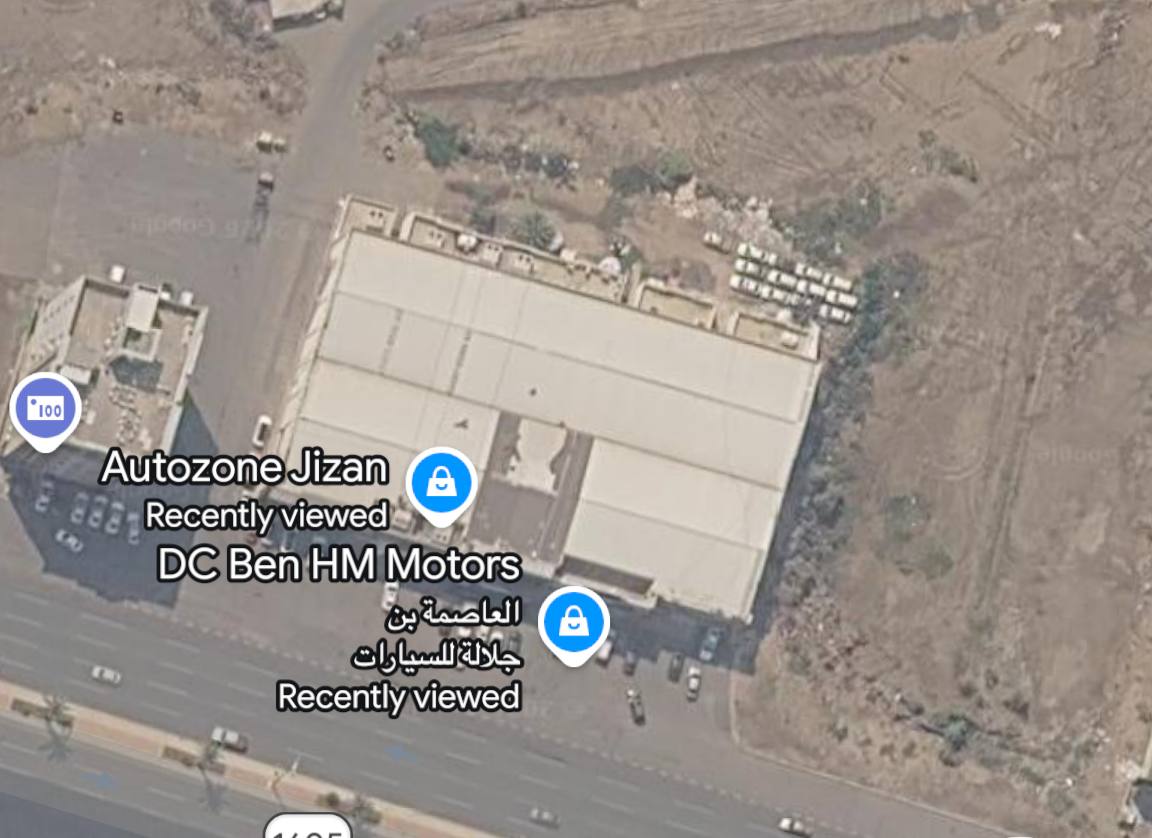
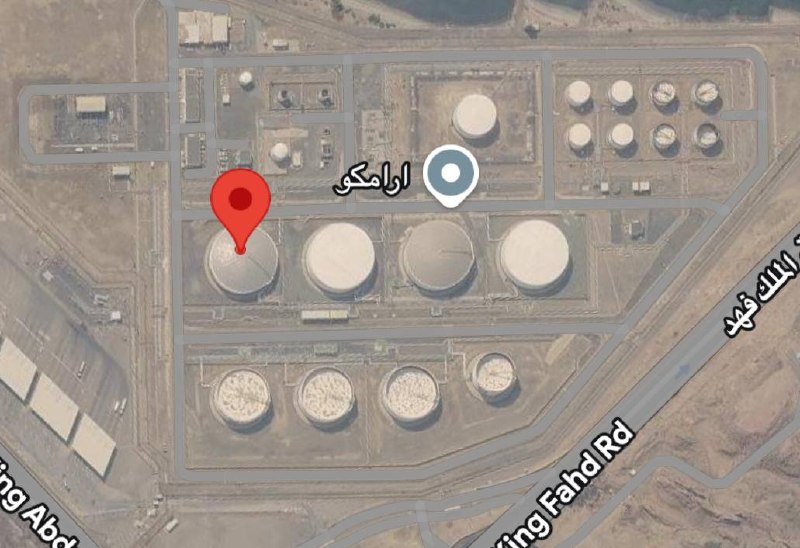
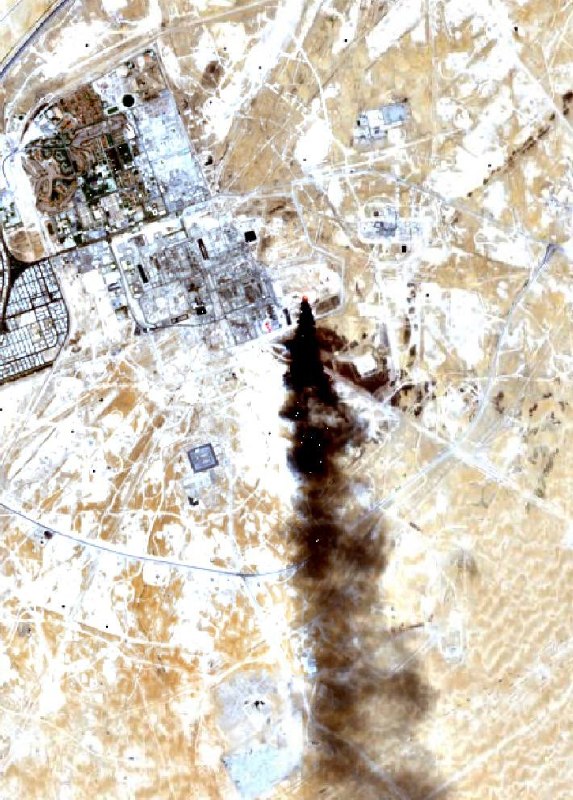
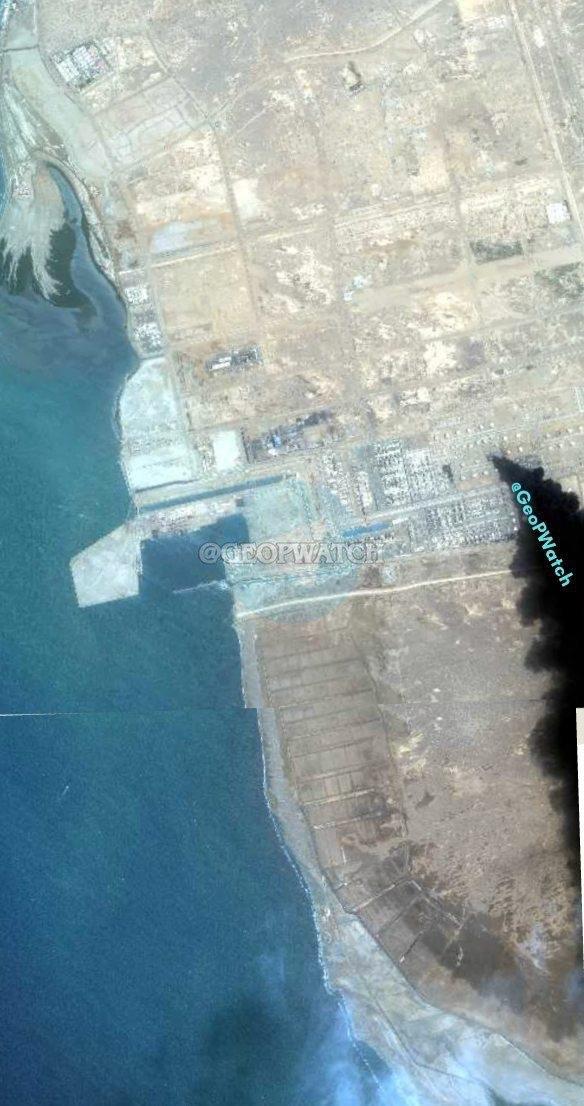
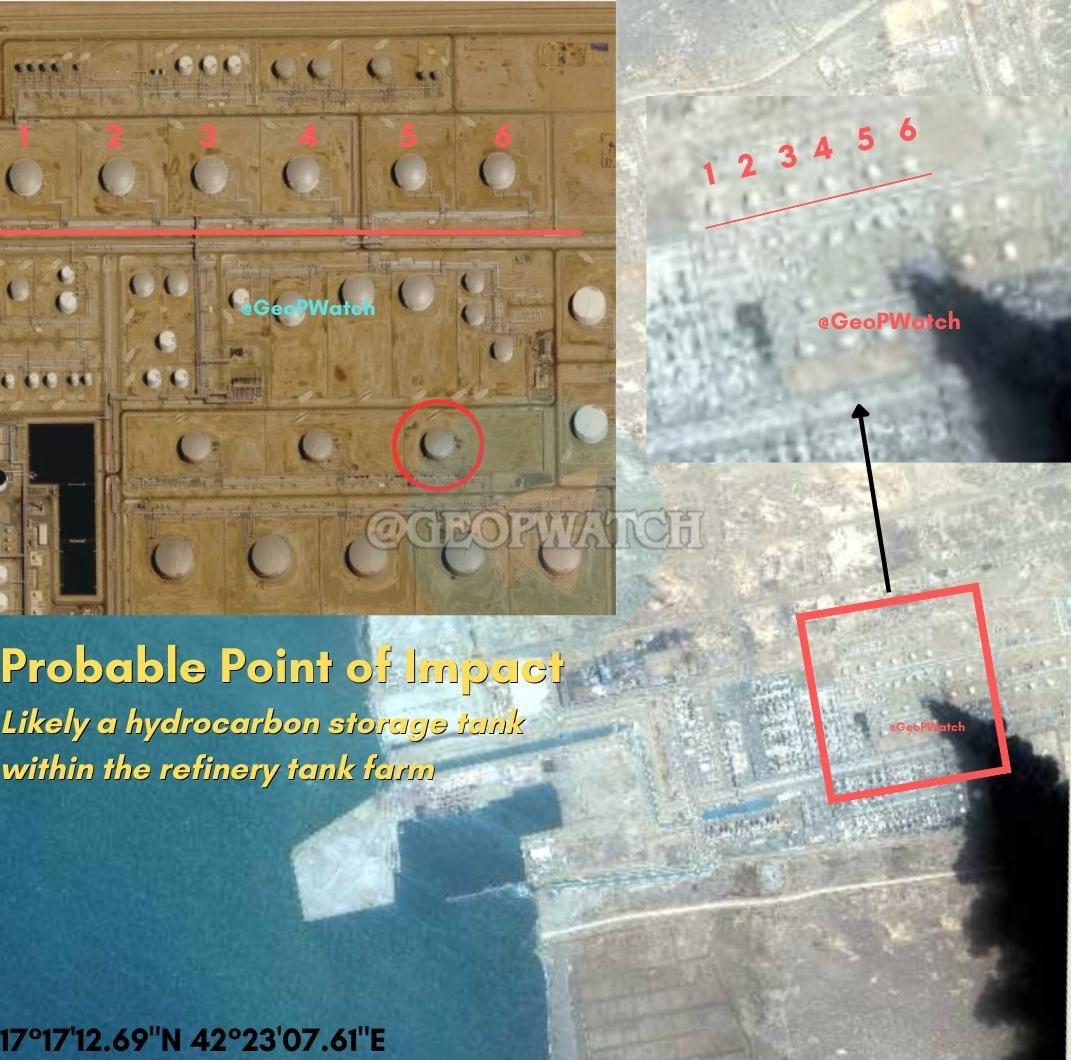
Between 10:44 UTC and 16:18 UTC, at least five separate kinetic events were reported within Saudi territory. The first confirmed strike occurred at the Jazan Refinery tank farm, where a missile—identified by GeoPWatch as a probable Houthi‑launched projectile—impacted an above‑ground storage tank, generating a visible smoke plume (Source: GeoPWatch, 2026‑07‑27T06:33:55). Within the next two hours, satellite imagery captured a large fire at the Abqaiq refinery, attributed to a drone attack launched from Iraq (Source: CIG_telegram, 2026‑07‑27T13:31:08). Shortly thereafter, smoke plumes were observed at the Yanbu Oil Terminal on the Red Sea coast, indicating an attack on the facility that processes and exports a significant share of Saudi crude (Source: rnintel, 2026‑07‑27T14:14:49). Additional footage showed burning fuel tanks along King Fahd Road in Jizan, confirming that the Jazan attacks extended beyond the refinery to nearby storage installations (Source: CIG_telegram, 2026‑07‑27T13:54:34).
Targeted Facilities and Damage
Jazan Refinery and Fuel Storage: The GeoPWatch analysis (2026‑07‑27T06:33:55) identified a missile impact on the Jazan Refinery tank farm, located approximately 45 km north of the city of Jazan. Subsequent video from CIG_telegram (2026‑07‑27T13:54:34) showed multiple fuel tanks along King Fahd Road engulfed in flames, suggesting coordinated strikes on both processing and storage assets. Casualty figures were not released, but the visual evidence points to significant material loss.
Abqaiq Refinery: Satellite imagery released by CIG_telegram (2026‑07‑27T13:31:08) displayed a large fireball at the world’s largest crude stabilization facility. The attack was linked to a drone launched from Iraq, a claim corroborated by the Saudi Ministry of Defense, which reported intercepting several attack drones targeting the Eastern Province and Riyadh (Source: GeoPWatch, 2026‑07‑27T12:21:06). The refinery’s output capacity is critical for global oil markets; any prolonged disruption could affect supply chains.
Yanbu Oil Terminal: Video and photographic evidence from rnintel (2026‑07‑27T14:14:49) captured dense smoke rising from the Yanbu terminal, a key export hub for Saudi crude destined for European and Asian markets. While the Ministry of Defense confirmed drone interceptions in the region, no direct attribution for the Yanbu incident was provided. The timing coincides with a broader pattern of cross‑border drone activity.
Air Defense Response and Interceptions
Saudi air defenses engaged multiple hostile UAVs on the same day. The Ministry of Defense announced the downing of several Iranian‑backed drones launched from Iraq, aimed at oil facilities in the Eastern Province and the capital Riyadh (Source: GeoPWatch, 2026‑07‑27T12:21:06). Earlier, the Saudi Ministry of Defense also reported that the Islamic Resistance in Iraq had launched attack drones toward the Abqaiq refinery, which were successfully intercepted (Source: intelslava, 2026‑07‑27T12:57:09). These statements were echoed in a broader regional context, where Jordan and Israel also reported shooting down unmanned aircraft near their borders (Sources: idkunim_il, 2026‑07‑27T07:55:16; monitor_the_situation, 2026‑07‑27T11:30:39).
"Our air defense systems have neutralized multiple hostile drones targeting critical energy infrastructure. The Kingdom remains vigilant and prepared to protect its sovereign assets," Saudi Ministry of Defense spokesperson said on 27 July 2026.
Regional Implications
The concentration of attacks on Saudi oil facilities aligns with a broader escalation of proxy conflicts involving Iran‑aligned militias, Houthi forces, and Yemeni Ansarullah elements. Houthi naval blockades have already reduced Saudi oil exports by an estimated 50%, curtailing 3–4 million barrels per day (Source: intelslava, 2026‑07‑27T12:04:27). The simultaneous drone and missile strikes suggest a coordinated campaign to pressure Saudi energy revenues, which fund the Kingdom’s defense and domestic programs.
International markets responded swiftly; Brent crude prices rose by 1.2 % in early trading following the reports of damage at Abqaiq and Yanbu. Analysts note that any sustained disruption at Abqaiq could have outsized effects given its role in stabilizing crude before export.
Source Attribution and Uncertainties
While Saudi officials have attributed several drone attacks to Iranian‑backed militias operating from Iraq, definitive responsibility for the missile strike on Jazan remains unconfirmed. GeoPWatch’s analysis points to a Houthi origin, consistent with the group’s recent pattern of targeting Saudi oil infrastructure from the Red Sea corridor. The lack of publicly released forensic evidence means that attribution will likely remain contested in the short term.
Furthermore, the Saudi Ministry of Defense’s statements focus on successful interceptions but provide limited detail on the number of drones engaged, the specific air defense systems employed, or any collateral damage incurred during engagements. Continued monitoring of satellite imagery and open‑source intelligence will be essential to assess the full impact of these kinetic events.