On 25 July 2026, Yemen’s Houthi‑aligned forces launched a synchronized wave of ballistic missiles against three strategic Saudi targets – the east‑west oil pipeline hub at Yanbu, the ARAMCO refinery complex in Jazan, and the King Khalid Air Base near Khamis Mushait. The attacks, reported by multiple open‑source channels, represent the most concentrated missile campaign against Saudi Arabia since the conflict’s escalation in 2024.
Coordinated strike on Yanbu, Jazan and Khamis Mushait
At 03:15 local time, the CIG_telegram channel posted a graphic‑rich alert indicating that "Yemeni ballistic missiles target Yanbu (east‑west pipeline), Jazan (ARAMCO), and Khamis Mushait (Khalid Airbase)"
❗️🇾🇪/🇸🇦 BREAKING: A new wave of Yemeni ballistic missiles target Yanbu (east‑west pipeline), Jazan (ARAMCO), and Khamis Mushait (Khalid Airbase)The message was accompanied by geolocation data confirming impact zones near each facility. No immediate casualty figures were released, and on‑site assessments from Saudi authorities remain pending.
Yanbu pipeline hub
The Yanbu complex houses a critical segment of Saudi Arabia’s east‑west crude‑oil pipeline, which transports oil from the Red Sea coast to the Gulf. Satellite imagery captured shortly after the strike showed smoke plumes and a localized explosion near the pipeline’s main valve station. While the pipeline remained operational, preliminary reports suggest temporary shutdown of a 30‑kilometre segment for safety inspections.
Jazan ARAMCO refinery
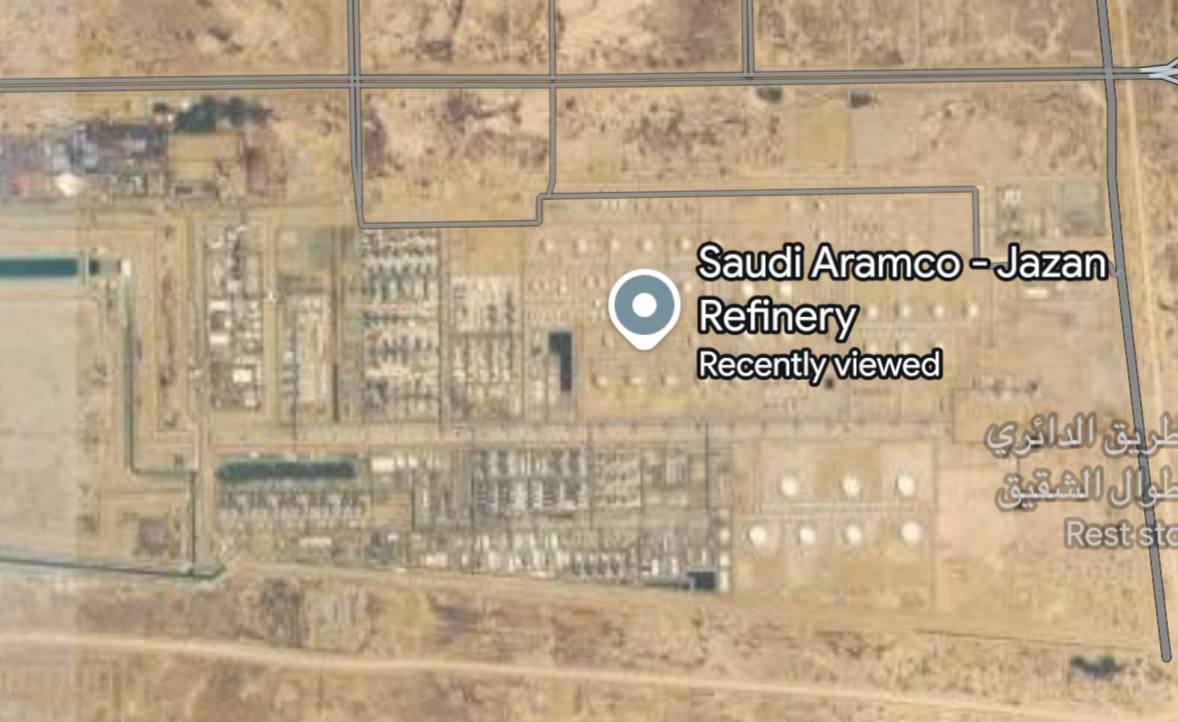
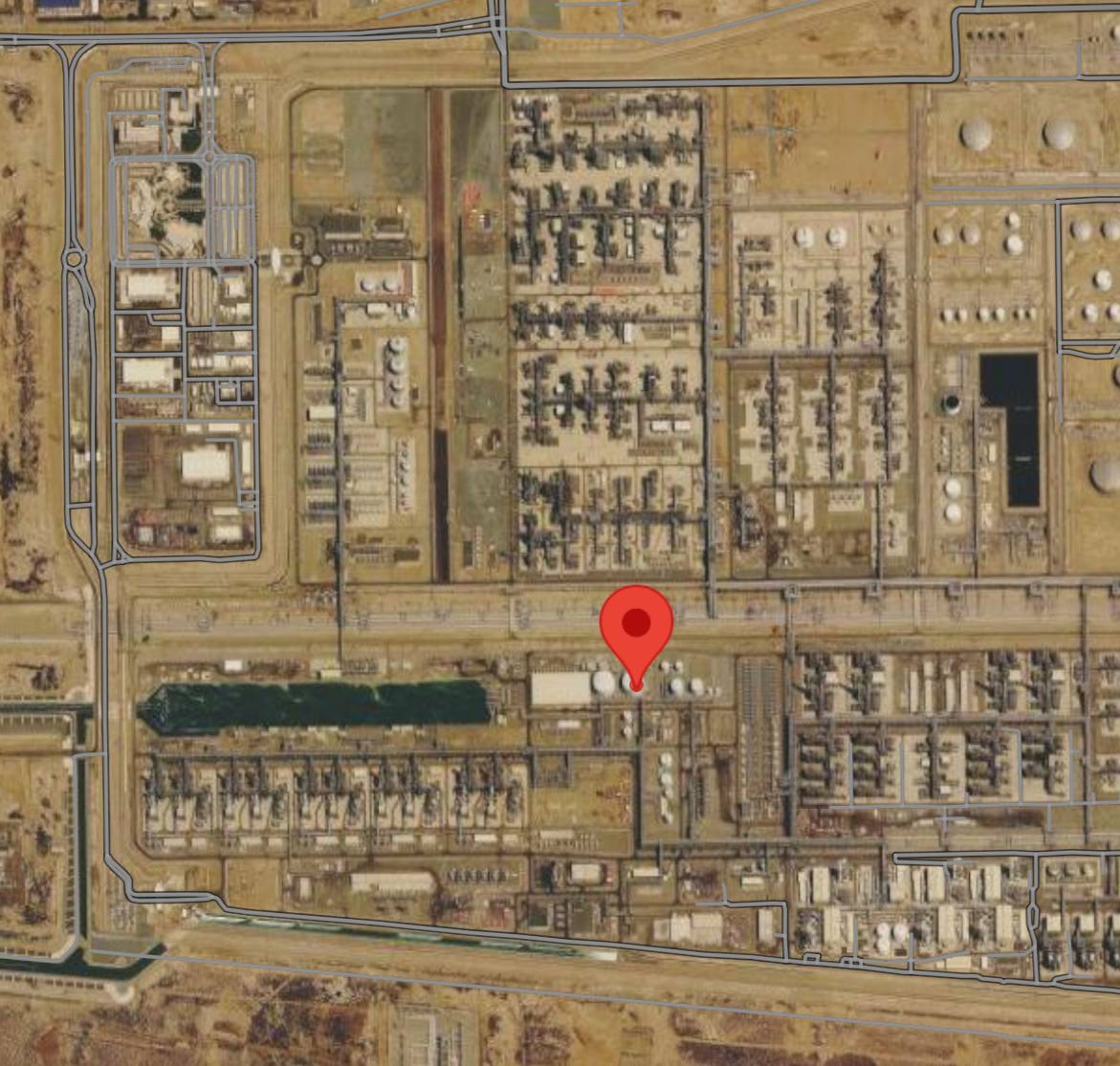
At 02:15 UTC, CIG_telegram reported impacts "at the Jazan ARAMCO refinery itself" (coordinates 17.2814398, 42.3685122). Photographs posted on the same channel displayed a crater near the refinery’s processing unit and visible fire damage. The refinery, which processes roughly 400,000 barrels per day, announced a brief production halt to assess structural integrity. No injuries were reported among refinery personnel.
Earlier, at 01:41 UTC, intelslava documented "at least five ballistic missiles" aimed at the ARAMCO oil terminal in Jazan Port. The same source confirmed that the missiles were launched by Ansar Allah (Houthis) and that the terminal’s loading facilities sustained "moderate damage" but remained functional.
Khalid Air Base near Khamis Mushait
At 02:28 UTC, CIG_telegram confirmed "ballistic missiles launched at King Khalid Airbase, Khamis Mushait." A subsequent blockquote from the channel read:
Initial reports of ballistic missiles launched at King Khalid Airbase, Khamis Mushait
The base, a key Saudi Air Force installation, hosts fighter squadrons tasked with air‑defense over the southern Red Sea. Saudi defence officials reported minor structural damage to a hangar and the activation of emergency response teams. No aircraft were reported destroyed, and casualty numbers were not disclosed.
Iranian‑made missile types
Two minutes earlier, at 03:02 UTC, CIG_telegram identified the weaponry as "Iranian ‘Kheybar Shekan’ and ‘Zolfaghar’ types (in their domestic variants)." Both missiles are solid‑fuel, short‑range ballistic systems supplied to the Houthis by Tehran since 2022. Their use underscores the continued external support that expands the Houthis’ strike range and payload capacity.
Ansarullah and Houthis: operational attribution
Multiple channels attributed the attacks to the Ansarullah movement, the political‑military wing of the Houthi insurgency. The rnintel channel posted visual confirmation of "Ansarullah missile impacts in Jizan" at 02:08 UTC, accompanied by a short video showing missile trails and impact flashes. The same channel’s footage corroborates the timing of the broader missile wave.
Casualties and humanitarian impact
To date, open‑source reports have not confirmed civilian or military casualties from the 25 July strikes. Saudi emergency services have been mobilised to secure the affected sites, and ARAMCO has issued an internal safety bulletin for refinery workers. The absence of reported fatalities may reflect rapid evacuation protocols, but the potential for future injuries remains high if infrastructure damage leads to secondary incidents such as fires or oil spills.
Strategic implications
The coordinated targeting of oil‑transport, refining, and air‑defence assets signals a deliberate attempt by the Houthis to disrupt Saudi energy exports and degrade aerial response capabilities. By striking the Yanbu pipeline, the militants aim to create a bottleneck in crude flow to the Gulf, potentially affecting global oil markets. The Jazan refinery attack threatens a key processing node that supplies domestic fuel and export contracts. Finally, the assault on King Khalid Air Base tests Saudi air‑defence readiness and may compel the Kingdom to allocate additional SAM assets to the southern frontier.
Saudi and international response
Saudi Arabia’s Ministry of Defense issued a brief statement affirming "the resilience of our forces and the continuity of oil operations." The Kingdom has not disclosed any retaliatory airstrikes on Houthi positions in Yemen, but regional analysts expect a calibrated response to avoid further escalation. The United States, a key security partner, reiterated its commitment to "protect Saudi critical infrastructure" in a separate diplomatic cable released by the State Department on 24 July.
Outlook
Given the demonstrated capability to launch multiple ballistic missiles within a narrow time window, the Houthis appear prepared to sustain high‑intensity missile campaigns throughout the summer. Monitoring of satellite imagery, open‑source telemetry, and on‑the‑ground reports will be essential to assess damage, track weapon proliferation, and gauge the risk of broader regional escalation.