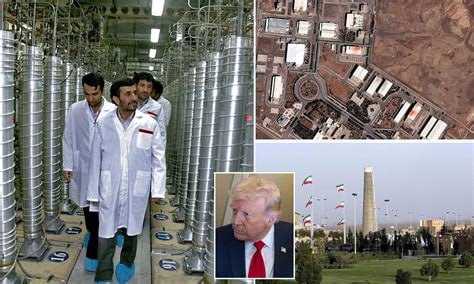
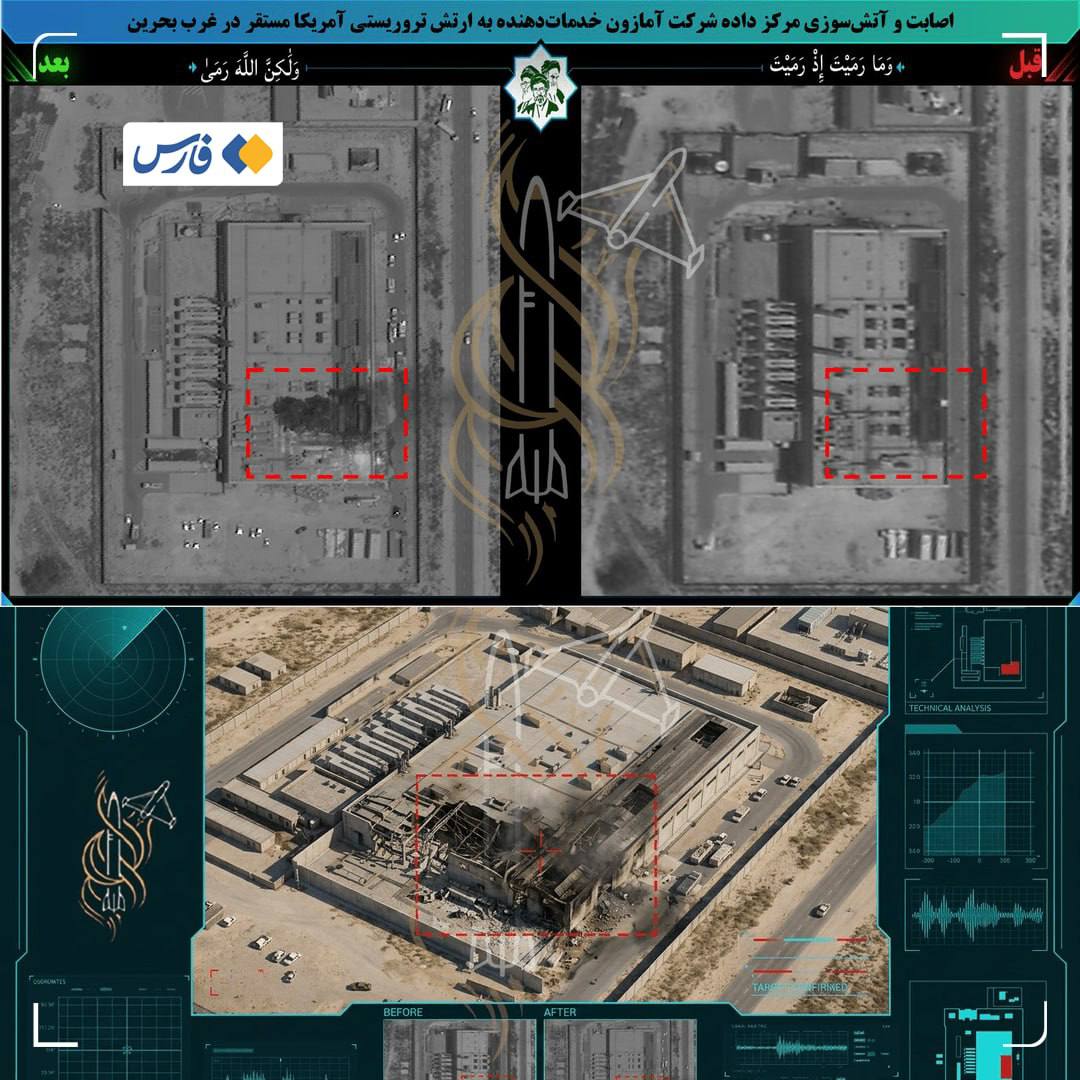
The most consequential development on 25 July 2026 is the United States’ internal debate over a special‑forces raid to capture Iran’s stockpile of highly enriched uranium (HEU), estimated at 441 kilograms—enough for roughly eleven nuclear warheads. The proposal reflects heightened U.S. concern about the material’s whereabouts following recent attacks on Iranian nuclear facilities. The discussion was reported by the open‑source intelligence channel OSINTdefender (source).
"The U.S. is considering deploying special forces to seize Iran's stockpile of highly enriched uranium, which is estimated to be around 441 kilograms and sufficient for approximately 11 nuclear warheads," OSINTdefender wrote.
Escalation in the Red Sea and Yemen
Concurrent with the U.S. deliberations, Iran‑backed Houthi forces intensified missile attacks on Saudi Arabia, prompting the Saudi‑led coalition to strike missile sites, weapons depots and commercial shipping lanes in the Red Sea. The JPost analysis (source) describes this as a new phase in Yemen’s protracted conflict, with both sides expanding the geographic scope of kinetic operations.
In response, Saudi Air Force fighter jets attempted a strike on Sanaa on 25 July 2026 07:45 UTC but were repelled by Yemeni air‑defense missiles, forcing a Saudi A330 tanker to return to Taif (source). Later that day, the Saudi‑led coalition bombed Houthi military targets in Sanaa, warning of further action if attacks on Red Sea shipping continued (source).
Airstrikes and Naval Actions Across Multiple Theaters
Three U.S. airstrikes were recorded against Iranian targets within a 24‑hour window, according to rnintel (source). While the specific weapons employed were not disclosed, the strikes underscore a pattern of direct U.S. kinetic pressure on Tehran.
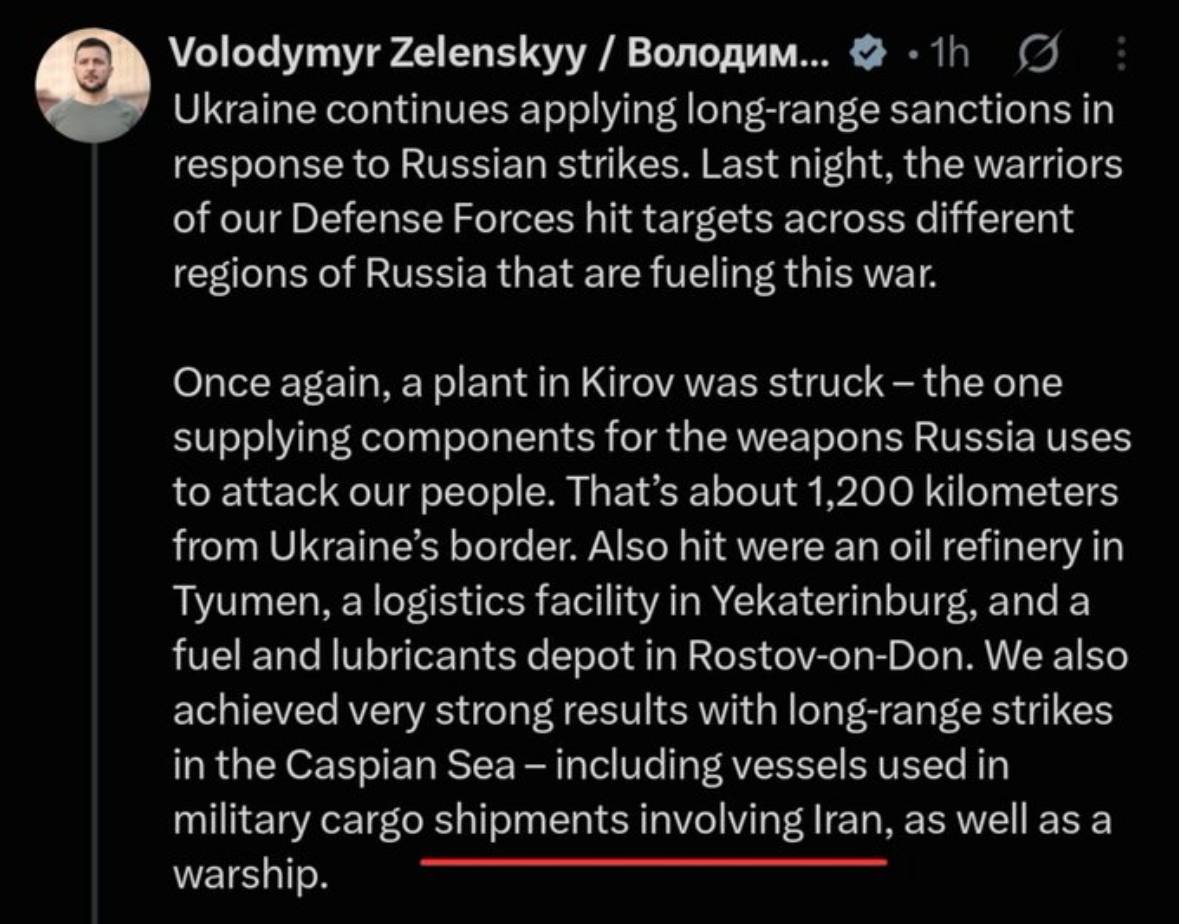
In the Black Sea and Caspian Sea, Ukrainian long‑range missiles struck a Russian warship and vessels carrying Iranian‑linked cargo, as confirmed by President Volodymyr Zelenskyy and reported by both monitor_the_situation and JPost (source; source). These attacks demonstrate Ukraine’s expanding strike reach, now targeting assets linked to Iran’s strategic logistics.
Ukraine also claimed a hit on a Russian military cargo ship bound for Iran, a statement made by President Zelenskyy and corroborated by GeoPWatch (source).
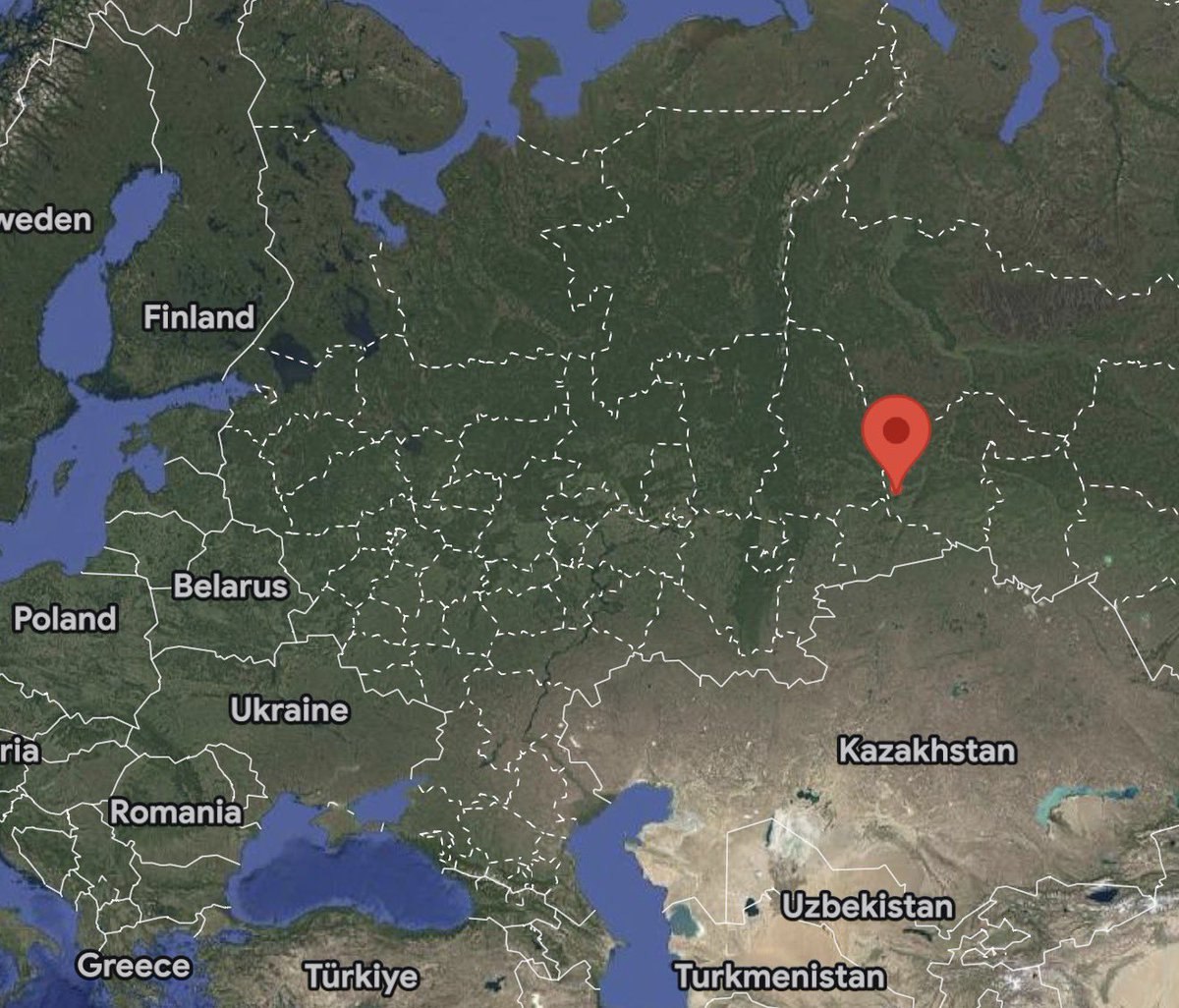
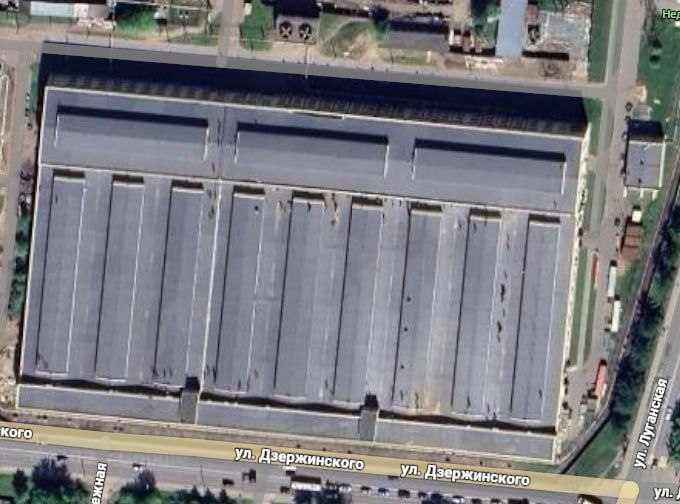
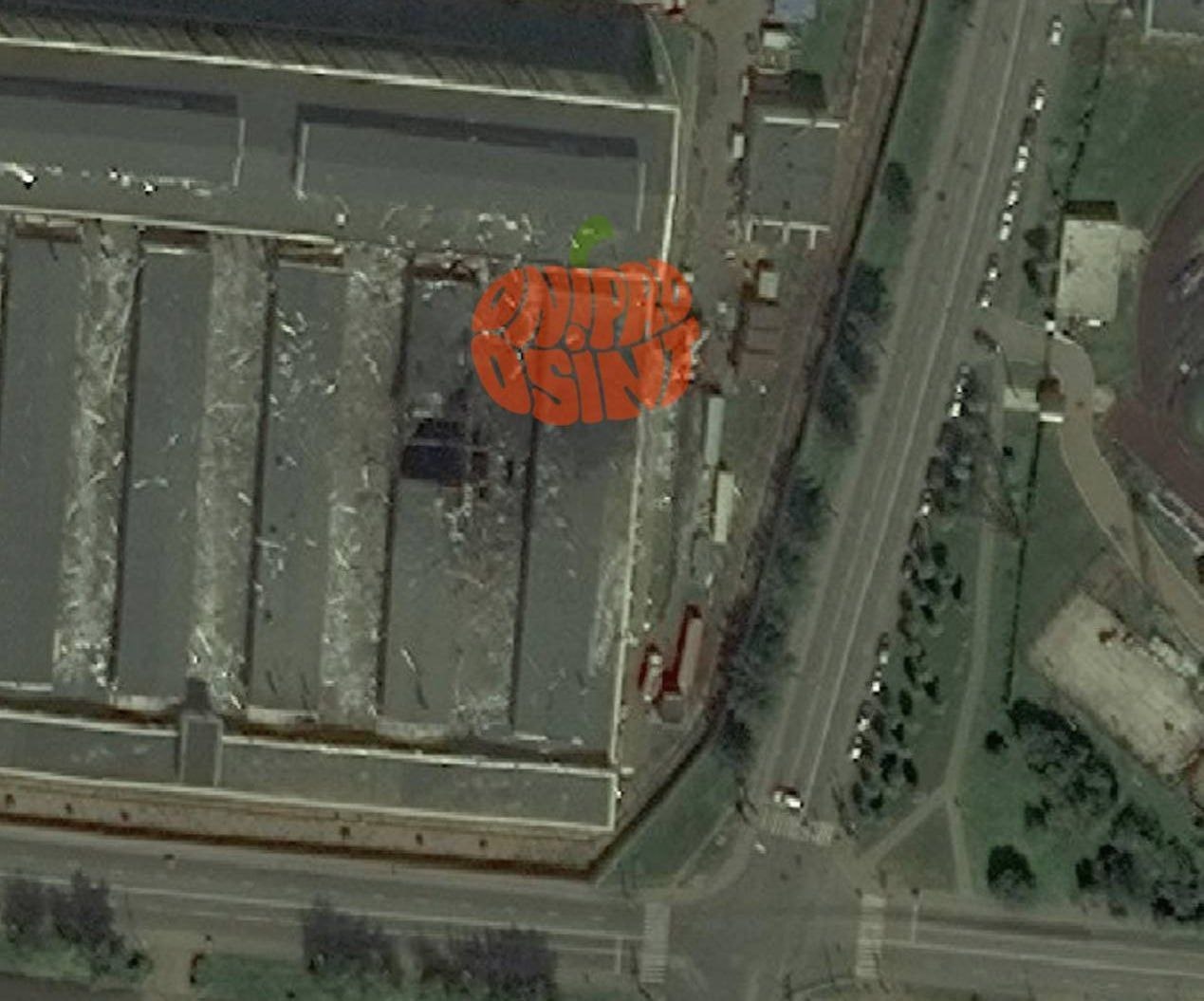
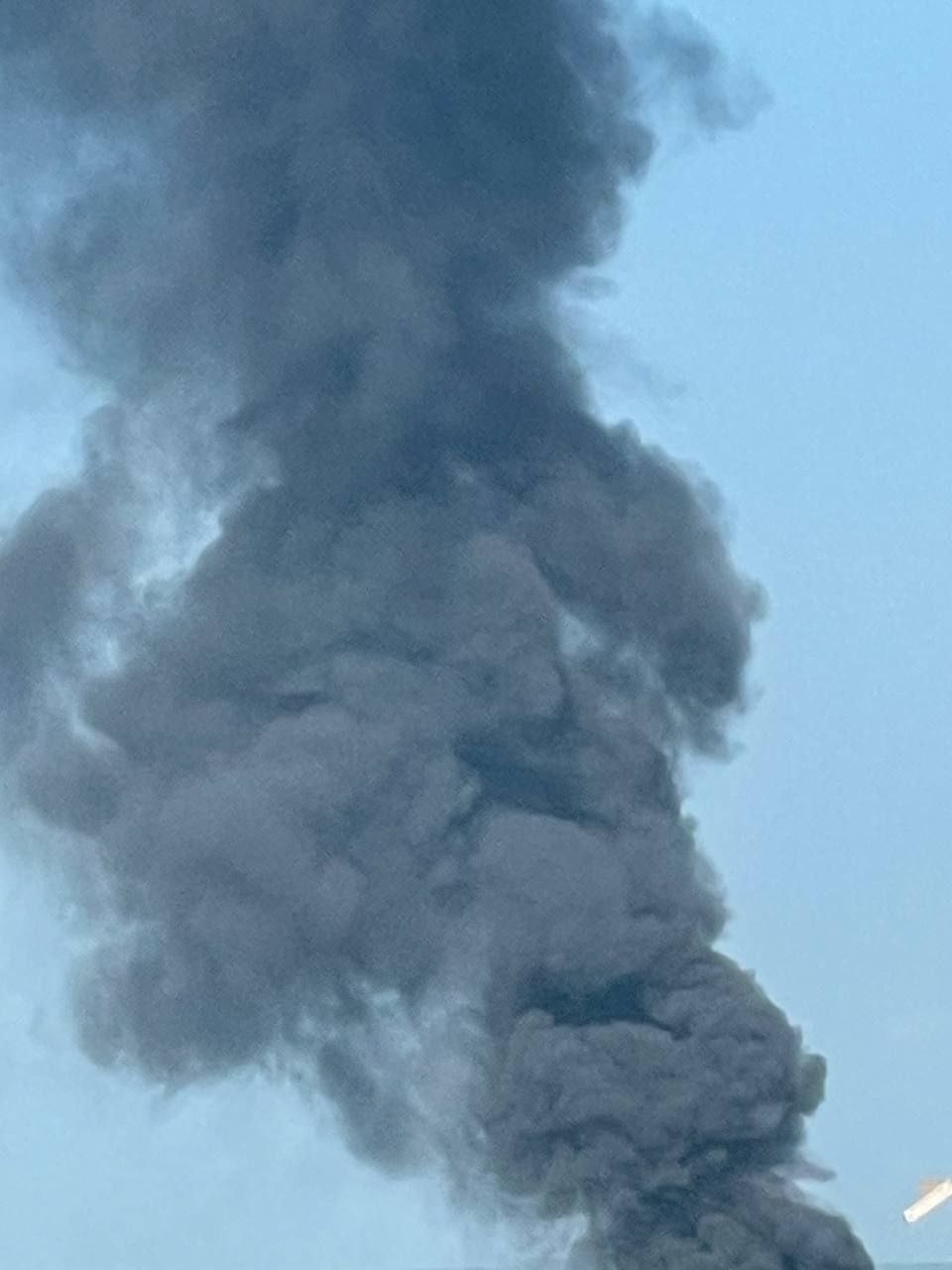
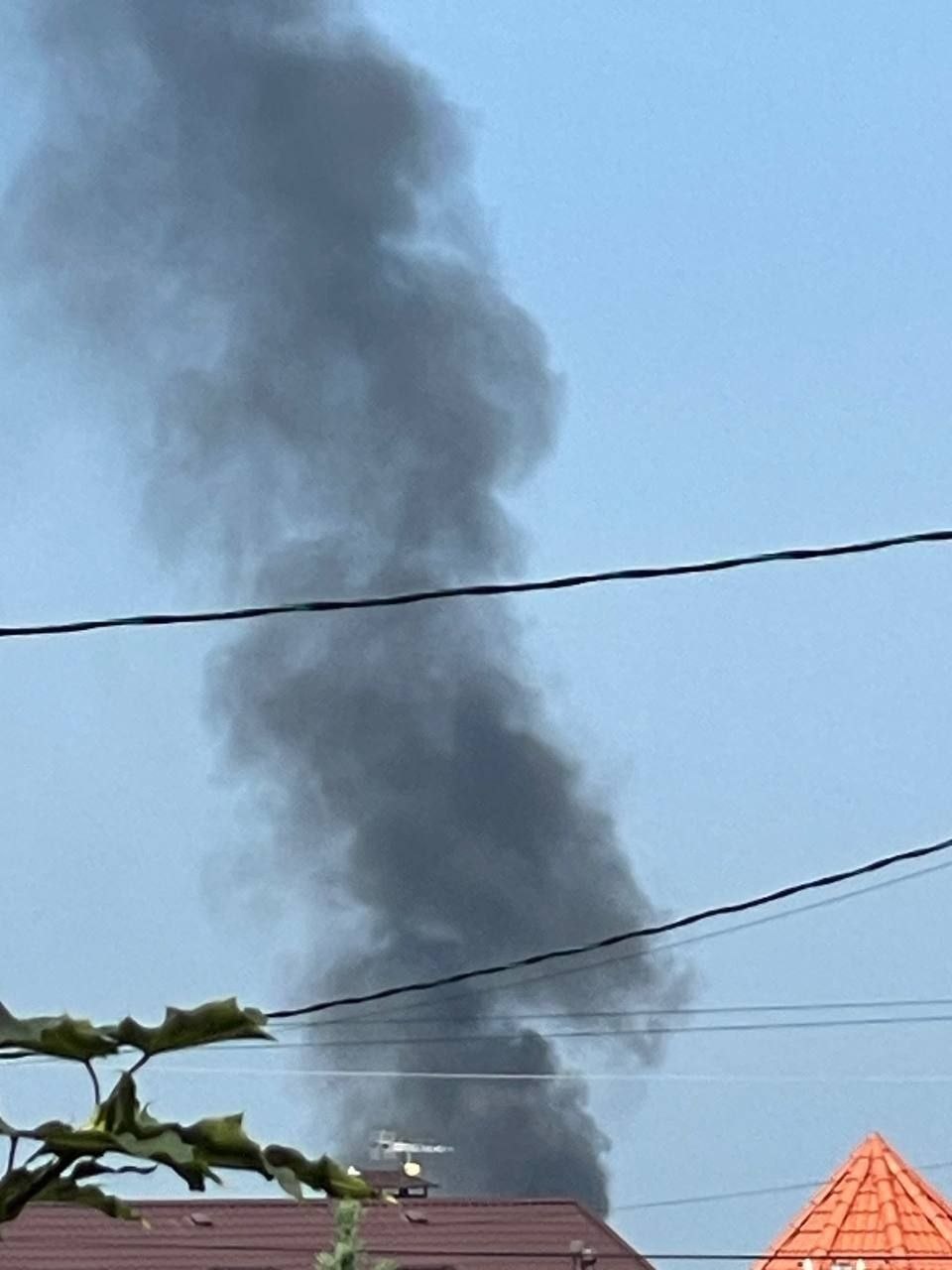
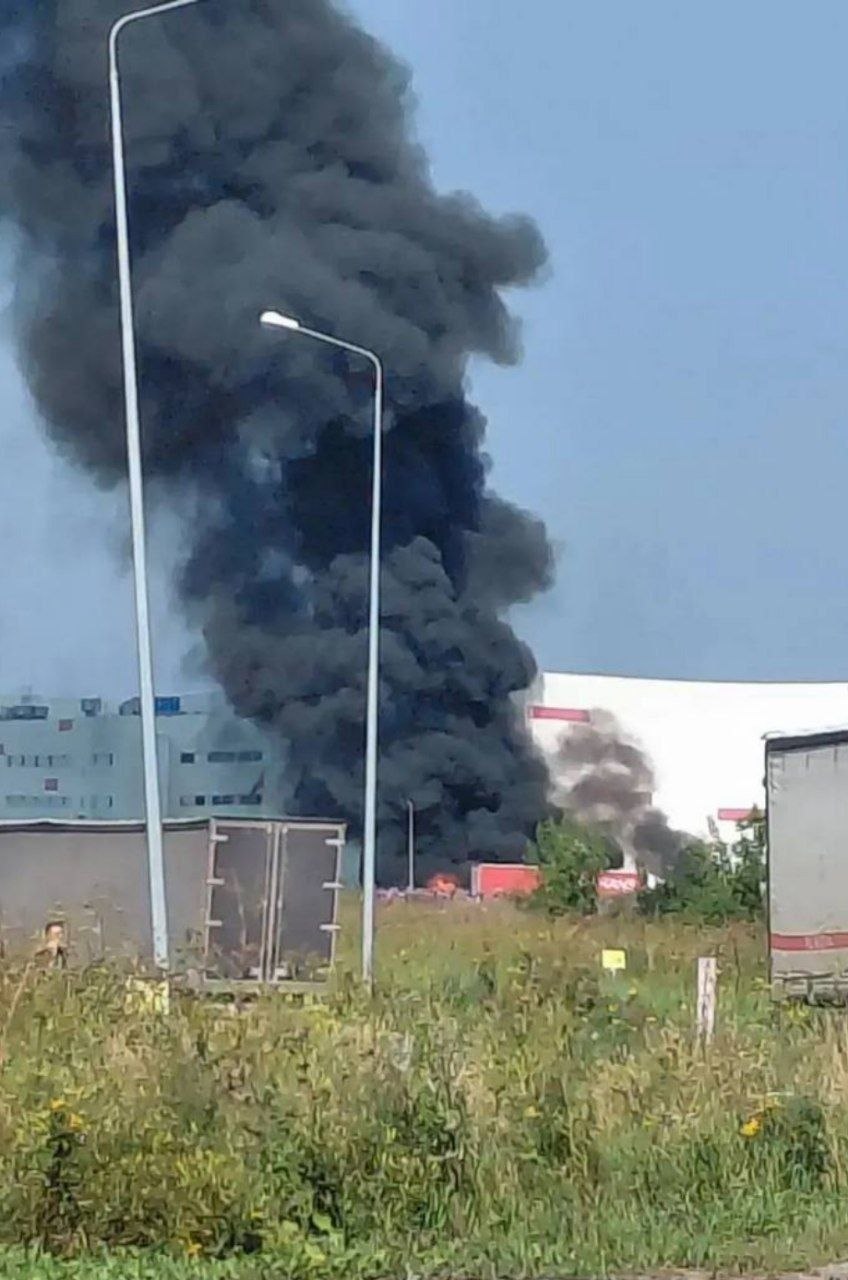
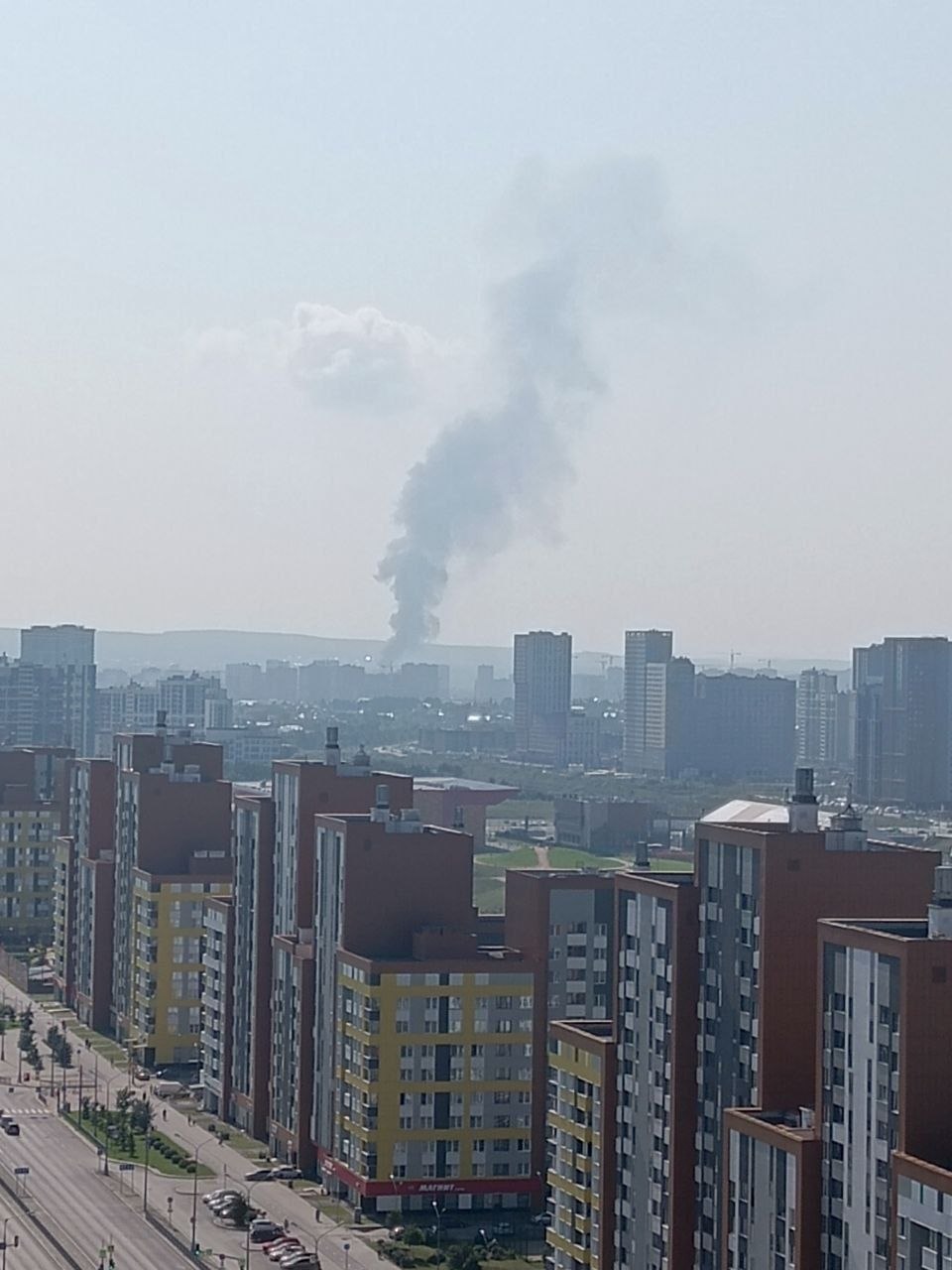
In Russia’s interior, a Ukrainian drone struck the Antipinsky Oil Refinery in Tyumen, igniting a diesel processing unit (source). A separate Ukrainian drone attack on a fuel facility in the Urals set a diesel processing unit ablaze (source).
Humanitarian Incidents and Regional Security
Separate from the kinetic warfare, civilian casualties rose sharply. A bus collision with a Syrian security vehicle on the Deir ez‑Zor‑Damascus road killed at least 35 people and injured 30 (source; source). In Gaza, the Israeli Defense Forces killed the northern sector police chief Abd Al‑Nasser Muhammad Al‑Maqdm in Deir al‑Balah, a claim confirmed by the Gazan Ministry of Interior (source).
In Ukraine and Russia, strikes on holiday camps and Russian‑controlled areas resulted in at least 19 civilian deaths (source).
Ground Movements and Drone Interceptions
Sudan’s armed forces launched a ground offensive in North Kordofan, seizing the towns of Umm Sayalla and Barah from the Rapid Support Forces (RSF) (source). Subsequent recaptures of Al‑Jabra Al‑Sheikh and Bara further shifted the front line in favor of the Sudanese army (source; source).
Drone activity remained intense. Russia reported shooting down 1,060 Ukrainian drones in the previous 24 hours (source), while Iraq’s air defenses intercepted a drone near the U.S. consulate in Erbil without casualties (source). Romania shot down a second Russian drone that breached its airspace, marking the first such NATO‑member response (source).
Summary
The convergence of a potential U.S. special‑operations raid on Iran’s HEU stockpile, heightened Houthi‑Saudi confrontations in the Red Sea, and a series of cross‑regional air, naval and ground strikes illustrates a marked escalation of kinetic activity across the Middle East and Eurasia on 25 July 2026. While the United States weighs a high‑risk covert operation, regional actors continue to expand the scope and intensity of their military engagements, raising the probability of further destabilization.