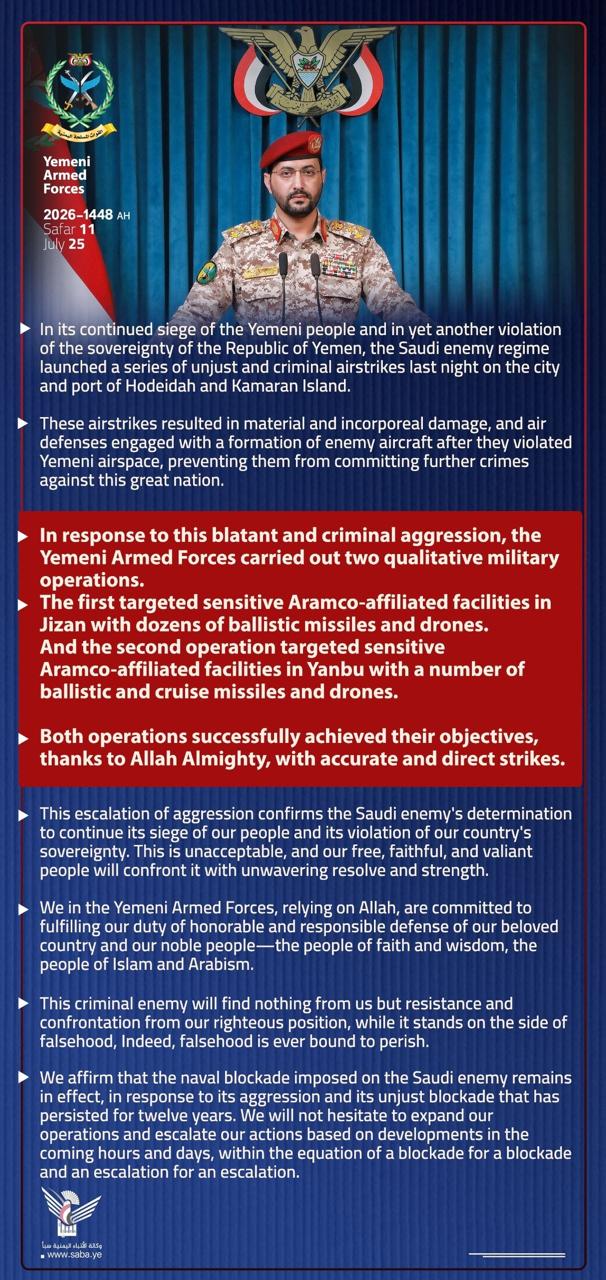
On Saturday, 25 July 2026, the Houthi movement announced that it had struck Saudi Aramco installations in both Yanbu and Jizan, prompting immediate emergency alerts across the two provinces. The claim, posted by the OSINTdefender channel at 17:00 GMT, represents the latest coordinated kinetic effort by the Yemen‑based group against Saudi energy infrastructure.
Houthis claim strikes on Yanbu and Jizan
According to the OSINTdefender telegram post (source), rockets were launched from Yemen and impacted Aramco facilities in the Red Sea port of Yanbu and the southwestern city of Jizan. Saudi authorities issued emergency warnings for both provinces, lifting the alert for Jizan shortly thereafter. No casualty figures were released, and the Houthis did not provide independent verification of damage.
"Houthis said they hit Saudi Aramco facilities in Jizan and Yanbu, triggering emergency alerts in the Saudi provinces," OSINTdefender, 2026‑07‑25 17:00:59.
Key weapons cited include rockets, though the specific type was not identified. The attack aligns with a broader pattern of Houthi missile and drone use against Saudi oil assets reported throughout 2026.
Patriot air defence intercepts ballistic missiles
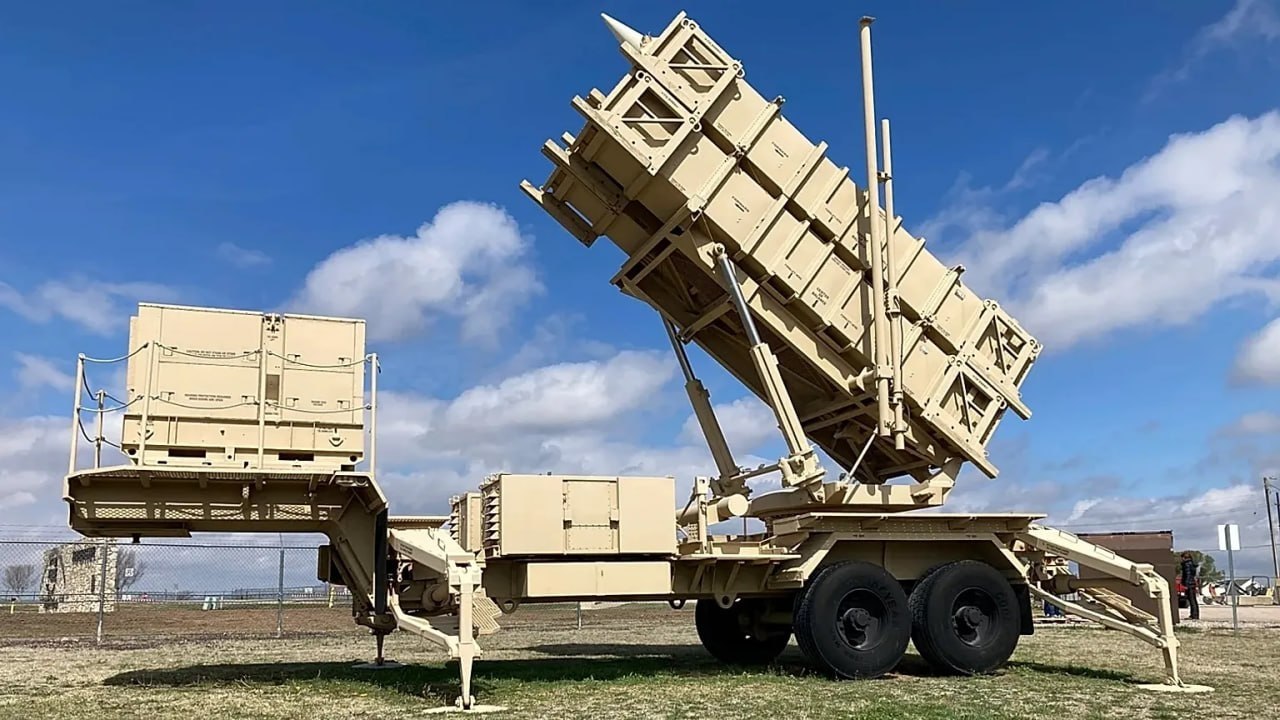
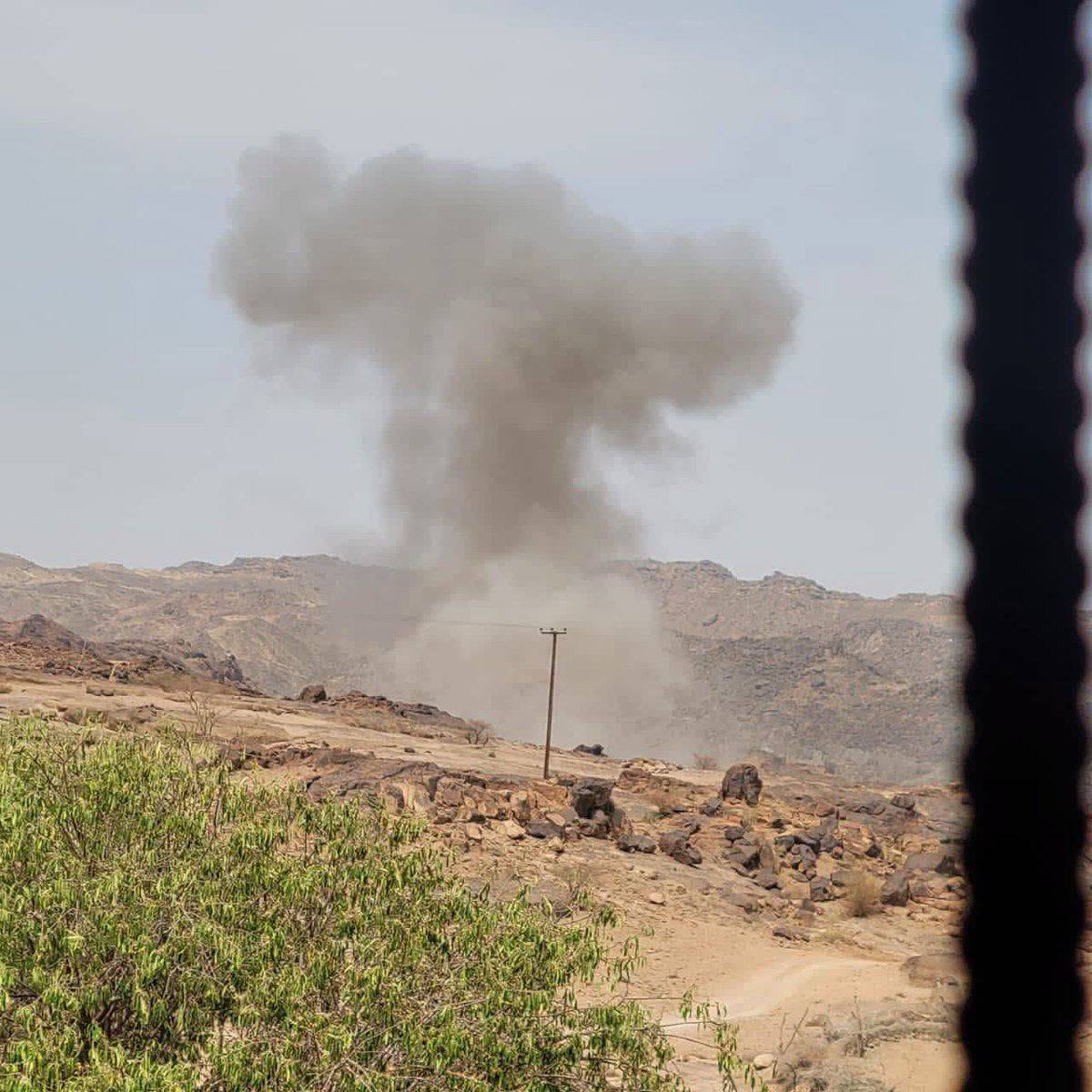
Earlier in the day, at 14:39 GMT, the BellumActaNews channel reported that Greek‑operated Patriot air‑defence batteries stationed in Saudi Arabia successfully intercepted two ballistic missiles launched from Yemen toward the Yanbu Aramco complex (source). Photographic evidence accompanying the report showed the Patriot launchers and the missile intercept plume.
"Greek-operated Patriot air defense systems in Saudi Arabia successfully intercepted two ballistic missiles launched from Yemen targeting Aramco oil facilities in Yanbu," BellumActaNews, 2026‑07‑25 14:39:04.
The interception demonstrates the continued reliance on multinational air‑defence cooperation, with Greece providing operational expertise and equipment under a bilateral agreement with Saudi Arabia.
Fire outbreaks at Jazan refinery
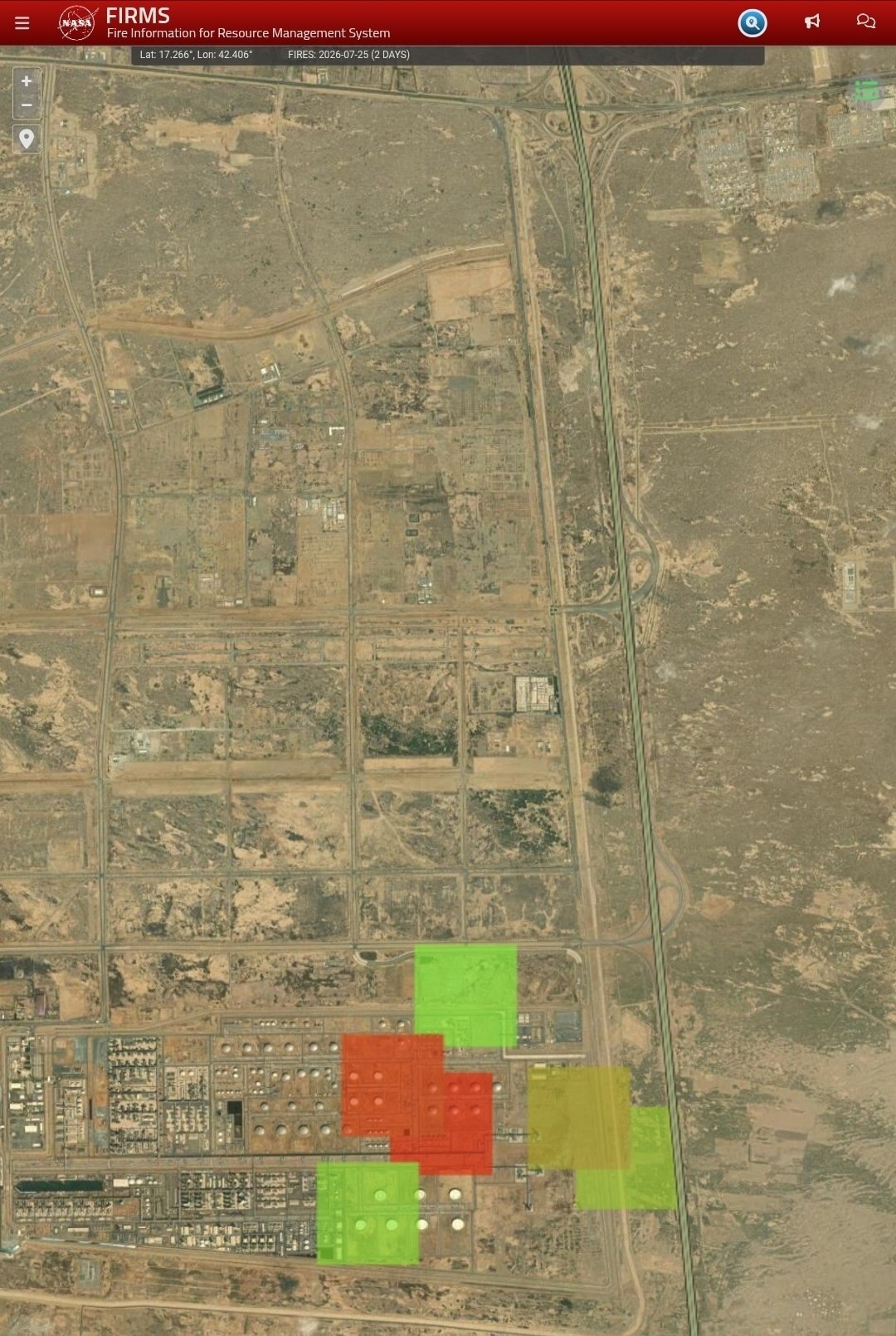
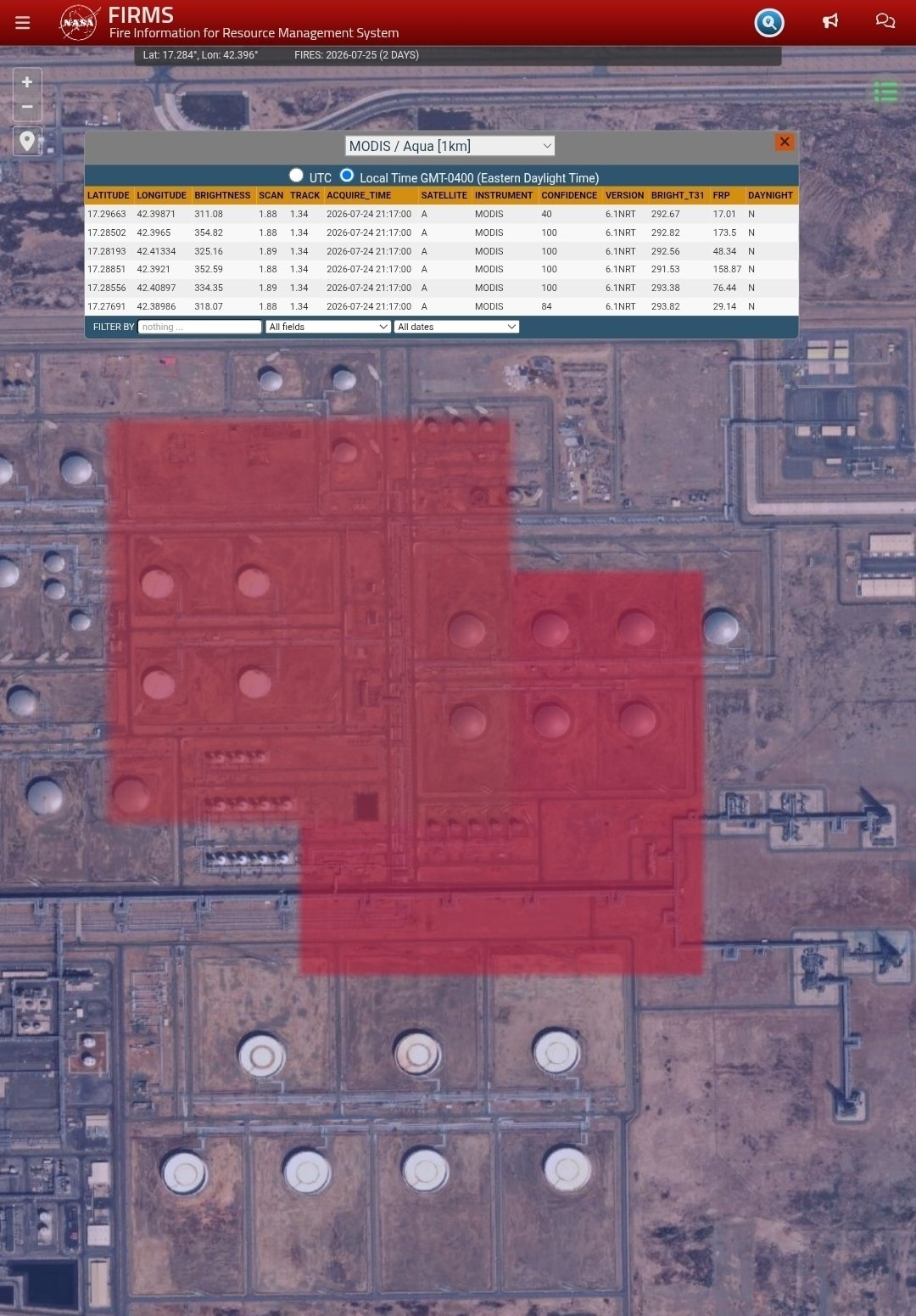
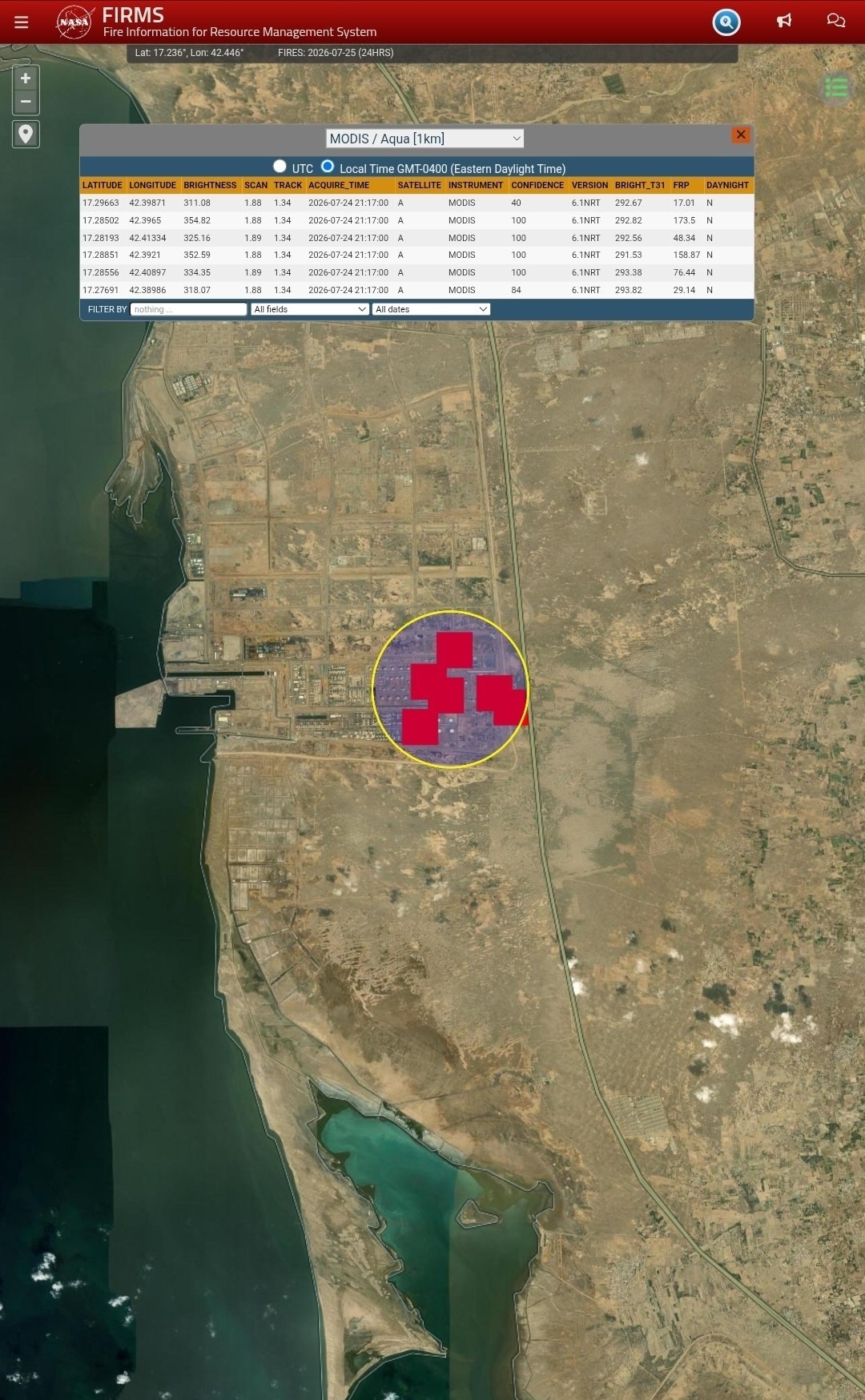
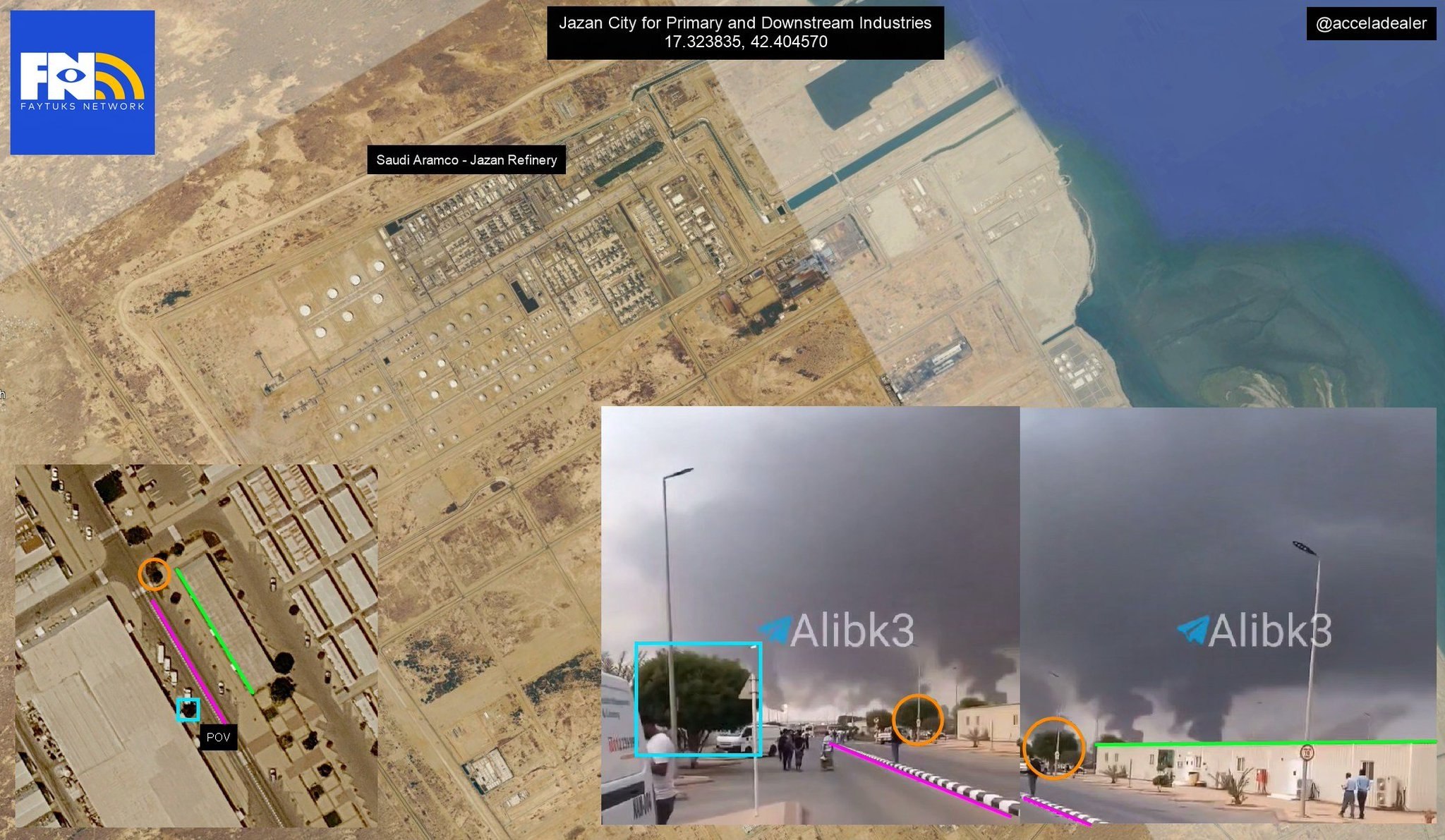
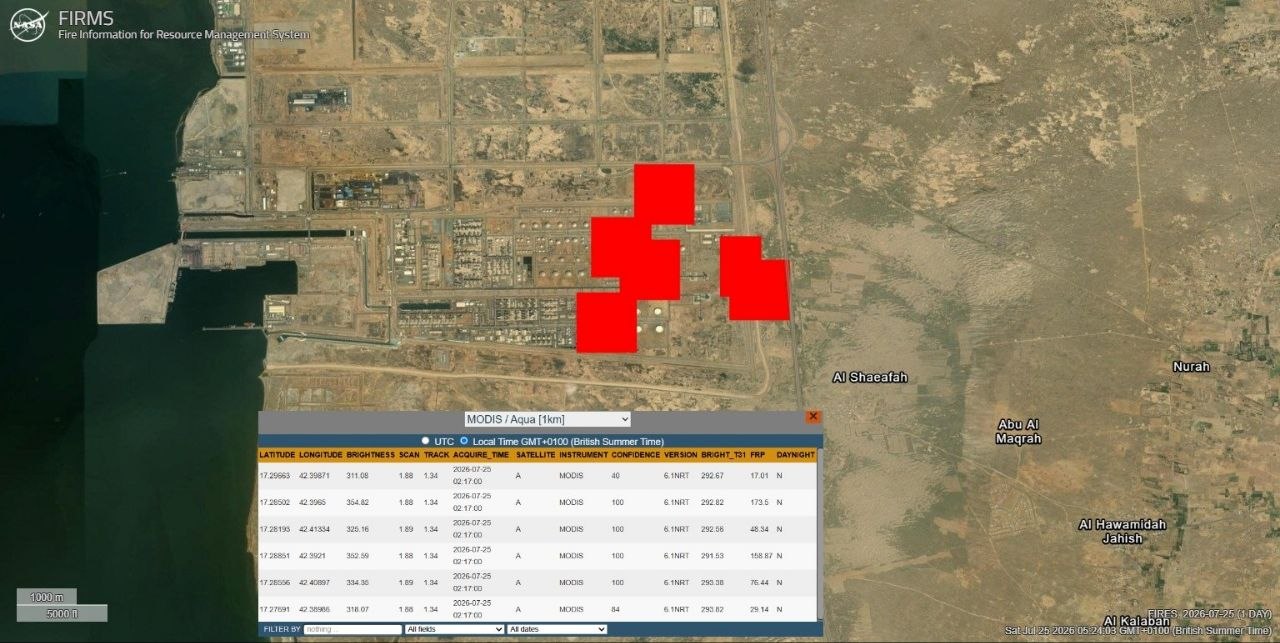
Multiple independent sources documented fire activity at the Jazan Oil Refinery following Houthi attacks. The CIG_telegram channel posted at 14:25 GMT that rockets and missiles ignited fuel tanks at the refinery, describing the incident as a "warning shot" and asserting that Saudi forces lacked the capacity to protect the equipment (source). Photographs showed flames of approximately 173 MW and 159 MW intensity.
GeoPWatch corroborated the incident with satellite‑derived fire hotspot data released at 09:39 GMT, attributing the hotspots to Houthi‑launched rockets in retaliation for Saudi strikes on Al Hudaydah, Yemen (source). The same channel later reported, at 12:56 GMT, that the Houthis claimed to have launched "dozens of ballistic missiles, cruise missiles and drones" at both Jizan and Yanbu facilities (source).
"Multiple fire hotspots have been detected by NASA FIRMS/VIIRS at Saudi Aramco Jazan Oil Refinery following today's Houthi attacks launched in retaliation for Saudi strikes on the port city of Al Hudaydah," GeoPWatch, 2026‑07‑25 09:39:50.
Visual confirmation of smoke plumes was also posted by monitor_the_situation at 06:22 GMT, noting large smoke columns emanating from the Jazan refinery after the Houthi claim of a successful strike (source).
Ansarullah statements on attacks in Jizan and Abha
At 13:55 GMT, the rnintel channel relayed a statement from Ansarullah spokesman Yahya Saree confirming attacks on Saudi Arabia's Jizan and Abha regions (source). While the message did not specify weapon systems, it underscores the broader coalition of Yemen‑based groups coordinating kinetic actions against Saudi targets.
Saudi Air Force counter‑operations in the north
In response to the southern attacks, the Royal Saudi Air Force conducted airstrikes against Houthi positions in the northern provinces of Jabal al‑Jurrah and Al Jawf. GeoPWatch reported the operation at 10:56 GMT, noting that no strikes were directed at Sana'a or Hudaidah (source). Aircraft employed in the operation were not identified, but the use of fixed‑wing strike platforms aligns with Saudi doctrine for cross‑border interdiction.
Analysis of kinetic escalation
The sequence of events on 25 July illustrates a multi‑layered kinetic escalation across Saudi Arabia's western and southwestern corridors. The Houthis continue to leverage a mixed arsenal—rockets, ballistic missiles, cruise missiles, and unmanned aerial systems—to target high‑value energy infrastructure. Their public claims emphasize both operational reach and psychological impact, framing attacks as "warning shots" and as retaliation for Saudi actions in Yemen.
Simultaneously, the deployment of Greek‑operated Patriot batteries demonstrates the effectiveness of allied air‑defence integration. The successful interception of two ballistic missiles prevented potential damage to the Yanbu refinery, a critical node in Saudi oil export capacity.
On the Saudi side, the rapid issuance and subsequent lifting of emergency alerts indicate a calibrated civil‑defence response. The airstrikes in Al Jawf and Jabal al‑Jurrah suggest a strategic shift to pressure Houthi command‑and‑control nodes in northern Yemen, aiming to degrade launch capabilities that threaten the Red Sea corridor.
Overall, the events of 25 July reinforce the persistent vulnerability of Saudi energy assets to cross‑border kinetic attacks, while also highlighting the importance of multinational defence cooperation and proactive aerial counter‑measures.