In the early hours of 24 July 2026, the United States Central Command (CENTCOM) executed its thirteenth consecutive night of airstrikes against Iranian targets in Tehran, marking the most significant kinetic event recorded in Iran today. The operation, described by the monitoring channel monitor_the_situation as a “protective measure for commercial shipping in the Persian Gulf,” involved precision strikes on undisclosed facilities within the capital. No casualty figures were released, but the scale of the operation underscores a marked escalation in the US‑Iran confrontation.
"CENTCOM completes 13th consecutive night of strikes on Iranian targets, aimed at reducing the threat to commercial shipping in the Persian Gulf region," – monitor_the_situation, 01:58 UTC.
US Air Campaign Over Iran
Following the Tehran strike, US forces launched a broader series of attacks across western Iran at 01:25 UTC, with explosions reported in more than a dozen cities, according to the same source. Photographic evidence from monitor_the_situation shows smoke plumes over urban centers, indicating coordinated bombardment of military and possibly dual‑use infrastructure.
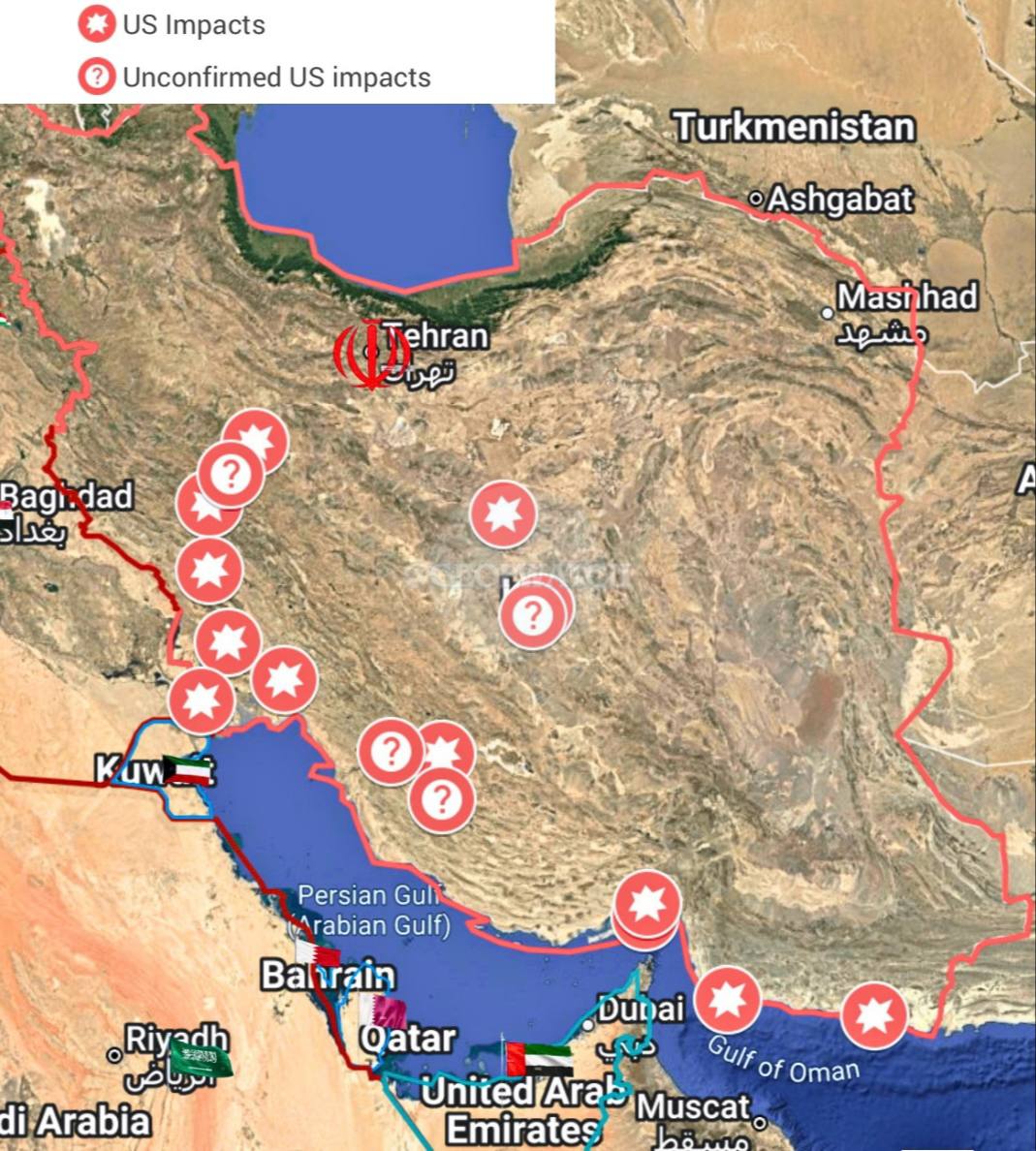
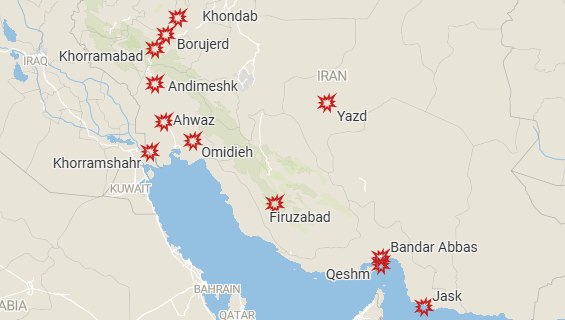
Later, at 02:51 UTC, the open‑source mapping project GeoPWatch released a detailed map confirming impacts in at least thirteen locations, including Khorramabad, Khondab, Andimeshk, Ahvaz, Omidiyeh, Khorramshahr, Shiraz, Anarak, Yazd, Bandar Abbas, Bandar‑e‑Jask, Konarak, and Qeshm Island. Unconfirmed hits were noted in Borujerd, Kazerun, Taft, and Firuzabad. The breadth of these strikes suggests a systematic effort to degrade Iran’s command‑and‑control nodes, air‑defense assets, and logistical hubs.
Additional high‑profile strikes were documented in Jask (Hormozgan Province) at 00:30 UTC and in Yazd at 00:25 UTC, the latter carried out by the United States Air Force using aircraft‑borne bombs. Video footage from the Telegram channel intelslava shows the aftermath in Jask, with a crater and debris field near the strategic port that serves as a gateway to the Strait of Hormuz.
Iranian Countermeasures and Regional Drone Activity
In parallel with the US air campaign, Iran launched a series of ballistic missiles from Tehran Province toward Jordan at 02:37 UTC. While no impact or interception was confirmed, the launch demonstrates Tehran’s willingness to project power beyond its borders amid heightened tensions.
Iranian drone activity also extended beyond its own territory. At 00:55 UTC, Iran’s Islamic Revolutionary Guard Corps (IRGC) reportedly launched drone and missile attacks on the Al‑Salem airbase in Kuwait, a US‑operated facility. The Tasnim News Agency, affiliated with the IRGC, confirmed the strike, prompting Kuwaiti air defenses to engage. Although casualty details remain unavailable, the incident illustrates Iran’s capacity to threaten US assets in the Gulf region.
Further afield, Iranian‑operated drones were reported to have struck at least two CIA facilities in Riyadh, Saudi Arabia, and eastern Iraq in March, as cited by the CIG_telegram channel on 05:01 UTC. While the attacks occurred earlier, the inclusion of this information in today’s briefing underscores the broader pattern of Iranian UAV use against perceived intelligence targets.
Unexplained Explosions and Domestic Impacts
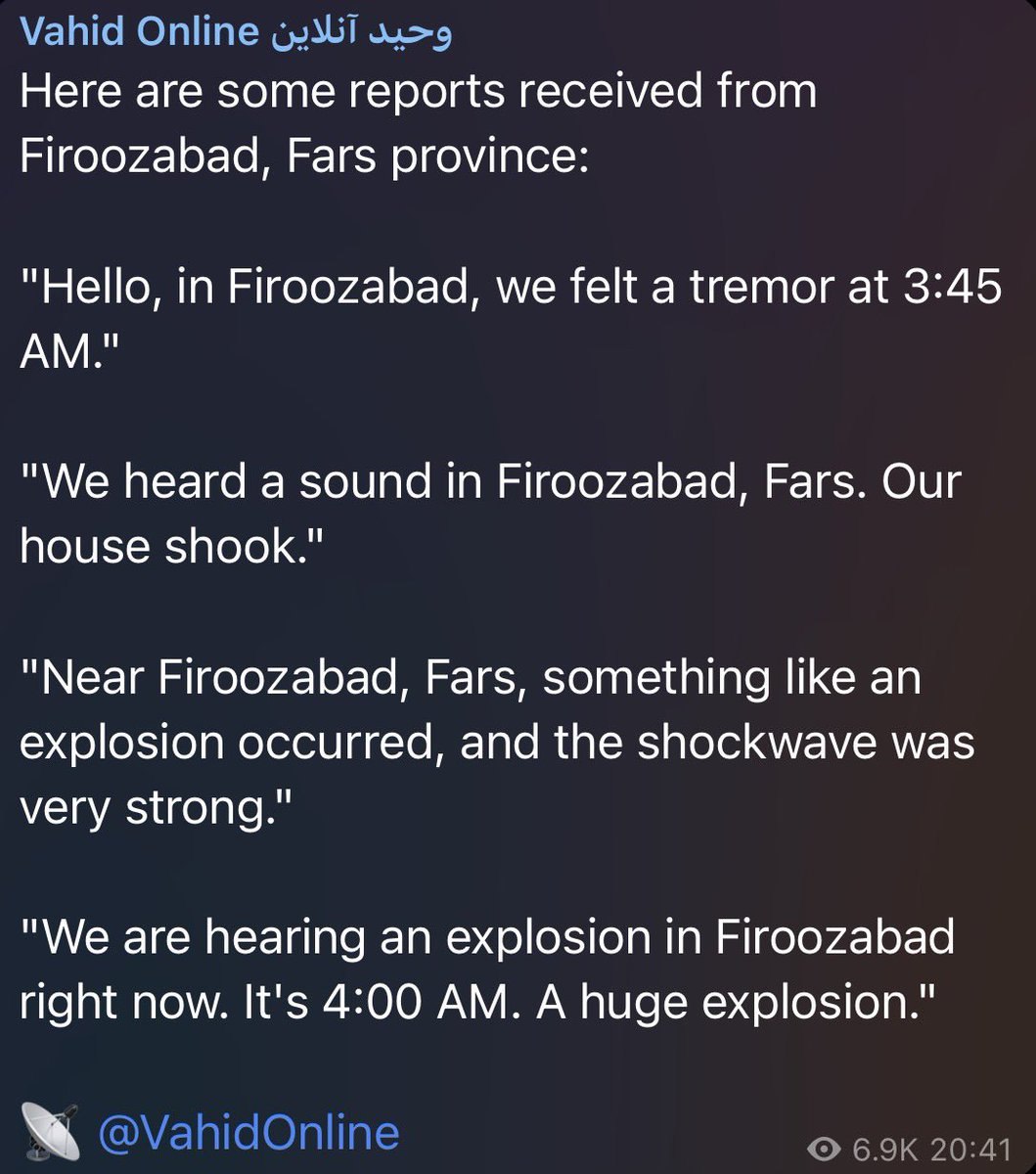
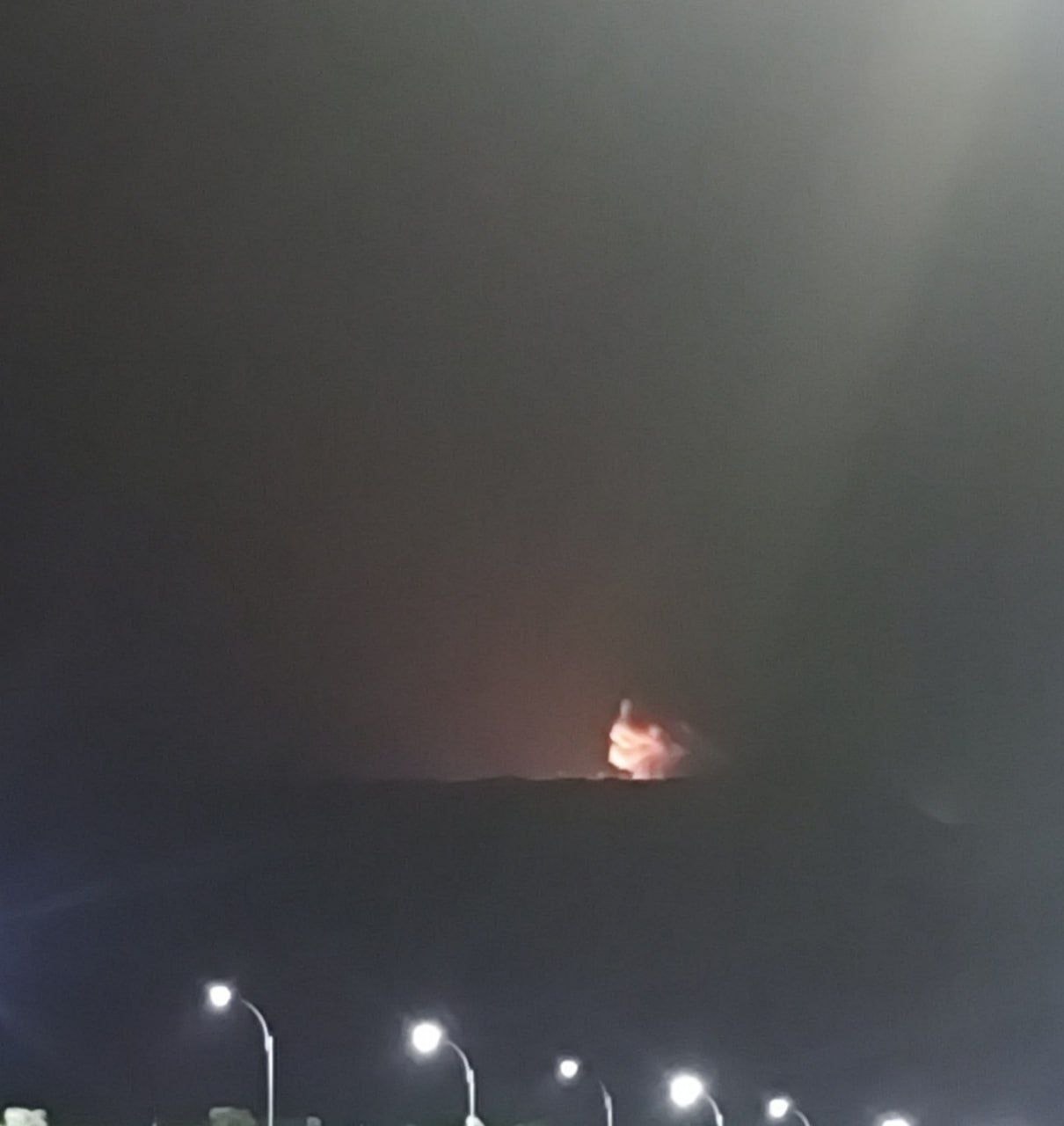
Iran experienced a series of unexplained explosions on 24 July. At 00:49 UTC, a large blast near Firuzabad in Fars Province rattled nearby homes, with no immediate attribution. Photographs posted by monitor_the_situation depict a sizable crater and smoke column, raising concerns about possible sabotage or accidental munitions detonation.
In Tehran’s northeastern district, a blast was reported at 00:25 UTC, coinciding with reports of heightened air‑defense activity. The same channel noted “multiple explosions and air‑defense activity” but provided no further details on casualties or damage.
Additional explosions were recorded in Shiraz (00:07 UTC) and in the cities of Yazd and Khorramshahr (01:14 UTC). BellumActaNews and intelslava shared brief video clips showing fireballs and smoke, but the sources did not confirm whether these were the result of US strikes, internal accidents, or other causes.
Implications for Commercial Shipping
The sustained US air campaign is explicitly linked to the protection of commercial shipping in the Persian Gulf and the Strait of Hormuz. At 01:51 UTC, US forces bombed Iranian missile launchers and small boats near the Strait, as documented by monitor_the_situation. The operation aimed to neutralize mobile launch platforms that could threaten merchant vessels transiting this chokepoint.
Given the strategic importance of the Strait—through which approximately 20% of global oil shipments pass—the continuation of nightly strikes signals a long‑term US commitment to maintaining maritime security, even at the risk of further escalation with Tehran.
Iran’s reciprocal actions, including missile launches toward Jordan and drone attacks on regional bases, suggest a broader strategy to deter external interference and to demonstrate operational reach. The convergence of airstrikes, missile launches, and drone operations creates a complex kinetic environment that heightens the risk of miscalculation.
Overall, today’s events reflect a multi‑theater kinetic posture: the United States intensifies aerial pressure on Iranian infrastructure, while Iran responds with missile and UAV deployments both domestically and across the Gulf region. The pattern of unexplained explosions within Iran adds an additional layer of uncertainty, potentially indicating covert sabotage or internal instability.