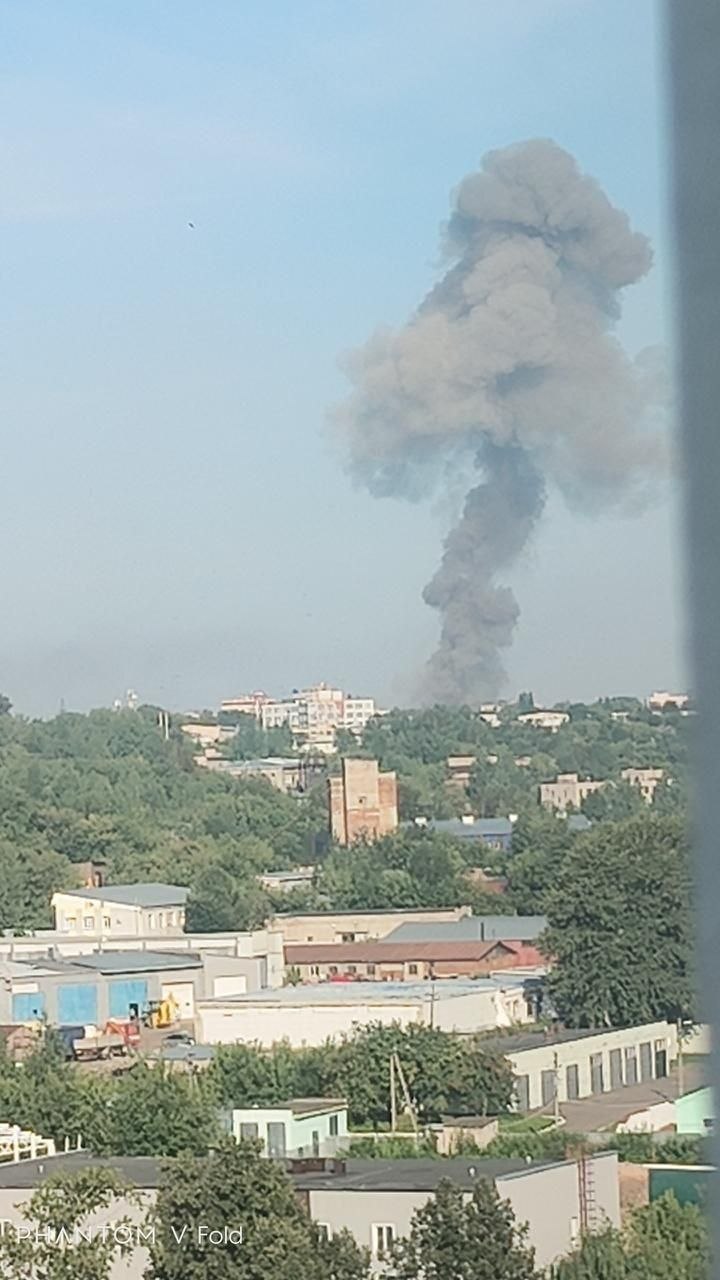
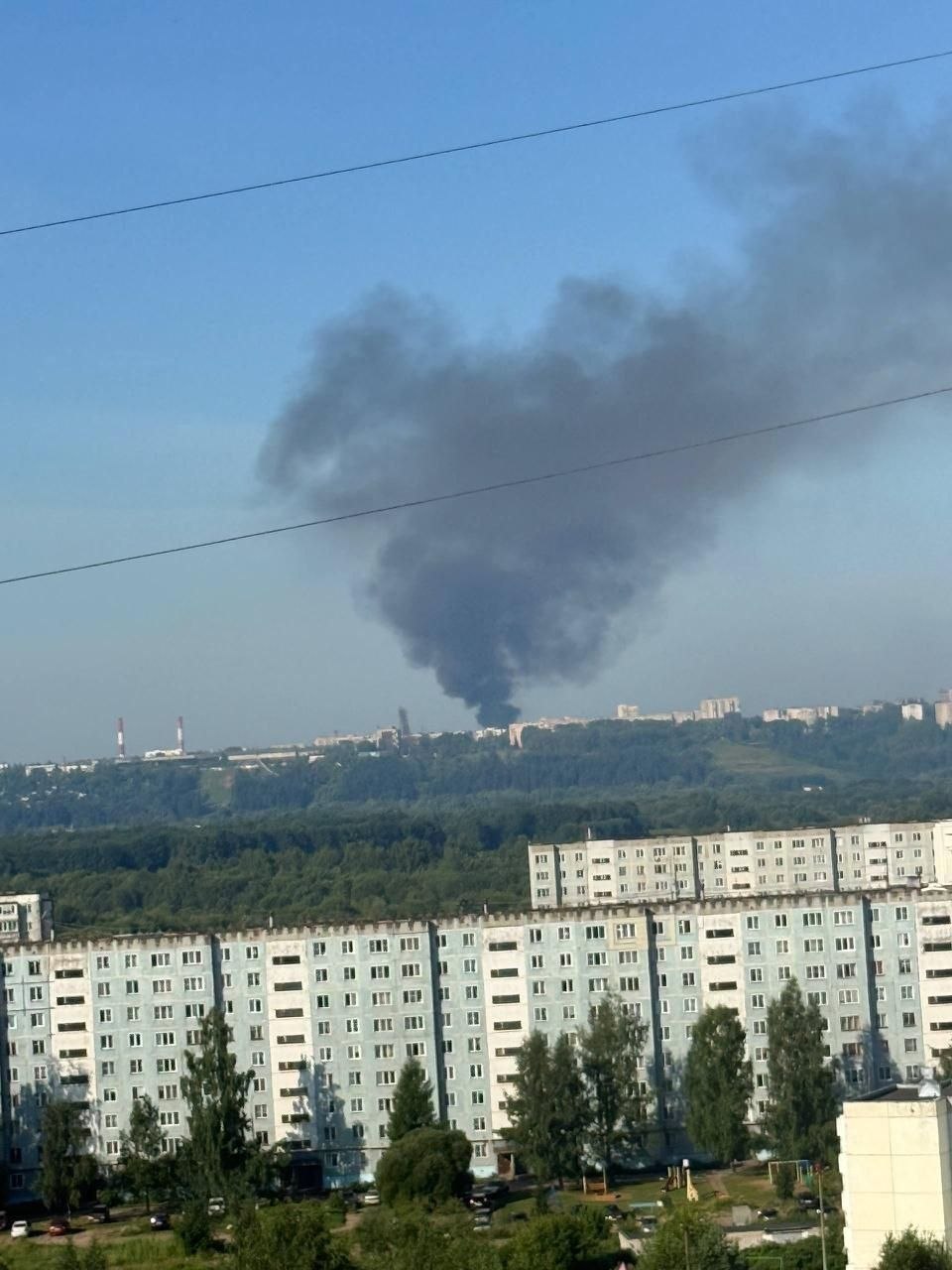
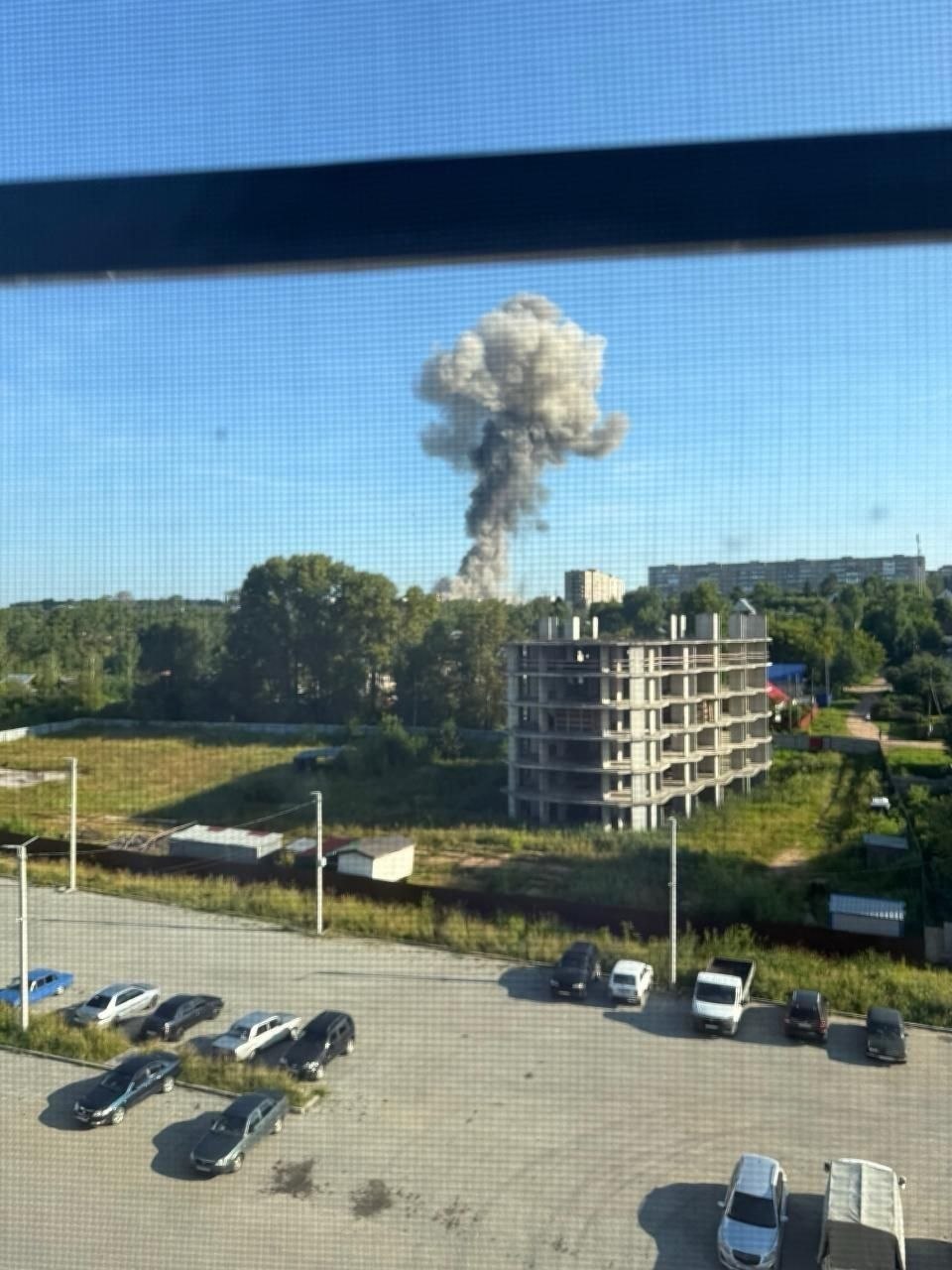
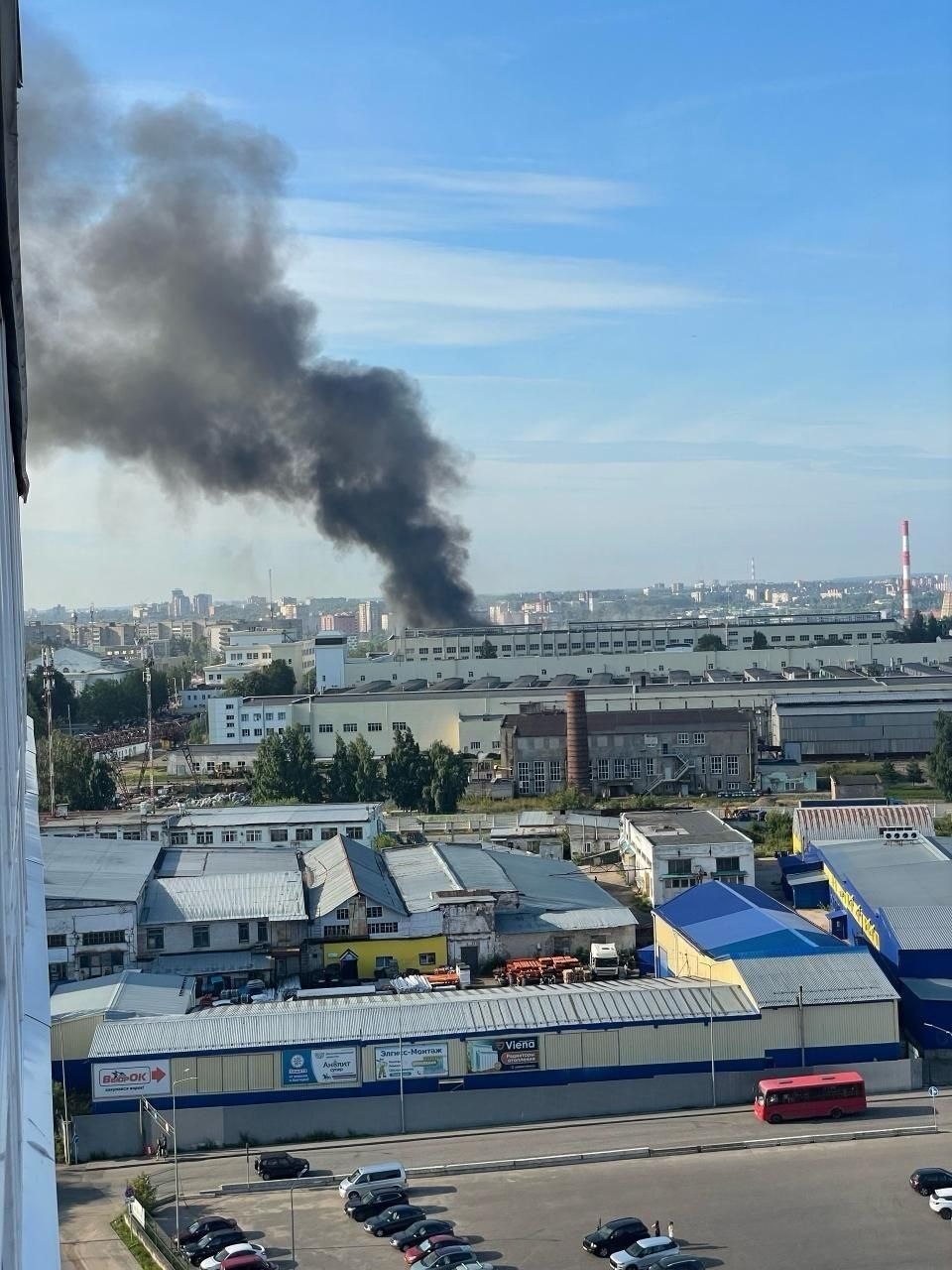
On 24 July 2026, a missile strike hit the Russian city of Kirov, marking the most significant kinetic event reported for the day and raising the risk of broader escalation between Ukraine and Russia. The attack was documented by the Telegram channel intelslava at 05:54 UTC, which described Kirov as "under a missile attack" and provided photographic evidence of the impact. No casualty figures were released at the time of reporting, and the responsible party was not identified in the source material.
Context of the Kirov Strike
The Kirov incident follows a pattern of cross‑border kinetic actions observed throughout the day, including multiple rocket launches and drone operations involving Iran, the United States, Ukraine, and Russia. While the exact weapon system used in Kirov was not specified, the term "missile" suggests a guided projectile capable of striking urban targets. The lack of an attributed organization in the source leaves open the question of whether the strike was a direct Ukrainian retaliation, a proxy operation, or an unrelated act.
"Kirov is under a missile attack." – intelslava, 05:54 UTC, https://t.me/intelslava/91339
Iranian Rocket Launches Toward Jordan
Earlier in the morning, at 02:38 UTC, the Telegram channel idkunim_il reported that Iran launched rockets toward Jordan. The brief message, titled "Shooting from Iran towards Jordan," did not include details on the number of rockets, flight trajectories, or any resulting damage. No casualties or interceptions were reported, and the source did not provide visual media. The event underscores heightened tensions in the Middle East, where Iran’s missile capabilities have been a focal point of regional security analyses.
"Iran launched rockets towards Jordan." – idkunim_il, 02:38 UTC, https://t.me/idkunim_il/61839
Iranian Ballistic Missile Attack on the United States
At 02:25 UTC, the same intelslava channel announced the commencement of an Iranian ballistic missile attack against the United States. The message, "Iranian ballistic missile attack has begun," offered no further technical data, such as missile type, launch sites, or target locations within the United States. No corroborating sources or casualty reports were available at the time of writing. The claim, if verified, would represent a significant escalation in the long‑standing strategic rivalry between Tehran and Washington.
"Iranian ballistic missile attack has begun." – intelslava, 02:25 UTC, https://t.me/intelslava/91318
U.S. Airstrikes on Iranian Military Infrastructure
In response to ongoing Iranian activities, the United States Central Command (CENTCOM) confirmed a series of airstrikes conducted on 24 July 2026, marking the thirteenth consecutive night of strikes against Iranian targets. According to the Telegram channel monitor_the_situation, the operations focused on Iranian command centers, drone storage facilities, communications nodes, and coastal installations. The statement emphasized that the strikes were part of a sustained campaign aimed at degrading Iran’s offensive capabilities.
While the source did not disclose the number of sorties, munitions employed, or any Iranian casualties, the repeated nature of the campaign suggests a strategic intent to maintain pressure on Iran’s military infrastructure. The lack of reported civilian impact aligns with CENTCOM’s public messaging that the targets were strictly military.
"US Strikes Iranian Military Targets for 13th Straight Night" – monitor_the_situation, 01:25 UTC, https://t.me/monitor_the_situation/25915
Ukrainian Drone Attacks on Russian Commercial Facilities
Two separate drone incidents targeting Russian commercial assets were reported on 24 July. At 04:41 UTC, intelslava documented that two Wildberries warehouses in St. Petersburg were set ablaze following a Ukrainian drone attack. The channel supplied three video clips showing the resulting fires. Wildberries, a major Russian e‑commerce retailer, confirmed the incidents but did not release casualty figures. The attacks illustrate Ukraine’s expanding use of unmanned aerial systems (UAS) against economic targets within Russian territory.
"Two Wildberries warehouses are on fire in St. Petersburg after a drone attack." – intelslava, 04:41 UTC, https://t.me/intelslava/91336
Earlier, at 02:40 UTC, the channel CIG_telegram reported a Ukrainian drone operation against a Wildberries distribution center in Leningrad Oblast, the region surrounding St. Petersburg. The message noted active Russian air‑defense engagement and included seven video items documenting the event. The distribution center serves as a logistical hub for the retailer, and its targeting aligns with a broader Ukrainian strategy of disrupting supply chains.
"Ukrainian drones appear to be attacking a Wildberries facility in Leningrad Oblast, Russia. Russian air defenses are active." – CIG_telegram, 02:40 UTC, https://t.me/CIG_telegram/80754
Assessment of the Day’s Kinetic Landscape
The aggregation of these events reveals a multi‑theater environment where state and non‑state actors are employing a range of kinetic tools—missiles, rockets, ballistic missiles, and drones—to achieve strategic objectives. The Kirov missile strike, while lacking attribution, stands out due to its location within a major Russian city and the potential for civilian impact. Simultaneously, Iran’s reported rocket and ballistic missile launches toward Jordan and the United States, respectively, indicate a willingness to project power beyond its immediate region.
The United States’ continued air campaign against Iranian military sites demonstrates a sustained commitment to counter‑Iranian aggression, albeit without public disclosure of strike effectiveness. Ukraine’s drone operations against Russian commercial infrastructure reflect an evolving doctrine that targets economic assets to erode Russian logistical capacity.
Collectively, these actions underscore a heightened risk of inadvertent escalation, particularly where multiple adversarial actors operate in overlapping geographic spaces. Monitoring of open‑source channels remains essential for real‑time verification and for assessing the potential for broader conflict diffusion.