On July 24, 2026, a series of coordinated and spontaneous violent incidents involving Israeli settlers unfolded across the occupied West Bank, producing the highest single‑day casualty toll recorded in the region this year. The most lethal episode occurred in the village of Tell near Nablus, where a raid by approximately twenty settlers left four Palestinians and two Israelis dead and several others wounded. The attack, reported by Al Jazeera, involved firearms and was classified as a high‑severity infiltration event.
Major Settler Raids and Fatalities
In addition to the Tell incident, two other settlements experienced lethal confrontations:
- Till (West Bank) – At 13:19 local time, Israeli settlers opened fire on villagers, killing four Palestinians and one Israeli. The attack was documented by Al Jazeera (source) and involved small‑arms fire.
- Tal (Nablus Governorate) – Earlier at 09:35, a settler raid resulted in the deaths of four Palestinians and one Israeli, according to Al Jazeera (source).
Collectively, these three raids accounted for nine Palestinian fatalities and three Israeli deaths, with additional injuries reported in each location.
Execution‑Style Violence in Tel Village
At 12:42, a video circulated on the CIG_telegram channel showing Israeli settlers executing four Palestinian villagers and wounding four others during a land‑seizure attempt in Tel, southwest of Nablus. The footage, described as “video evidence of execution,” underscores a shift from conventional raids to overt extrajudicial killings (source).
"Palestinians in the West Bank captured a video of Israeli colonists/settlers execute 4 Palestinian villagers and injuring 4 others during a land seizure attempt" – CIG_telegram
Investigations and Military Responses
Following the deadly shootout in Tell, the Israeli army conducted an internal investigation, concluding that settlers had entered a prohibited area without coordination, directly precipitating the violence (source). The same investigation highlighted a pattern of “settler‑initiated” confrontations that bypass official security protocols.
In parallel, Israeli Defense Forces (IDF) deployed specialized units to contain the fallout:
- At 13:31, Duvdevan Unit forces, guided by Shin Bet, arrested two injured militants linked to the Tal shooting (source).
- At 08:59, the IDF dispatched five battalions to reinforce the Yesh area after a morning attack on Tal village near Shechem (source).
- At 12:54, a convoy of Israeli military vehicles entered Nablus following a shootout, further escalating tensions (source).
These operations illustrate a dual approach: punitive actions against suspected militants and a defensive posture aimed at protecting settler communities.
Casualty Summary and Weaponry
The confirmed casualty figures for July 24 are as follows:
- Palestinian deaths: 13 (four in Tell, four in Till, four in Tal, one in Tel execution).
- Israeli deaths: 4 (one in Till, one in Tal, two in Tell).
- Injuries: At least 15 Palestinians and 6 Israelis reported injured across the incidents.
Weapons employed were primarily small‑arms firearms; no heavy weaponry or explosives were documented in the West Bank events. The only exception was the use of rifles and fire during retaliatory attacks in Far'ata, where settlers set homes ablaze (source).
Broader Security Implications
The concentration of lethal settler actions within a single day marks a notable escalation in the kinetic dimension of the Israeli‑Palestinian conflict. While the Israeli military attributes some incidents to “unauthorized” settler movements, the pattern suggests a growing willingness among settler groups to employ lethal force without direct coordination with the IDF.
Political leaders in Israel have responded with calls for “offensive” measures. A JPost report captured statements from regional officials urging the IDF to adopt an “iron fist” response to the series of attacks (source).
Conversely, Palestinian health and humanitarian organizations have condemned the executions and raids as violations of international law, emphasizing the impact on civilian populations and the potential for further destabilization.
Key Developments Outside the West Bank
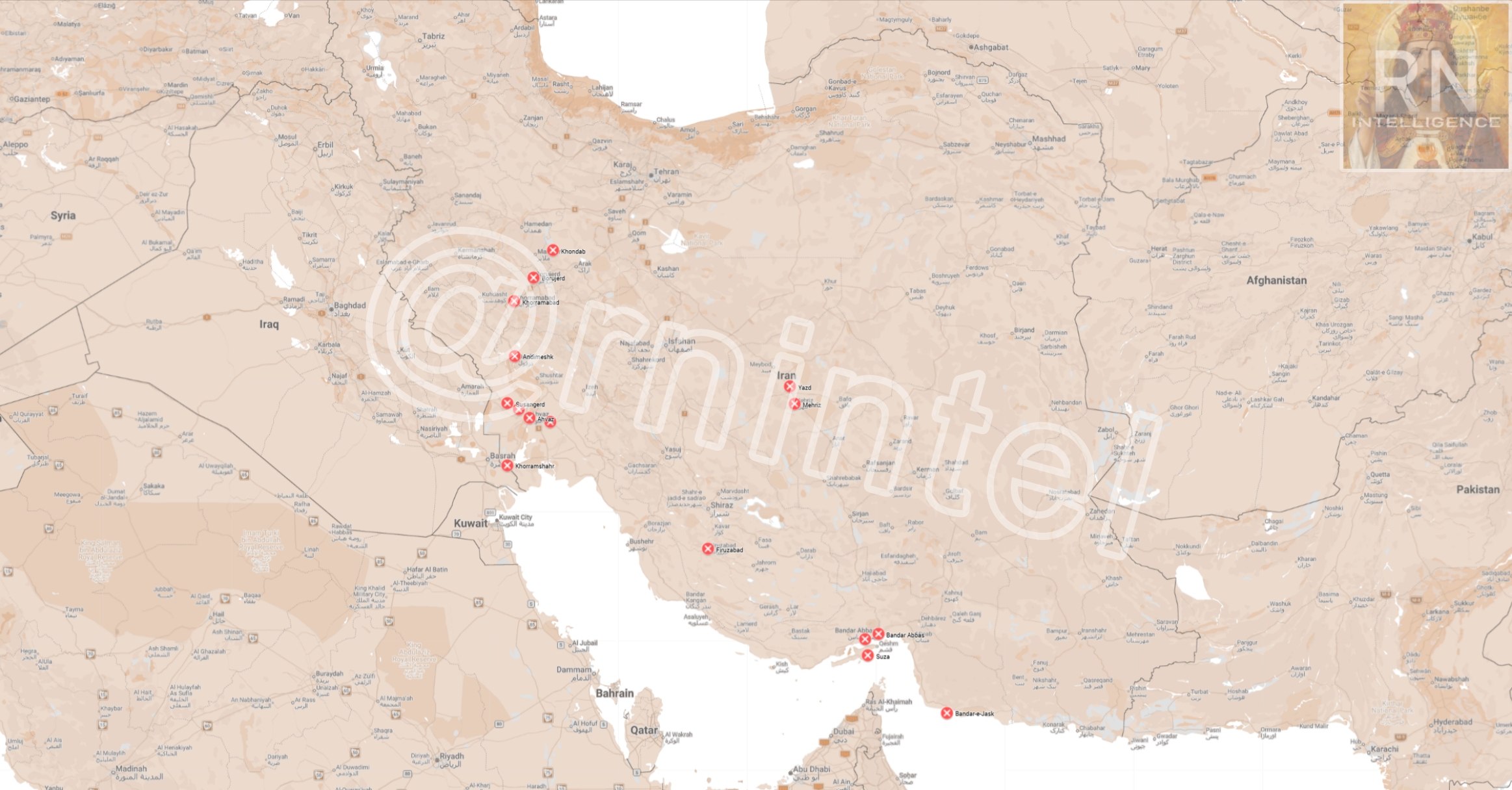
While the focus of this briefing is the West Bank, it is noteworthy that parallel kinetic events unfolded elsewhere in the region on July 24, including U.S. airstrikes in Iran and drone attacks in Iraq. These broader dynamics underscore a volatile regional security environment that may influence the calculus of actors on the ground in Palestine.