The United States launched its twelfth consecutive night of airstrikes against Iran on 23 July 2026, marking the most sustained kinetic phase of the Third Gulf War to date. The operation, reported by Al Jazeera at 05:36 UTC, coincided with the U.S. House of Representatives’ approval of a multi‑year defense spending bill, underscoring a coordinated political‑military escalation.
"Strikes from the US on Iran are raining down for the 12th night in a row," Al Jazeera reported, linking the campaign to the newly passed defense appropriations.
Scope and Targets of the Nightly Campaign
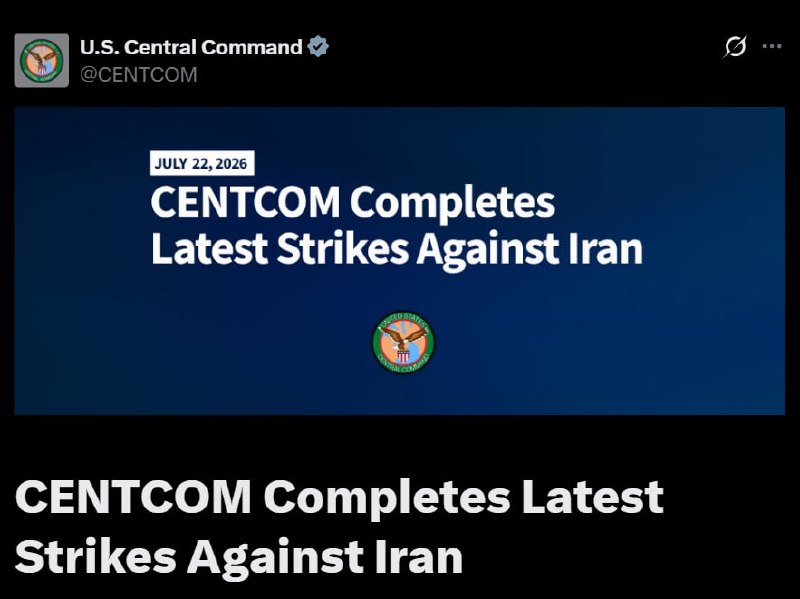
According to statements from U.S. Central Command (CENTCOM), the 12th night of strikes focused on a mix of maritime, missile, drone, surveillance and air‑defense installations that could threaten commercial shipping in the Strait of Hormuz. The targets were described as “military and dual‑use” facilities, a classification that includes both strictly defense‑related assets and infrastructure with civilian applications. No specific casualty figures were released, but the repeated emphasis on degrading Iran’s ability to threaten civilian mariners suggests a strategic intent to limit collateral damage while achieving operational objectives.
B‑1 Bomber Deployment
At 03:13 UTC, a separate strike was executed by a U.S. Air Force B‑1 long‑range bomber against Islamic Revolutionary Guard Corps (IRGC) positions, as reported by the Telegram channel monitor_the_situation. The use of the B‑1, a supersonic bomber capable of carrying a diverse payload, signals a shift toward higher‑value, deep‑strike missions that complement the broader wave of lower‑altitude attacks. The strike was confirmed by U.S. officials, though details on the specific IRGC units or equipment engaged were not disclosed.
CENTCOM’s Cumulative Air Campaign
Multiple Telegram sources—including BellumActaNews, CIG_telegram and rnintel—documented a series of nightly air operations dating back to at least 21 July 2026. On 21 July, CENTCOM released footage of its 11th consecutive evening strike, highlighting the systematic targeting of Iranian military operatives. Subsequent reports on 22 July and 23 July reiterated the focus on missile storage sites, drone launch facilities, coastal surveillance radars, and air‑defense batteries. The consistency of these reports across independent channels reinforces the credibility of the operational narrative.
US Air Force Asset Relocation
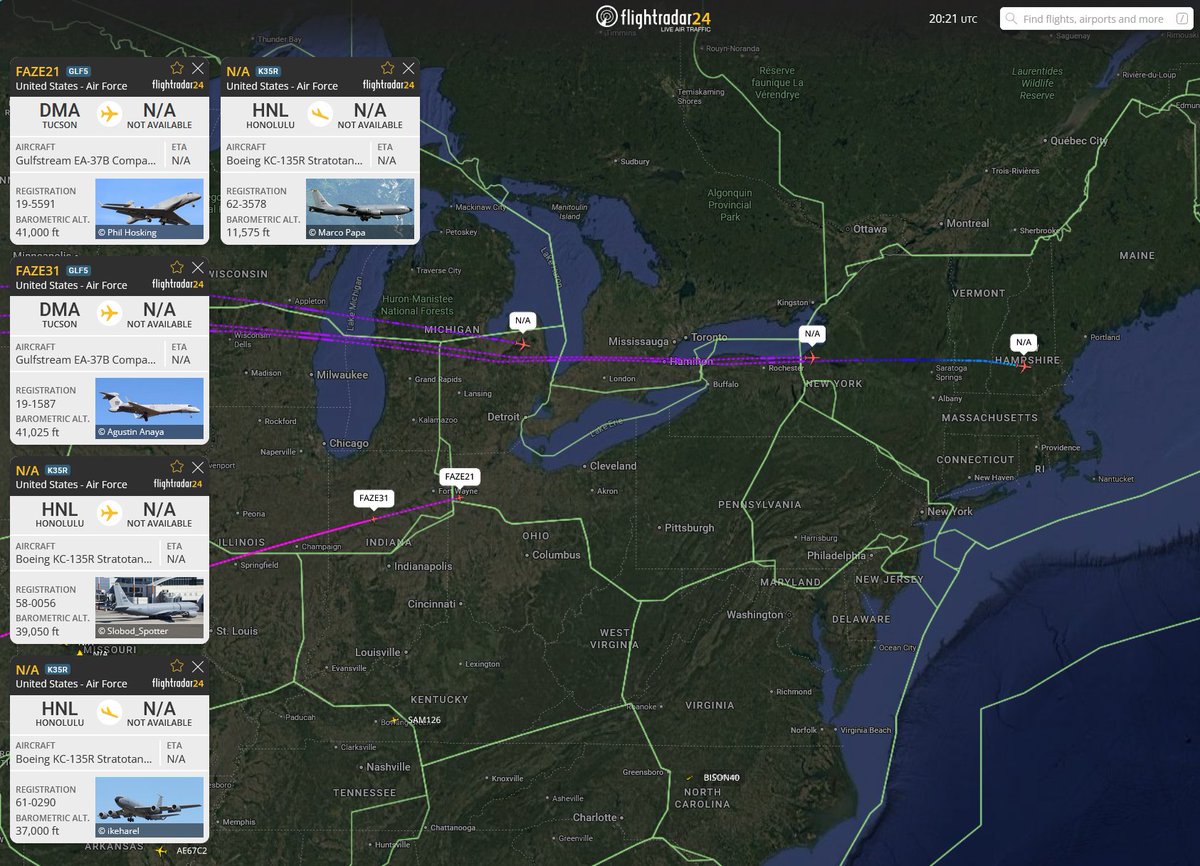
In a parallel logistical development, the United States Air Force began repositioning EA‑37B "Compass Call II" electronic‑warfare aircraft and KC‑135R aerial refueling tankers from Hawaii to the U.S. East Coast at 03:44 UTC, as detailed by BellumActaNews. The movement of two EA‑37Bs and an unspecified number of KC‑135Rs suggests preparation for sustained air operations over the Middle East, providing both electronic‑attack capabilities and extended range for strike aircraft. The relocation aligns with the broader escalation indicated by the nightly strike cadence.
Ukrainian Drone Activity in Moscow
While the primary focus of the day’s kinetic events centered on the U.S.–Iran confrontation, a separate incident involving Ukrainian‑operated drones was reported at 02:35 UTC. The drones struck multiple Wildberries warehouses in Moscow, causing severe losses for the Russian retailer, according to monitor_the_situation. This hostile UAV activity, though unrelated to the Gulf theater, illustrates the expanding geographic scope of kinetic engagements in 2026.
Operational Implications
The sustained air campaign against Iran serves multiple strategic objectives: degrading the IRGC’s capacity to project power, limiting Iran’s ability to disrupt the Strait of Hormuz—a critical chokepoint for global oil shipments—and signaling U.S. resolve following the passage of a substantial defense budget. The integration of high‑value platforms such as the B‑1 bomber and EA‑37B electronic‑warfare aircraft indicates a layered approach that combines precision strike, electronic suppression, and logistical endurance.
Source Attribution
All event details are drawn from open‑source intelligence (OSINT) channels: Al Jazeera video feed (https://www.aljazeera.com/video/newsfeed/2026/7/23/us-attacks-iran-for-12th-night-as-the-house-approves-defence-spending?traffic_source=rss), BellumActaNews Telegram posts (https://t.me/BellumActaNews/175706 and https://t.me/BellumActaNews/175697), monitor_the_situation Telegram updates (https://t.me/monitor_the_situation/25825 and https://t.me/monitor_the_situation/25822), CIG_telegram (https://t.me/CIG_telegram/80656) and rnintel (https://t.me/rnintel/64791).