On July 23, 2026, a United States airstrike on a telecommunications facility in Shalamcheh, Khuzestan Province, resulted in the death of Iranian Army Captain Amir Mohammad Salemi. The incident, reported by the monitoring channel monitor_the_situation, represents the most lethal kinetic event recorded in Iran on this date and underscores a rapid escalation of cross‑border hostilities.
Shalamcheh Airstrike – Casualties and Strategic Context
The strike occurred at 12:03 local time, targeting a site used by the Iranian Army (Artesh) for communications. Captain Salemi, a senior officer, was the sole fatality confirmed by Iranian authorities. No additional casualties were reported, and the United States has not issued an official statement. The operation aligns with a pattern of U.S. kinetic actions aimed at degrading Iranian command‑and‑control capabilities, as noted in prior engagements across the Persian Gulf region.
Source: https://t.me/monitor_the_situation/25846
Earlier Nationwide Explosions and U.S. Strikes
Earlier in the morning, at 09:34 UTC, the channel GeoPWatch documented a series of explosions and airstrikes across multiple Iranian provinces, including Jask (Hormozgan), Bushehr, the Shalamcheh border crossing, Abhar, and Tehran. The deputy governor of Shalamcheh reported that the U.S. strike killed two individuals, though details remain unverified. Explosive signatures and aerial footage suggest the use of precision‑guided munitions, consistent with prior U.S. operations in the region.
Source: https://t.me/GeoPWatch/37771
Iranian Ballistic Missile Launches
At 07:37 UTC, the intelligence outlet rnintel confirmed the launch of new ballistic missiles from a launch site near Khorramabad in western Iran. The missiles were identified as medium‑range, solid‑fuel projectiles, though trajectory data was not released. A second launch, recorded at 07:11 UTC, involved two ballistic missiles fired from Khomeyn in central Iran, reportedly aimed toward Jordan. While no impact was confirmed, the launches demonstrate Iran’s willingness to employ strategic missile assets in response to perceived external threats.
Source: https://t.me/rnintel/64798
Source: https://t.me/rnintel/64796
U.S. Airstrike on Suza Pier, Qeshm Island
At 15:50 UTC, a U.S. strike targeted the commercial pier at Suza on Qeshm Island in the Strait of Hormuz. The operation, reported by rnintel, aimed at infrastructure used for maritime logistics. No casualties were reported, but the strike temporarily disrupted cargo handling and heightened security alerts among Iranian coastal defenses.
Source: https://t.me/rnintel/64825
Transfer of IRGC Personnel and Missile Equipment to Yemen
According to a report from the Jerusalem Post dated 15:16 UTC, Iran facilitated the movement of Islamic Revolutionary Guard Corps (IRGC) commanders and missile systems to Houthi forces in Yemen on July 13. The transfer involved airlift operations from Tehran to Sana’a, indicating a deepening of Iran’s proxy support network in the Red Sea corridor. While the exact inventory of missile types was not disclosed, the presence of medium‑range surface‑to‑surface missiles is inferred.
Source: https://www.jpost.com/middle-east/iran-news/article-903465
Strait of Hormuz Tensions and Oil Market Impact
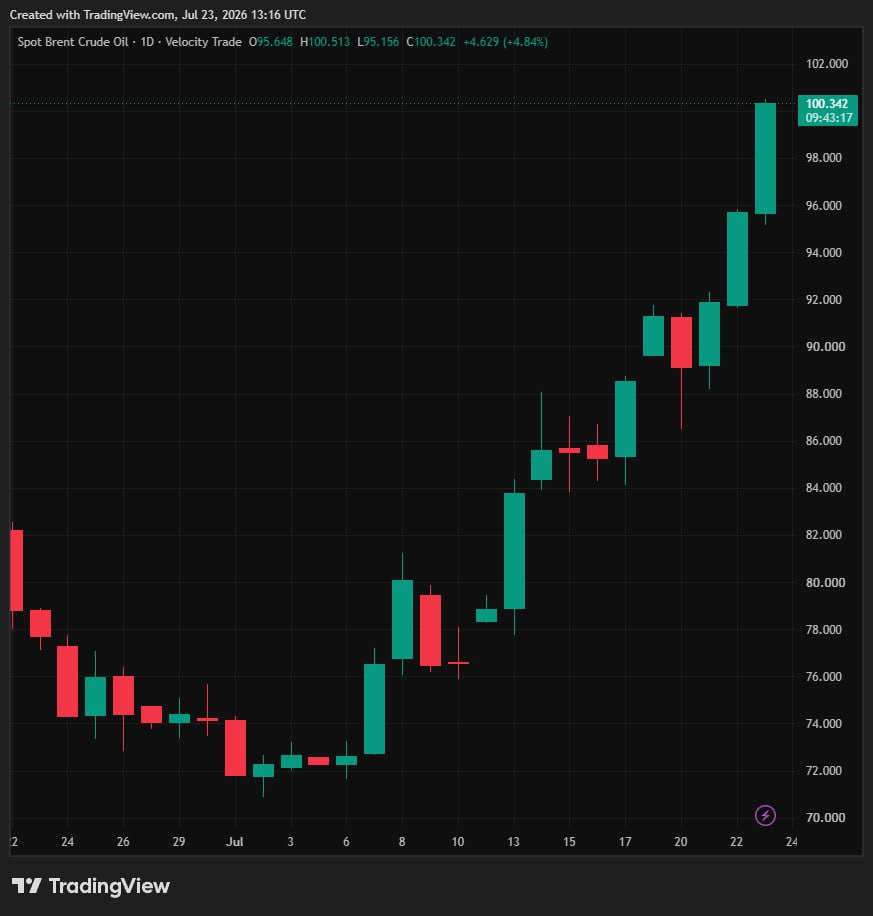
Concurrent with the kinetic events, the Strait of Hormuz experienced heightened naval activity. A report from CIG_telegram at 13:43 UTC highlighted that Brent crude futures surpassed $100 per barrel, driven by recent Houthi attacks on two Saudi tankers and the broader risk environment surrounding Iranian waters. Although no direct Iranian naval engagement was recorded on July 23, the market reaction reflects the strategic significance of the Strait and the potential for spillover from Iranian‑U.S. confrontations.
Source: https://t.me/CIG_telegram/80672
Border Clash in Sistan‑Baluchestan Province
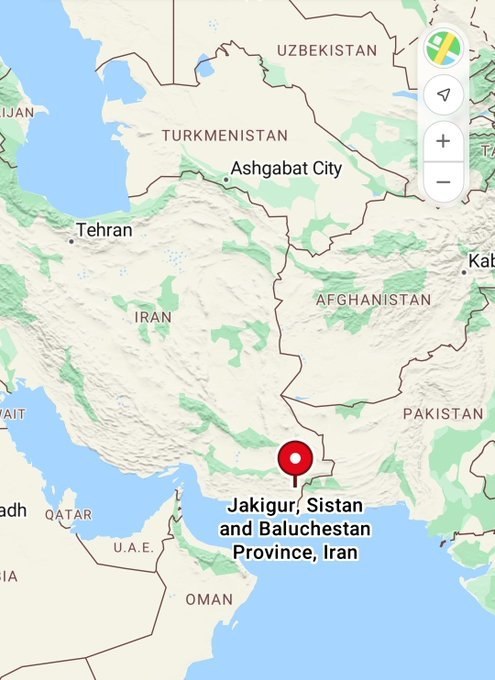
At 09:43 UTC, Iranian border guards engaged two armed individuals carrying explosives near the village of Jakirur in Sistan and Baluchestan Province. The clash resulted in the deaths of both assailants, as reported by rnintel. Iranian state media linked the incident to recent U.S. strikes on nearby border posts, suggesting a retaliatory motive by militant groups operating along the Iran‑Pakistan frontier.
Source: https://t.me/rnintel/64808
Collectively, these events illustrate a day of intensified kinetic activity within Iran’s borders and surrounding maritime zones. The convergence of U.S. airstrikes, Iranian missile launches, and proxy logistics underscores a volatile security environment that may influence regional stability and global energy markets in the weeks ahead.