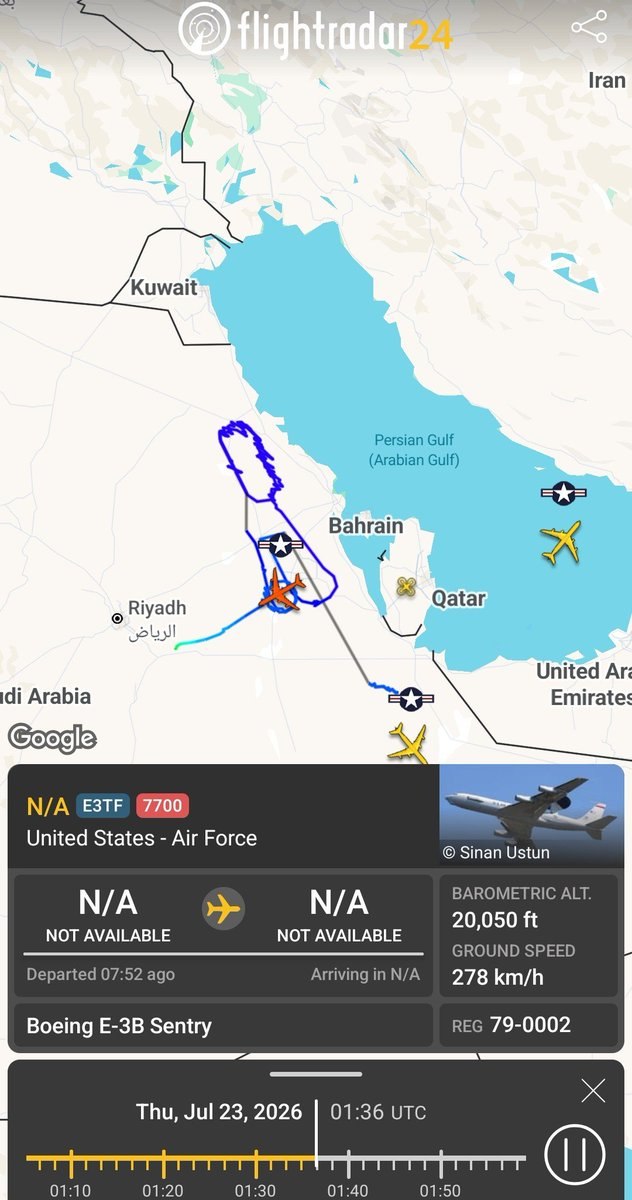
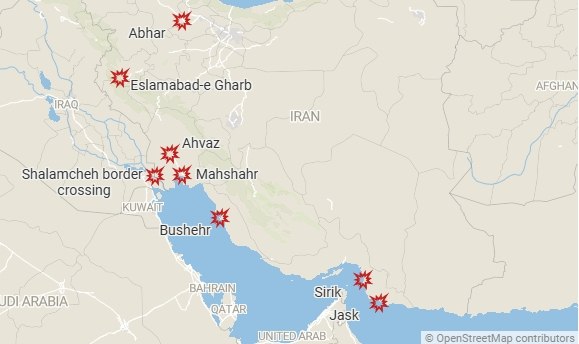
At 01:34 UTC on 23 July 2026, United States aircraft conducted an airstrike on the Shalamcheh border crossing in Khuzestan Province, Iran. The strike resulted in two fatalities and eleven injuries among civilians waiting at the passenger terminal, according to state‑run media and corroborated by video evidence shared on the CIG_telegram channel (Source: CIG_telegram). The target was identified as a police rest area adjacent to the crossing, a location that serves both commercial traffic and humanitarian convoys.
Humanitarian Response and Immediate Aftermath
Two hours after the strike, the BellumActaNews channel posted a video showing a convoy of ambulances arriving at the Shalamcheh crossing to evacuate the wounded (Source: BellumActaNews). The footage captures paramedics loading patients onto stretchers, highlighting the rapid medical response despite ongoing security concerns. The same channel later confirmed that the ambulances were the first to reach the site, underscoring the severity of the incident.
"Two deaths have been confirmed and eleven people are receiving treatment for injuries," said Valiollah Hayati, Deputy Governor of Khuzestan Province, in a televised briefing. (Source: CIG_telegram)
Series of Coordinated U.S. Airstrikes Across Iran
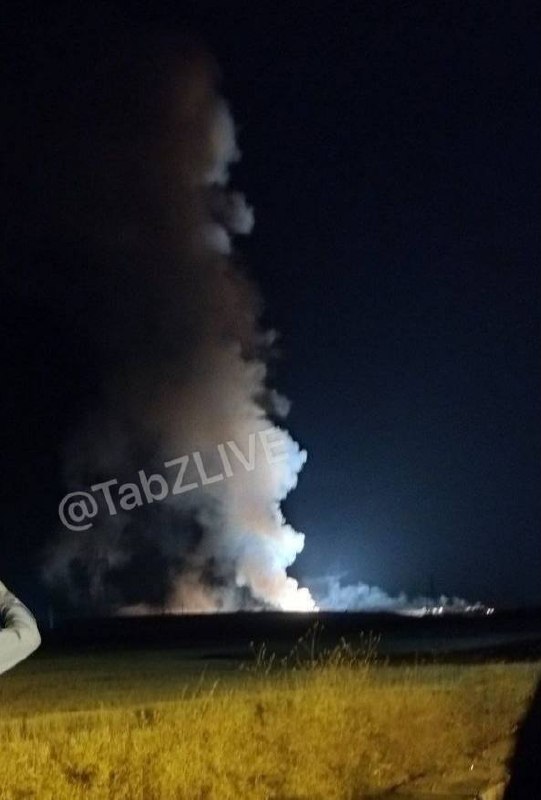
Within the same 24‑hour window, additional U.S. strikes were reported in multiple Iranian provinces. In the southeastern port city of Bandar‑e‑Jask, Hormozgan Province, video released by CIG_telegram displayed smoke plumes and damaged infrastructure following the attack (Source: CIG_telegram). Southern Iran’s Bushehr Province experienced at least three separate strikes: an initial explosion reported by BellumActaNews at 00:33, a follow‑up airstrike captured by the United States Air Force at Bushehr Air Base (Source: BellumActaNews), and further bombardments noted by CIG_telegram later in the night.
Western Iran saw a concentration of strikes in Kermanshah Province. Photographs posted on CIG_telegram at 00:38 showed blast damage in the city center, while rnintel confirmed additional hits in the nearby towns of Andimeshk and Islamabad‑e‑Gharb (Source: rnintel). Ahvaz, the provincial capital of Khuzestan, was also listed among the targets in a comprehensive report by rnintel that enumerated attacks on Ahvaz, Ziyarat, Sirik, Ramshir, Bandar‑e‑Mahshahr, and Zanjan.
Escalation Toward Strategic Sites
In a separate development, the OSINTdefender channel reported that the United States communicated to Israel its intention to employ heavy bombers for the first time in the current conflict, specifically to strike the Pickaxe Mountain nuclear facility (Source: OSINTdefender). While no strike was confirmed on 23 July, the announcement signals a potential shift toward targeting Iran’s nuclear infrastructure, raising the strategic stakes of the ongoing kinetic exchange.
Iranian Counter‑Operations Beyond Its Borders
Iran’s Islamic Revolutionary Guard Corps (IRGC) conducted a rocket‑guided strike on Jordan’s King Faisal Air Base in Zarqa, destroying an aircraft hangar and reportedly killing an F‑15 fighter. Satellite imagery released by intelslava displayed black smoke emanating from the hangar, confirming the destruction (Source: intelslava). A later video from monitor_the_situation corroborated the claim, showing the hangar engulfed in flames and confirming the loss of the aircraft.
Naval Engagements in Strategic Waterways
Maritime incidents intensified alongside aerial operations. The IRGC announced a strike on an oil tanker transiting the Strait of Hormuz, a claim supported by a photo posted on monitor_the_situation (Source: monitor_the_situation). Simultaneously, Houthi forces in Yemen targeted two Saudi oil tankers, ENCELA and LAYLIA, using ballistic missiles, cruise missiles, and drones, as reported by intelslava. The attacks caused bow fires but no crew injuries, according to Saudi state media.
In Iran’s own Hormozgan Province, a U.S. attack damaged two rescue boats, an incident documented by monitor_the_situation (Source: monitor_the_situation). The loss of these vessels further constrains Iran’s maritime rescue capabilities in the region.
Cumulative Impact and Operational Overview
The coordinated nature of the U.S. air campaign—spanning from the Shalamcheh crossing to coastal ports, western cities, and strategic air bases—demonstrates a broadening of target sets beyond immediate military installations. Civilian casualties, as evidenced by the Shalamcheh incident, underscore the heightened risk to non‑combatants. Iranian retaliatory actions, including the strike on Jordan’s air base and the claimed tanker attack in the Strait of Hormuz, illustrate a willingness to project force beyond its borders, potentially expanding the conflict’s geographic scope.
All events reported on 23 July were sourced from open‑source intelligence channels, including BellumActaNews, CIG_telegram, OSINTdefender, intelslava, monitor_the_situation, rnintel, and Al Jazeera’s live blog. No independent verification beyond the posted media could be obtained within the reporting window.
Key Developments in Chronological Order
01:34 UTC – U.S. airstrike on Shalamcheh border crossing (2 dead, 11 injured).
03:23 UTC – Ambulances arrive at Shalamcheh, video released by BellumActaNews.
05:21 UTC – U.S. informs Israel of planned heavy‑bomber strikes on Pickaxe Mountain nuclear site (OSINTdefender).
05:23 UTC – IRGC rocket strike destroys F‑15 hangar at King Faisal Air Base, Jordan (intelslava).
06:00 UTC – Multiple U.S. strikes reported in Bushehr, Kermanshah, Ahvaz, and other western cities (various sources).
07:00 UTC – IRGC claims tanker hit in Strait of Hormuz (monitor_the_situation).
08:00 UTC – Houthis claim missile and drone attacks on two Saudi tankers (intelslava).
These incidents collectively represent the most intensive day of kinetic activity in Iran since the conflict’s escalation earlier in 2026.