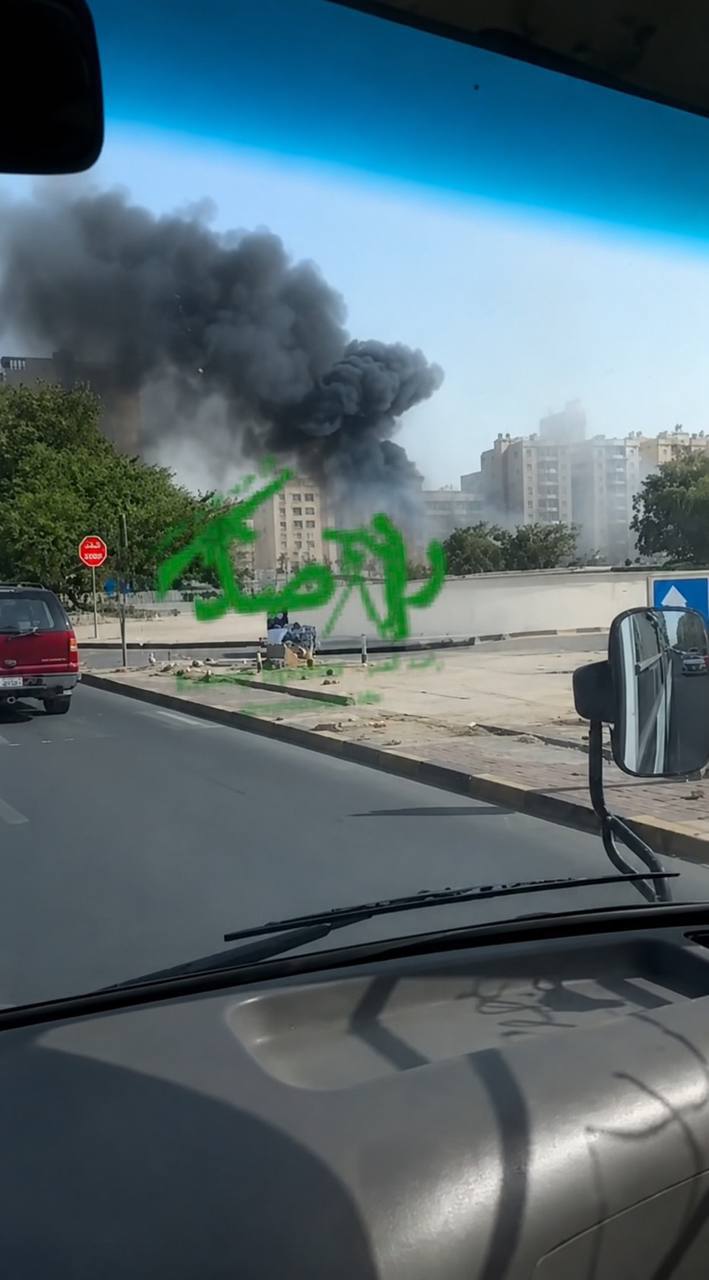
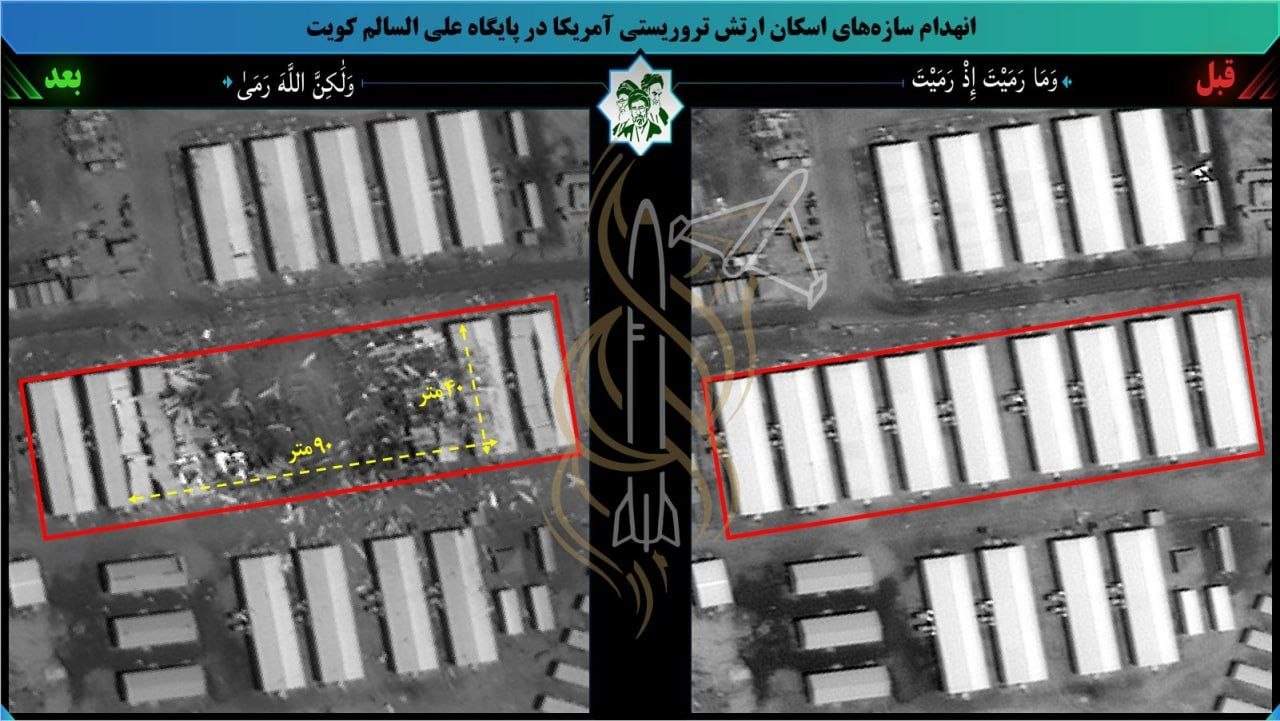
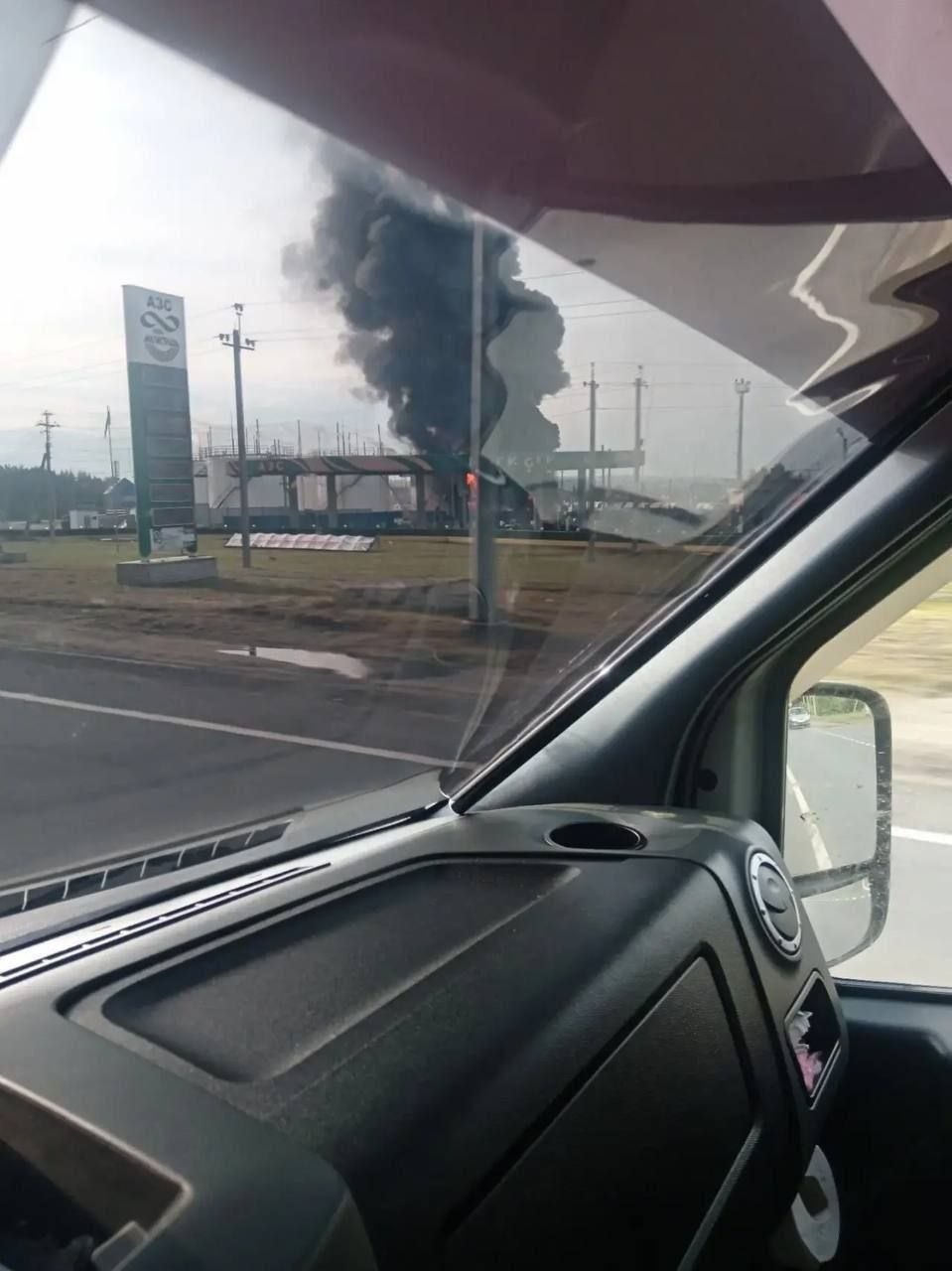
Iran’s Islamic Revolutionary Guard Corps (IRGC) announced a coordinated unmanned‑aerial vehicle (UAV) assault on three key Kuwaiti installations on 23 July 2026, claiming the destruction of a Patriot air‑defence system, an MQ‑9 Reaper hangar, a military warehouse, and significant damage to U.S. troop accommodations. The IRGC statement, circulated on the CIG_telegram channel at 13:43:03, represents the most consequential kinetic event in Kuwait for the day, as it directly targets U.S. force protection assets and critical Kuwaiti infrastructure.
Chronology of the Kuwait‑focused kinetic incidents
At 13:43:03, the IRGC posted a detailed account of the UAV strike on Ali Al‑Salem Air Base, Al‑Jahra governorate. According to the claim, a MIM‑104 Patriot air‑defence system was destroyed, a hangar housing a MQ‑9A Reaper UCAV was razed, and a nearby military equipment warehouse was hit. The same message asserted that U.S. soldiers were killed and wounded at Camp Buehring, though casualty figures were not disclosed.
"IRGC announces conducting a UAV attack against infrastructure and U.S. military bases in Kuwait. Patriot system, MQ‑9 Reaper hangar, and warehouse destroyed; U.S. personnel killed and wounded," CIG_telegram, 23 July 2026.
Simultaneously, at 13:43:04, a second CIG_telegram post reported that the IRGC had destroyed a U.S. electronic‑warfare unit at Al‑Adairi Base, struck its barracks, and damaged the base’s air‑traffic‑control tower. No specific casualty numbers were provided, but the language indicated “killing and wounding an unspecified number of personnel.”
Later that hour, a third CIG_telegram update (13:43:04) showed satellite imagery of damage to a helicopter shelter at Camp Buehring, corroborating the IRGC’s claim of U.S. troop‑accommodation losses.
Additional kinetic events in Kuwait on 23 July 2026
Beyond the IRGC‑claimed UAV attacks, several other kinetic incidents were recorded across Kuwait:
- Main Power Station attack – At 16:42:34, CIG_telegram reported that Iranian forces targeted one of Kuwait’s main power stations, though no casualties or infrastructure‑outage details were released.
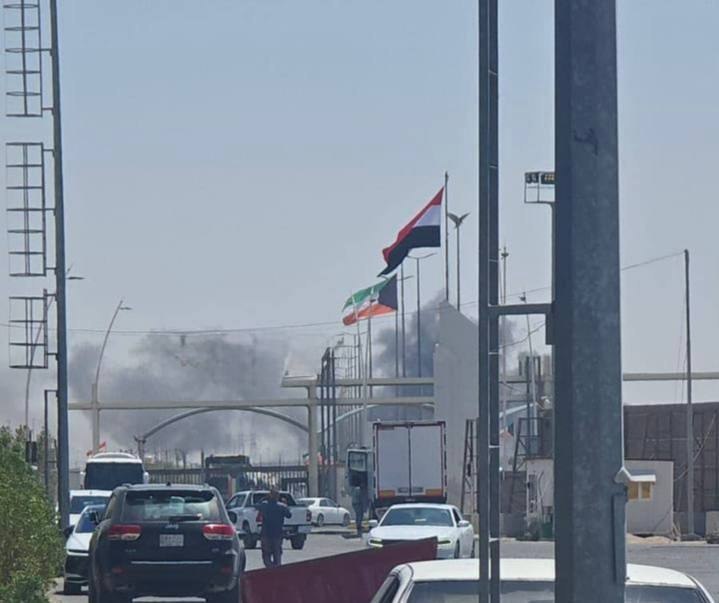
- Abdali border crossing drone strike – At 14:53:56, AlJazeera relayed a statement from the Kuwaiti Defence Ministry that a drone hit the Abdali crossing on the Kuwait‑Iraq frontier, causing material damage but no injuries.
- Explosions on Bubiyan Island – At 15:54:56, GeoPWatch noted explosions on Bubiyan Island following a U.S. strike on Iran’s Qeshm Island. The report did not confirm any Kuwaiti casualties.
- Power‑station and border‑crossing incidents – Additional reports from GeoPWatch (15:38:40) and intelslava (12:43:51) described destruction of troop accommodation buildings at Ali Al‑Salem Air Base and fires near communication towers at the Al‑Abdali crossing, respectively.
Air‑defence activity and interception efforts
Kuwaiti air‑defence units were reported active in the eastern sector of the country at 10:33:36, according to rnintel. The forces were engaged in counter‑UAV operations against “one‑way” drones attributed to Iran or Iraq. No interceptions of the specific IRGC UAVs were confirmed in open‑source feeds.
Assessment of damage and operational impact
The IRGC’s claims, if accurate, represent a notable degradation of U.S. force‑protection capabilities in the Gulf. The loss of a Patriot system reduces layered air‑defence coverage, while the destruction of an MQ‑9 Reaper hangar curtails persistent ISR (intelligence, surveillance, reconnaissance) and strike capacity. Damage to barracks and air‑traffic‑control infrastructure at Al‑Adairi Base could impair sortie generation and command‑and‑control functions.
However, independent verification of the casualty figures remains pending. Open‑source satellite imagery released by GeoPWatch and CIG_telegram confirms structural damage at Camp Buehring and Ali Al‑Salem, but does not yet show the extent of personnel losses.
Regional context and potential escalation
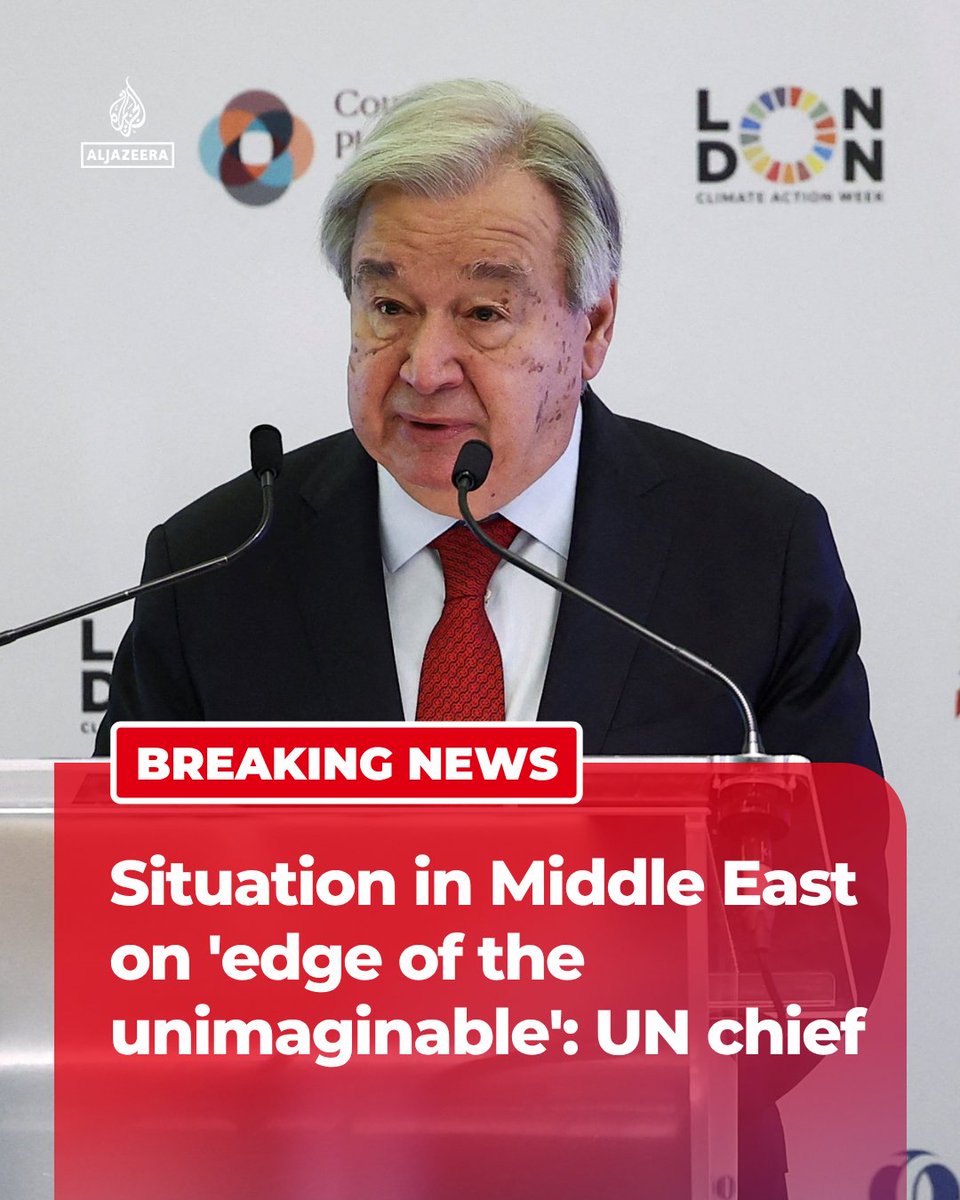
The kinetic actions in Kuwait occur against a backdrop of heightened U.S.–Iran tensions. On 23 July, UN Secretary‑General Antonio Guterres warned that the “US‑Israel war on Iran pushes the region to the edge of the unimaginable” (monitor_the_situation, 14:42:56). Simultaneously, Iranian‑aligned proxies such as the Houthis intensified naval attacks in the Red Sea, driving oil prices above $100 per barrel (AlJazeera, 10:52:54).
These concurrent developments suggest a coordinated Iranian strategy to pressure U.S. and allied assets across multiple domains—maritime, aerial, and land‑based—while exploiting the strategic importance of Kuwait as a logistics hub for U.S. Central Command operations.
Implications for U.S. and coalition posture
U.S. Central Command has not issued a public response to the IRGC claims as of the latest reporting. Nonetheless, the documented activation of Kuwaiti air‑defences and the rapid dissemination of satellite imagery indicate heightened alertness among coalition partners. Continued monitoring of satellite and SIGINT sources will be essential to validate the IRGC narrative and to assess whether further kinetic actions are imminent.
In the absence of confirmed casualty data, analysts should prioritize verification of the reported equipment losses and evaluate the resilience of U.S. force‑protection measures in the Gulf. The potential for retaliatory strikes—either kinetic or cyber—remains a variable that could further destabilize the region.