On 22 July 2026 Iran experienced a surge of kinetic events spanning air, land, and sea domains. The most consequential development was a series of United States airstrikes over Tehran, followed by multiple Iranian ballistic missile launches from the Kermanshah region, a US strike on Larak Island in the Strait of Hormuz, and a series of naval disruptions in the strategic waterway. The incidents, reported by a range of open‑source channels, illustrate a rapid escalation of hostilities that could have broader regional implications.
US Airstrikes Over Tehran
At 07:28 local time, the United States Army announced the completion of its eleventh consecutive day of strikes against Iranian targets, confirming air‑defence activation and audible explosions throughout Tehran. Al Jazeera reported that Iranian air‑defence systems responded, producing visible flames and a city‑wide alarm.
"Explosions could be heard over Tehran as the US army said it had completed its 11th consecutive day of strikes on Iran." – Al Jazeera, 22 July 2026, https://www.aljazeera.com/video/newsfeed/2026/7/22/air-defences-activate-in-iran-and-flames-rise-from-us-attacks?traffic_source=rssCasualty figures were not released at the time of reporting, and no specific targets were identified in the public statements. The strikes represent a continuation of a broader US campaign aimed at degrading Iranian military capabilities, though the precise strategic objectives remain undisclosed.
Ballistic Missile Launches from Kermanshah
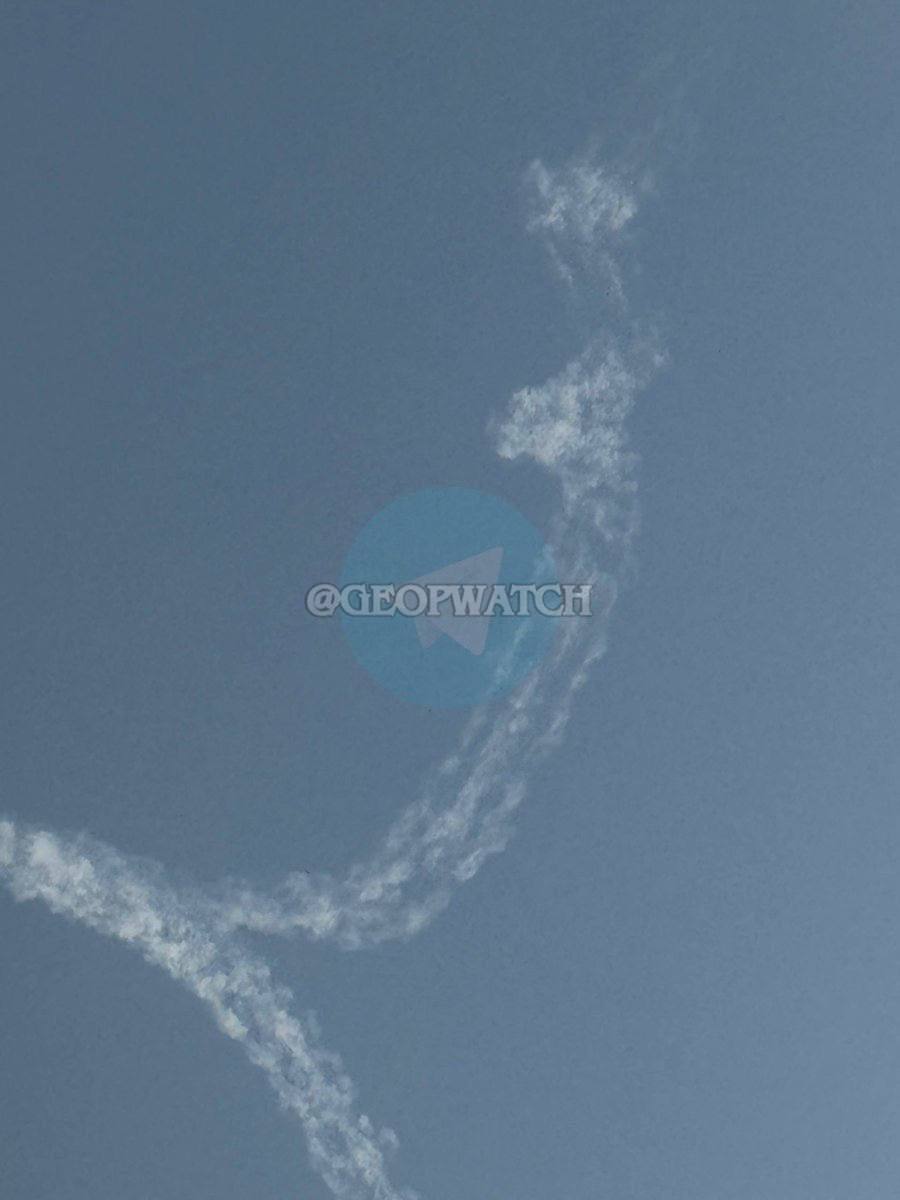
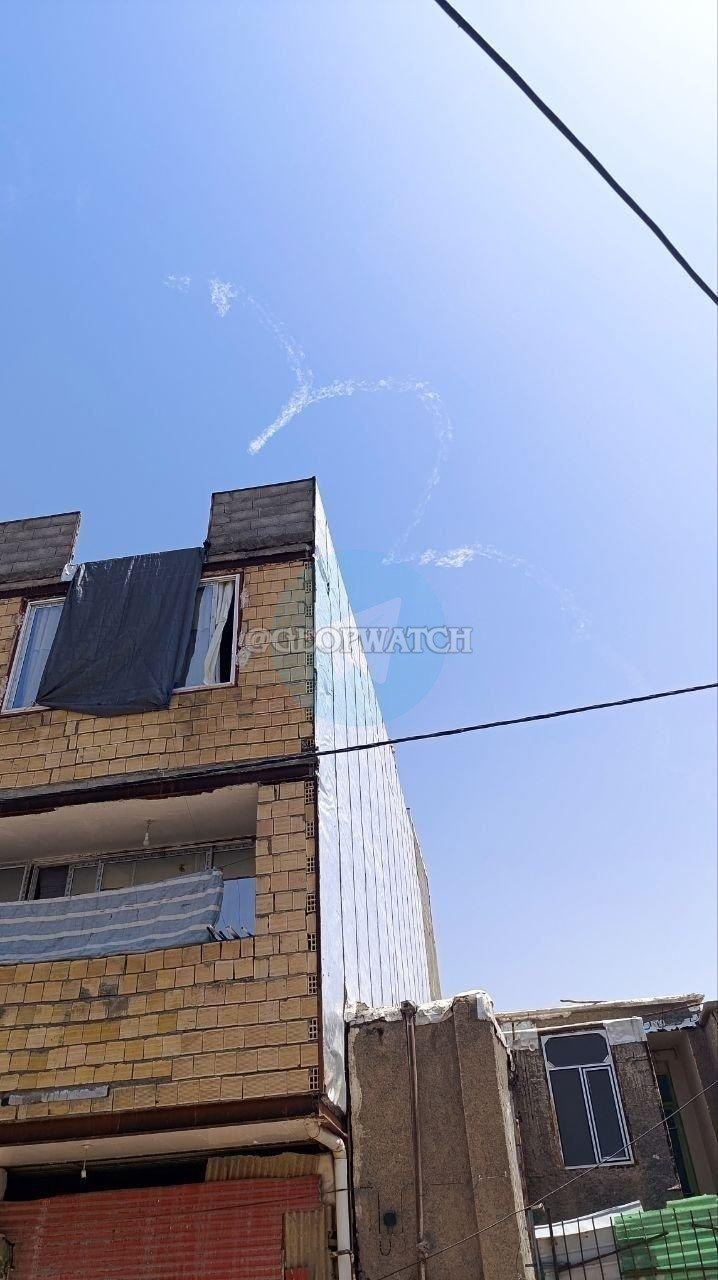
Three separate reports documented ballistic missile activity originating from the Kermanshah province in western Iran. The earliest, at 07:52, described missile launches observed from Kermanshah city (GeoPWatch). A second launch was recorded at 10:31, with imagery indicating a missile aimed at Aqaba, Jordan, suggesting a potential regional signalling intent (GeoPWatch, photo evidence). The latest launch, at 11:41, pinpointed the Paraw Mountain area (coordinates 34.4174097, 47.2362921) as the launch site, and noted the involvement of Bahrain in the reporting channel (rnintel). Finally, at 17:26, rnintel reported additional ballistic missile launches from the broader Kermanshah region.
None of the reports included casualty numbers or confirmed impact locations, indicating that the missiles may have been test flights, deterrent displays, or aimed at undisclosed targets. The repeated use of ballistic missiles underscores Iran’s capacity to project force beyond its borders and may be intended as a counter‑measure to the ongoing US air campaign.
US Airstrike on Larak Island
At 11:49, the United States conducted an airstrike on Larak Island, situated in the Strait of Hormuz. The strike was reported by rnintel without accompanying casualty data or weapon specifics. Larak Island hosts Iranian military installations that monitor maritime traffic through the Strait, a critical chokepoint for global oil shipments. The timing of the strike coincides with heightened naval activity in the region, suggesting a coordinated effort to pressure Iranian maritime assets.
Drone Interception in Tehran
At 10:32, Iranian Revolutionary Guard Corps (IRGC) air‑defence systems intercepted and shot down an unmanned aerial vehicle (UAV) over Tehran, according to intelslava. The incident triggered a series of explosions across the city, which Fars News Agency linked to the drone’s downing. No casualties were reported, but the event highlights the layered air‑defence posture Iran has adopted in response to both state and non‑state aerial threats.
Naval Operations in the Strait of Hormuz
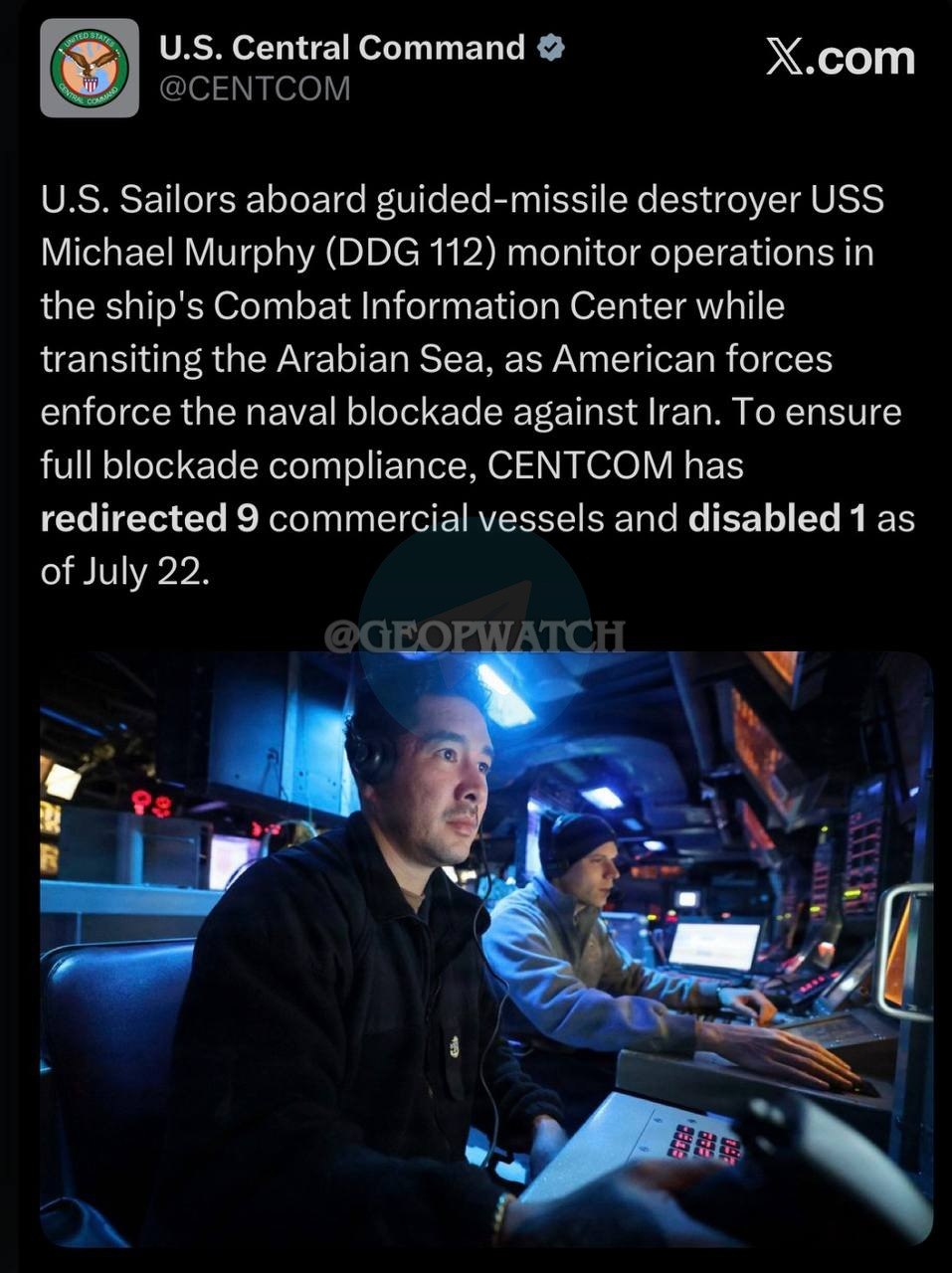
Naval activity intensified throughout the day. At 07:45, a Telegram channel (CIG_telegram) reported a sharp reduction in vessel traffic within the Strait of Hormuz, attributing the decline to recent attacks. The report cited four vessel attacks confirmed by the IRGC and the United Kingdom Maritime Trade Operations (UKMTO), including a tanker named Kavomaleas that caught fire after being hit. Concurrently, the United States Central Command (CENTCOM) redirected nine commercial vessels and disabled one on 22 July, as documented by GeoPWatch at 16:49. These actions reflect a concerted effort by both Iranian and US forces to control maritime movements in the strategically vital waterway.
Additional Missile Launches
Separate missile activity was recorded in northern Iran. At 07:37, GeoPWatch detected a missile launch from Tabriz, a major city in the northwest. While details on the missile type and target remain sparse, the launch adds to the pattern of multi‑regional missile deployments observed on 22 July.
Collectively, the events of 22 July demonstrate a pronounced escalation of kinetic engagements across Iran’s airspace, land‑based missile fields, and surrounding maritime zones. The convergence of US offensive actions, Iranian missile launches, and heightened naval posturing suggests a volatile environment that could influence regional security calculations in the weeks ahead.