On July 22, 2026, a series of coordinated kinetic operations unfolded across Ukraine’s southern and occupied regions, underscoring the escalating intensity of the conflict. Russian forces employed long‑range missiles and unmanned aerial systems (UAS) against civilian and military infrastructure, while Ukrainian forces responded with a sustained drone campaign against Russian‑held energy facilities, logistics routes, and airfields.
Russian Oniks Missile Hits Residential Area in Chornomorsk
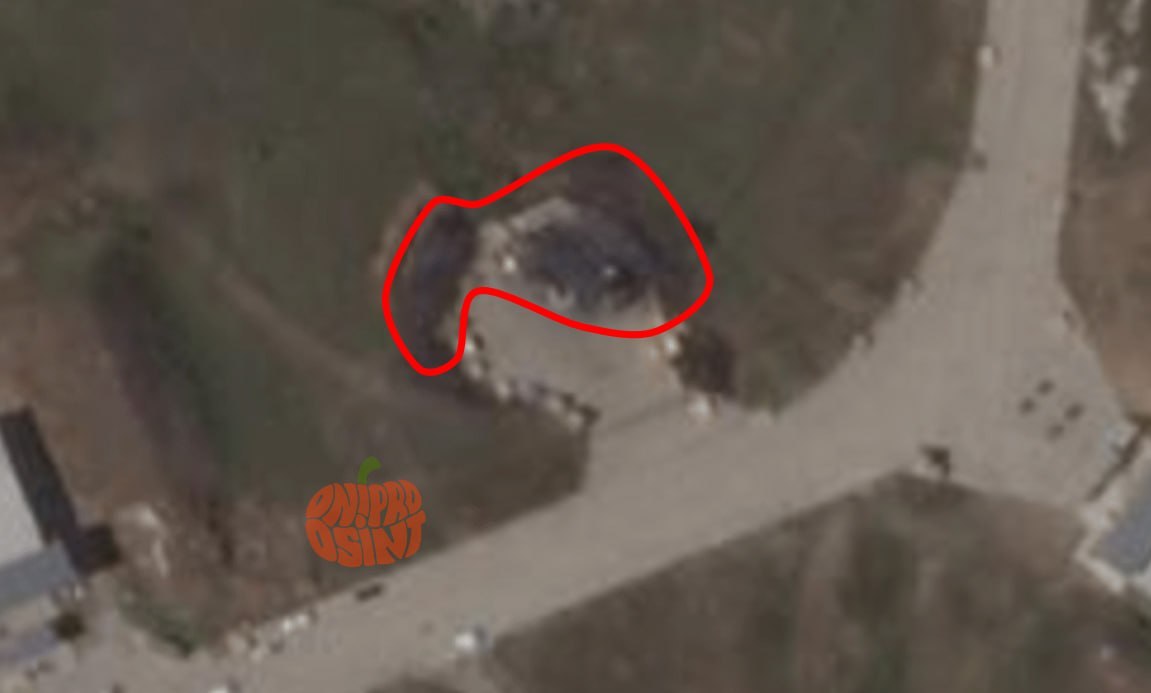
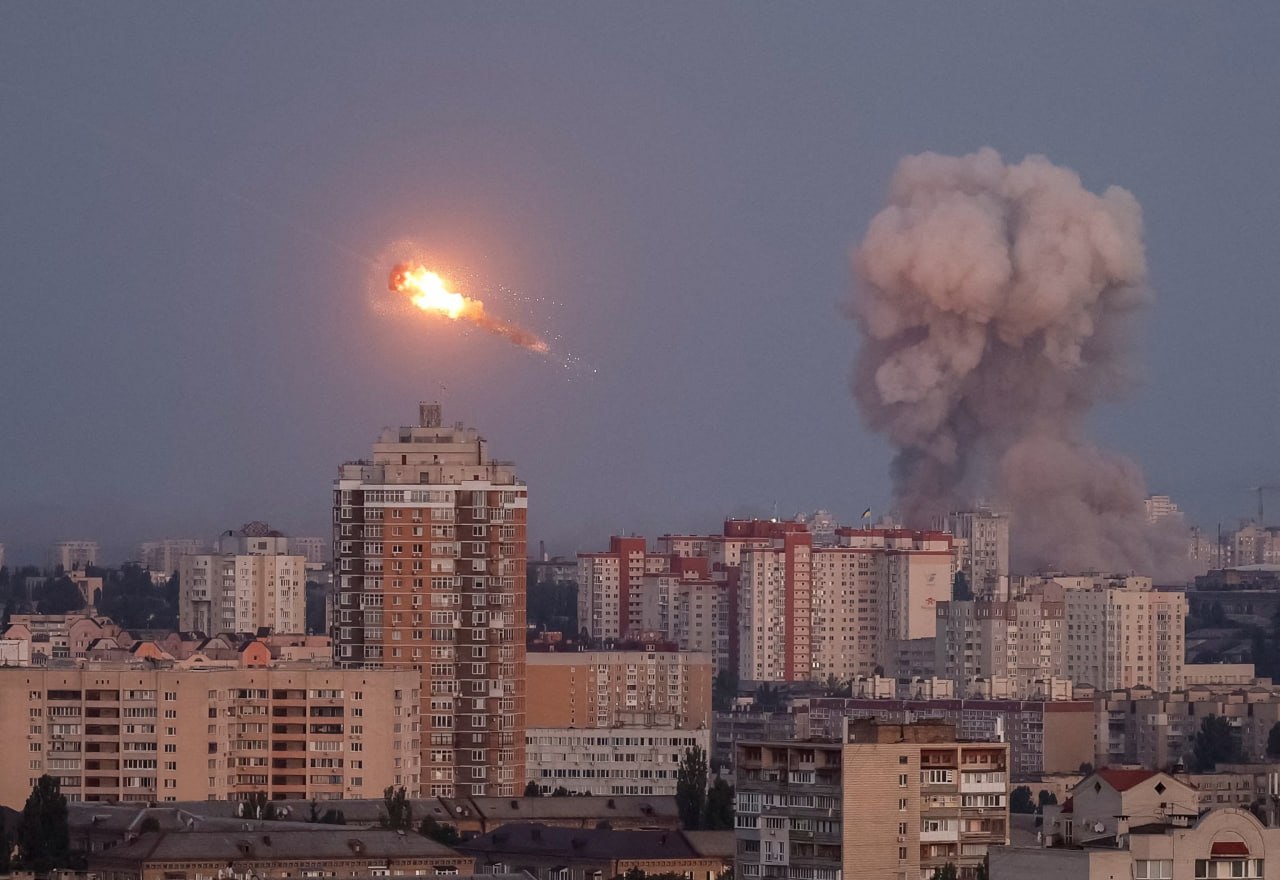
At 17:40 local time, a Russian Oniks supersonic cruise missile struck near a residential district in Chornomorsk, Odesa Oblast. The impact injured at least one civilian, according to the open‑source intelligence channel OSINTdefender. The missile’s trajectory and impact point were confirmed by satellite imagery, though the exact location of a second missile reported in the same strike remains unverified.
"At least one civilian was injured when a Russian Oniks missile struck near a residential area in Chornomorsk, Odesa Oblast." – OSINTdefender, 2026‑07‑22
The strike illustrates Russia’s continued use of high‑speed, sea‑launched missiles against densely populated zones, raising concerns about civilian protection under international humanitarian law.
Overnight Rocket Barrage on Odessa Port Facilities
Earlier in the day, at 11:59, Russian forces launched a large‑scale rocket attack on the Port of Odessa and adjacent logistics sites near Kovalevka, Odessa Oblast. The operation targeted a Neptune‑2 coastal missile battery, cargo vessels, and fuel storage tanks. Two merchant ships—a dry cargo vessel and a bulk carrier—were hit while en route to Ukrainian ports, sustaining hull breaches and cargo loss. The strike was documented by the intelslava channel, which noted the involvement of both Russian forces and the Ukrainian Armed Forces (AFU) in defending the area.
Damage assessments indicate that the fuel tanks suffered partial ruptures, prompting immediate containment measures to prevent environmental contamination. No civilian casualties were reported in this incident, but the disruption to maritime supply lines is expected to affect the delivery of humanitarian aid and military materiel.
UAV Assaults on Chernomorsk and Odessa Ports
At 15:31, Russian UAVs conducted coordinated strikes on both Chernomorsk and Odessa ports. In Chernomorsk, a dry cargo ship was struck during unloading at the Sea Commercial Port, and nearby fuel and lubricant tanks were damaged. In Odessa, port infrastructure used for unloading and storing military cargo was hit, and UAV depots in the vicinity were set ablaze. The attacks were reported by intelslava and involved assets of the Russian Armed Forces and the Ukrainian Armed Forces.
Preliminary casualty reports indicate no fatalities, though several port workers sustained minor injuries from shrapnel. The repeated targeting of maritime hubs reflects a strategic aim to degrade Ukraine’s logistical capacity and to pressure the AFU’s supply chain.
Ukrainian Drone Campaign Against Crimean Energy Infrastructure
From July 21‑22, Ukrainian Unmanned Systems Forces deployed attack drones against thirteen 110‑kilovolt substations across Crimea, including sites in Alushta, Yalta, Alupka, Luchiste, Ponizivka, Zymyne, and Gaspra. The operation, part of the ongoing “Operation Crimea Switch Off,” raised the cumulative total of energy nodes struck since July 1 to 117. The attacks were captured on video and reported by the CIG_telegram channel.
"Ukrainian drones struck 13 energy infrastructure sites across Crimea and other Russian‑controlled territories on July 21‑22, bringing the total hits to 117 since July 1." – CIG_telegram, 2026‑07‑22
While no civilian casualties were reported, the outages are expected to strain the Russian‑occupied power grid, potentially affecting both civilian populations and Russian military installations.
Ukrainian Strikes on Hvardiiske Airfield, Crimea
At 12:53, Ukrainian forces launched a precision strike on Hvardiiske airfield in Crimea, targeting drone hangars used for Shahed and Gerbera UAVs. Satellite imagery confirmed at least eight impact points, indicating a coordinated attack on the airfield’s operational capacity. The strike was documented by the monitor_the_situation channel.
Damage to the hangars is likely to reduce the sortie rate of Russian reconnaissance and strike drones operating from the peninsula, thereby affecting Russian ISR (intelligence, surveillance, reconnaissance) capabilities in the southern theater.
Additional UAV and Drone Operations
Other notable UAV activities on July 22 include:
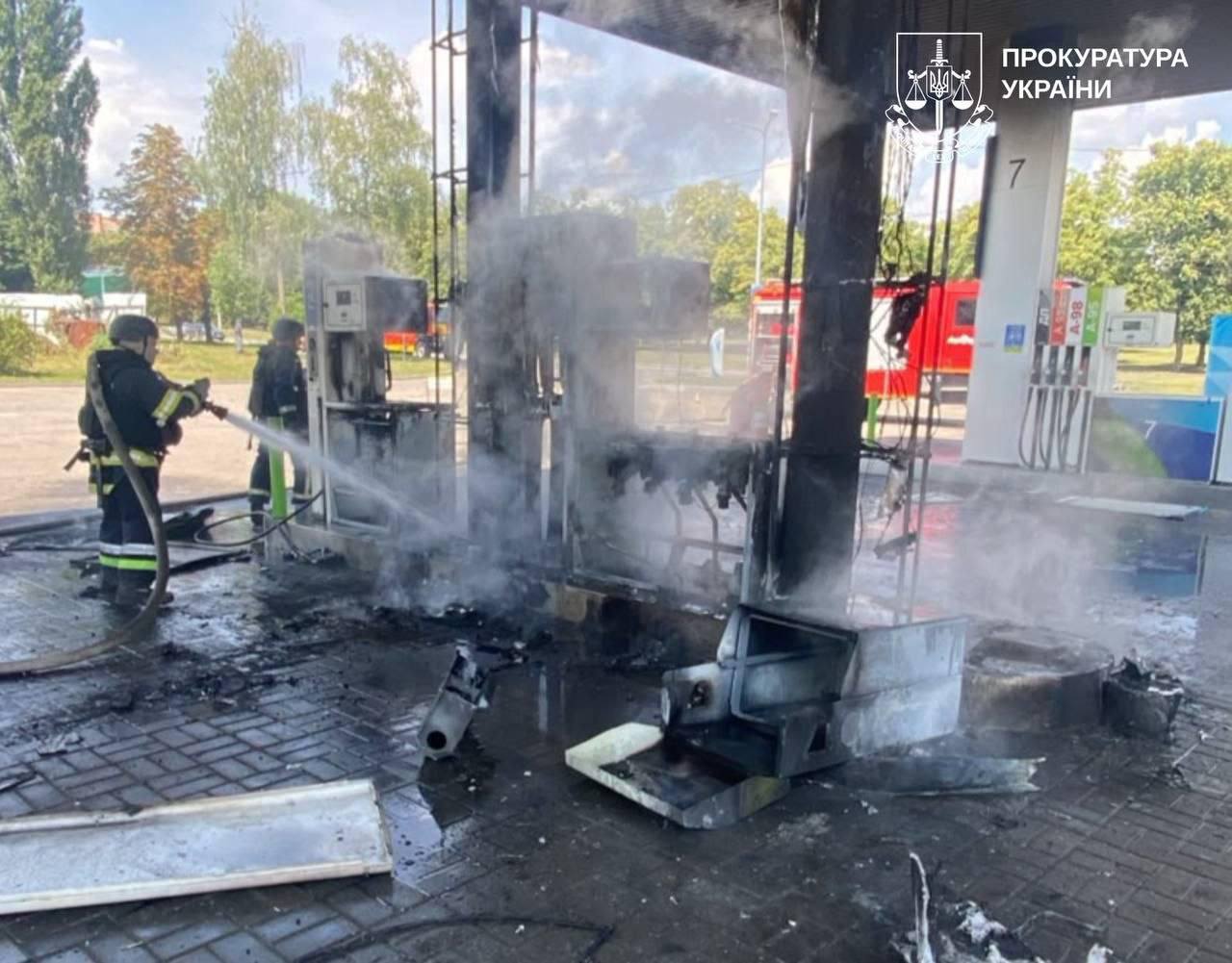
- A Russian FPV drone destroyed a gas station in Kharkiv at 14:24, as reported by intelslava.
- Ukrainian mid‑range attack drones targeted logistics routes in Kherson Oblast, disrupting Russian supply lines (monitor_the_situation, 15:12).
- The Security Service of Ukraine (SBU) Alpha group launched a swarm of 13 drones against an FSB coordination center in Shchaslyvtseve, Kherson Oblast at 10:17, aiming to degrade Russian command‑and‑control capabilities (monitor_the_situation).
These actions collectively demonstrate a multi‑domain approach, with both sides employing kinetic tools to shape the operational environment.
Analytical Assessment
The pattern of events on July 22 reflects a pronounced escalation in kinetic engagements along Ukraine’s southern front and in occupied territories. Russian forces continue to leverage high‑speed missile systems such as the Oniks and Neptune‑2 to strike maritime and coastal assets, prioritizing ports that serve as logistical lifelines for the AFU. Simultaneously, Ukrainian drone operations have intensified, focusing on degrading Russian energy infrastructure in Crimea and disrupting rear‑area logistics in occupied regions.
From a strategic perspective, the reciprocal targeting of supply chains indicates an effort by both belligerents to impose attrition on the opponent’s sustainment capabilities. The use of UAVs by both sides underscores the growing importance of unmanned platforms in modern conflict, offering precision strike options while reducing risk to personnel.
Continued monitoring of casualty reports, damage assessments, and supply chain disruptions will be essential for evaluating the longer‑term impact of these kinetic actions on the broader conflict dynamics.