The most consequential kinetic event recorded on 21 July 2026 was the United States Navy’s coordinated Tomahawk cruise‑missile barrage against three Iranian coastal installations – Chabahar, Konarak and Bandar Abbas. Arleigh Burke‑class destroyers and carrier‑based fighter jets fired the missiles in a single, synchronized operation that marked the first large‑scale naval bombardment of Iranian port infrastructure since the 2025 escalation.
"US Navy Arleigh Burke destroyers and fighter jets launched Tomahawk cruise missiles against IRGC coastal infrastructure, including ports at Chabahar, Konarak, and Bandar Abbas, in a major escalation of naval bombardment." – monitor_the_situation, 08:33 UTC
The strikes targeted radar arrays, fuel storage tanks and logistical depots operated by the Islamic Revolutionary Guard Corps (IRGC). Preliminary satellite imagery released by independent analysts shows significant blast craters at each site, confirming the destructive capacity of the Tomahawk system. No immediate casualty figures were released by Iranian authorities, but the attacks represent a clear escalation in the kinetic phase of the US‑Iran war that resumed in early July.
US Airstrike on Sarallah Military Base, Shiraz
Within hours of the naval attack, United States forces reportedly conducted an airstrike on the Sarallah military base near Shiraz in southern Iran. The strike, confirmed by the open‑source outlet rnintel, involved precision‑guided munitions delivered from an undisclosed platform. While the exact weapon type was not disclosed, the operation underscores a multi‑domain approach – naval, aerial and cyber – employed by the United States to degrade Iranian command‑and‑control nodes.
"Initial reports of a US airstrike on the Sarallah military base in Shiraz, southern Iran." – rnintel, 13:49 UTC
Iranian state media did not immediately acknowledge damage, but satellite passes later that day showed smoke plumes and a damaged runway segment, suggesting limited but tangible impact on the base’s operational capacity.
Iranian Missile Launches Across the Country
In parallel with the US strikes, Iran launched a series of ballistic and cruise missiles from multiple locations, signaling a reciprocal kinetic response. The launches were documented by several open‑source monitors:
- Lar, Fars Province – a ballistic missile was fired at an undisclosed target at 13:30 UTC (monitor_the_situation).
- Kermanshah, western Iran – possible ballistic missile launches reported at 08:28 UTC (rnintel).
- Asabad, Hamadan Province – missile launch detected at 08:32 UTC (GeoPWatch).
- Urmia, north‑western Iran – missile launch reported at 08:36 UTC (GeoPWatch).
- Shiraz, Fars Province – a missile launch reported at 09:23 UTC (GeoPWatch).
These launches, while not all confirmed as successful, demonstrate Iran’s capacity to project kinetic force from multiple strategic axes, complicating US and allied targeting efforts.
UAV Interception and Drone Activity
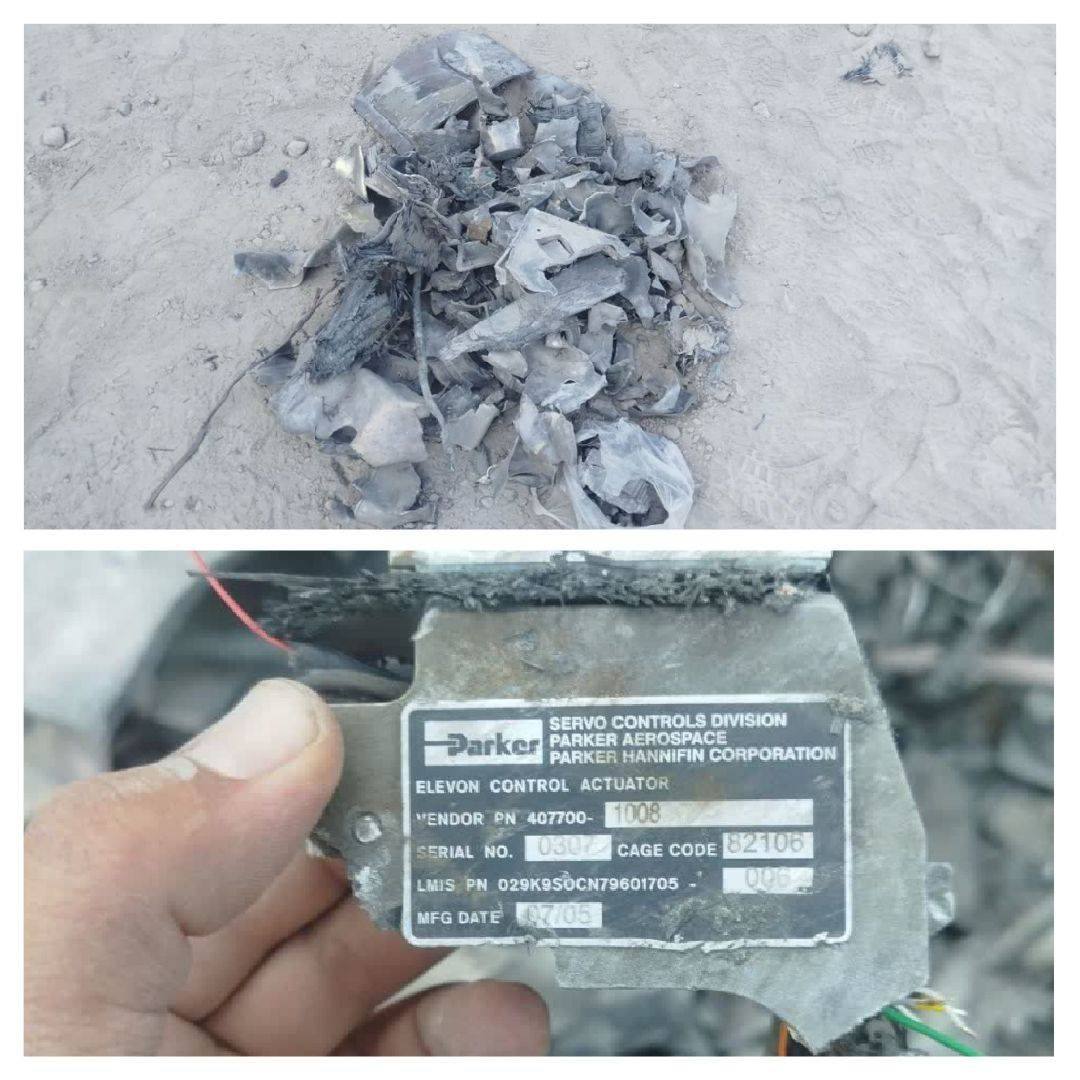
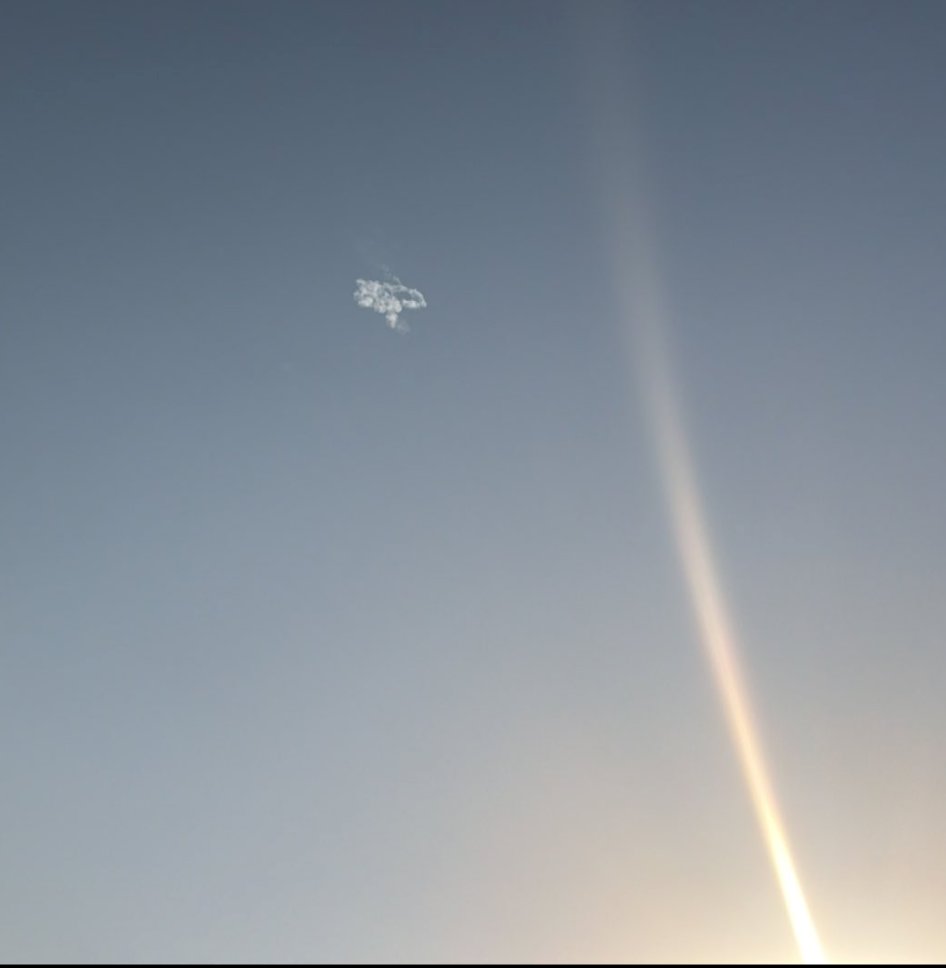
Iran’s aerial campaign also included unmanned systems. At 17:45 UTC, the Islamic Republic of Iran Air Defense Force shot down an unidentified UAV over East Azerbaijan Province, as reported by intelslava. The incident illustrates heightened air‑defense alertness in the north‑western theater.
"Islamic Republic of Iran Air Defense Force announces shooting down an unidentified UAV above East Azerbaijan Province, northwestern Iran, hours ago." – intelslava, 17:45 UTC
Conversely, Iranian forces claimed successful attacks on U.S. assets in the region. Satellite imagery released by Iranian sources showed a structure at Erbil International Airport in Iraq’s Kurdistan Region completely destroyed, attributed to Iranian missile or drone strikes (rnintel, 13:42 UTC). Additional reports indicated damage to the U.S.‑used Tower 22 base in Jordan, with an impact site captured on 20 July (rnintel, 11:08 UTC).
US Casualties and Pentagon Reporting
Amid the kinetic escalation, the United States disclosed mounting personnel losses. The Pentagon confirmed approximately 100 soldiers wounded since the war’s renewal, with total casualties reaching 14 dead and 427 injured (JPost, 10:06 UTC). An earlier intelligence briefing (intelslava, 15:04 UTC) noted nearly 100 wounded and three killed U.S. service members, prompting Defense Secretary Lloyd Austin to seek supplemental funding on Capitol Hill.
"The Pentagon stopped counting the wounded. Today Hegseth has to explain why. The Defense Secretary heads to Capitol Hill this afternoon to defend a five‑month war that’s now costing tens of billions..." – intelslava, 15:04 UTC
These figures underscore the human cost of the kinetic phase and provide context for the United States’ intensified use of long‑range precision weapons.
Regional Ripple Effects
Iranian kinetic actions extended beyond its borders. Iranian missile and drone attacks on an undisclosed U.S. base in the Middle East were leaked by U.S. troops, revealing damage and raising operational‑security concerns (CIG_telegram, 13:43 UTC). In Jordan, Iranian rockets struck the Muwaffaq al‑Salti Air Base between 15 and 20 July, with new impact sites observed on 20 July (rnintel, 09:37 UTC). Additionally, Iran claimed to have struck a U.S. military base in Manama, Bahrain, using rockets (monitor_the_situation, 07:43 UTC).
These cross‑border attacks illustrate Iran’s willingness to employ kinetic force against U.S. and allied installations throughout the Middle East, expanding the conflict’s geographic scope.
Strategic Assessment
The coordinated Tomahawk strike represents a decisive escalation by the United States, targeting Iran’s maritime logistics and signaling a willingness to employ high‑value kinetic assets. Iran’s simultaneous missile launches, UAV operations and attacks on regional U.S. facilities demonstrate a reciprocal strategy aimed at imposing costs and testing allied air‑defense networks.
Both sides appear to be calibrating kinetic actions to achieve limited, yet symbolically potent, effects while avoiding full‑scale conventional war. The continued reporting of U.S. casualties and the Pentagon’s request for supplemental funding suggest that the United States anticipates a protracted kinetic phase, with potential for further strikes on Iranian critical infrastructure.