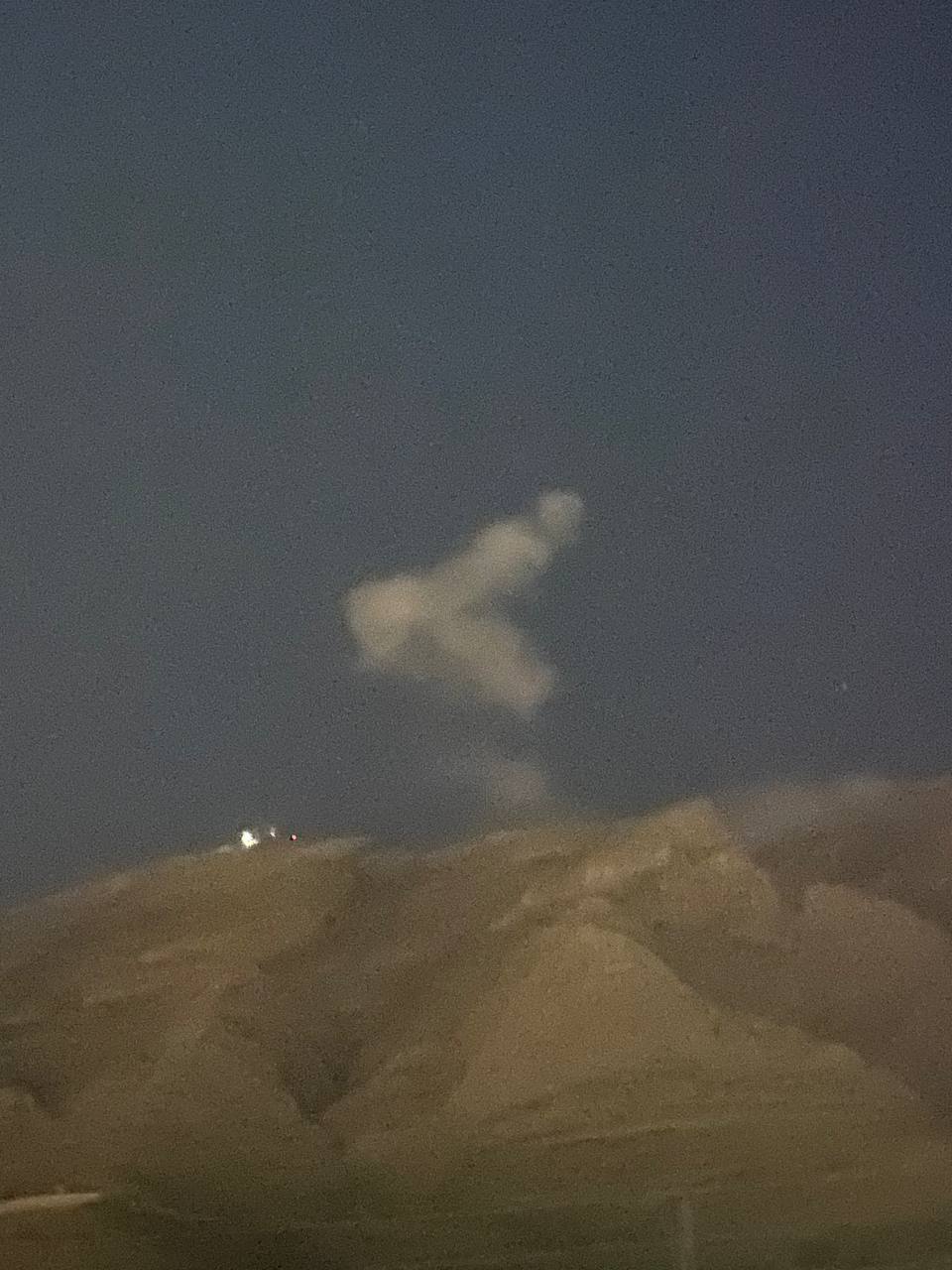
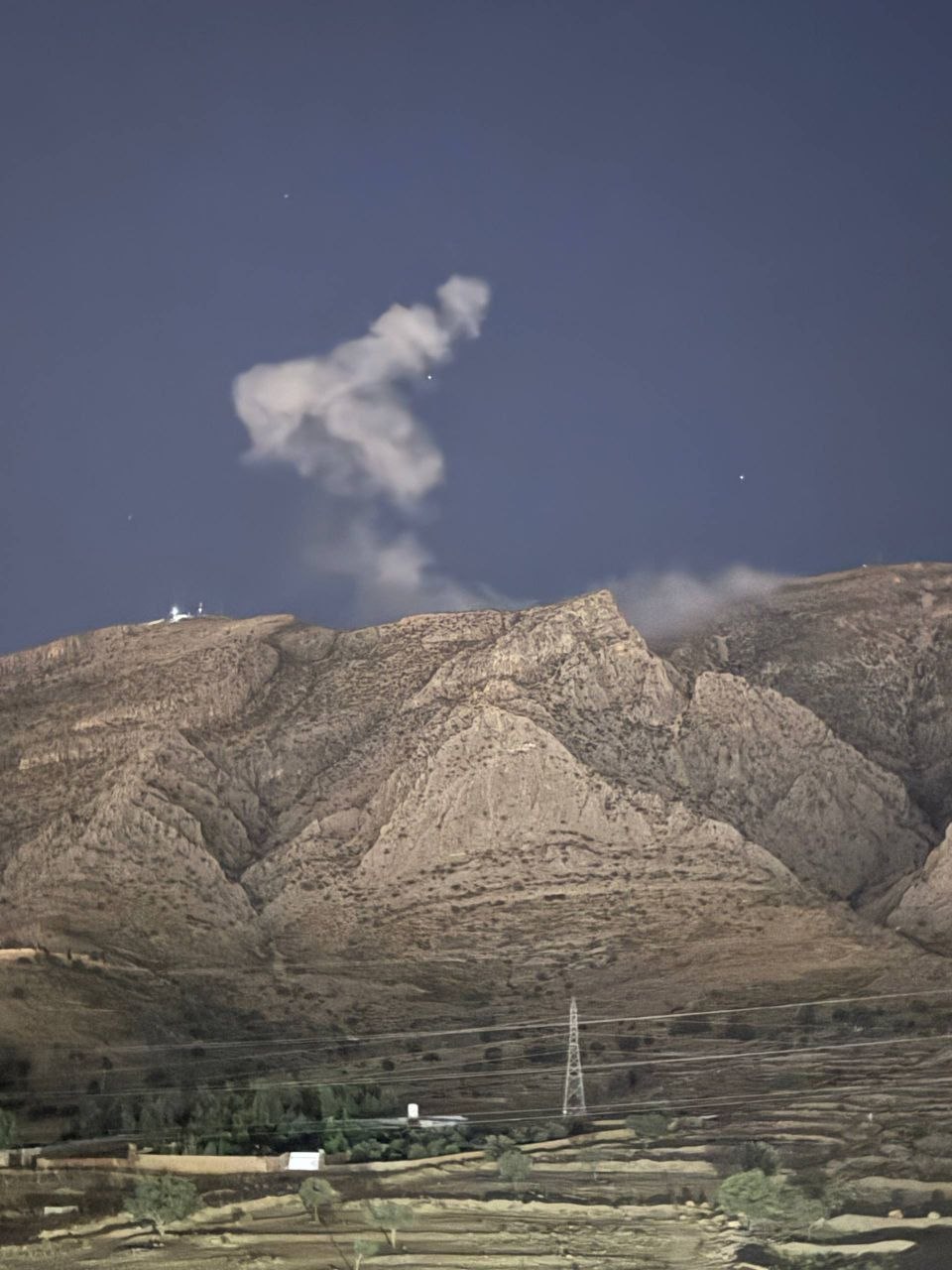
The United States conducted its tenth consecutive night of airstrikes against Iranian military facilities on July 21, 2026, marking a pronounced escalation in the Middle East conflict. The coordinated attacks targeted sites in Bandar Abbas, Qeshm Island, Chabahar, and Konarak, as confirmed by Al Jazeera live coverage. U.S. Central Command (CENTCOM) released video footage of the operation, emphasizing its objective to degrade Iran's capacity to threaten commercial shipping in the Strait of Hormuz.
"US Central Command released footage of its forces conducting the tenth consecutive night of strikes against Iran." – Al Jazeera, https://www.aljazeera.com/video/newsfeed/2026/7/21/aje-onl-nf_us-military-releases-footage-of-strikes-on-iran-200726?traffic_source=rss
Iranian Rocket and Drone Assaults on U.S. Installations
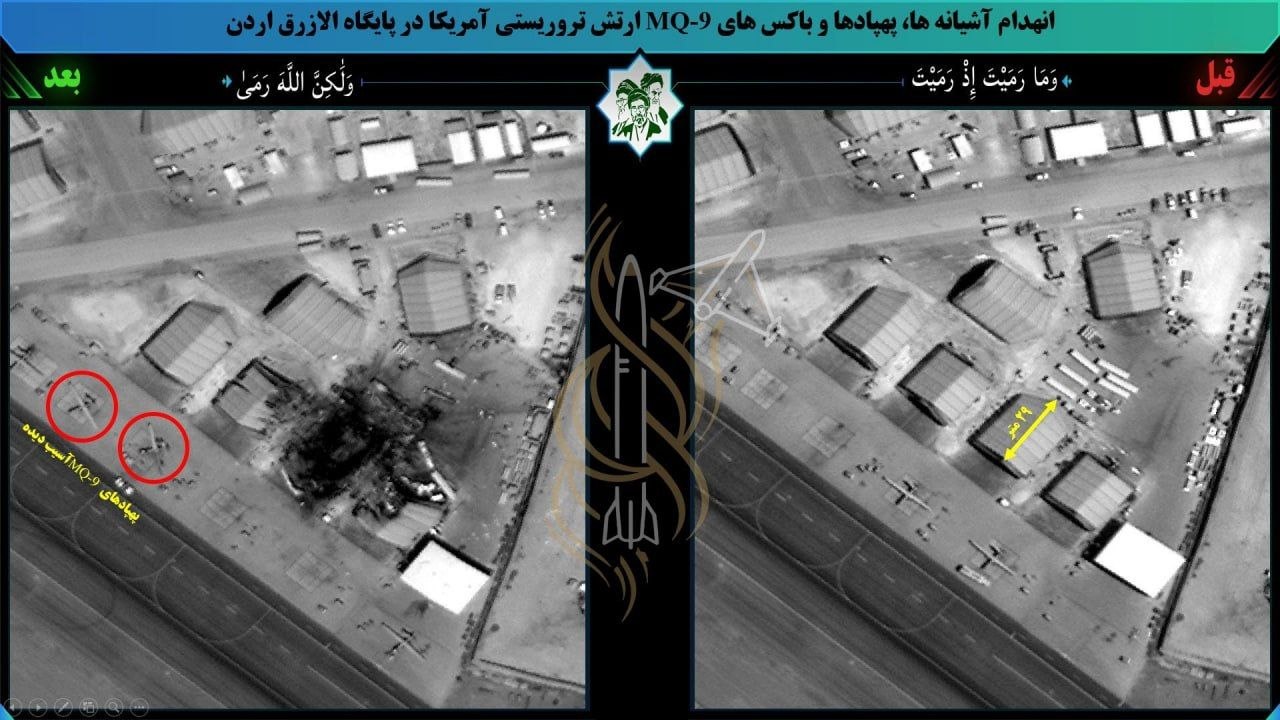
In parallel, Iran’s Islamic Revolutionary Guard Corps (IRGC) claimed responsibility for a series of missile and drone attacks on U.S. radar, communications, and drone facilities across the region. At 03:12 UTC, the IRGC reported striking a long‑range radar site, a communications centre, satellite reception systems, and a missile‑defence radar in Kuwait, as well as damaging an MQ‑9 Reaper drone hangar at Ali Al Salem Air Base. The same day, an Iranian attack on Jordan’s Mufawzak‑Salti Air Base damaged a U.S. Air Force MQ‑9 Reaper, with visible damage to the left wing and tail.
"Iran's IRGC says it struck and destroyed a U.S. long‑range radar site, a communications centre, satellite reception systems, and a missile defence radar in Kuwait using missiles and drones... also targeted an MQ‑9 drone hangar at Ali Al Salem Air Base." – GeoPWatch, https://t.me/GeoPWatch/37642
"At least one MQ‑9 Reaper drone belonging to the U.S. Air Force was damaged as a result of an attack by Iran on hangars used to store them at the Mufawzak‑Salti air base in Jordan." – intelslava, https://t.me/intelslava/91076
Relocation of Iran’s Nuclear Enrichment Infrastructure
Concurrently, intelligence reports disclosed a significant shift in Iran’s nuclear programme. Israeli officials informed U.S. authorities that Iran moved thousands of centrifuges to a high‑altitude site on Mount Machush. A separate report from OSINTdefender identified a deep underground facility dubbed “Pickaxe Mountain” near Natanz as the new repository for the same equipment. Both moves suggest a strategic effort by Tehran to shield critical enrichment assets from aerial targeting.
"Israel told the US that Iran moved thousands of centrifuges to a nuclear site on Mount Machush." – Wall Street Journal via idkunim_il, https://t.me/idkunim_il/61705
"Iran reportedly relocated thousands of enrichment centrifuges to a deep underground site called Pickaxe Mountain near Natanz, according to Israeli and U.S. officials." – OSINTdefender, https://t.me/OSINTdefender/19550
Additional U.S. Air Operations
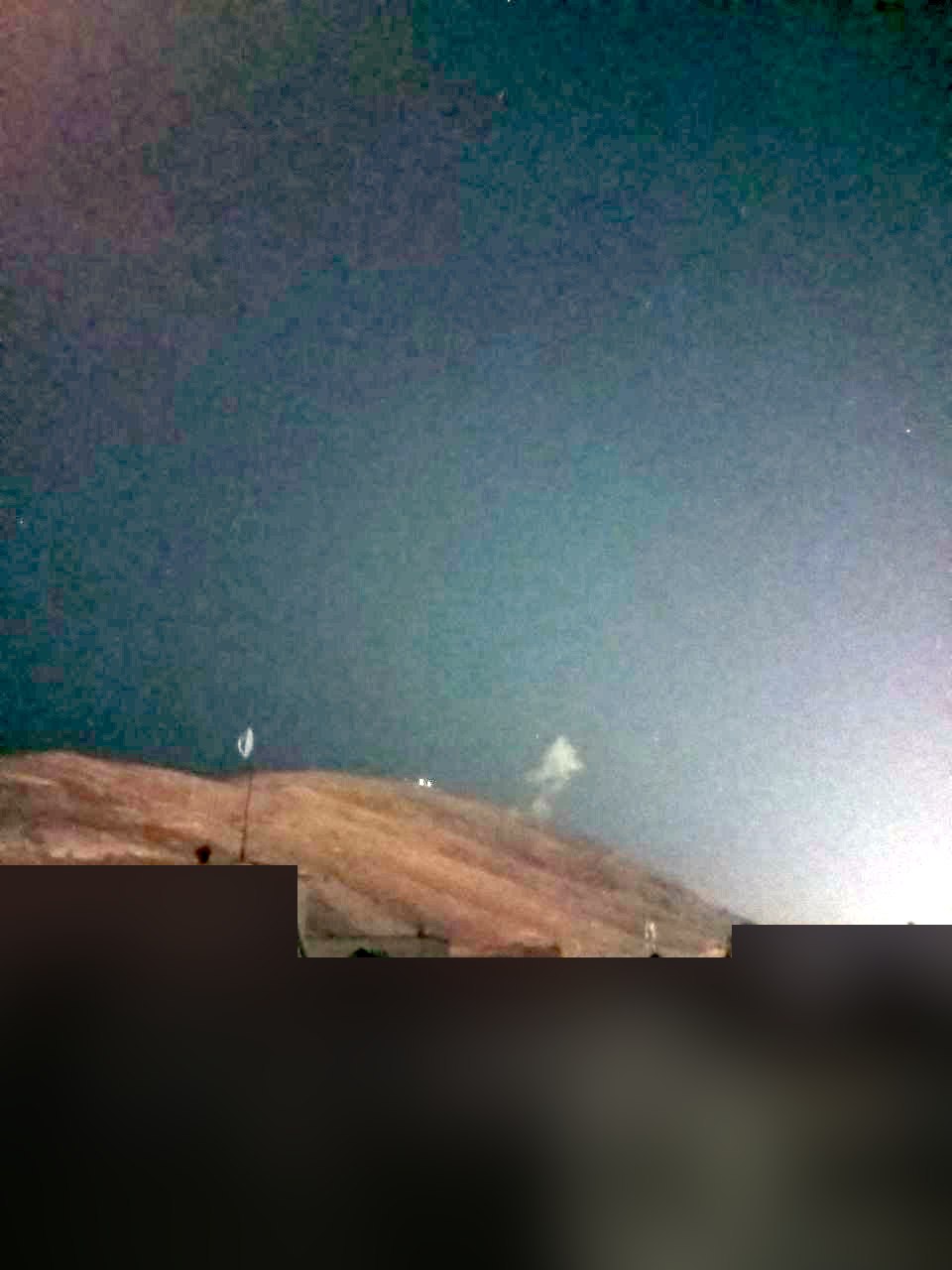
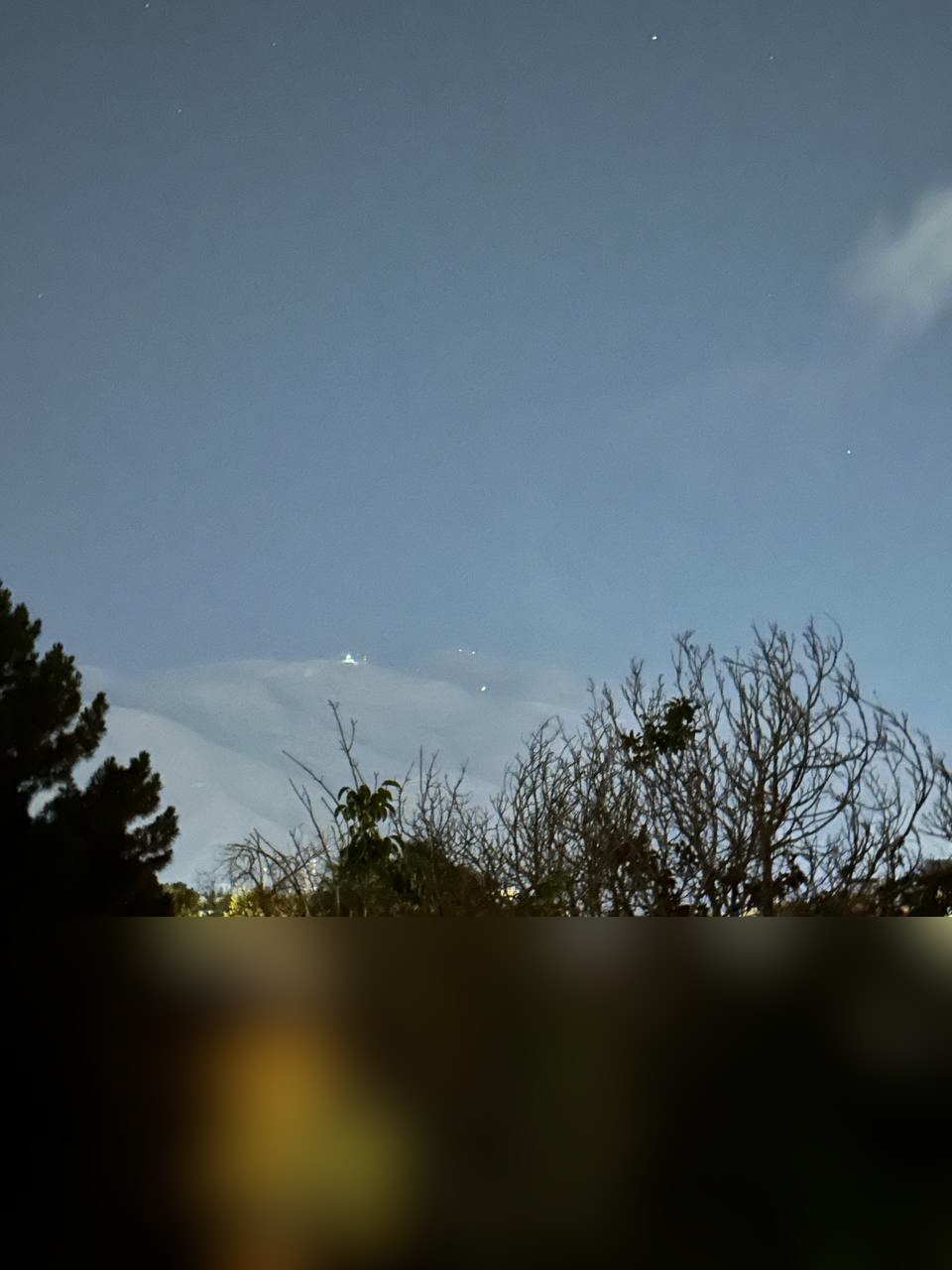
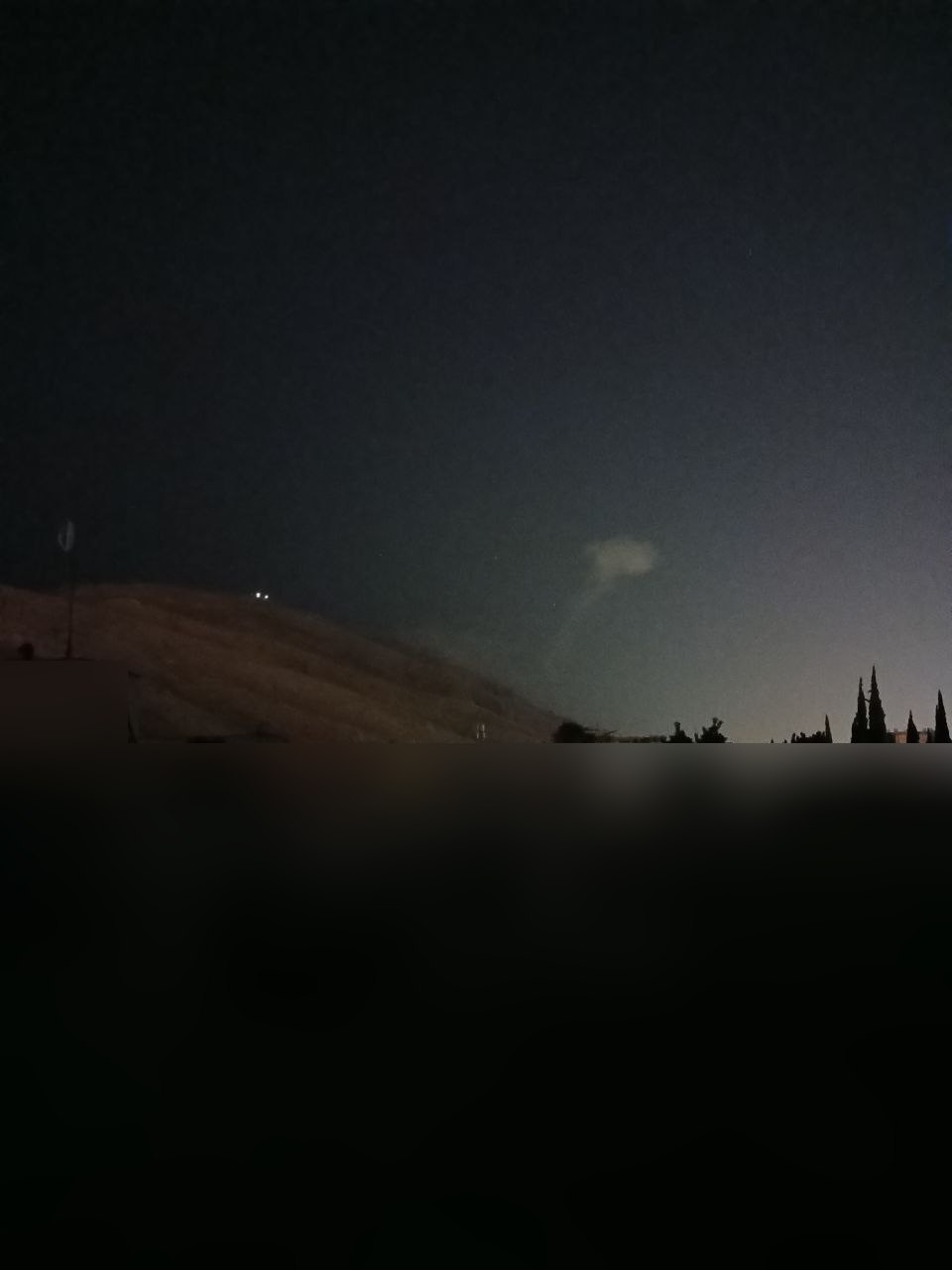
Beyond the primary night‑long campaign, CENTCOM confirmed earlier strikes on July 20, 2026, aimed at Iranian command centres, maritime capabilities, missile and drone launch sites, and air‑defence systems. The U.S. Air Force also hit IRGC facilities in the Darak mountain range near Shiraz, further expanding the pressure on Iran’s military infrastructure.
"U.S. Central Command completed another round of strikes against Iran at 9 p.m. ET, July 20, targeting command centres, maritime capabilities, missile and drone launch sites, and air‑defence systems." – rnintel, https://t.me/rnintel/64598
"The US Air Force struck IRGC military facilities in the Darak mountain range near Shiraz, Fars Province." – BellumActaNews, https://t.me/BellumActaNews/175645
To date, no casualty figures have been released for the July 21 operations, and both sides have refrained from providing independent verification of damage assessments. The United States has framed its sustained campaign as a defensive response to Iranian aggression against U.S. personnel and assets, while Iran continues to portray its actions as retaliation for perceived American incursions and support for regional adversaries.
Analysts note that the simultaneous escalation of kinetic strikes and clandestine nuclear manoeuvres raises the risk of miscalculation. The relocation of centrifuges to hardened underground sites could complicate future diplomatic negotiations on Iran’s nuclear programme, while the repeated targeting of U.S. bases in Kuwait and Jordan underscores Tehran’s willingness to project power beyond its borders.