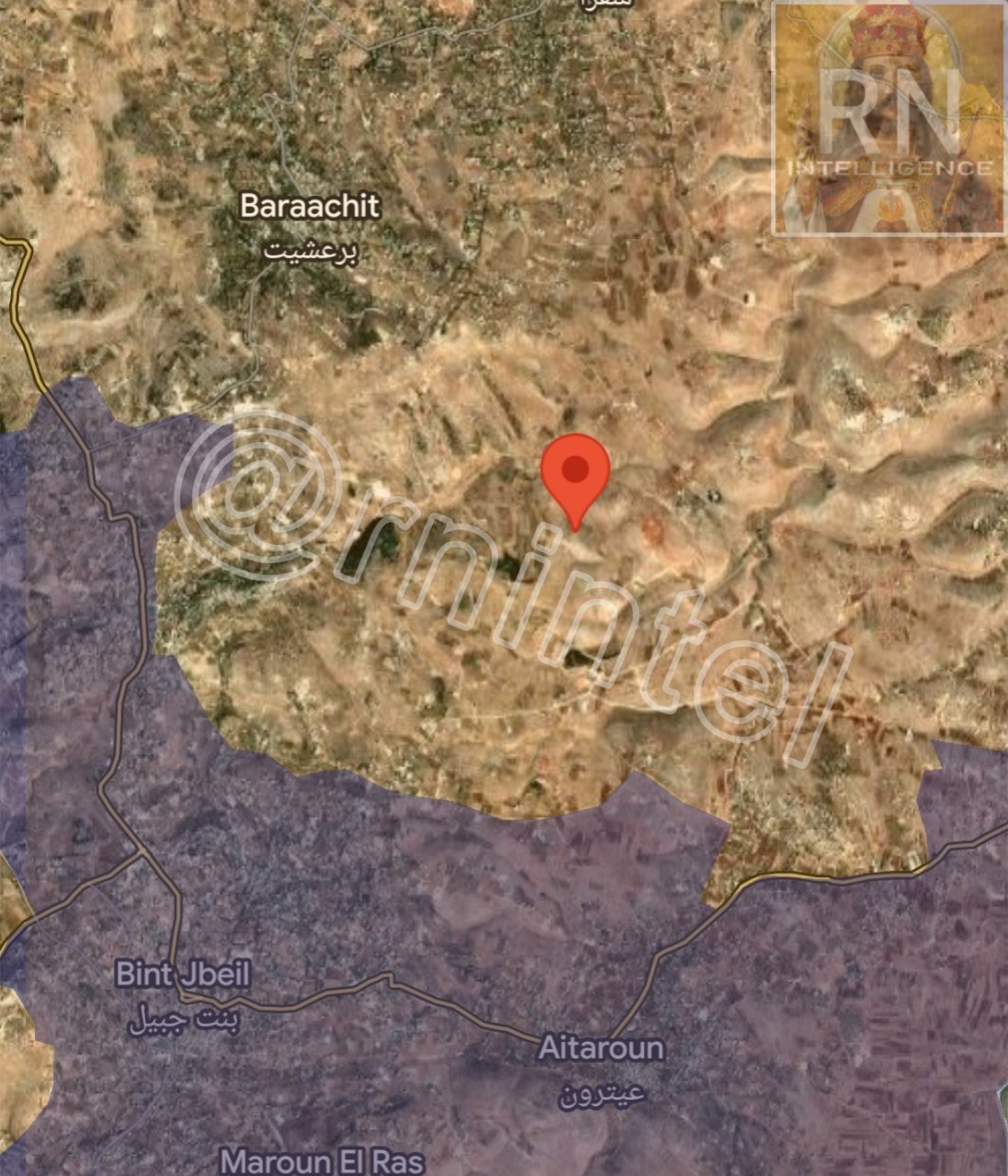
On 21 July 2026, Israeli Defense Forces (IDF) initiated a coordinated ground advance toward the summit of Bal'awil Hill, a strategic elevation near Baraachit in the Bint Jbeil District of southern Lebanon. The movement represents a direct breach of the Lebanon‑Israel framework agreement that has governed the security zone since 2021. According to the open‑source channel rnintel, IDF units began the advance at 17:01 local time, moving along the ridge at coordinates 33.1539000, 35.4665000. No weapons fire was reported during the initial phase, and there were no casualties on either side. The operation was documented with a single photograph released by rnintel (https://t.me/rnintel/64636). The advance underscores a shift from the long‑standing practice of limited artillery and aerial strikes to a more assertive ground posture, raising the risk of broader confrontation.
Violation of the Framework Agreement
The Lebanon‑Israel framework agreement restricts large‑scale ground incursions into Lebanese territory, limiting Israeli activity to defensive patrols and limited incursions in response to cross‑border attacks. By moving troops to the summit of Bal'awil Hill, the IDF has effectively occupied a high‑ground position that overlooks the town of Baraachit, a location previously under Lebanese civilian control. This development marks the most significant kinetic event recorded on the day and may prompt a diplomatic response from Beirut and the United Nations Interim Force in Lebanon (UNIFIL). The absence of immediate combat does not diminish the strategic implications; control of the hill would provide the IDF with enhanced observation and artillery targeting capabilities across the surrounding valleys.
Sharkiya Zone Breach and Warning Shots
Earlier in the day, at 16:02, IDF forces reported a breach of the security barrier in the Sharkiya area by a Lebanese army engineering unit. The unit crossed the demarcation line by approximately 150 metres, prompting IDF troops to fire warning shots into the air. The incident, reported by the Telegram channel idkunim_il (https://t.me/idkunim_il/61735), resulted in no injuries or damage to equipment. The Lebanese Army withdrew after the warning, and the IDF did not engage further. The use of warning shots, rather than lethal force, suggests a calibrated response aimed at de‑escalation while reaffirming the sanctity of the security zone.
"IDF forces operating in the security zone identified a Lebanese army unit with engineering equipment that crossed the security zone by about 150 meters and breached barriers in the minor zone A‑Sharkiya. The IDF forces there fired warning shots into the air only, not endangering the Lebanese troops," idkunim_il, 21 July 2026.
Fire Near Lebanese Armed Forces During Pilot Zone Pullout
At 13:26, the Lebanese Armed Forces (LAF) reported that IDF troops opened fire near LAF positions during a pilot‑zone pullout operation. The JPost article (https://www.jpost.com/israel-news/defense-news/article-903199) described the incident as involving small arms fire, though no casualties were reported on either side. The pilot zones are limited‑duration areas where Israeli forces have previously operated under UN supervision. The LAF’s claim of Israeli fire during a withdrawal raises questions about the coordination mechanisms governing these zones and the potential for miscommunication to trigger broader clashes.
Engagement in Zawtar al‑Charqiyeh
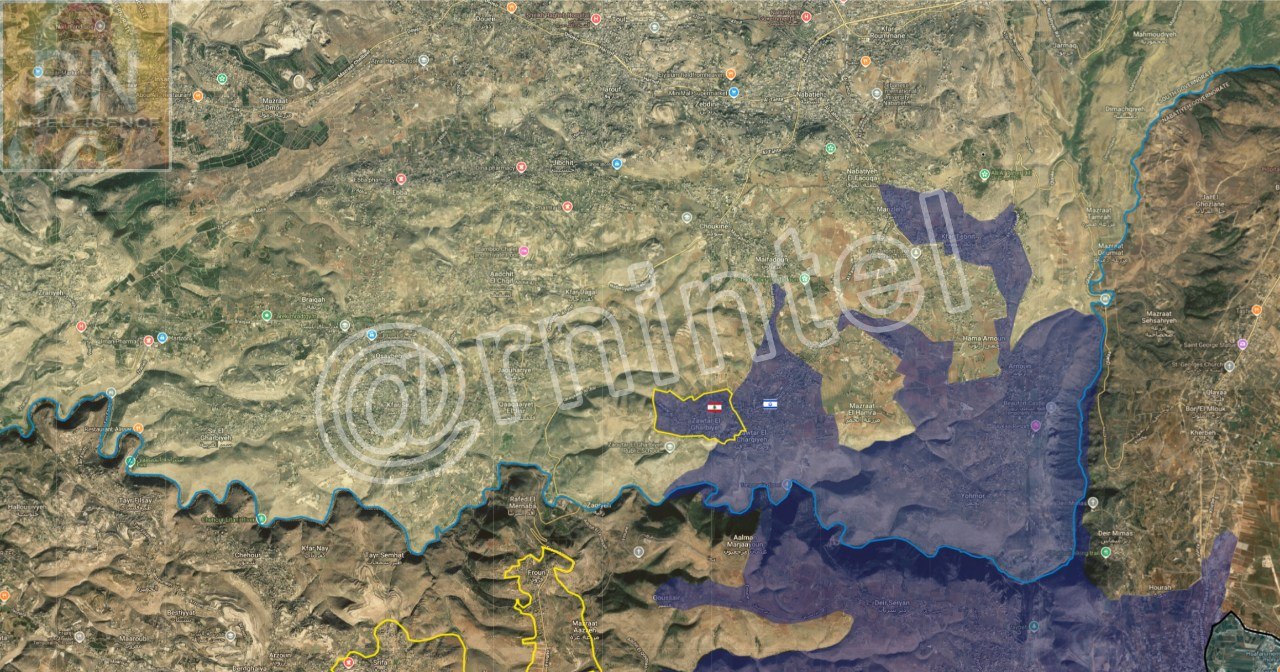
At 12:41, Israeli forces fired upon a Lebanese military unit deployed in Zawtar al‑Charqiyeh, a village in southern Lebanon. The Lebanese broadcaster LBCI reported the incident, noting that the Lebanese unit was stationed in the first experimental zone adjacent to Zawtar al‑Gharbiyeh. No injuries were reported, and the exchange was limited to a brief burst of fire. The rnintel channel provided a photo of the scene (https://t.me/rnintel/64617). While the weapons used were not specified, the incident demonstrates a pattern of Israeli forces engaging Lebanese units that operate in proximity to contested pilot zones.
Lebanese Army Deployment in Zawtar al‑Arabiya
In the early morning at 07:49, the Lebanese army began deploying troops in Zawtar al‑Arabiya, a pilot zone that had previously hosted an IDF presence. The deployment was documented by rnintel with a video (https://t.me/rnintel/64605). This move represents a strategic effort by Beirut to reassert sovereignty over areas that have been under Israeli control since the 2023 escalation. The absence of reported clashes during the deployment suggests a temporary de‑escalation, but the presence of Lebanese forces in a former IDF zone may set the stage for future confrontations if Israeli units attempt to re‑enter.
Collectively, the events of 21 July illustrate a marked increase in ground‑level interactions between Israeli and Lebanese forces. While casualty figures remain low, the frequency of incursions, warning shots, and limited exchanges of fire indicates a heightened operational tempo that could strain the existing cease‑fire mechanisms. Monitoring agencies such as UNIFIL and the United Nations Truce Supervision Organization (UNTSO) will likely intensify observation efforts to prevent inadvertent escalation.