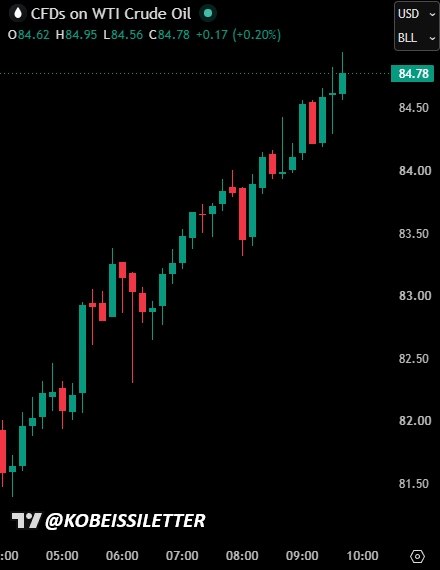
Iran’s announced missile and air strikes on July 21, 2026 represent the most extensive kinetic actions reported in the region this week, according to multiple open‑source channels. At 14:37 UTC, the Telegram channel CIG_telegram posted that Iran had hit an Amazon data centre in Bahrain and water desalination plants in Kuwait. The claim was accompanied by a photograph of a blast site and a statement that the attacks were a direct response to recent U.S. strikes. The same post noted that U.S. crude oil futures rose to $85 per barrel following the announcement.
"Iran says it has struck an Amazon datacenter in Bahrain and water desalination plants in Kuwait in response to U.S. strikes. Oil prices jump to $85/barrel," CIG_telegram, 2026‑07‑21T14:37:08, https://t.me/CIG_telegram/80423
Airstrikes on Kuwaiti Energy and Water Infrastructure
Earlier that day, at 11:05 UTC, the channel monitor_the_situation released a video showing the aftermath of Iranian airstrikes on multiple energy and water facilities across Kuwait. The footage displayed smoke plumes and damaged pipelines, confirming widespread disruption. No casualty figures were provided, but the strikes reportedly halted water production at several desalination plants, compounding the impact of the earlier missile claim.
"Iran Bombs Kuwait's Energy and Water Infrastructure," monitor_the_situation, 2026‑07‑21T11:05:56, https://t.me/monitor_the_situation/25623
Missile Launches Toward U.S. and Allied Targets
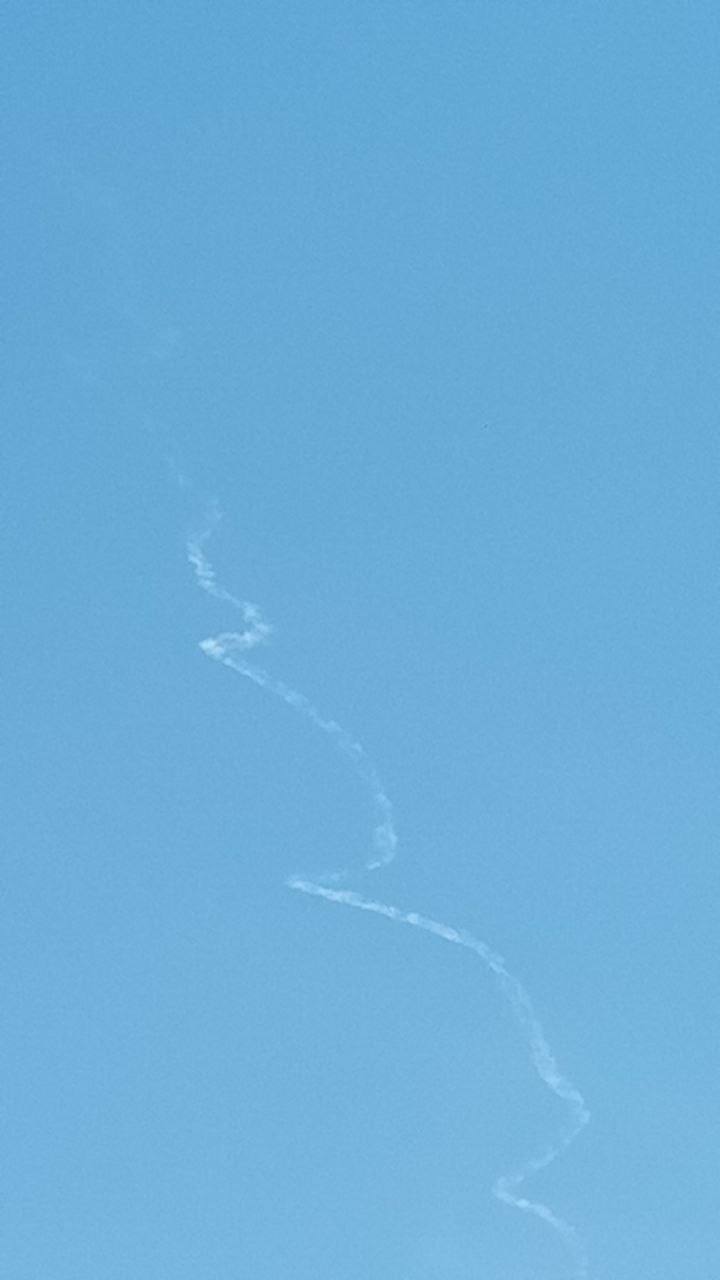
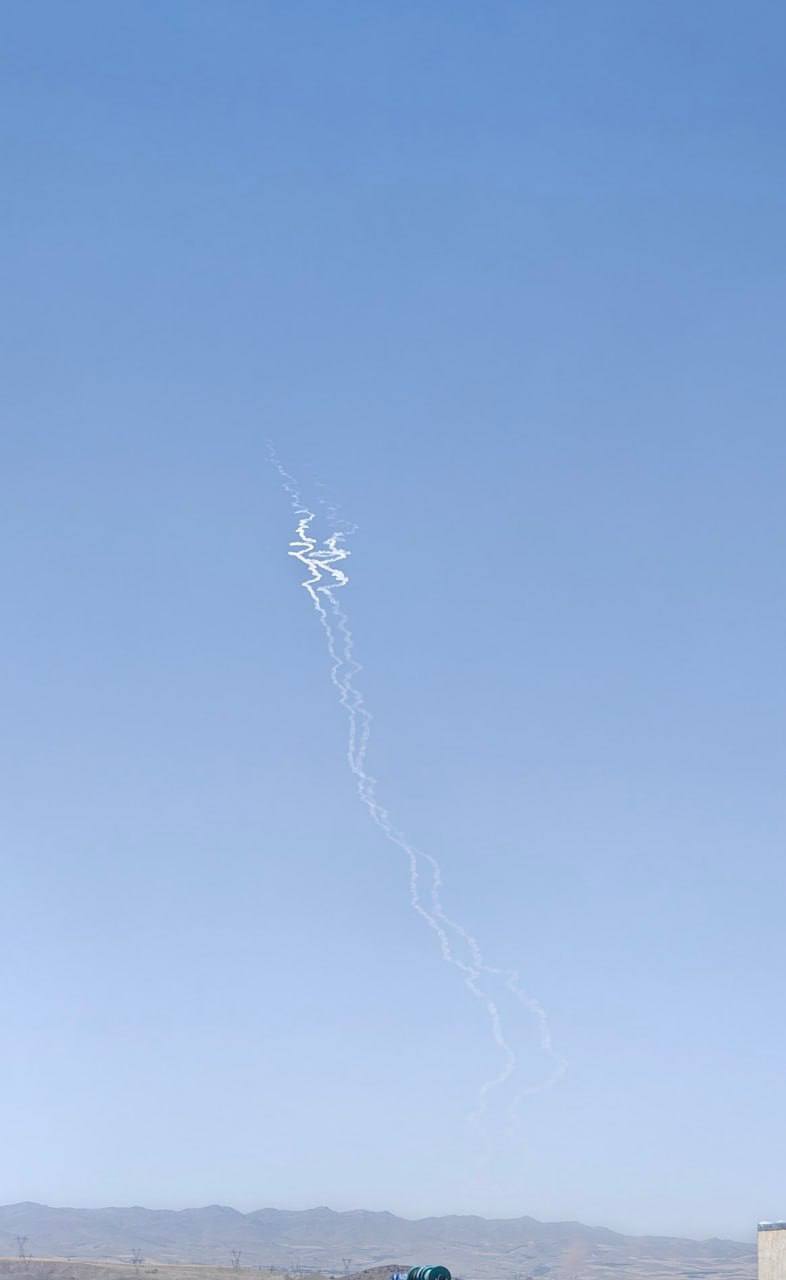
At 09:34 UTC, the idkunim_il channel reported that Iran launched missiles toward American installations in Jordan, Qatar and Bahrain. The post did not include visual evidence but cited radar tracking data indicating multiple missile trajectories. A separate Telegram post from intelslava at 08:30 UTC described the launch of ballistic missiles from Iran aimed at U.S. bases, accompanied by two photographs of missile launch pads.
"Iran is launching missiles towards American targets in Jordan, Qatar, and Bahrain," idkunim_il, 2026‑07‑21T09:34:00, https://t.me/idkunim_il/61719
"Ballistic missile launches reported from Iran toward US bases," intelslava, 2026‑07‑21T08:30:55, https://t.me/intelslava/91083
IRGC Claims on Amazon and Military Assets
The Islamic Revolutionary Guard Corps (IRGC) issued two statements on the same day. At 06:21 UTC, the JPost reported that the IRGC claimed to have destroyed Amazon infrastructure in Bahrain with cruise missiles and to have eliminated a missile‑defense radar and an F‑15 aircraft at a U.S. military site in Jordan. Earlier, at 06:17 UTC, GeoPWatch relayed an IRGC claim that a cruise‑missile strike had completely destroyed the central data infrastructure of an Amazon data centre in Bahrain as part of the second wave of Operation Nasr 2.
"Iran's IRGC says it destroyed Amazon's central data infrastructure in Bahrain with cruise missiles," GeoPWatch, 2026‑07‑21T06:17:28, https://t.me/GeoPWatch/37643
"IRGC claims to have struck Amazon infrastructure in Bahrain and destroyed a missile‑defense radar and an F‑15 in Jordan," JPost, 2026‑07‑21T06:21:11, https://www.jpost.com/middle-east/iran-news/article-903144
Other Kinetic Events on July 21
In addition to the Iran‑focused actions, a separate airstrike was documented in Kidal, Mali, at 12:23 UTC by GeoPWatch. The video showed damaged structures but did not specify the responsible party or casualties. The same channel also posted a rocket‑related claim at 06:21 UTC that the IRGC had used cruise missiles against Amazon facilities, reinforcing the pattern of targeting commercial and military assets.
"Aftermath of recent airstrikes on Kidal," GeoPWatch, 2026‑07‑21T12:23:33, https://t.me/GeoPWatch/37662
Implications for Energy Markets and Regional Security
The aggregation of these reports indicates a coordinated Iranian campaign against both civilian infrastructure and U.S. military assets. The immediate market reaction—crude oil prices climbing to $85 per barrel—demonstrates the sensitivity of global energy markets to perceived supply disruptions in the Gulf. While casualty numbers remain unreported, the targeting of water desalination plants threatens civilian water supplies in Kuwait, a critical component of the nation’s domestic consumption and export capacity.
All cited information originates from open‑source Telegram channels and reputable news outlets. No independent verification of the physical damage has been released as of the time of writing. Analysts should monitor subsequent statements from the U.S. Department of Defense, the Kuwaiti Ministry of Energy, and Amazon’s corporate communications for confirmation of the reported impacts.