On 20 July 2026 a United States service member was killed in northern Iraq while a controlled detonation of a downed Iranian unmanned aerial vehicle (UAV) exploded. The incident, reported by Al Jazeera, marks the first confirmed US combat fatality linked to Iranian drone activity in the region and coincided with a wave of kinetic operations targeting Iranian territory.
"A US soldier was killed during detonation of Iranian drone in Iraq," Al Jazeera reported (https://www.aljazeera.com/video/newsfeed/2026/7/20/aje-onl-nf_us-soldier-killed-detonation-of-iranian-drone-iraq-190726?traffic_source=rss).
US Soldier Fatality in Iraq
The soldier was part of a joint US‑Iraqi team tasked with safely neutralising the Iranian UAV that had entered Iraqi airspace earlier that morning. The controlled explosion, intended to prevent the drone’s technology from falling into hostile hands, inadvertently triggered a secondary blast that caused the fatality. The event underscores the heightened risk of direct confrontation between US forces and Iranian proxy assets operating near the Iraqi border.
Escalating Airstrikes in Iran
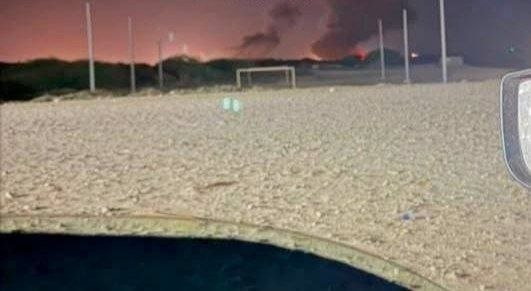
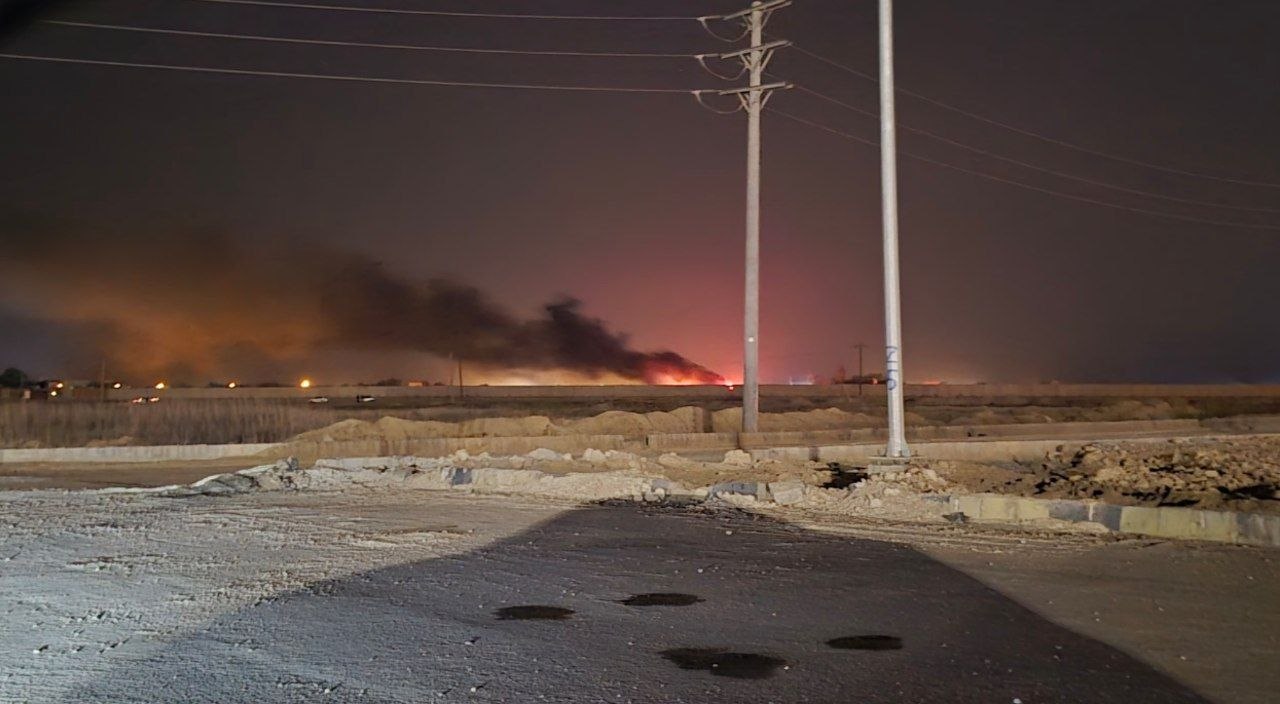
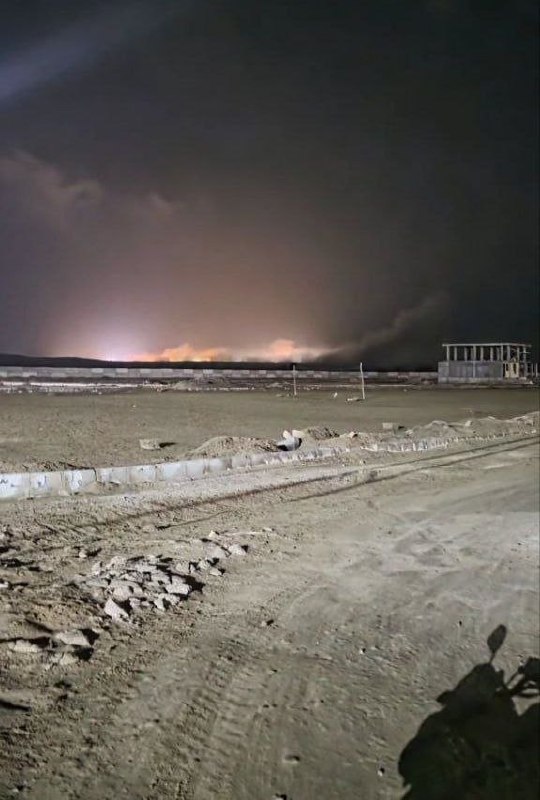
Within hours of the Iraq incident, the United States launched its ninth consecutive night of airstrikes against Iranian targets. Al Jazeera confirmed strikes in the northern city of Tabriz (East Azerbaijan Province) and the southern port of Chabahar (Sistan and Baluchestan Province). Additional bombings were reported in Sirik (Hormozgan Province) by the US Air Force, as documented by BellumActaNews and rnintel. The strikes employed conventional bombs and targeted what US officials described as “logistical hubs” and “military infrastructure” linked to the Islamic Revolutionary Guard Corps (IRGC).
Photographic evidence released by Iranian media showed extensive damage in Sirik and Sarbandar (Khuzestan Province), while video footage from US‑aligned sources displayed the aftermath of the Tabriz and Chabahar attacks. The intensity of the campaign suggests a strategic effort to degrade Iran’s ability to project power in the Persian Gulf and to deter further UAV incursions.
Missile and Rocket Activity
Simultaneous to the air campaign, multiple missile and rocket launches were recorded across Iran. At 01:53 UTC, the IRGC claimed a ballistic missile strike on King Hussein International Airport in Aqaba, Jordan, alleging attempts to damage US C‑17 transport aircraft and P‑8 maritime patrol planes. The claim, posted by GeoPWatch, reflects Tehran’s willingness to extend kinetic actions beyond its borders.
In the early morning hours, rockets and missiles were reported in several Iranian provinces. Kuwaiti‑origin missiles struck Dasht‑e Azedagan (Khuzestan Province) and Bandar Imam Khomeini, while Iran’s own news agency announced a new wave of missiles launched from Lorestan Province toward unspecified enemy targets. Explosions were also documented in Takab (West Azerbaijan Province), Khormuj (Bushehr Province), and Bandar‑e‑Jask (Hormozgan Province), indicating a pattern of both retaliatory and pre‑emptive strikes.
Naval Engagements in the Strait of Hormuz
At 01:19 UTC, the IRGC announced the attack on two oil tankers transiting the Strait of Hormuz, a critical chokepoint for global oil shipments. The claim, sourced from monitor_the_situation, warned of further punitive actions against US‑flagged vessels. While independent verification of the tanker damage remains pending, the statement aligns with a broader Iranian strategy to leverage maritime threats as leverage in ongoing US‑Iran tensions.
Later, at 05:19 UTC, a separate incident involving Yemeni National Resistance Navy forces repelling Houthi boats near Zuqar Island was reported, illustrating the multi‑theater nature of kinetic activity in the broader Red Sea and Gulf region.
Regional Implications
The confluence of a US fatality, intensive airstrikes, missile launches, and naval threats on a single day marks a significant escalation in kinetic hostilities between the United States and Iran. The events demonstrate a reciprocal pattern: Iranian UAV deployments prompting US detonations and strikes, while Iran responds with missile attacks on regional infrastructure and claims of maritime interdiction.
Analysts note that the concentration of strikes across Iran’s northern, southern, and western provinces indicates a coordinated effort to pressure multiple strategic axes simultaneously. The use of conventional bombs, ballistic missiles, and cruise‑type rockets reflects a diversified arsenal on both sides, raising the risk of miscalculation.
While no civilian casualty figures have been released for the Iranian side, the repeated explosions in populated ports such as Chabahar, Sirik, and Bandar‑e‑Emam Khomeini suggest potential civilian impact. The US‑Iran confrontation remains confined to kinetic exchanges, with no public statements indicating a shift toward diplomatic de‑escalation.