On 20 July 2026 Iran experienced a surge of kinetic activity spanning air, land, and sea domains. The most consequential development was a United States airstrike in Shiraz, confirmed by local authorities, followed by a series of Iranian ballistic missile launches, a naval confrontation in the Strait of Hormuz, and several U.S. strikes on Iranian infrastructure. The breadth of these incidents underscores a rapid escalation in hostilities that could affect both regional security and international shipping lanes.
Confirmed U.S. Airstrike in Shiraz
Location: Shiraz, Fars Province, Iran
Time: 16:04:11 local time
Source: intelslava (Telegram channel)
Casualties: None reported
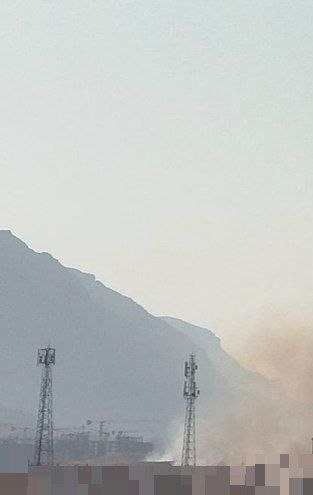
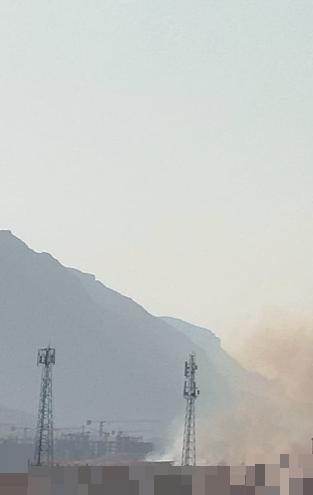
🇺🇸❌🇮🇷 **— CONFIRMED:** Shiraz's deputy security governor confirmed a US airstrike on the city, stating no casualties were reported.
The deputy security governor’s statement, relayed by the intelslava channel, is the only official acknowledgment of the strike. No weapons or specific targets were disclosed, and the absence of casualties suggests a precision operation, possibly aimed at a high‑value, low‑visibility asset. The strike aligns with a pattern of U.S. actions targeting Iranian facilities deemed to support hostile activities, as observed earlier in the day at the Shiraz Electronics Industries building.
Iranian Ballistic Missile Launches
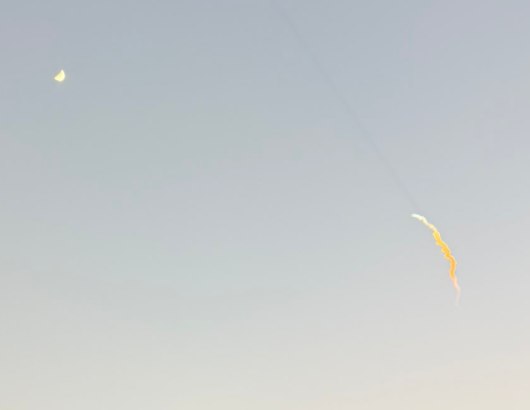
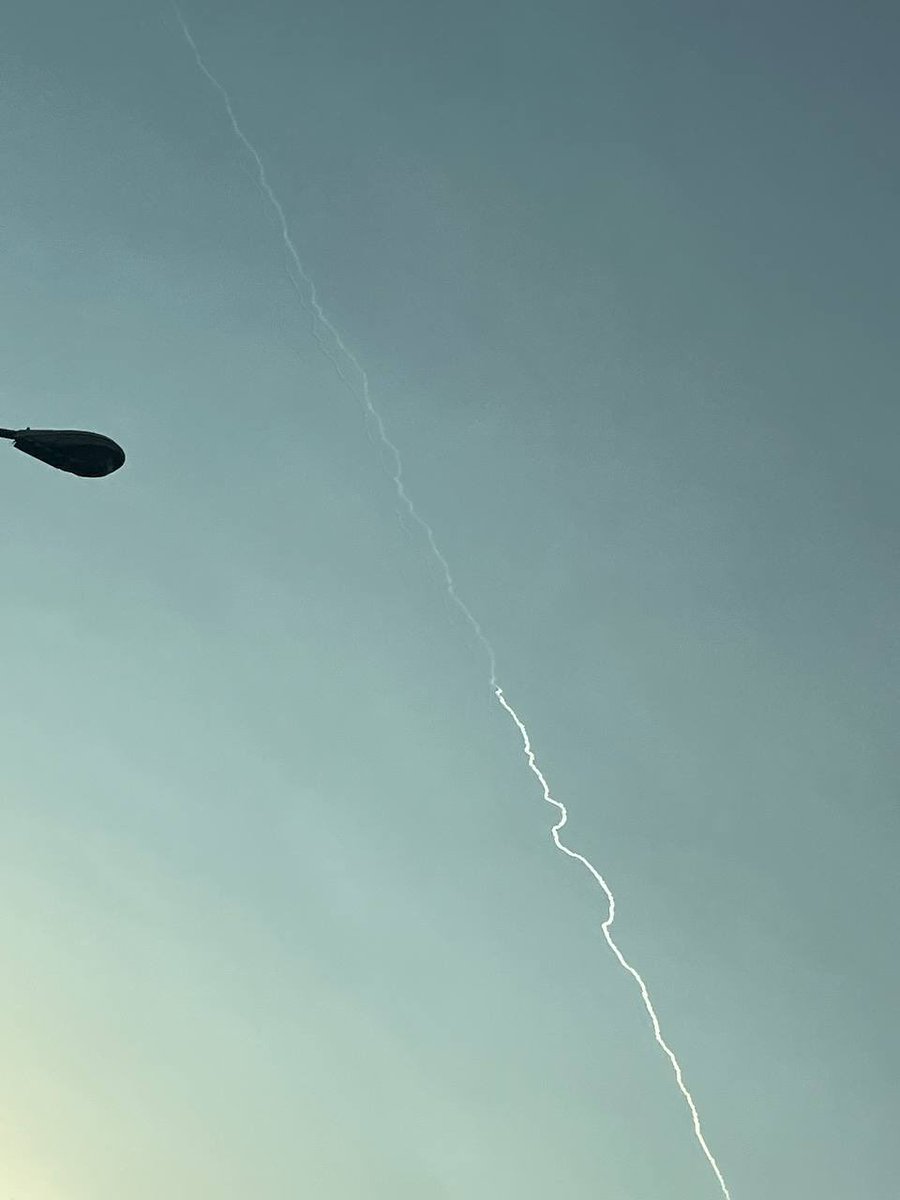
Iran conducted multiple ballistic missile launches from several locations within its territory, reflecting a coordinated display of missile capability.
Lar, Fars Province – 15:37:53 – Source: monitor_the_situation. The launch was reported without casualty figures and accompanied by a single photographic item.
Shiraz, Fars Province – 15:05:05 – Source: monitor_the_situation. This launch was described as “a new missile launch amid ongoing regional tensions.”
Omidiyeh, Khuzestan Province – 13:49:42 – Source: intelslava. The launch was confirmed via a brief textual report.
All three events involved ballistic missiles, though the specific type and range were not disclosed. The timing of the launches—within a two‑hour window—suggests a synchronized signaling effort, possibly intended to demonstrate deterrence or to test readiness amid the broader U.S. strike campaign.
Naval Incident in the Strait of Hormuz
Location: Strait of Hormuz, between Oman and Iran
Time: 14:14:43
Source: intelslava
Target: Greek cargo ship (name not disclosed)
A Greek-registered cargo vessel caught fire after being struck by an unidentified projectile. Reuters, cited by intelslava, reported the incident but did not attribute responsibility. The incident raises concerns for commercial navigation through the strategic chokepoint, already vulnerable to geopolitical friction.
Additional U.S. Strikes on Iranian Infrastructure
Shiraz Electronics Industries building – 13:59:22 – Source: rnintel. A U.S. strike hit the facility, with no casualty data released.
Bushehr – 06:27:50 – Source: GeoPWatch. Early‑morning reports indicated U.S. strikes in the southern port city, though details remain sparse.
Khomein, Markazi Province – 16:11:08 – Source: monitor_the_situation. A factory was struck during the broader U.S. air campaign; again, no casualties were reported.
These strikes collectively illustrate a multi‑theater U.S. approach, targeting both industrial and possibly dual‑use facilities across Iran’s interior and coastal zones.
Missile Launch from Tabriz
Location: Tabriz, northwestern Iran
Time: 17:57:48 – Source: GeoPWatch – classified as a medium‑severity event.
The launch was described as a “missile” without further specification. While the source lists the United States as a related party, the exact nature of the missile (e.g., surface‑to‑air, short‑range ballistic) was not provided.
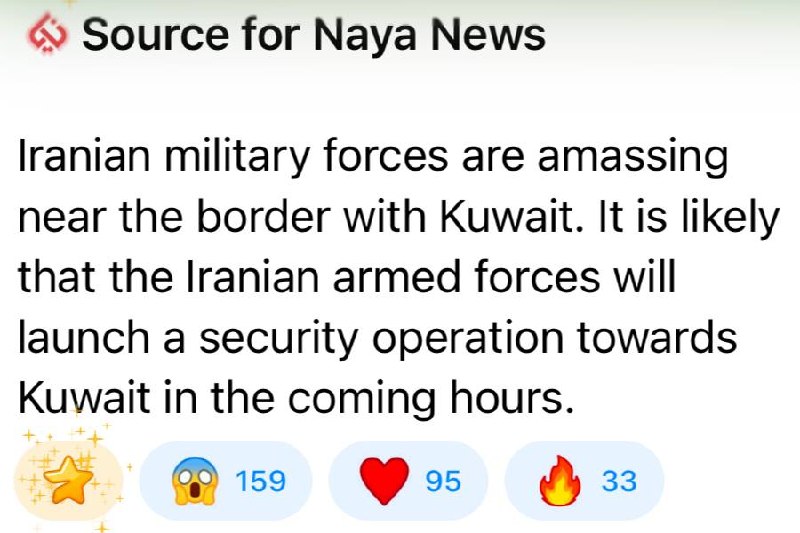
Precautionary Border Movements
Location: Iranian border (unspecified sector) – 16:52:24 – Source: CIG_telegram.
Iranian forces were observed gathering at the border, described as a precautionary measure rather than preparation for an offensive operation. Photographic evidence was shared, indicating a visible but non‑aggressive posture.
U.S. Action at Chabahar Port
Location: Chabahar, Sistan and Baluchestan Province – 16:46:54 – Source: monitor_the_situation.
U.S. forces destroyed an IRGC surveillance tower used to monitor commercial vessels at the Shahid Kalantari Port. The operation targeted the Islamic Revolutionary Guard Corps (IRGC) infrastructure, aiming to degrade Iran’s maritime situational awareness capabilities.
Explosions and Interceptions Within Iran
Mid‑day reports from GeoPWatch documented explosions in Shiraz (13:54:39), though no further details on damage or casualties were released.
Two separate interceptions were recorded on 19 July and reported on 20 July:
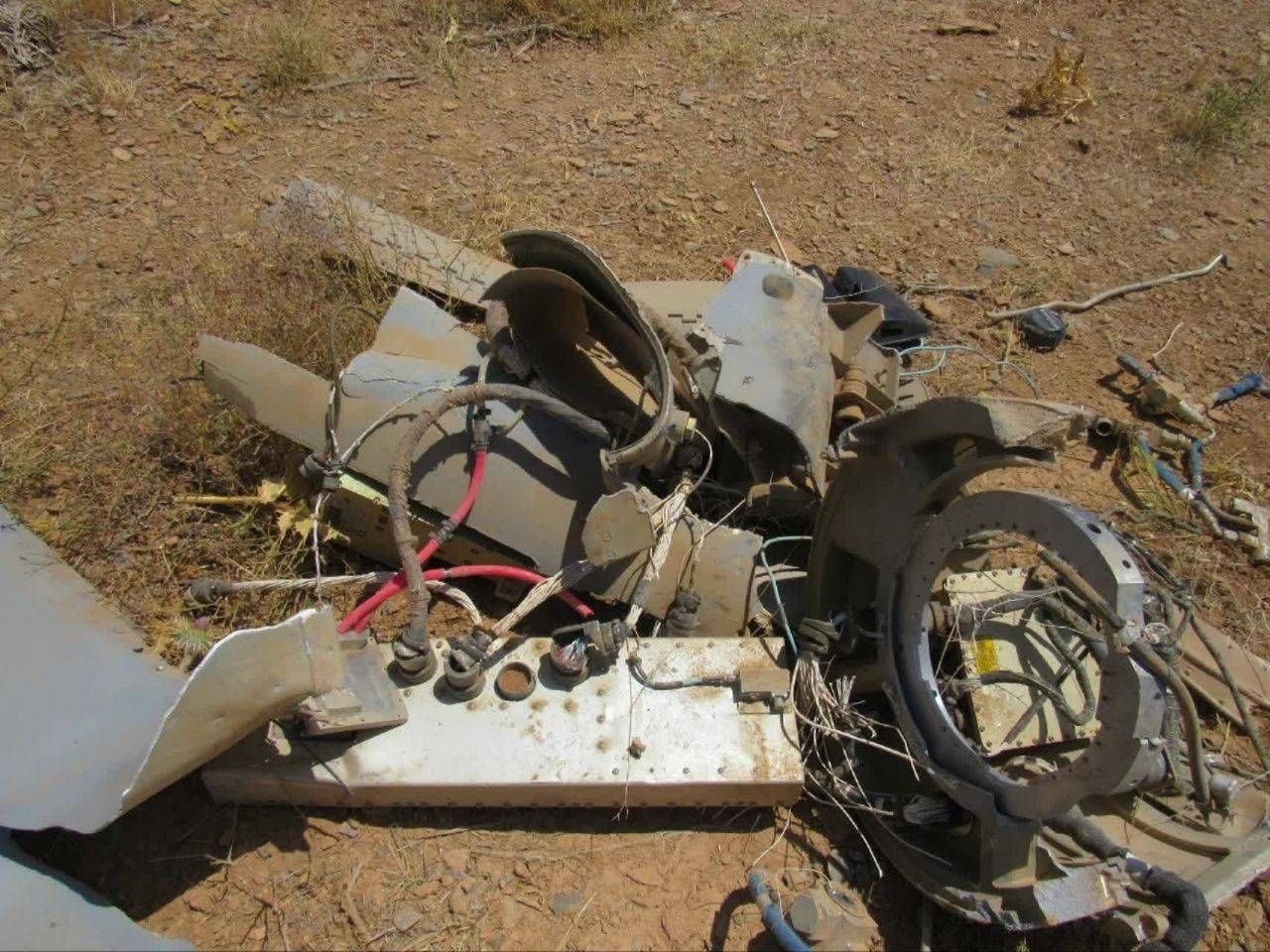
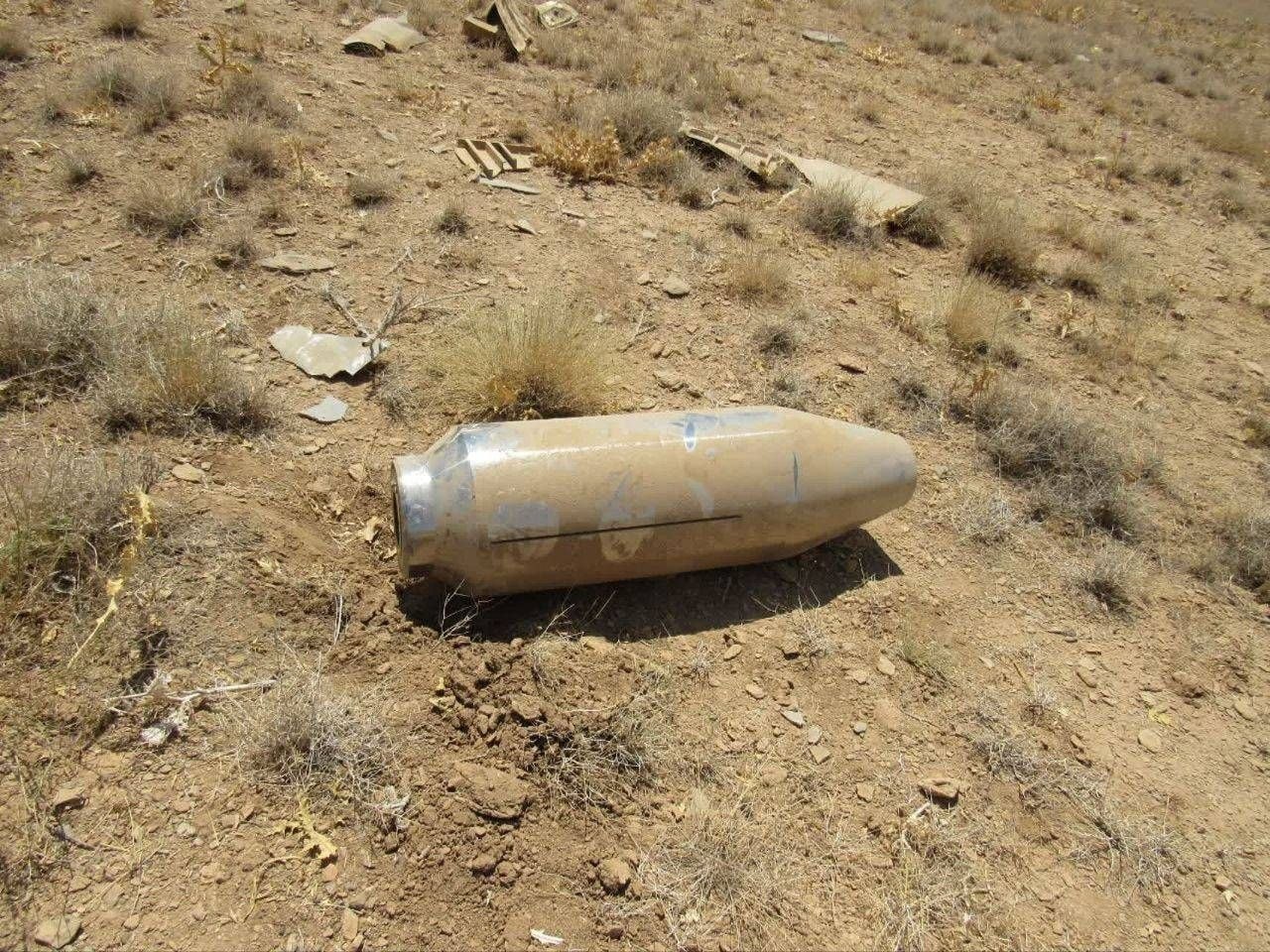
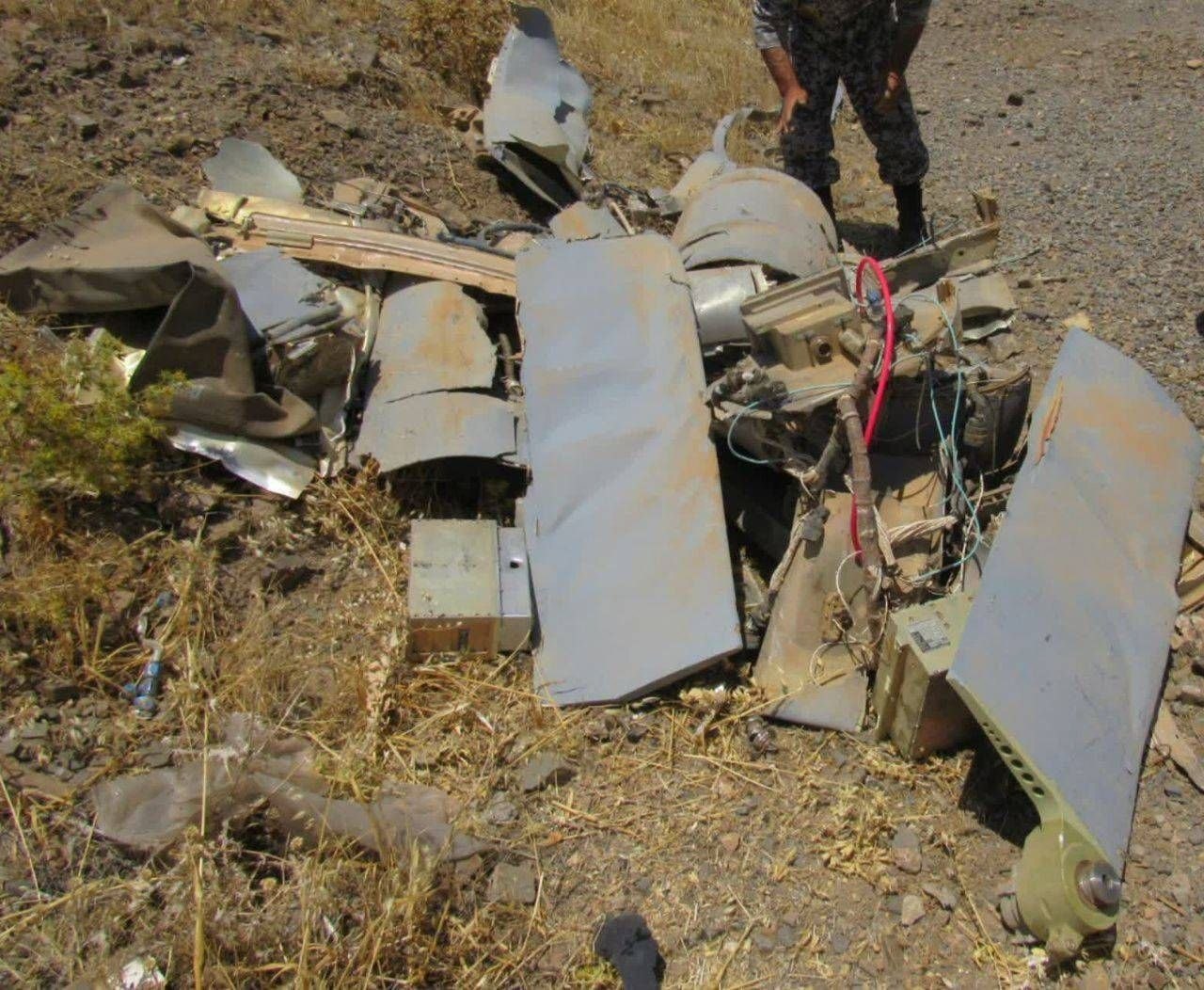
- Iranian Army claimed to have shot down an American BGM‑109 Gryphon cruise missile over western Iran (09:37:08, CIG_telegram). Photographs of wreckage were posted.
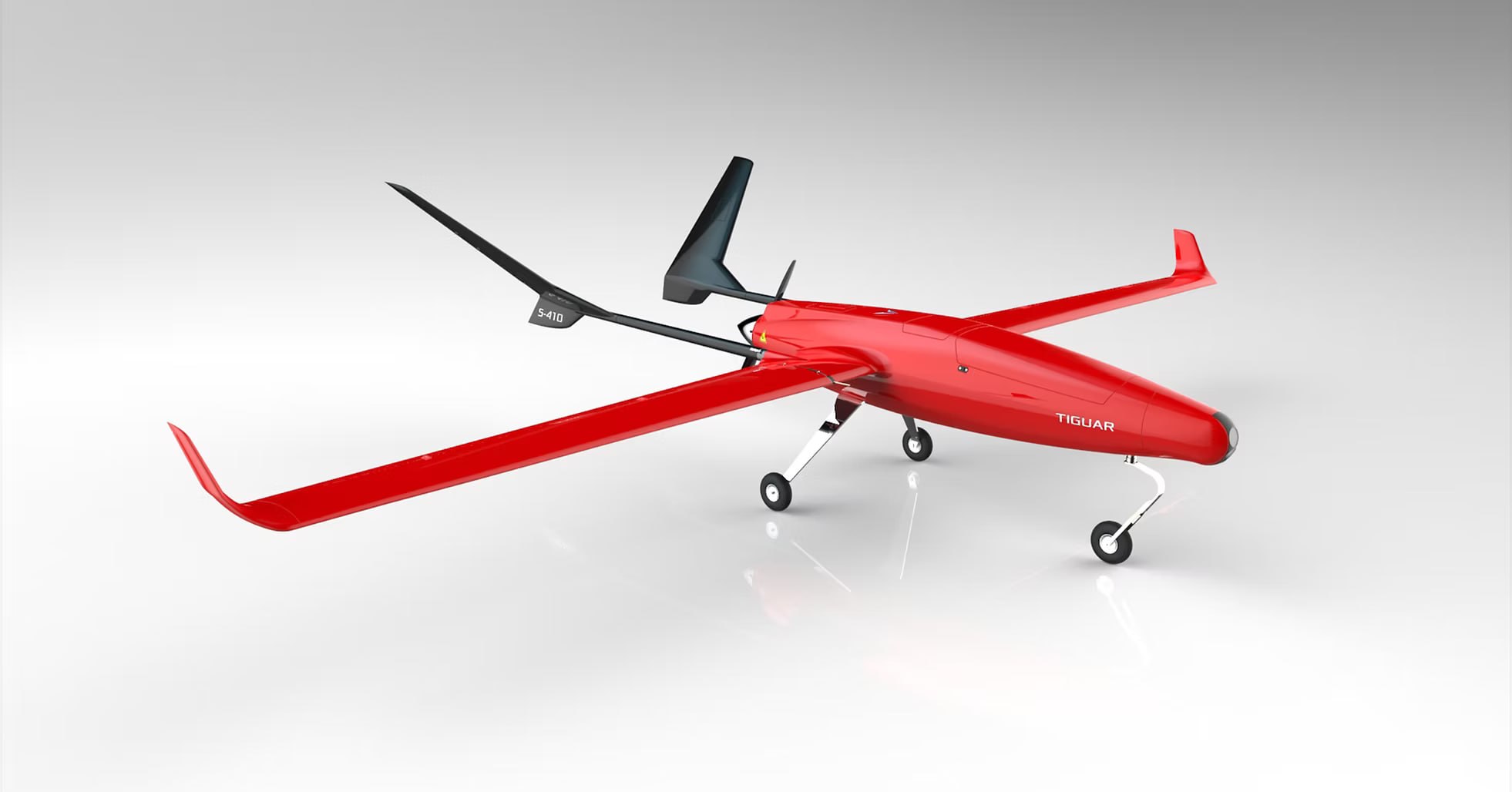
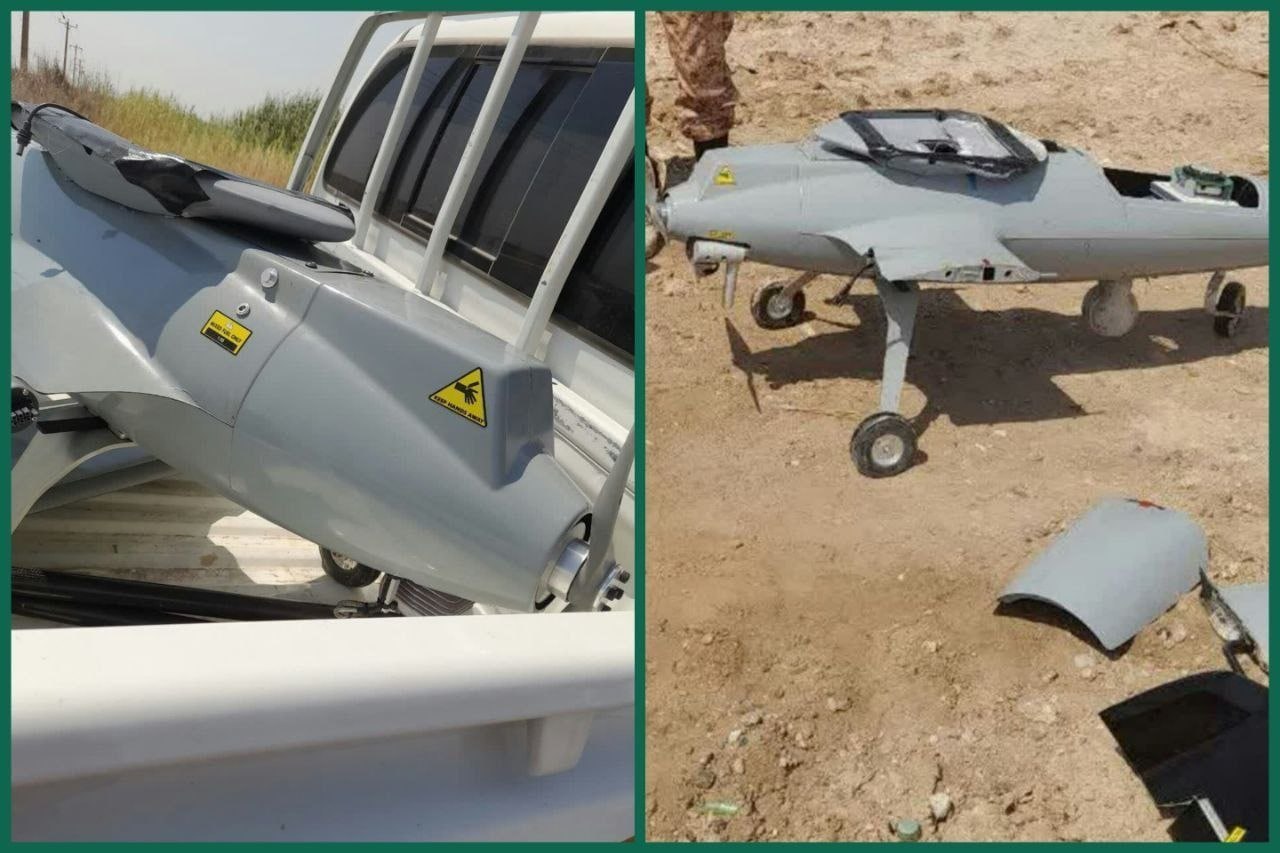
- IRGC’s 48th brigade reported downing a Polish‑made Tiguar C UAV over Iranshahr County (09:28:36, CIG_telegram). The UAV, manufactured by uAvionics, was identified as a surveillance platform.
Both interceptions demonstrate Iran’s active air‑defense posture and its capacity to engage foreign aerial assets over its territory.
Assessment
The concentration of kinetic events on 20 July 2026 reflects a pronounced escalation in the Iran‑U.S. confrontation. The confirmed U.S. airstrike in Shiraz, coupled with simultaneous Iranian missile launches, suggests a tit‑for‑tat dynamic that could broaden into further engagements. Naval security in the Strait of Hormuz remains precarious, with commercial vessels exposed to projectile attacks. Meanwhile, Iran’s defensive successes against U.S. cruise missiles and foreign UAVs indicate a functional, if strained, air‑defense network.
Continued monitoring of missile launch patterns, naval incidents, and cross‑border force movements will be essential for anticipating potential spill‑over effects on regional trade routes and allied military deployments.