On 20 July 2026, Russian naval forces launched a high‑intensity strike on a civilian vessel near the port of Odesa, resulting in ten fatalities and marking the most lethal kinetic event in Ukraine for the day. The attack coincided with a broader wave of Russian bombardments targeting maritime and port infrastructure across the Black Sea and Azov Sea regions, while Ukrainian forces intensified drone operations against Russian‑held energy and logistics assets.
Naval Assault on Odesa
The Al Jazeera report confirmed that a Russian missile strike hit a ship operating near Odesa at approximately 12:50 UTC, killing ten crew members and injuring several others. The strike employed a combination of ballistic missiles and cruise missiles launched from the Black Sea fleet, underscoring Russia’s capacity to project firepower from sea‑based platforms. Russian military officials cited the operation as part of a coordinated campaign to cripple Ukraine’s maritime trade routes.
"Russian forces have escalated strikes against Ukraine's maritime economic component and port infrastructure, indicating a clear plan to destroy these assets," monitor_the_situation, 13:41:55 UTC.
In a separate statement, the Russian Ministry of Defense, as reported by intelslava at 16:09 UTC, claimed that five merchant vessels—including four cargo ships and one bulk carrier—were hit in the vicinity of Odessa. While casualty figures for those vessels were not disclosed, the cumulative effect of multiple hits raises the risk of significant disruptions to grain exports and other bulk commodities that transit the port.
Broader Threats Across the Black Sea and Azov Sea
At 13:41 UTC, monitor_the_situation issued a broader assessment indicating that shipping, energy infrastructure, and logistics assets throughout the Black Sea, Azov Sea, Crimea, and the self‑declared Novorossiya region were under sustained attack. The report did not specify weapon systems, but the pattern of strikes aligns with Russia’s recent use of sea‑launched cruise missiles, anti‑ship ballistic missiles, and naval artillery to target commercial vessels, oil refineries, and coastal power facilities.
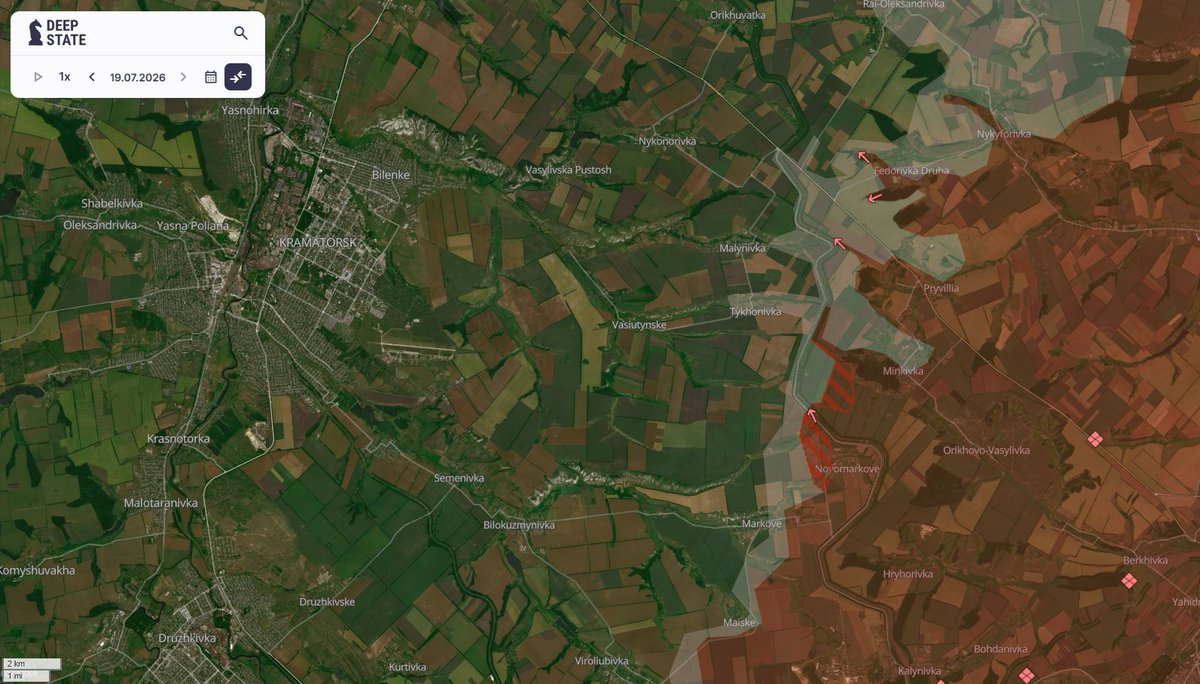
These maritime attacks complement a parallel escalation on land. Russian forces advanced east of Kramatorsk and south of Kostyantynivka in Donetsk Oblast, as documented by monitor_the_situation at 14:00 UTC, suggesting a coordinated push to secure supply corridors that feed the southern ports.
Ukrainian Drone Operations Targeting Occupied Territories
Ukrainian unmanned systems played a decisive role across multiple fronts. Between 08:30 UTC and 17:07 UTC, the Ukrainian Armed Forces conducted at least 19 drone strikes on power substations in occupied Crimea and the city of Berdiansk, as reported by monitor_the_situation. The operation, dubbed "Operation Crimean Switch Off," brought the cumulative total of substations hit since 1 July to 104, indicating a sustained campaign to degrade Russian‑controlled energy distribution.
In the Kherson Oblast, the 40th Marine Brigade released footage of a Barracuda unmanned surface vehicle (USV) evading a Russian Lancet drone and subsequently deploying first‑person‑view (FPV) drones against Russian positions. This engagement, reported at 10:32 UTC, demonstrates the increasing integration of surface and aerial unmanned platforms in littoral combat.
Special forces of the Security Service of Ukraine (SBU) employed a swarm of 13 drones to strike an FSB coordination center in occupied Kherson, igniting a large fire and potentially affecting up to 100 personnel, according to monitor_the_situation at 10:19 UTC.
In the Donetsk Oblast, the 47th Mechanized Brigade "Magura" used FPV drones to destroy a Russian howitzer, a quad bike, a car, a truck, and engaged assault troops, as detailed in a monitor_the_situation post at 08:41 UTC. The brigade credited its STRIX Unmanned Systems Battalion for the precision strikes.
Russian Geran‑2 drones also continued to be employed against Ukrainian infrastructure. At 11:48 UTC, three locomotives in Zaporizhzhia Oblast were damaged, disrupting rail logistics. Earlier, at 09:41 UTC, a Geran‑2 strike hit a warehouse in Sumy Oblast, inadvertently exposing components of the Ukrainian Vyriy Drone program.
Ground Movements and Strategic Logistics
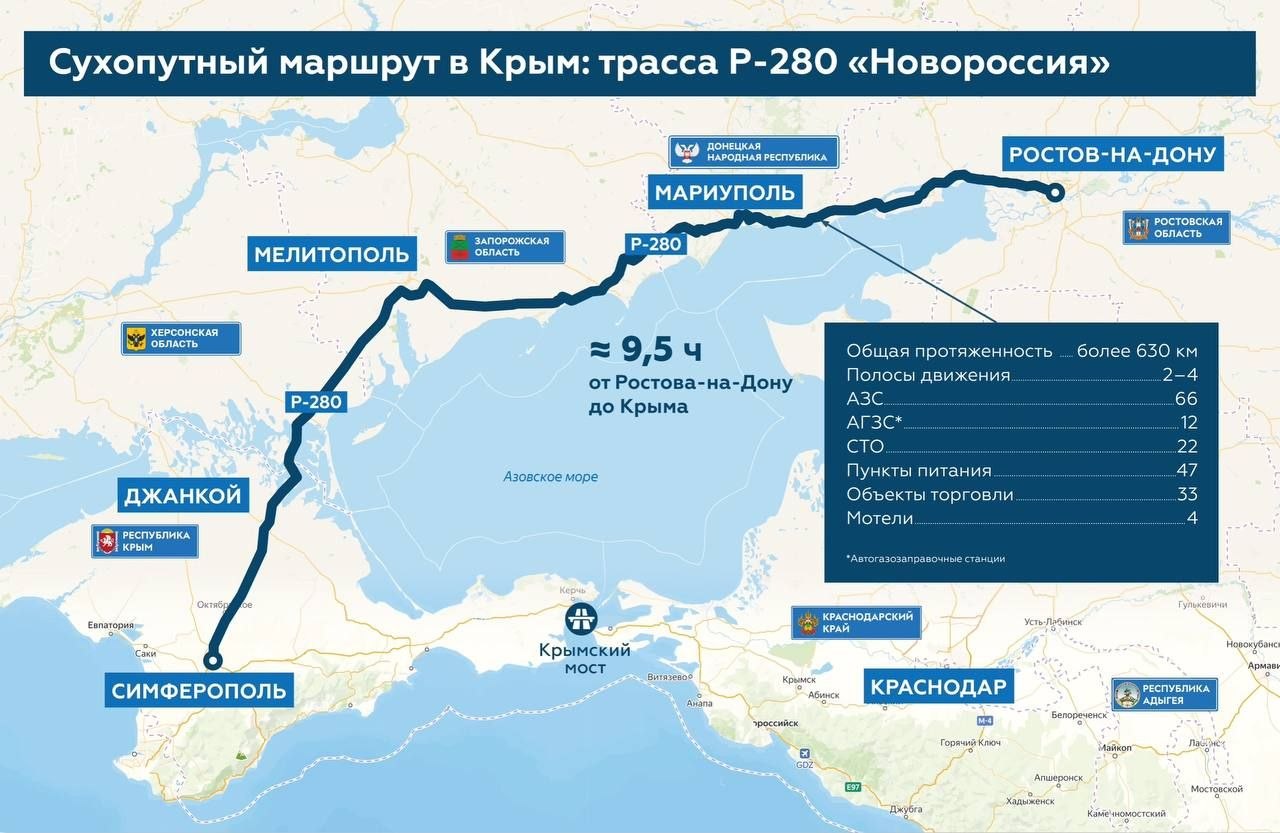
Control of key transport routes shifted further in Russia’s favor. Intelslava reported at 09:31 UTC that the R‑280 "Novorossiya" highway in Zaporizhzhia Oblast was fully under Russian control, following a series of shelling and mining operations by Ukrainian forces that had previously hampered Russian logistics. The highway’s capture facilitates the movement of heavy equipment and supplies from the Russian‑occupied southern regions toward the front lines in Donetsk and Luhansk.
Combined, these kinetic events illustrate a dual‑track escalation: Russia intensifies maritime and ground offensives to secure supply lines and pressure Ukraine’s export capacity, while Ukraine leverages unmanned systems to impose asymmetric costs on Russian logistics, energy distribution, and command‑and‑control nodes.
Analytical Assessment
The lethal Odesa strike underscores the vulnerability of civilian maritime traffic in contested waters. Even as Ukraine deploys hundreds of drones toward Moscow—a symbolic retaliation—the practical impact remains limited to air‑defense engagements and occasional attrition of Russian air assets.
Ukrainian drone operations have achieved measurable effects on Russian‑held infrastructure, particularly in the energy sector. The repeated targeting of substations in Crimea and Berdiansk reduces the reliability of power supplies for both military installations and civilian populations, potentially eroding local support for the occupation.
Control of the R‑280 highway enhances Russian logistical resilience, enabling faster reinforcement of front‑line units in the Donbas. However, the continued Ukrainian use of FPV drones against mobile artillery and vehicles suggests that Russian ground forces remain exposed to precision attacks, especially in terrain where visual line‑of‑sight is limited.
Overall, the events of 20 July 2026 reflect a heightened kinetic tempo on both maritime and land domains, with unmanned systems playing an increasingly central role in shaping the operational calculus for both sides.