The International Atomic Energy Agency (IAEA) confirmed on July 19 that Iran’s Darkhovin nuclear power plant was the target of a United States‑led kinetic operation earlier that day. The incident, reported by the Russian‑language intelligence channel rnintel, marks the first known direct strike on an Iranian civilian nuclear installation since the 2020 U.S. drone attack on the Natanz facility. The IAEA has opened a formal investigation to assess damage, potential radiological release and compliance with the Non‑Proliferation Treaty.
"IAEA is investigating the incident that occurred at Iran's Darkhovin nuclear power plant, which was attacked by the U.S. earlier today," the agency statement read (rnintel, https://t.me/rnintel/64465).
Kinetic Airstrikes and Missile Launches
Within hours of the nuclear incident, multiple kinetic events unfolded across the country. At 09:41 UTC, United States warplanes conducted an airstrike in Iranshahr County, Sistan and Baluchestan Province, as reported by the Jerusalem Post. The strike was part of the eighth consecutive night of U.S. operations in Iran, a pattern confirmed by CENTCOM statements. No casualty figures were released, but the repeated use of warplanes underscores a sustained aerial campaign targeting undisclosed Iranian assets.
At 13:11 UTC, two ballistic missiles were launched from Kermanshah in western Iran. The missiles, identified as Iranian‑produced short‑range ballistic projectiles, were fired without a publicly disclosed target. The launch, reported by rnintel, reflects Iran’s capacity to mobilize its missile arsenal in response to escalating pressure.
Later, at 13:12 UTC, explosions were reported in the port city of Abadan, southwest Iran. While the cause remains unverified, the timing coincides with the broader pattern of kinetic activity and may indicate secondary effects of the earlier airstrike or a separate sabotage effort. No casualty data were provided.
Drone Interceptions Across Iran’s Border Regions
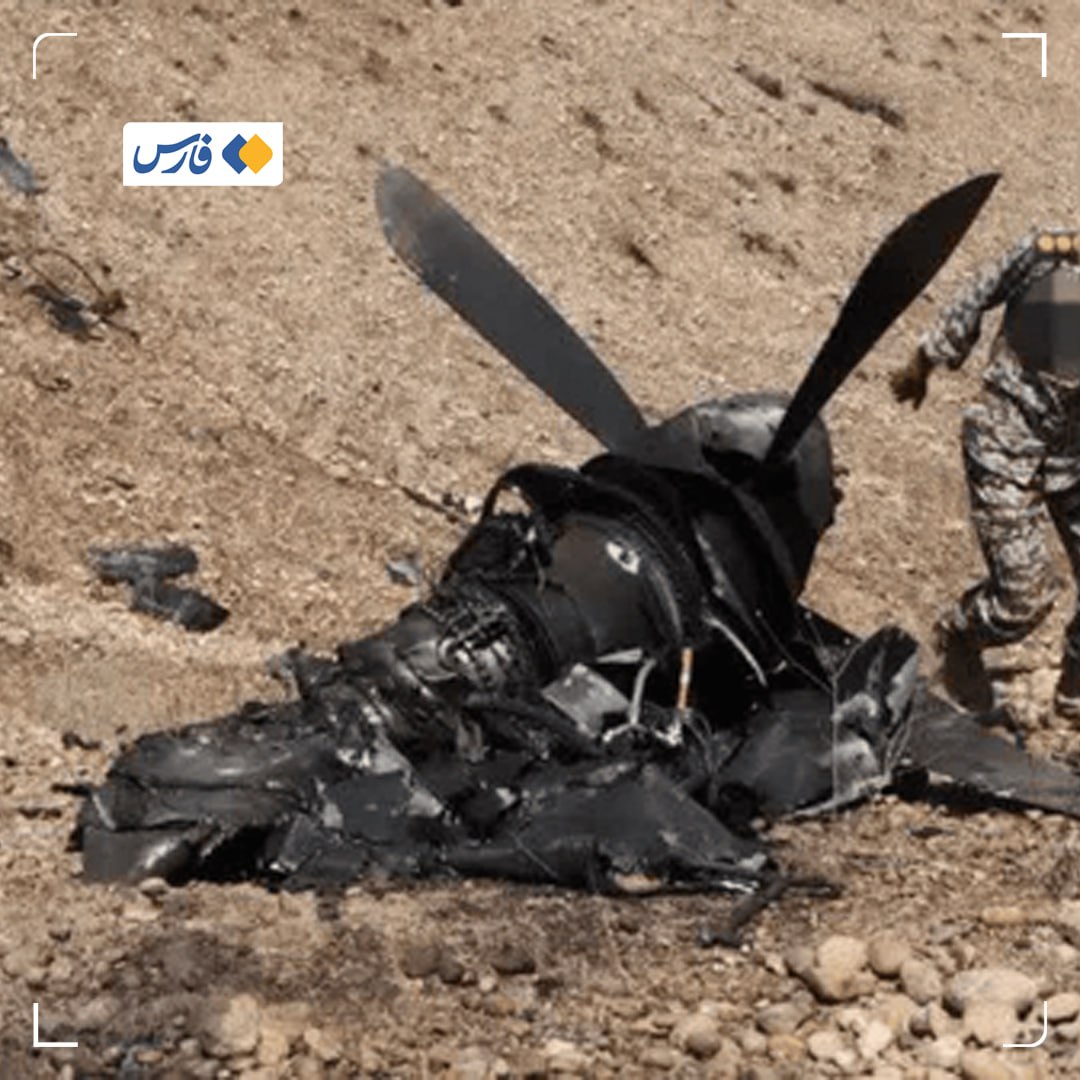
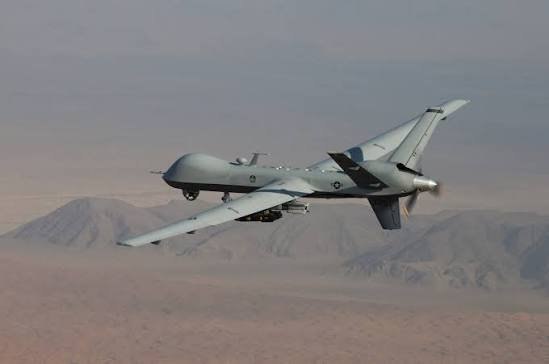
Mid‑day saw a rapid succession of unmanned aerial system (UAS) losses for the United States. According to CIG_telegram, four U.S. MQ‑9 Reaper drones were downed within Iran’s border areas over a 48‑hour window, severely limiting U.S. intelligence‑gathering capabilities. The drones, equipped with AGM‑158 JASSM cruise missiles and glide bombs, were reportedly intercepted by Iranian air defense systems that have demonstrated increasing proficiency.
Specific incidents include:
- At 14:18 UTC, a U.S. MQ‑9 was shot down over Hamedan, as reported by CIG_telegram (https://t.me/CIG_telegram/80235). The Iranian army’s air defense units engaged the drone, marking the fourth loss in two days.
- At 14:20 UTC, rnintel confirmed a second MQ‑9 downing in the Hamedan region, reinforcing the pattern of repeated interceptions.
- At 14:58 UTC, intelslava documented the destruction of a U.S. MQ‑9 over Hamadan by Iranian Army air defenses, accompanied by photographic evidence.
- At 15:37 UTC, CIG_telegram noted that the cumulative loss of four MQ‑9s has forced the U.S. Air Force to shift focus toward static targets such as bridges and infrastructure, rather than mobile air‑defense assets.
Additional interceptions were recorded in western provinces: a second MQ‑9 Reaper was shot down over Ilam Province at 10:00 UTC (monitor_the_situation), and earlier in the day, Iranian defenses downed drones over Ahvaz at 07:10 UTC (monitor_the_situation) and again at 09:36 UTC (rnintel). Each incident was accompanied by visual media, confirming the operational reach of Iran’s integrated air‑defense network.
Explosions and Civilian Impact
Beyond the strategic strikes, civilian areas experienced unexplained explosions. Kermanshah reported an explosion at 13:07 UTC, with no immediate attribution (rnintel). The lack of identified weapons or perpetrators suggests either accidental ordnance detonation or covert sabotage. Similarly, the earlier Abadan explosions remain unexplained, raising concerns about potential collateral damage to civilian infrastructure.
While casualty numbers have not been disclosed for most events, the concentration of kinetic activity in densely populated provinces—Khuzestan, Kermanshah, and Sistan‑Baluchestan—heightens the risk of civilian harm. The IAEA’s investigation into the Darkhovin incident will also assess any radiological exposure to nearby communities.
Historical Context and Regional Implications
The July 19 kinetic surge follows a broader escalation that began in early March, when Israeli airstrikes damaged eleven historic sites in Isfahan, including UNESCO‑listed Naqsh‑e Jahan Square and Chehel Sotoun palace (monitor_the_situation). Although the March attacks targeted cultural heritage rather than military assets, they signaled a willingness by regional actors to employ precision strikes within Iranian territory.
Combined with the U.S. airstrike campaign and the unprecedented drone interceptions, the events of July 19 illustrate a multi‑layered kinetic approach by external powers, while Iran demonstrates an increasingly effective air‑defense posture. The convergence of nuclear, aerial, and missile dimensions raises the potential for rapid escalation, particularly if any of the kinetic actions result in significant casualties or infrastructure damage.
Analysts note that the IAEA’s involvement adds an international legal dimension to the conflict. Any confirmed damage to the Darkhovin plant could trigger diplomatic responses from the United Nations Security Council, potentially reshaping the rules of engagement for future kinetic operations in the region.