In the early hours of Sunday, July 19, Russian ballistic missiles struck the Ukrainian capital, killing at least one civilian and wounding nine others. The attack, reported by Al Jazeera, marks the most lethal kinetic event in Ukraine on the date and underscores the continued use of long‑range precision weapons against densely populated areas.
Critical Ballistic Missile Strike on Kyiv
The missiles impacted central Kyiv, causing immediate casualties and prompting emergency services to respond across multiple districts. According to the Al Jazeera video feed, the strike resulted in "at least one killed as Russian ballistic missiles hit Kyiv" and nine injuries. The weapons employed were identified as ballistic missiles launched from Russian OTRK (operational-tactical rocket complex) installations, though the specific type was not disclosed in the source.
"At least one killed as Russian ballistic missiles hit Kyiv" – Al Jazeera, 04:32 UTC, 19 July 2026.
Ukrainian air‑defence units engaged the incoming salvo, but the interception rate was insufficient to prevent ground impact. The incident illustrates the persistent threat posed by Russia’s strategic missile inventory, even as Ukraine upgrades its layered defence architecture.
Damage to Lukyanivska Metro Station
Shortly after the capital‑wide strike, the above‑ground entrance of Lukyanivska Metro Station was damaged in a separate Russian attack. The incident, documented by BellumActaNews via video, forced the temporary closure of the station, disrupting commuter flow in the northern part of the city. No casualties were reported at the site, but the damage highlights the vulnerability of civilian transport infrastructure to precision strikes.
Nova Poshta Warehouse Hit by Iskander‑M and Zircon
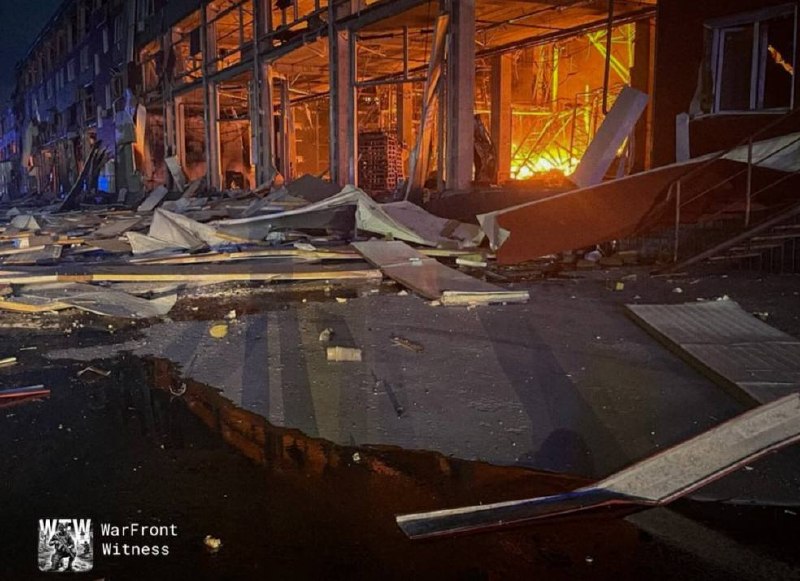
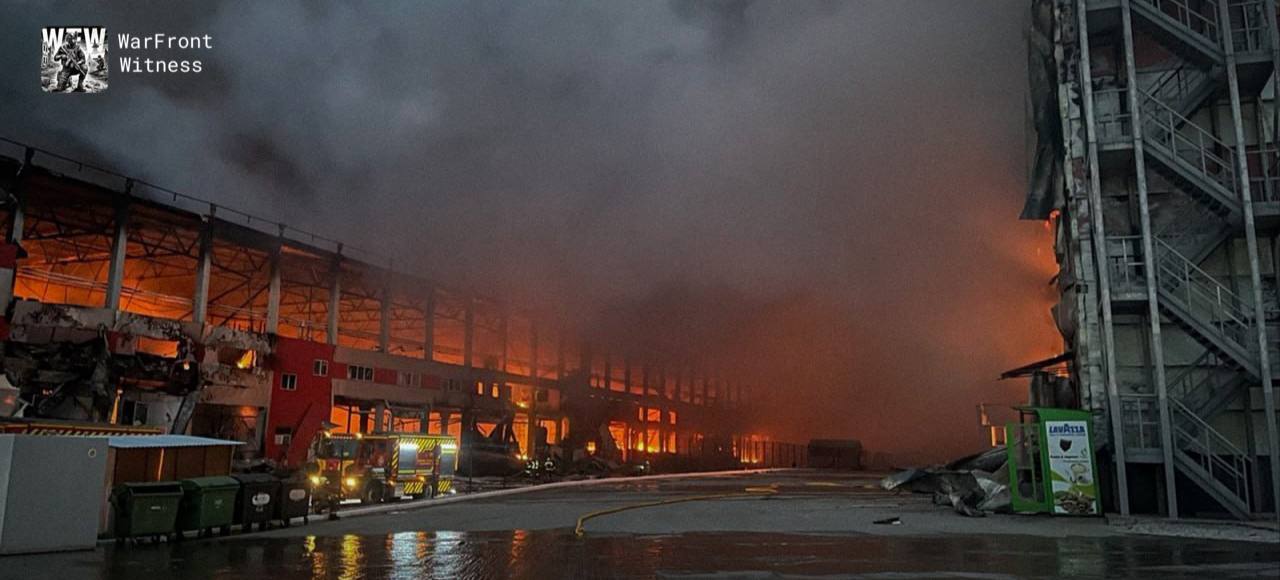
Images released by BellumActaNews show the aftermath of a dual‑weapon strike on a Nova Poshta logistics warehouse in Kyiv. The attack combined an Iskander‑M ballistic missile and a Zircon hypersonic cruise missile, both part of Russia’s high‑speed strike portfolio. The warehouse, a critical node in Ukraine’s domestic and international parcel network, suffered extensive structural damage, though the source did not confirm any personnel casualties.
The use of both a ballistic and a hypersonic missile in a single engagement demonstrates a layered approach intended to overwhelm air‑defence systems and ensure target destruction.
Coordinated Large‑Scale Missile Attack on Military Facilities
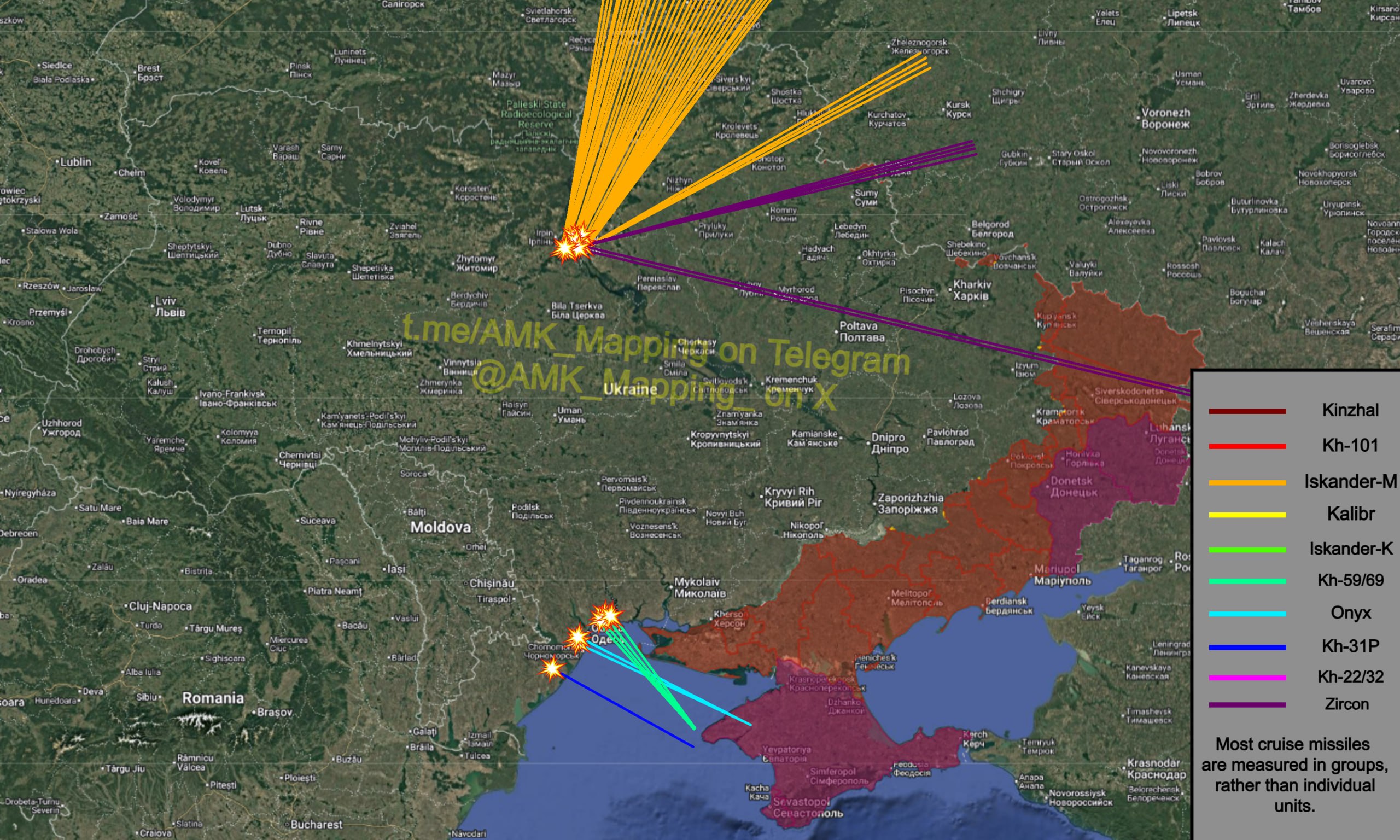
Later in the morning, a broader missile barrage targeted multiple military‑related installations in Kyiv, including the Central Design Bureau of Valves. According to a Telegram post by CIG_telegram, Russian forces launched approximately 34 Iskander‑M/S‑400 ballistic missiles and an additional 4 Zircon hypersonic cruise missiles, supplemented by Kh‑59/69, P‑800 Oniks, and Kh‑31P anti‑radar missiles. Ukrainian air‑defence reported intercepting at least two of the incoming weapons, but the overall effectiveness of the defence was limited given the volume and diversity of the salvo.
The attack underscores Russia’s capacity to conduct simultaneous multi‑type missile strikes, integrating ballistic, cruise, and anti‑radar weapons to degrade Ukraine’s command‑and‑control and logistical capabilities.
Assessment and Implications
The series of kinetic events on July 19 reflects a coordinated escalation in Russia’s use of long‑range strike assets against both civilian and military targets in Kyiv. The fatality count remains low relative to the scale of the attacks, suggesting that Ukrainian air‑defence systems continue to provide a degree of mitigation. However, the repeated targeting of critical infrastructure—metro stations, logistics warehouses, and defence design bureaus—indicates a strategic intent to disrupt urban mobility, supply chains, and military production.
From an operational perspective, the integration of Iskander‑M ballistic missiles with Zircon hypersonic cruise missiles represents a doctrinal shift toward mixed‑payload salvos designed to saturate defence layers. The presence of anti‑radar missiles such as Kh‑31P further suggests an effort to suppress Ukrainian radar and early‑warning capabilities during high‑intensity strike windows.
While the immediate human toll of the July 19 attacks is limited, the cumulative effect on Kyiv’s urban resilience and Ukraine’s logistical network may be more pronounced. Continued monitoring of missile launch patterns, interception rates, and post‑strike damage assessments will be essential for evaluating the evolving threat landscape.
All events were reported by open‑source channels: Al Jazeera (video feed), BellumActaNews (Telegram posts with video and photos), and CIG_telegram (photo‑rich briefing). The consistency across these sources reinforces the credibility of the reported details.