On 19 July 2026, Russian forces launched the largest ballistic missile strike on Kyiv since the war began, deploying a mix of Iskander‑M, Zircon hypersonic, and Kh‑59/69 cruise missiles. The attack caused extensive damage to civilian infrastructure and heightened the risk of further escalation in the capital.
Large‑Scale Missile Barrage on Kyiv
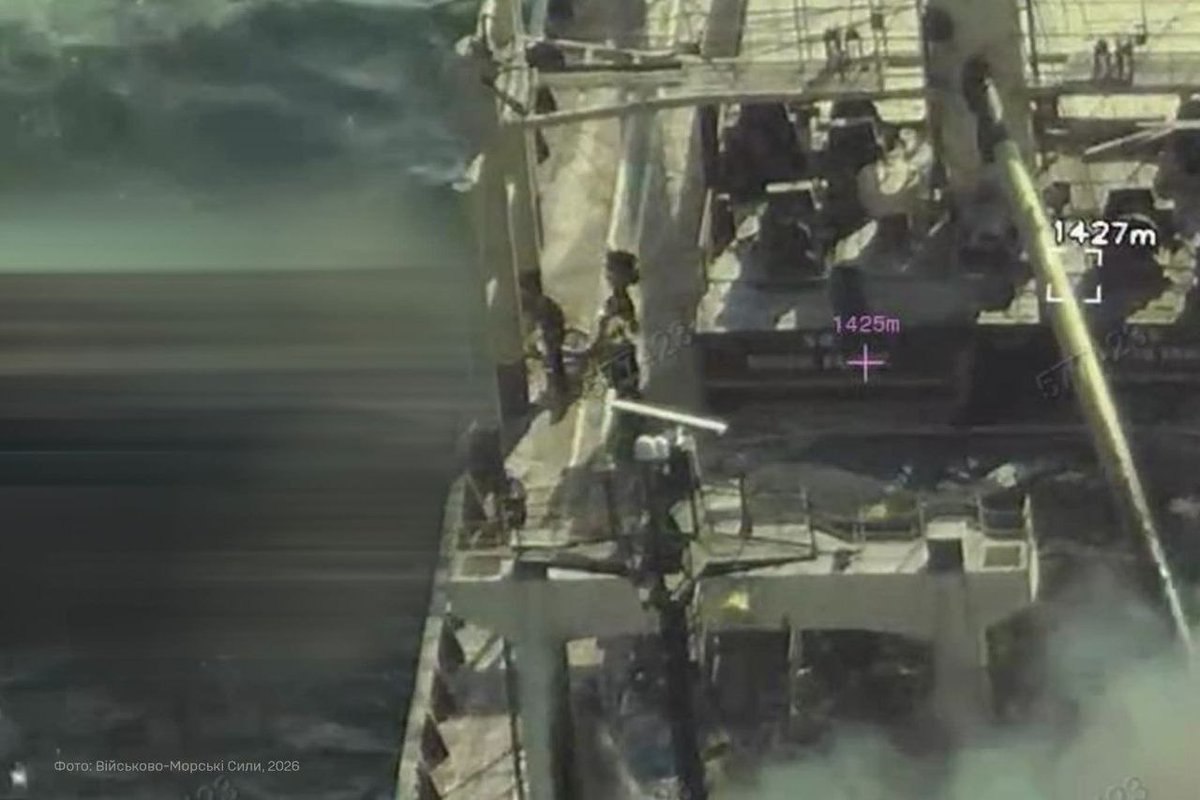
According to GeoPWatch, the operation involved approximately 34 Iskander‑M/S‑400 ballistic missiles launched from OTRK installations near Klintsy, Bryansk Oblast, complemented by four Zircon hypersonic cruise missiles and additional Kh‑59/69 cruise missiles. Ukrainian air defence reported intercepting at least two Iskander missiles, but the majority reached the city, igniting fires at industrial sites and residential areas. The strike coincided with a separate Kh‑59/69 missile impact on the civilian grain ship Golden Leo in the Black Sea, underscoring a coordinated kinetic effort across multiple domains.
Source: https://t.me/GeoPWatch/37554
Targeting of Critical Logistics Facilities
In the early morning, Russian forces struck the Amtel logistics centre on the outskirts of Kyiv, destroying a complex covering over 100,000 m². The attack, reported by intelslava, was confirmed by satellite imagery and local witnesses who described a massive explosion and subsequent fire that required emergency services to contain.
Source: https://t.me/intelslava/90912
Later, a Russian Iskander‑M ballistic missile hit a Ukrainian Neptune‑2 missile launcher near Rybakivka in Mykolaiv Oblast, demonstrating a focused effort to degrade Ukraine’s medium‑range missile capability.
Source: https://t.me/monitor_the_situation/25352
Ukrainian Counter‑Strikes and Drone Operations
Ukrainian forces responded with a series of kinetic actions. A MiG‑29 squadron employed GBU‑39 guided bombs to destroy a Russian drone command post in Zaporizhzhia Oblast, disrupting command‑and‑control networks for unmanned aerial systems.
Source: https://t.me/monitor_the_situation/25404
In the Black Sea, a Ukrainian unmanned surface vehicle (USV) attacked the Barbados‑flagged oil tanker AVERO near Novorossiysk, marking a rare maritime kinetic engagement by Ukrainian forces.
Source: https://t.me/intelslava/90920
On the southern front, Ukrainian heavy‑bomber drones deployed kamikaze ground robots equipped with TM mines, extending strike capability against Russian positions while minimizing exposure of manned aircraft.
Source: https://t.me/monitor_the_situation/25394
Disruption of Russian Supply Lines
Ukrainian unmanned systems disabled three ferries and damaged two more at the Kerch Strait, reducing crossing capacity by 75 % and hampering Russian logistical movements across the Crimea‑Russia bridge.
Source: https://t.me/monitor_the_situation/25373
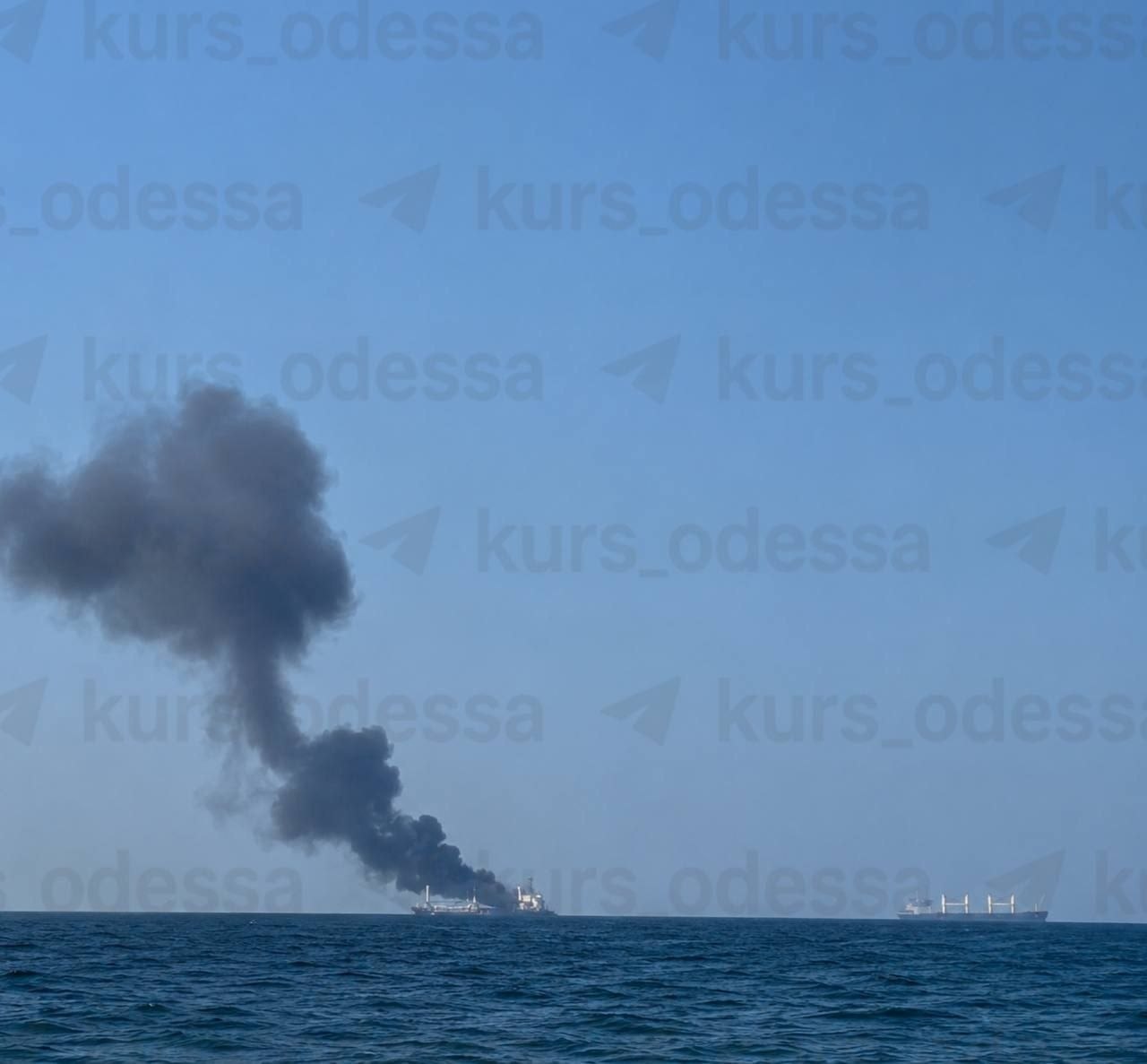
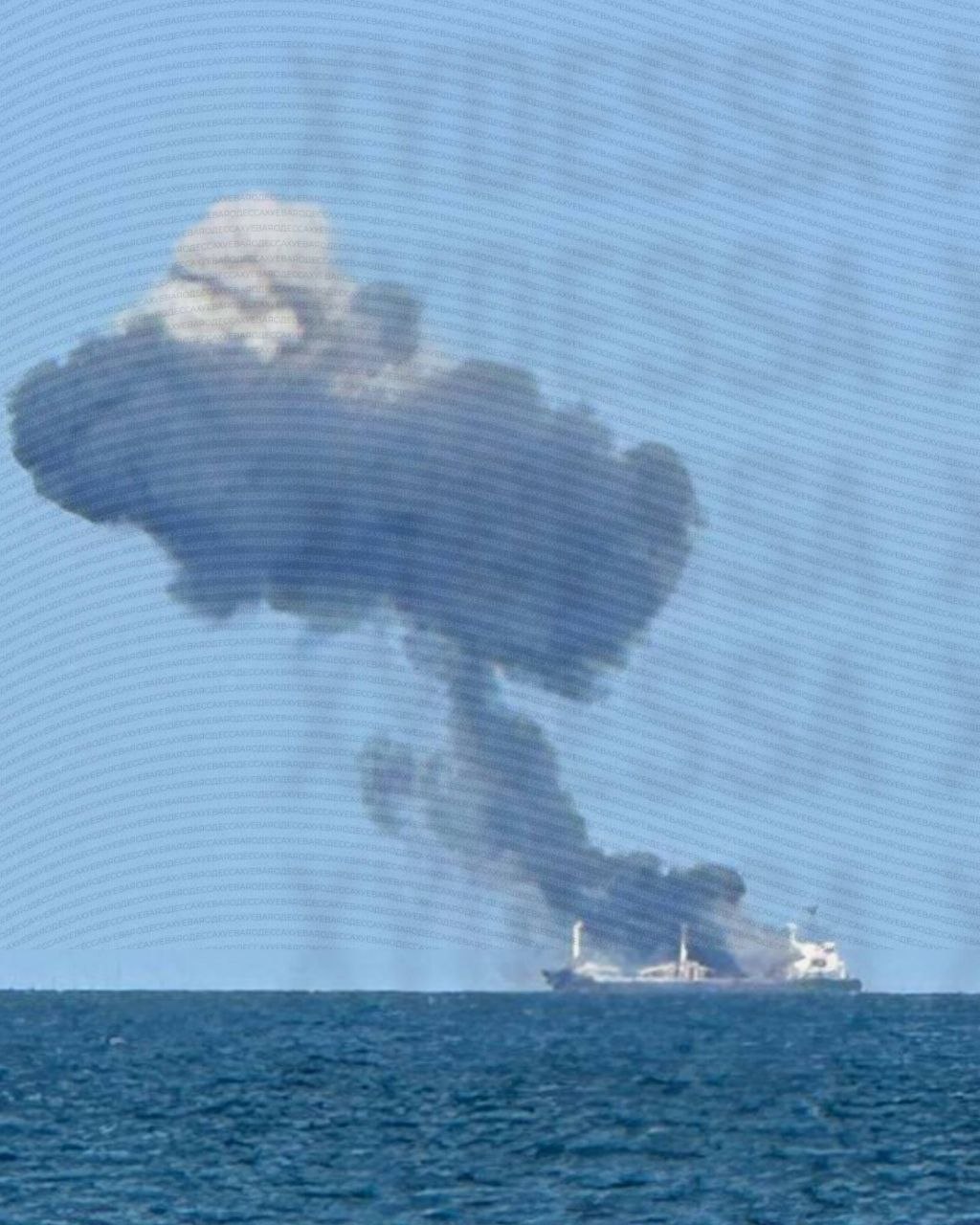
In the western theater, a Ukrainian drone strike on a cargo ship near Odessa ignited a fire, illustrating the expanding use of aerial platforms against maritime targets.
Source: https://t.me/intelslava/90945
Humanitarian Impact and Casualties
In Kharkiv, a Russian strike on a Nova Poshta terminal in a suburb killed three civilians and injured 20, three of them seriously, according to the regional administration.
Source: https://t.me/monitor_the_situation/25371
The Ukrainian General Staff reported that Russian forces suffered 1,520 personnel casualties on the Donbas front in a single day, along with the loss of five tanks, 92 artillery systems, and 1,858 UAVs.
Source: https://t.me/monitor_the_situation/25353
Overall Assessment
The coordinated missile barrage on Kyiv represents a significant escalation in kinetic operations, targeting both civilian and military assets. Ukrainian responses have leveraged drones, precision‑guided munitions, and novel autonomous systems to impose costs on Russian logistics and command structures. The intensity of engagements across land, sea, and air underscores a widening of the conflict’s kinetic envelope, with both sides sustaining notable material losses and civilian casualties.