On 19 July 2026, Iranian ballistic missiles and unmanned aerial systems struck Jordan, killing two United States service members, wounding four others and leaving a third soldier missing, according to United States Central Command. The attack, reported by The Jerusalem Post, represents the most lethal single kinetic event recorded on the day and has triggered immediate diplomatic and military responses across the Middle East.
"The death of U.S. service members in Iranian strikes on Jordan is a shame," former President Donald Trump said, condemning the incident.
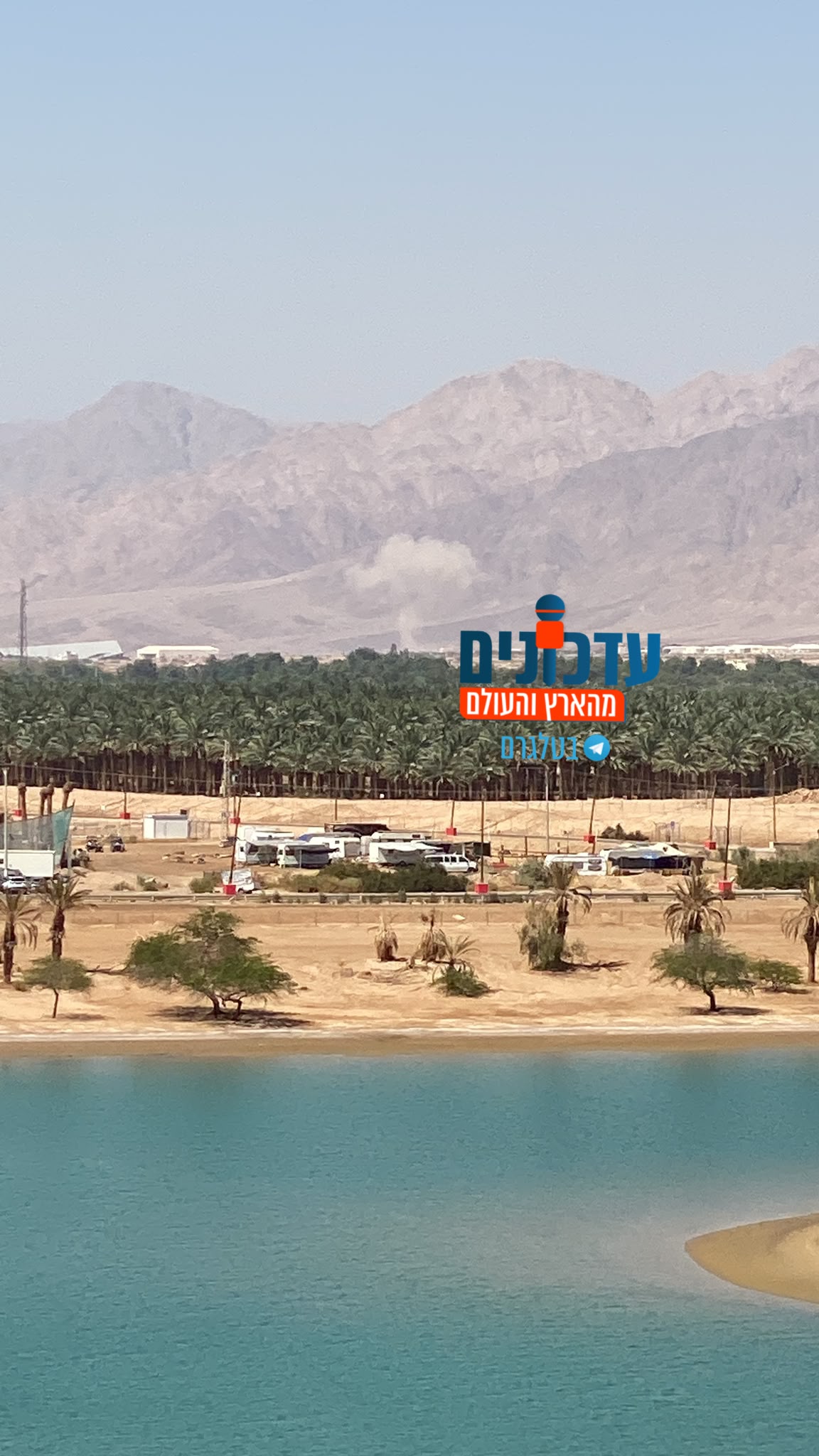
The missiles were launched from Iranian territory and were accompanied by drones that penetrated Jordanian airspace, striking a location that U.S. officials have not disclosed for operational security. The United States has confirmed the casualties and is coordinating with Jordanian authorities to locate the missing service member.
Iranian Strikes Extend to Kuwait and Bahrain
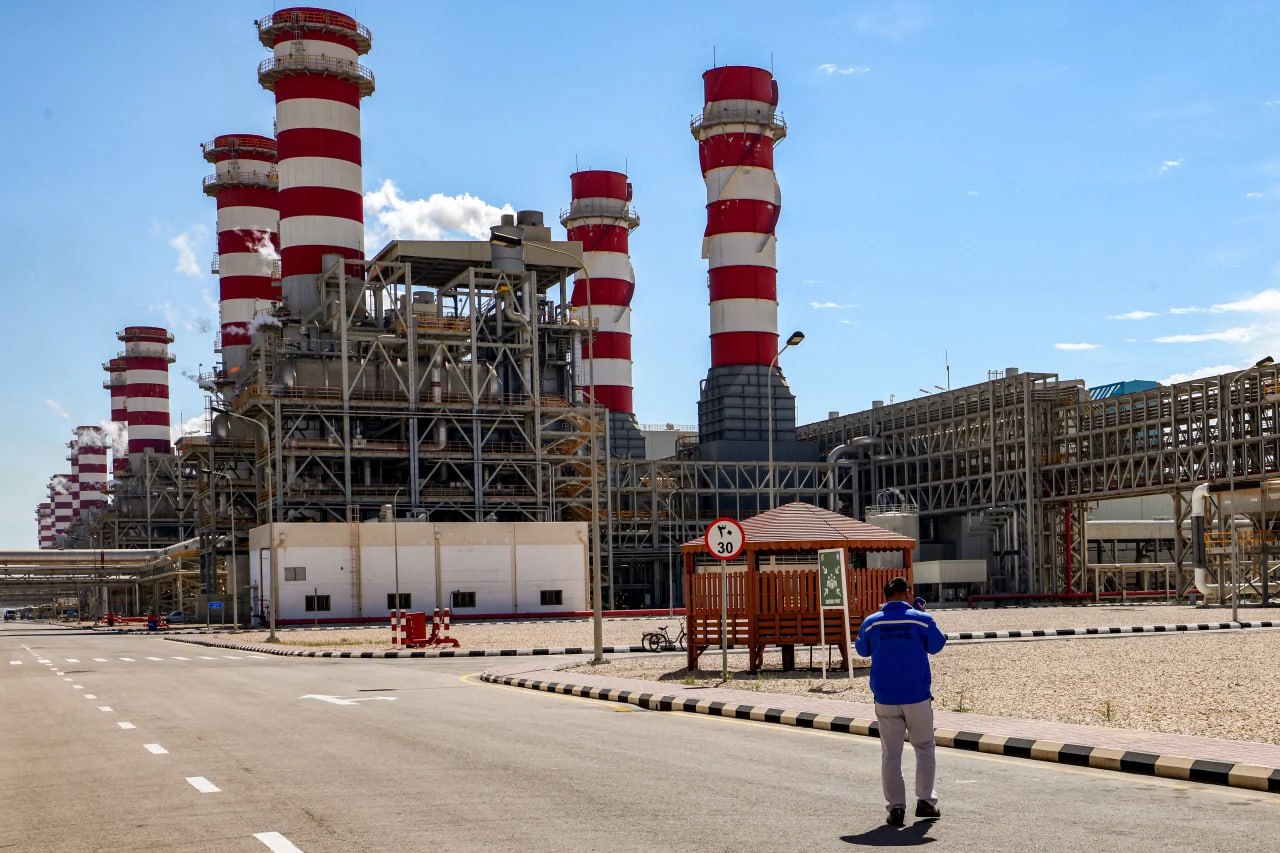
Within hours of the Jordan attack, Iran conducted a second missile strike on a Kuwaiti power and desalination plant, marking the second consecutive day that the facility was targeted. The strike, documented by the Telegram channel intelslava, threatens Kuwait’s water supply, as desalination provides roughly 90% of the nation’s freshwater. No immediate casualty figures were released, but the damage to the plant’s infrastructure could have long‑term civilian impacts.
Simultaneously, Iranian projectiles were intercepted by Bahrain’s air defenses, as reported by rnintel. The interceptions indicate a broader pattern of Iranian kinetic activity aimed at Gulf states that host U.S. forces or are allied with Washington.
U.S. Counter‑Strikes Target IRGC Assets
In response to the Jordanian casualties, the United States launched a series of missile strikes against Iran’s Islamic Revolutionary Guard Corps (IRGC) facilities. Al Jazeera reported that the U.S. operation targeted command and control nodes, missile depots, and air defense installations across Iran. The strikes were described as “precision” and were intended to degrade Iran’s ability to conduct further missile and drone attacks.
U.S. officials also confirmed the destruction of a U.S. F‑15 Strike Eagle in Jordan, damaged in the same Iranian barrage that killed the two service members. The loss, relayed by the Telegram channel CIG_telegram, underscores the vulnerability of advanced U.S. air assets when faced with coordinated ballistic missile and drone attacks.
Additional Kinetic Incidents Across the Region
Beyond the primary Jordan‑Kuwait‑Bahrain axis, several other kinetic events were recorded on 19 July:
- Explosions in Kuwait: Multiple violent explosions were reported across Kuwait, as noted by intelslava. The source of the blasts remains unverified.
- Ballistic missile launches from Iran: Early in the day, rnintel reported initial launches of ballistic missiles from Iranian launch sites, though no impact locations were confirmed.
- Long‑range drone strike near Moscow: The Telegram channel monitor_the_situation documented a drone attack on a Wildberries logistics complex near Moscow, attributing the strike to Ukrainian forces.
- Iranian shrapnel in Israel: Iranian‑origin shrapnel landed in Israel, prompting the Israel Defense Forces (IDF) to prepare a retaliatory response, as reported by The Jerusalem Post.
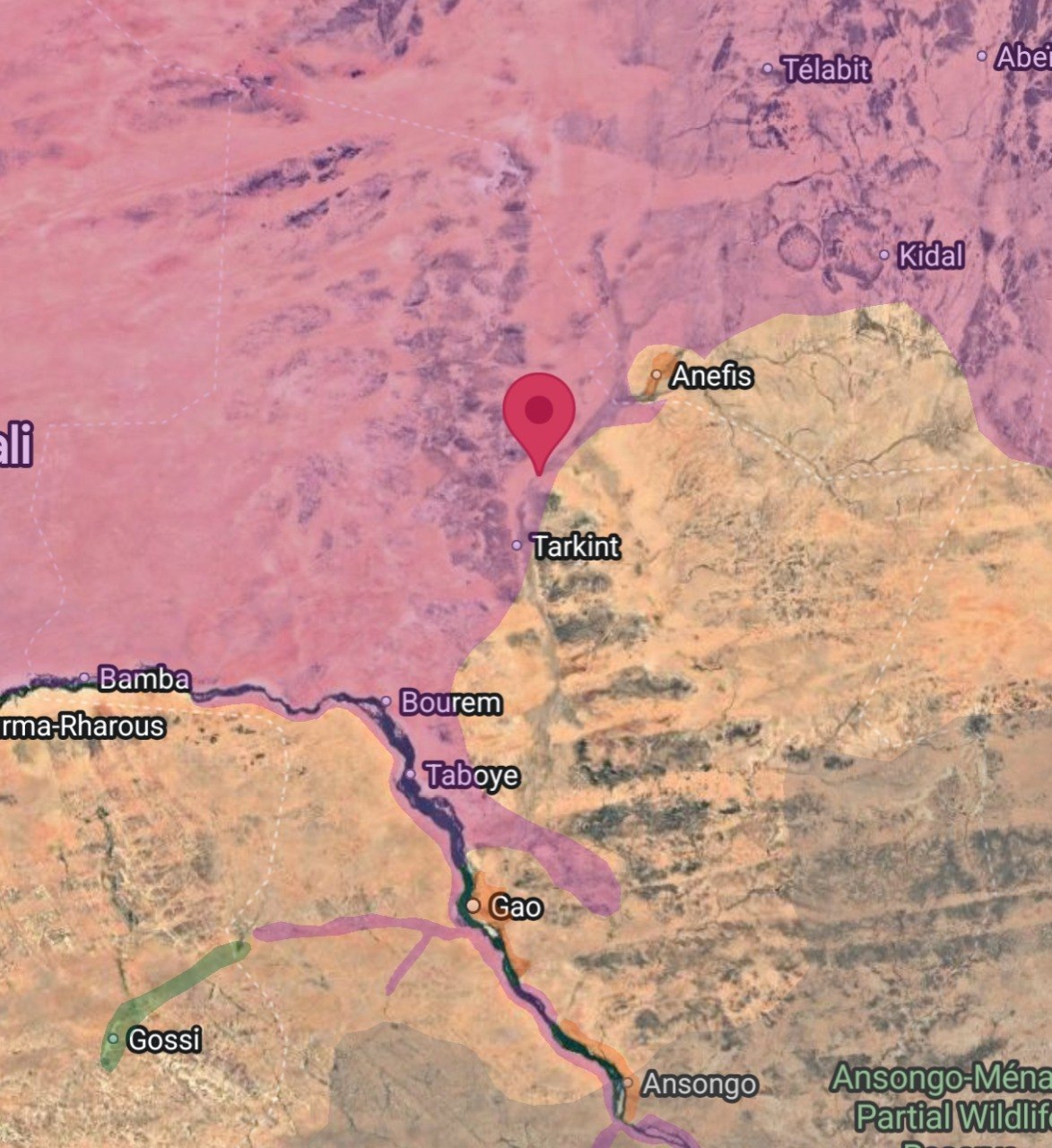
- Malian ground movements: Two separate convoy ambushes involving Malian forces, the French‑backed FAMa, and Russia’s African Corps were reported by rnintel, highlighting ongoing instability in the Sahel.
Analysis of the Escalation
The coordinated nature of the Iranian attacks—simultaneous missile and drone strikes on multiple sovereign states—suggests a deliberate escalation aimed at pressuring U.S. and allied forces in the region. The targeting of critical infrastructure in Kuwait, combined with the lethal strike on U.S. personnel in Jordan, raises the risk of broader conflict spillover.
U.S. retaliation against IRGC assets demonstrates a willingness to employ kinetic force beyond defensive measures, potentially setting a precedent for future cross‑border engagements. However, the destruction of a high‑value F‑15 platform indicates that Iranian capabilities to threaten advanced air assets are evolving, particularly when employing combined missile‑drone tactics.
Regional actors such as Bahrain and Israel are already adjusting their defensive postures, with Bahrain’s air defenses actively intercepting Iranian projectiles and the IDF mobilizing for possible retaliation. The attacks on Kuwait’s desalination infrastructure also highlight the strategic importance of water security in the Gulf, where a single strike can jeopardize the daily water supply for millions.
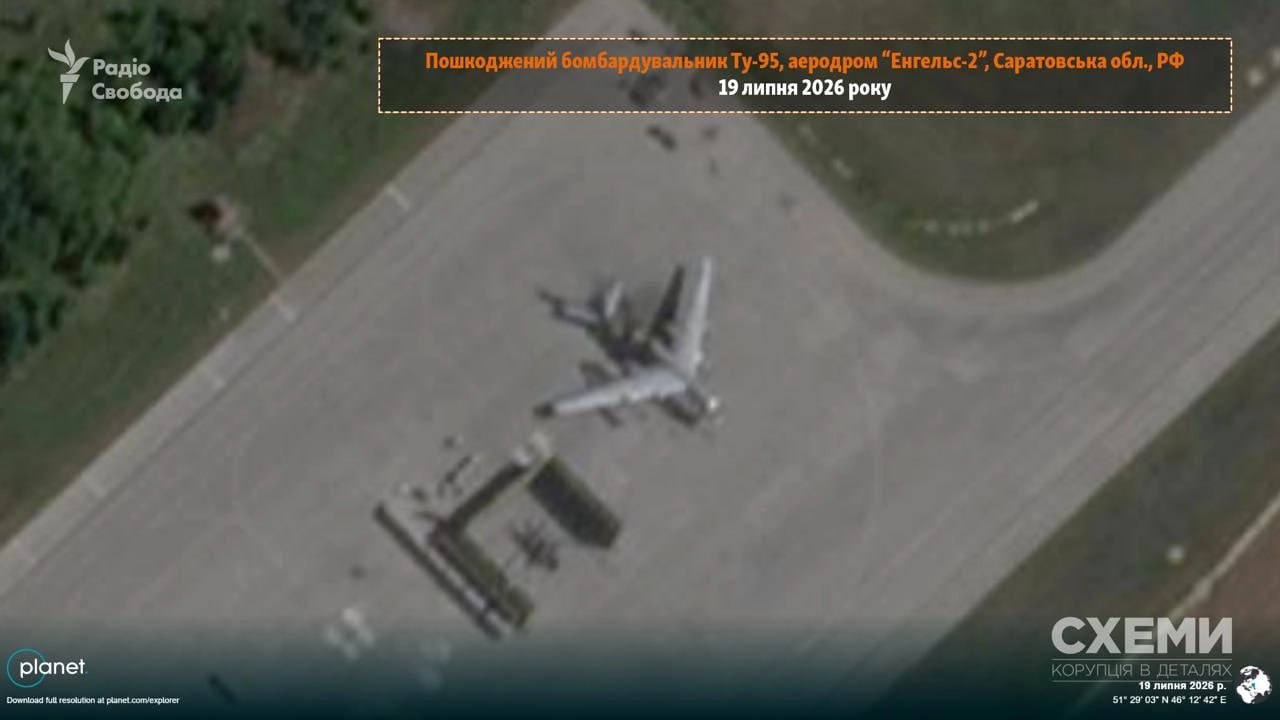
Outside the Middle East, the Ukrainian drone strike on a Russian strategic bomber underscores the expanding role of unmanned systems in high‑value target engagements, a capability that appears to be mirrored in Iran’s recent use of drones alongside ballistic missiles.
Overall, the events of 19 July illustrate a rapid intensification of kinetic operations across multiple theaters, driven by Iran’s willingness to employ both conventional missile systems and emerging drone technologies against a spectrum of targets.