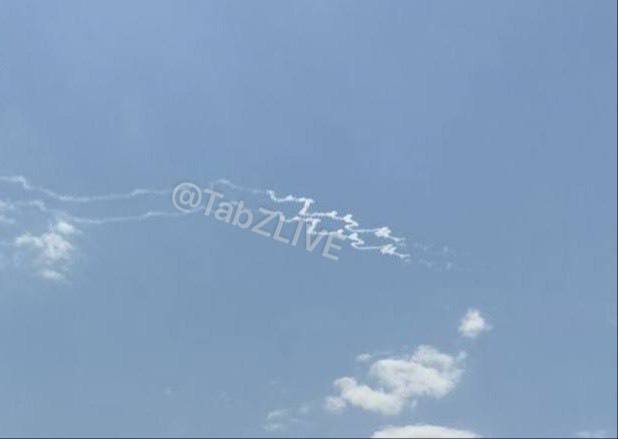
The United States conducted a series of coordinated kinetic operations against Iranian infrastructure on July 18, 2026, marking the most intensive day of hostilities since the conflict escalated earlier this year. The first and most significant strike, reported at 15:59 UTC, destroyed a key logistics bridge in Fars Province, a move described by the monitoring channel monitor_the_situation as part of preparations for a potential ground operation.
"The US military struck logistics hubs in southern Iran, destroying a bridge, amid preparations for a potential ground operation." – monitor_the_situation, 2026‑07‑18
Fars Province Bridge Destruction
According to the source, the airstrike targeted a bridge that serves as a primary conduit for military and commercial traffic between the southern ports and interior supply depots. Video evidence released by the channel shows the bridge collapsing under the impact of precision‑guided munitions. No casualty figures were released for this specific strike, but the loss of the crossing is expected to impede the movement of materiel across the region.
Rocket Strikes on Hormozgan Transport Corridors
At 15:36 UTC, the CIG_telegram channel documented a series of rocket attacks that hit the Shahid Mirzaei Tunnel in Glogah and multiple bridges along the Bandar Abbas–Sirjan corridor in Hormozgan Province. The tunnel was blocked in both directions, and the Shur River bridge was reported destroyed. Local authorities confirmed three fatalities and eight injuries among civilian workers and nearby residents.
The targeted infrastructure included:
- Shahid Mirzaei Tunnel (Glogah) – blocked both ways
- Two bridges beyond the gorge – bombed
- Outbound Minab intersection bridge – struck
- Shur River bridge on the Bandar Abbas–Sirjan route – destroyed
The attacks were described as the seventh consecutive night of U.S. strikes aimed at degrading Iran’s logistical network.
Multiple Strikes on Sirik
The rnintel channel reported three separate U.S. strikes on the coastal town of Sirik in Hormozgan Province at 12:30, 16:30 and 16:40 UTC. While the exact weapons used were not disclosed, the timing suggests a coordinated effort to overwhelm local air‑defence systems. No casualty numbers were released, but the repeated impacts likely caused material damage to port facilities and nearby civilian structures.
Iranian Ballistic Missile Launch from Khomeyn
At 10:12 UTC, CIG_telegram posted photographic evidence of a ballistic missile launch from the Khomeyn missile complex in west‑central Iran. The launch was part of a broader pattern of Iranian retaliatory signaling following the earlier U.S. strikes. No further details on the missile type or trajectory were provided.
Bonji Desalination Plant Damage
Earlier in the day, at 07:12 UTC, the United States struck the Bonji desalination plant in Jask County, Hormozgan Province, according to rnintel. The attack damaged water‑pumping equipment and halted supply to more than twenty towns in the region. Iran’s state news agency IRNA confirmed the disruption, noting that the plant’s output was critical for both civilian consumption and agricultural irrigation.
Nationwide Airstrike Campaign
In addition to the localized attacks, the OSINTdefender channel released video footage of simultaneous U.S. missile strikes across several Iranian cities, including Yazd, Larestan, Bandar Abbas, Bushehr, Ahvaz, Sirik and Qeshm Island. The strikes occurred overnight, with explosions reported in residential and industrial districts. While casualty figures were not immediately available, the breadth of the campaign indicates an escalation in the use of long‑range precision weapons.
Collectively, the July 18 operations demonstrate a shift toward systematic targeting of Iran’s transport, water‑supply and energy infrastructure. The use of rockets, missiles and air‑delivered munitions across multiple provinces suggests a coordinated strategy to degrade Iran’s logistical capacity while imposing humanitarian pressures on civilian populations.
All events were corroborated by open‑source intelligence channels and include video or photographic documentation where noted. No official statements from the United States or Iranian government were released at the time of writing.