On July 18, 2026, a series of high‑intensity kinetic events unfolded across Ukraine and the occupied Crimean peninsula, marking one of the most violent days recorded in the current phase of the war. The most consequential incident was a massive fire at the Feodosia oil terminal in Crimea, where repeated strikes left only three of the thirty‑three storage tanks intact.
"Fire Breaks Out Again at Feodosia Oil Terminal in Crimea. A fire has broken out at the Feodosia oil terminal in Crimea; satellite imagery confirms the blaze. Only 3 of 33 storage tanks remain undamaged after repeated strikes." – monitor_the_situation, https://t.me/monitor_the_situation/25311
The terminal, a critical node for Russian fuel supplies, suffered extensive damage after a series of explosions that ignited multiple tanks. While no casualties were reported, the loss of thirty tanks represents a significant reduction in the region’s fuel storage capacity and may constrain logistical operations for Russian forces in the Black Sea theater.
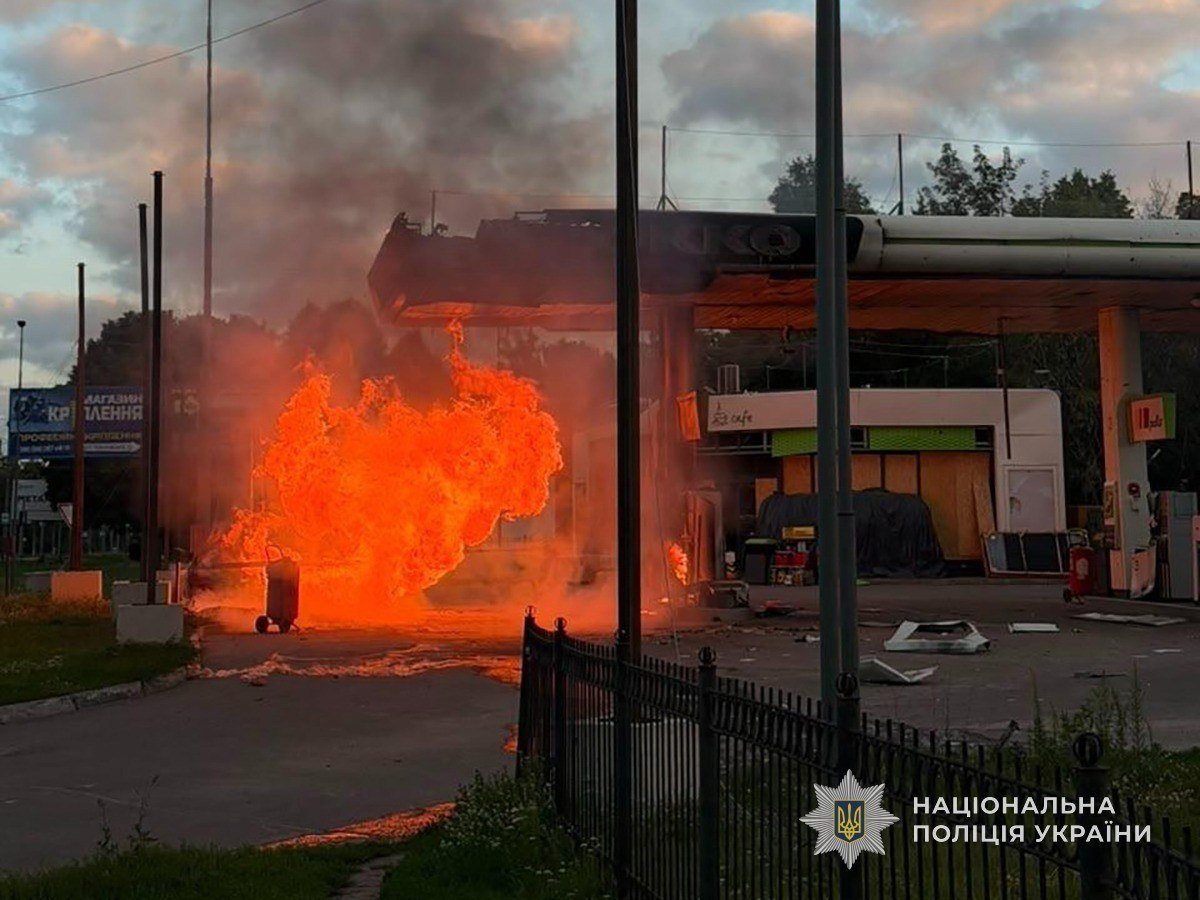
Ballistic Missile Impact Near Kremydivka, Odesa Oblast
At 12:04 UTC, a ballistic missile struck near the village of Kremydivka in Odesa Oblast, generating a series of secondary explosions. The missile’s flight profile, described as “ballistic” by the reporting channel, suggests a medium‑range system capable of delivering a warhead with high kinetic energy. No civilian casualties were confirmed in the immediate vicinity, but the impact underscores the continued use of long‑range strike assets against Ukrainian territory.
"Missile Strike Hits Near Kremydivka in Odesa Region. Explosions reported in Odesa area; missile impacted near Kremydivka. Speed indicates ballistic missile." – monitor_the_situation, https://t.me/monitor_the_situation/25290
Ukrainian Naval and Infrastructure Strikes in Occupied Crimea
Earlier in the day, Ukraine’s General Staff announced coordinated attacks on multiple Russian maritime and industrial targets in Crimea and the adjacent Russian mainland. The operation reportedly neutralized two tankers, a tug, a Russian patrol ship, the TES‑Terminal‑1 oil terminal, and the Slavneft‑YANOS refinery. While the exact damage assessment remains pending, the strikes demonstrate Ukraine’s expanding capability to project power into contested maritime zones.
"Ukraine Strikes Russian Oil Terminals and Military Targets. Ukraine's General Staff confirmed strikes on two tankers, a tug, a Russian patrol ship, the TES‑Terminal‑1 oil terminal, the Slavneft‑YANOS refinery, and other military targets in Russia and occupied Crimea." – monitor_the_situation, https://t.me/monitor_the_situation/25285
UAV‑Driven Civilian Casualties Across Multiple Oblasts
Unmanned aerial systems (UAVs) accounted for the majority of civilian harm reported on July 18. Across Ukraine, 23 civilians were killed and 122 injured in a 24‑hour window. In Chernihiv Oblast alone, ten individuals sustained injuries from UAV attacks. The incidents reflect the persistent threat posed by low‑altitude, precision‑guided drones, which can evade traditional air‑defence systems and strike densely populated areas.
"Strikes Kill 23 Civilians, Wound 122 in Ukraine Over 24 Hours. At least 23 civilians killed and 122 wounded in strikes across Ukraine over 24 hours, including 10 wounded in Chernihiv region from UAV attacks." – monitor_the_situation, https://t.me/monitor_the_situation/25283
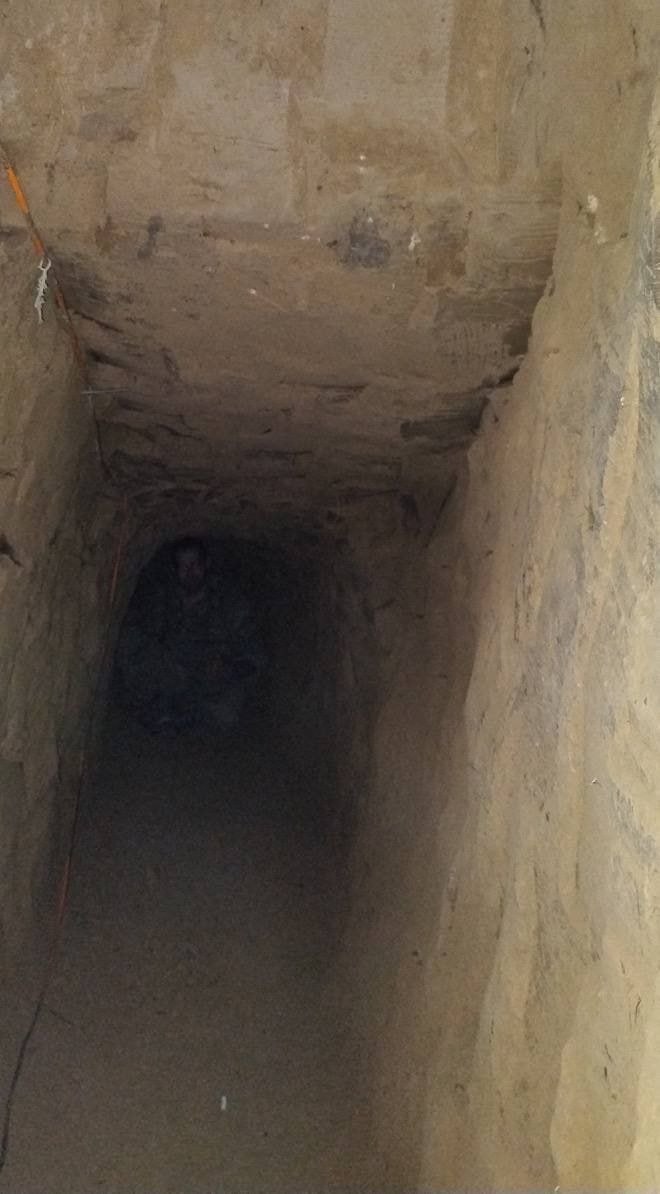
Underground Tunnel Utilised for Infantry Movement on the Front Line
Intelligence from the open‑source channel Intelslava revealed that Ukrainian forces are employing a newly constructed underground tunnel along the front line to transport infantry. The development is a tactical response to the proliferation of small combat drones, which have forced both sides to adopt subterranean logistics to protect personnel and equipment from aerial observation and attack.
"A Ukrainian, Hamas‑like underground tunnel, dug somewhere on the front lines, used for infantry movement. The dominance of small drones in the air is increasingly forcing both sides underground..." – intelslava, https://t.me/intelslava/90855
Russian Ammunition Depot Accidentally Detonated in Kirovohrad Oblast
In Kirovohrad Oblast, Russian troops inadvertently detonated their own ammunition depot while attempting to intercept a Ukrainian UAV. The self‑inflicted explosion generated a large blast, though no civilian casualties were reported. The incident highlights the heightened risk of accidental detonations in high‑intensity environments where both sides employ UAVs for reconnaissance and targeting.
"Russian Troops Destroy Own Ammo Depot While Targeting Ukrainian Drone. Ukrainian forces reported that Russian troops accidentally destroyed their own ammunition depot while attempting to shoot down a Ukrainian drone, causing a large explosion." – monitor_the_situation, https://t.me/monitor_the_situation/25284
Geran‑4 Jet‑Drone Attack on Container Ship Near Zmiiny Island
At 06:17 UTC, a Russian Geran‑4 jet‑drone struck a commercial container vessel operating near Zmiiny Island in the western Black Sea. Russian authorities claimed the ship was transporting military cargo, though independent verification is pending. The incident illustrates the expanding use of armed UAVs in maritime denial operations, raising concerns for commercial shipping routes in the Black Sea.
"Russian Drone Strikes Container Ship Near Zmiiny Island. A Russian Geran‑4 jet‑drone struck a container ship near Zmiiny Island in the western Black Sea; Russia claims the ship was carrying military cargo." – monitor_the_situation, https://t.me/monitor_the_situation/25265
Collectively, these events demonstrate a multi‑domain escalation, with kinetic strikes targeting strategic infrastructure, increased UAV activity causing civilian harm, and adaptive tactics such as underground movement to mitigate aerial threats. The convergence of high‑value target attacks and civilian casualties underscores the intensifying pressure on both combatants to sustain operational momentum while managing the humanitarian fallout.