On July 17, 2026, the United States Navy destroyer USS Milius (DDG-69) launched a salvo of Tomahawk cruise missiles from the Strait of Hormuz against Iranian targets, underscoring a rapid escalation in the US‑Iran confrontation that now spans the Gulf, the Arabian Peninsula, and the broader Middle East.
US Precision Strikes Intensify
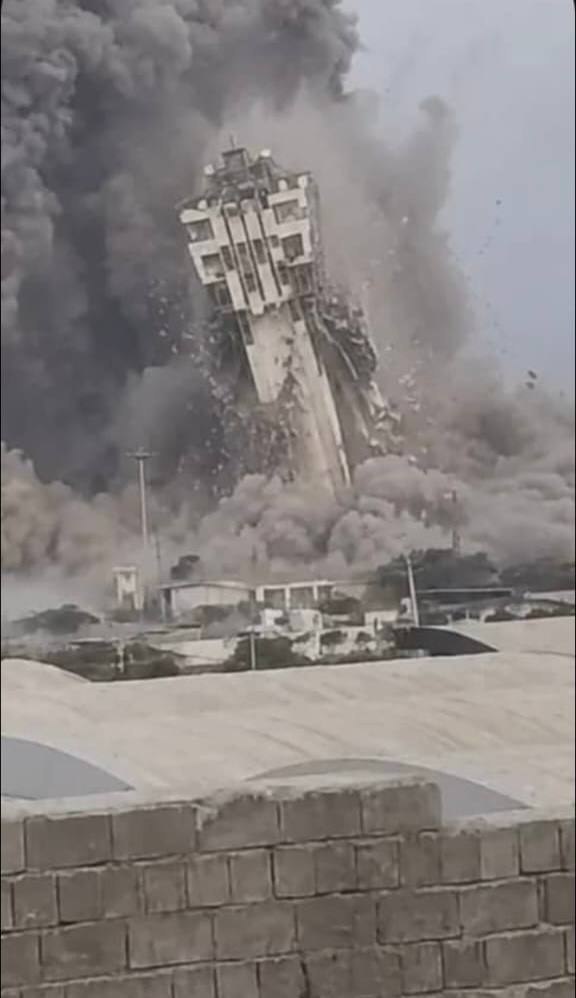
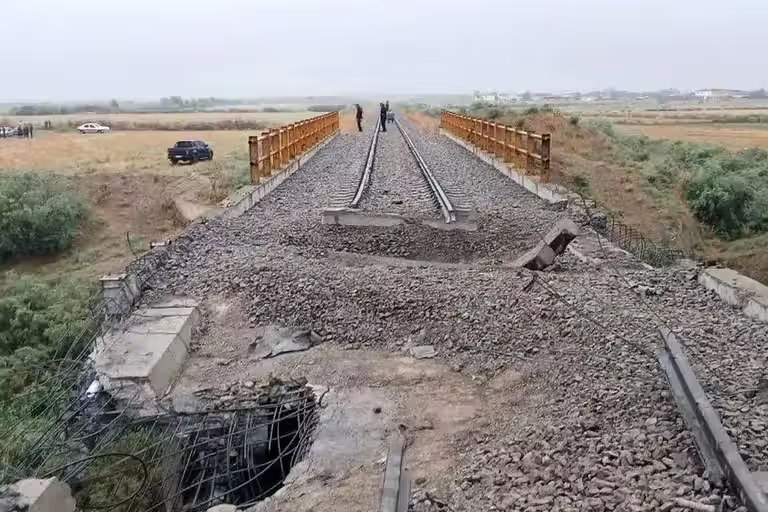
U.S. Central Command (CENTCOM) reported a sixth consecutive night of coordinated airstrikes, employing fighter jets, aerial drones, and warships to deliver precision munitions against dozens of Iranian military installations. The operations, conducted between 21:40 ET and the early hours of July 18, targeted coastal surveillance radars, air‑defense sites, logistics depots, and critical infrastructure in Bandar Abbas, the Aq Takeh Khan rail bridge in Razavi Khorasan, and the Chabahar port control tower. The Chabahar tower collapsed after the strike, and the rail bridge sustained severe damage, disrupting a key supply corridor.
"Today at 9:40 p.m. ET, U.S. Central Command (CENTCOM) completed its latest major wave of strikes against Iran," BellumActaNews, https://t.me/BellumActaNews/175420
In a separate operation, a U.S. airstrike destroyed the Bandar‑e Khamir bridge in southern Iran, killing seven personnel and wounding nine, according to the semi‑official Fars News Agency.
"US airstrike destroys bridge in southern Iran, killing seven and wounding nine," Monitor the Situation, https://t.me/monitor_the_situation/25137
Additional strikes near Bandar Abbas targeted a cache of speedboats that had remained in storage since 2022, and a series of six bridges in the Bandar Abbas area were hit, according to Iranian officials, further degrading Iran’s internal mobility.
Iranian Missile Campaign Extends Across the Gulf
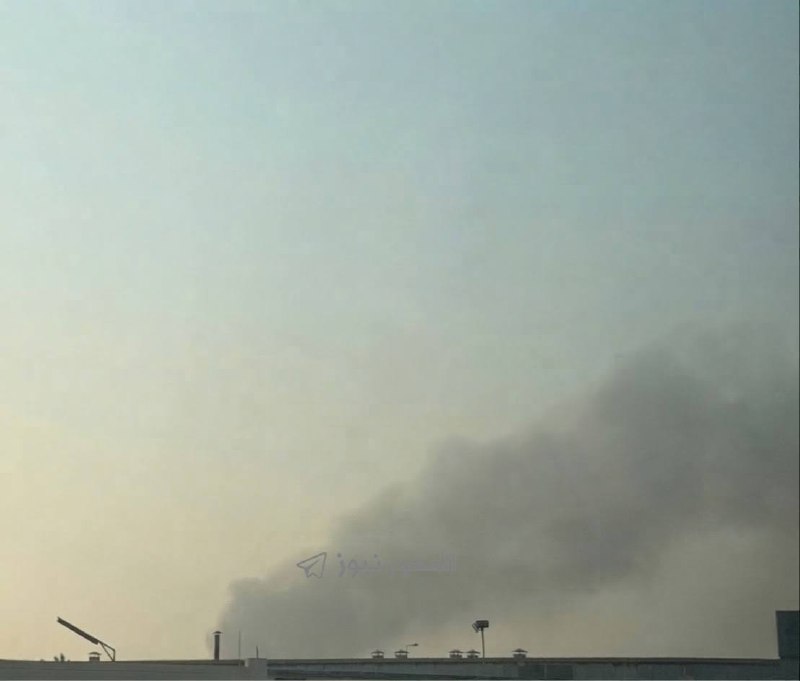
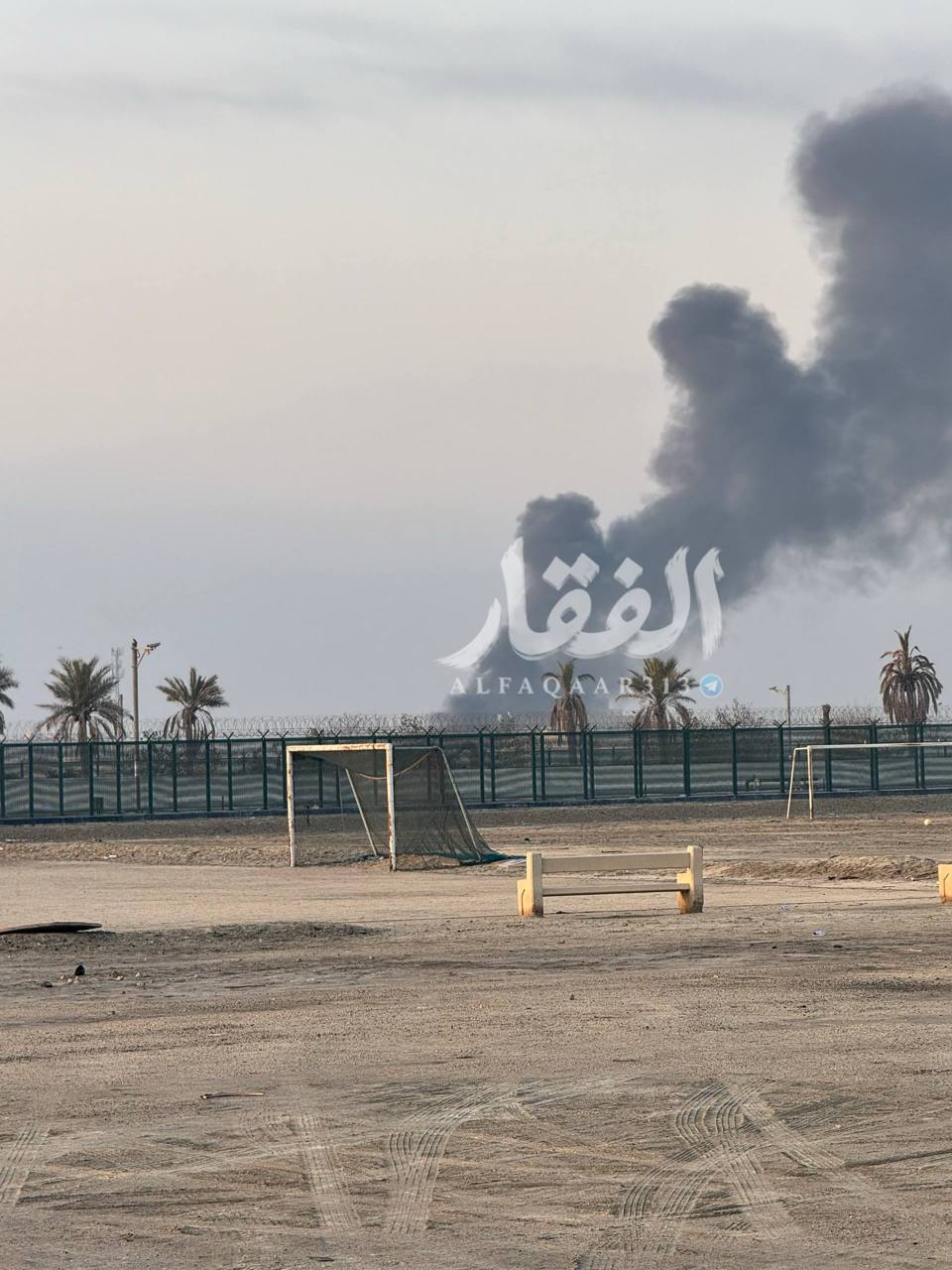
Iran responded with a coordinated missile barrage that struck multiple locations in Bahrain, Qatar, Jordan, Kuwait, and Saudi Arabia. At 05:19 a.m., an Iranian missile hit Bahrain’s BAPCO oil refinery in Sitra, igniting a fire that was later contained but temporarily halted refinery operations.
"An Iranian missile strike ignited a fire at Bahrain's BAPCO oil refinery, which was later contained," OSINTdefender, https://t.me/OSINTdefender/19500
Earlier, Iranian missiles and UAVs impacted the Sitra Industrial Zone, producing visible smoke, while a ballistic missile struck Al Udeid Air Base in Qatar, and another hit oil infrastructure in Bahrain.
"Ballistic missile impact at Al Udeid Air Base, Qatar. Also reports that oil infrastructure was targeted in Bahrain," rnintel, https://t.me/rnintel/64258
In Syria, the Islamic Revolutionary Guard Corps (IRGC) announced a missile barrage that hit the U.S. Special Forces command at Al‑Tanf, destroying a radar system and killing several senior officers.
"IRGC announces missile barrage targeted the U.S. Special Forces command at Al‑Tanf, destroying a radar and killing several senior officers," CIG_telegram, https://t.me/CIG_telegram/80005
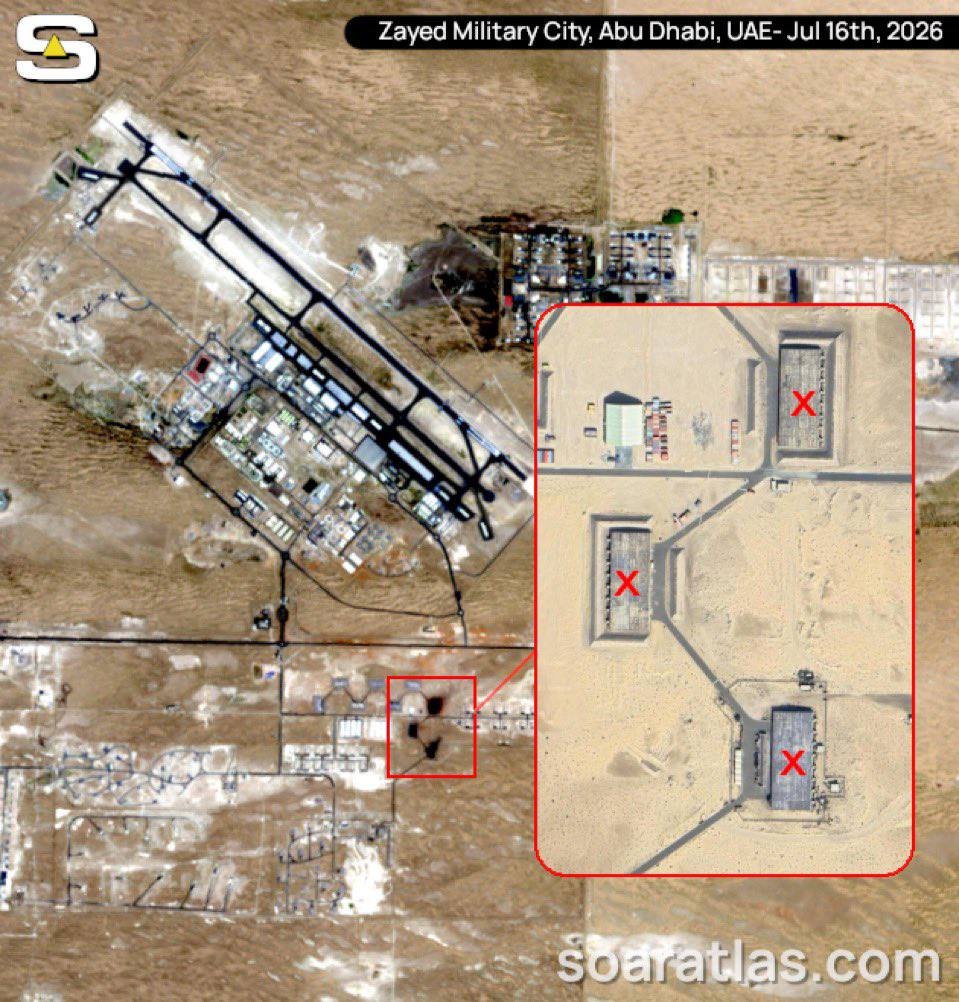
Iran also launched ballistic missiles at three military warehouses in Zayed Military City, Abu Dhabi, on July 13, a strike confirmed by satellite imagery and reported on July 17.
"Iranian ballistic missiles hit three military warehouses at Zayed Military City in Abu Dhabi," monitor_the_situation, https://t.me/monitor_the_situation/25146
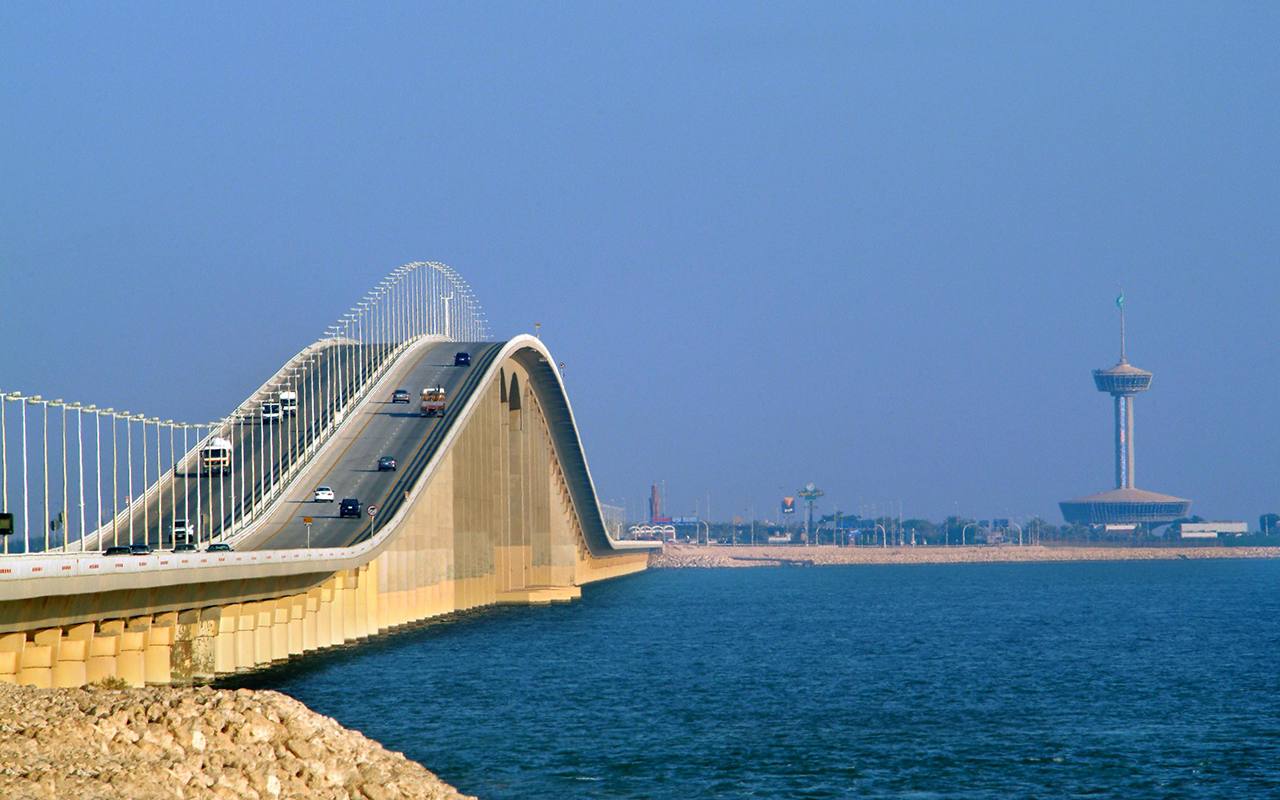
Additional attacks included a missile strike on the King Fahd Bridge linking Bahrain and Saudi Arabia, and a reported explosion on the King Fahd Causeway that prompted a large emergency response.
"Iran targeted the King Fahd Bridge connecting Bahrain and Saudi Arabia," CIG_telegram, https://t.me/CIG_telegram/79991
Regional Interceptions and Air Defenses
Jordanian forces intercepted three Iranian missiles over Jordanian territory, demonstrating heightened air‑defense readiness among US allies.
"Jordan Intercepts 3 Iranian Missiles Over Its Territory," monitor_the_situation, https://t.me/monitor_the_situation/25149
In Qatar, missile interceptions were reported over Doha, and a child was injured by shrapnel from an interception operation, highlighting the civilian risk of high‑altitude engagements.
"Renewed interceptions above Doha," GeoPWatch, https://t.me/GeoPWatch/37481
Iranian missile launches also targeted U.S. bases in Qatar, Jordan, Kuwait, and Bahrain; most projectiles were intercepted, but at least two reportedly struck their intended targets.
"Iran launched missile attacks on U.S. bases in Qatar, Jordan, Kuwait and Bahrain, with most intercepted but at least two hitting the target," idkunim_il, https://t.me/idkunim_il/61561
Humanitarian and Infrastructure Impact
Iranian sources accused U.S. strikes of causing civilian casualties and damaging non‑military infrastructure across Iran and neighboring states. While independent verification remains limited, the reports underscore the widening humanitarian footprint of the conflict.
"Iranian sources say US strikes hit civilian infrastructure," AlJazeera, https://www.aljazeera.com/video/newsfeed/2026/7/17/aje-onl-nf_iranian-sources-say-us-strikes-hit-infrastructure-160726?traffic_source=rss
Explosions were reported in Kuwait, Jordan, Iraq, and Bahrain, suggesting a broader pattern of synchronized attacks beyond the primary US‑Iran front.
"Explosions were reported in Kuwait, Jordan, Iraq and Bahrain," GeoPWatch, https://t.me/GeoPWatch/37476
Strategic Assessment
The coordinated US air campaign, combined with naval missile launches, reflects a shift from limited retaliatory strikes to a sustained, multi‑domain pressure strategy aimed at degrading Iran’s command‑and‑control, logistics, and maritime capabilities. Iran’s reciprocal missile barrage, extending to allied territories and U.S. installations, demonstrates its intent to project power across the Gulf and to signal deterrence to regional partners.
Regional air‑defense systems, notably in Jordan, Qatar, and Saudi Arabia, have shown increased interception rates, but the risk of collateral damage remains high, as evidenced by civilian injuries and infrastructure disruptions. The escalation raises the probability of inadvertent escalation, particularly given the proximity of forces in the Strait of Hormuz and the dense civilian populations surrounding key bridges and oil facilities.
Both sides have invoked broader geopolitical narratives: the United States frames its actions as a defense of maritime security and freedom of navigation, while Iran positions its missile campaign as a response to perceived aggression and a demonstration of regional reach. The involvement of allied forces—Jordanian, Qatari, and Saudi—adds layers of complexity to de‑escalation pathways.