On July 17, 2026 a series of unrelated but significant security incidents unfolded across three separate theatres of conflict. The events—an unexplained series of explosions in Sulaymaniyah, a suicide drone strike on a U.S. Patriot air‑defence system at Erbil International Airport, violent clashes between Israeli settlers and Palestinians in Sinjil, and a Ukrainian balloon‑launched drone attack on the Russian‑occupied Saki airbase in Crimea—illustrate the breadth of contemporary regional tensions.
Iraq: Multiple Explosions in Sulaymaniyah
At 04:31 GMT, local monitors reported a cluster of explosions in the city of Sulaymaniyah, the capital of Iraq’s Kurdistan Region. The source monitor_the_situation provided a brief video without further context on the cause, the type of munitions used, or casualty figures. No official statements from Iraqi security forces were available at the time of reporting. The lack of attribution leaves open the possibility of either an internal security incident, a stray ordnance accident, or an external sabotage effort.
"Multiple explosions reported in Sulaymaniyah, Kurdistan Region, Iraq. No immediate details on cause or casualties," the channel posted.
Iraq: Iranian Suicide Drone Targets U.S. Patriot System at Erbil Airport
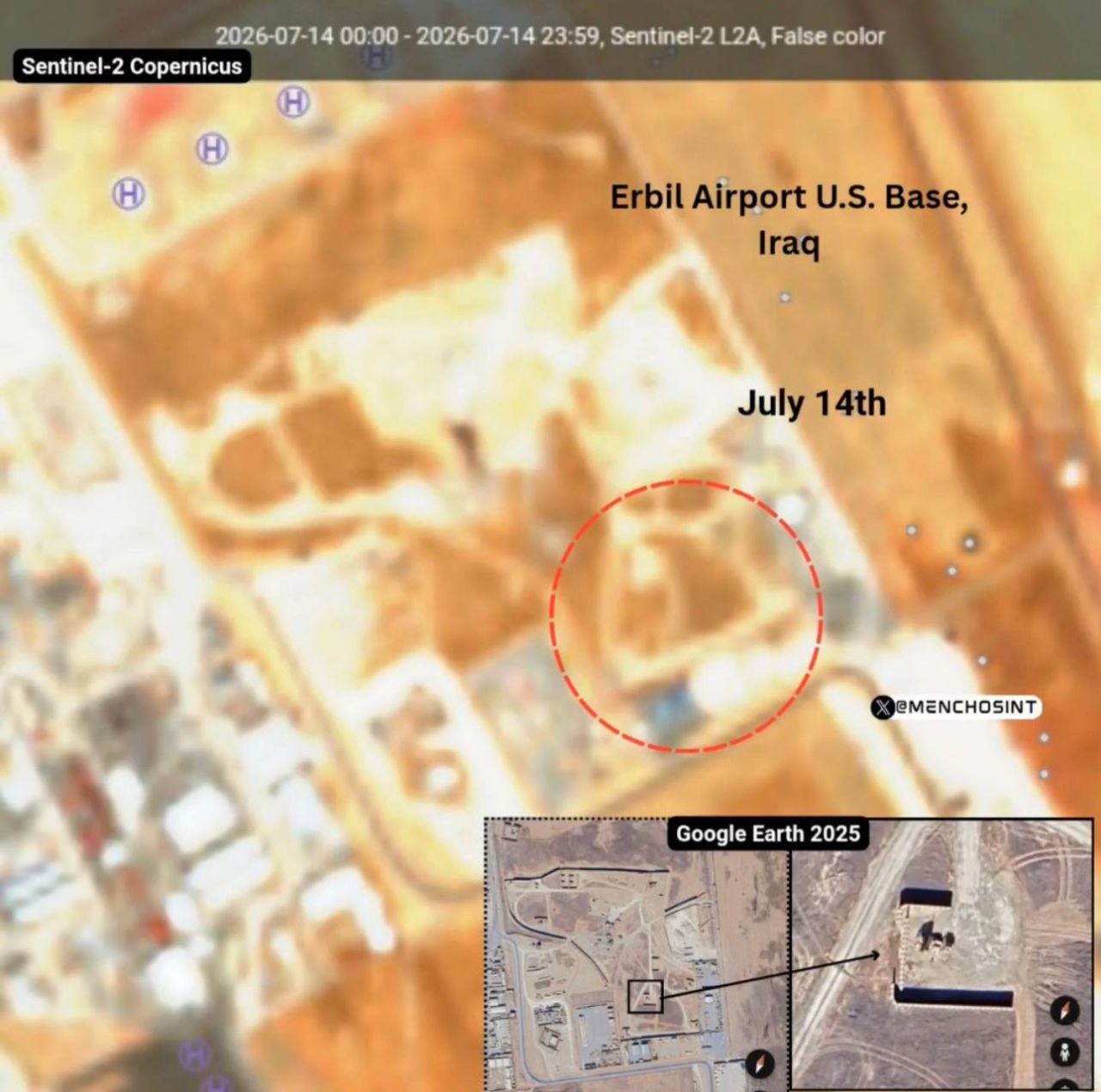
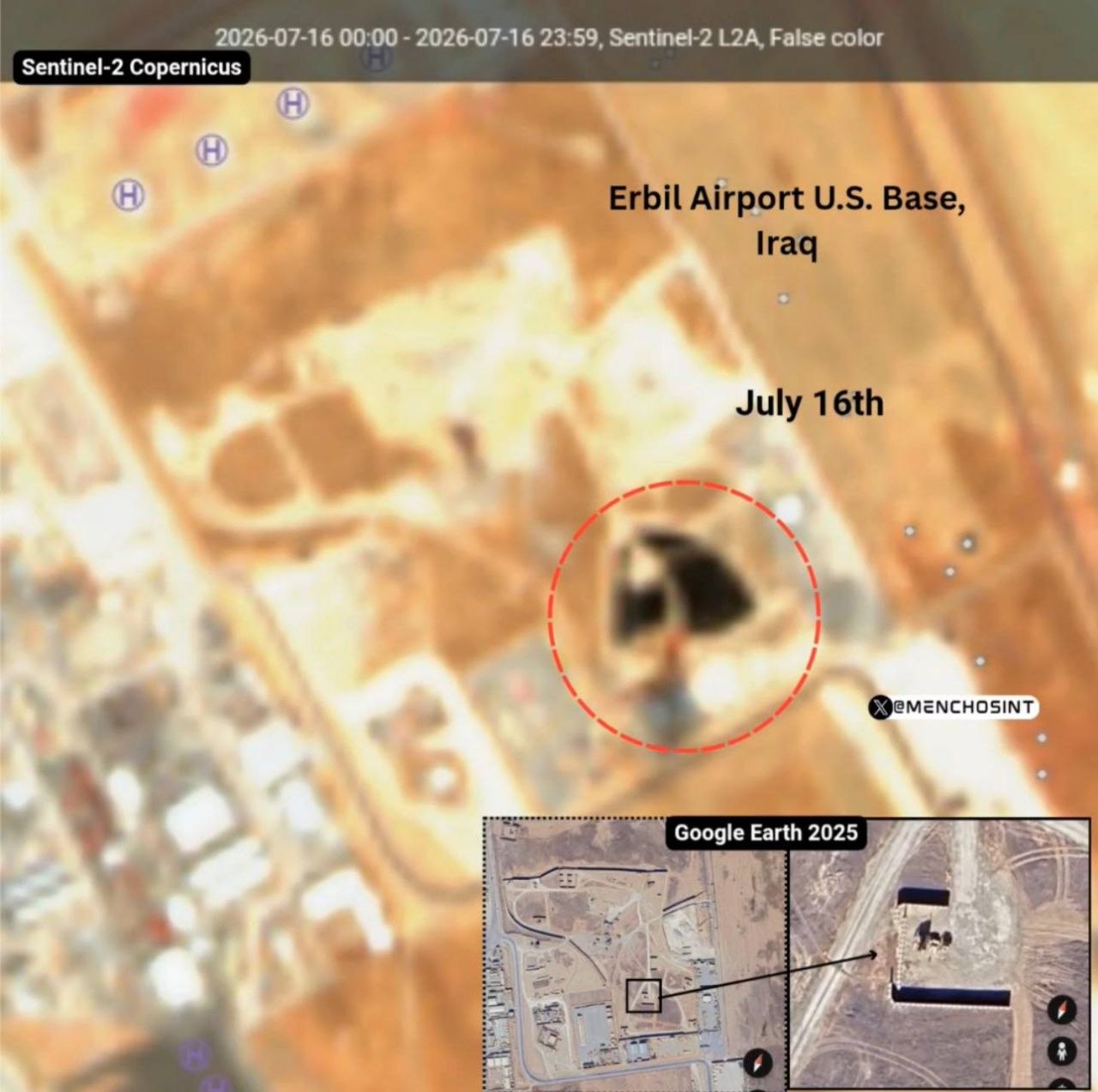
At 05:49 GMT, the intelligence outlet intelslava released satellite imagery showing the aftermath of a suicide drone impact on a U.S. MIM‑104 Patriot PAC‑3 air‑defence position at Erbil International Airport. The drone, identified as Iranian‑manufactured, struck the launch platform, igniting a fire and producing a plume of black smoke. The system, part of a broader U.S. defensive posture in Iraq, was previously damaged in a March incident; the new strike appears to be a follow‑up attempt to degrade the capability further. No casualties were reported, and the U.S. Department of Defense has not issued an official comment. The incident underscores the ongoing proxy contest between Iran and the United States on Iraqi soil.
West Bank: Settler‑Palestinian Clashes in Sinjil
At 04:39 GMT, the news agency AlJazeera documented a confrontation between Israeli settlers and Palestinian residents on the outskirts of Sinjil, a town in the occupied West Bank. According to the video feed, settlers entered the area, prompting a response from local residents that escalated into physical clashes. No weapons were reported, and casualty numbers were not disclosed. The incident reflects a pattern of settler‑initiated provocations that have intensified since the latest settlement approvals announced by the Israeli government earlier this month. The source URL links to a live‑feed segment that captured the initial moments of the encounter.
Ukraine: Balloon‑Launched Drones Strike Saki Airbase in Crimea
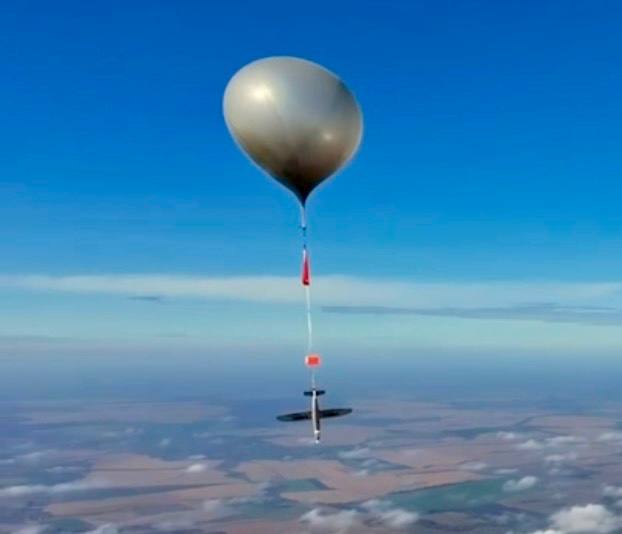
At 05:21 GMT, the open‑source analysis channel OSINTdefender posted a photograph of damage at Saki airbase, located on the Crimean Peninsula, which remains under Russian control. Ukrainian forces employed a novel delivery method: small drones released from high‑altitude balloons that drifted over Russian‑occupied territory before descending onto the target. The strike reportedly damaged aircraft shelters and fuel storage facilities, though exact loss figures were not released. The use of balloons for drone delivery represents an adaptation to the heavily defended airspace over Crimea, allowing Ukraine to conduct deep‑strike operations with reduced radar exposure.
Collectively, these incidents demonstrate a convergence of low‑intensity but strategically meaningful actions across three distinct regions. In Iraq, the simultaneous occurrence of unexplained explosions and a direct Iranian attack on U.S. assets raises concerns about the stability of the security architecture established after the 2003 invasion. In the West Bank, settler aggression continues to fuel friction that could destabilize the already fragile Israeli‑Palestinian status quo. In Ukraine, the evolution of drone tactics signals a persistent effort to erode Russian‑held infrastructure despite the front‑line stalemate.
While each event is isolated in geography and actors, they share common threads: the use of unconventional weapons (suicide drones, balloon‑launched UAVs), the targeting of critical defence assets, and the involvement of non‑state or proxy forces. Monitoring agencies should prioritize verification of the Sulaymaniyah explosions, assess the operational impact of the Erbil drone strike on U.S. air‑defence readiness, and track the proliferation of balloon‑based delivery systems, which may be adopted by other actors seeking to bypass traditional air‑defence networks.